Bottom line: China still manufactures roughly two-thirds of the world’s curtain capacity in 2026, with deep specialization in OEM/ODM, private label, and FR fabrics. Shaoxing-cluster factories accept trial orders of 50–200 pieces and standard MOQ 200 per style — versus 500–1,000+ pieces or 800m of fabric typical in India or Turkey. Certification infrastructure (OEKO-TEX 100, BSCI, NFPA 701) is widely available. Vet manufacturers against an 8-criteria checklist; anyone passing fewer than five is a red flag.
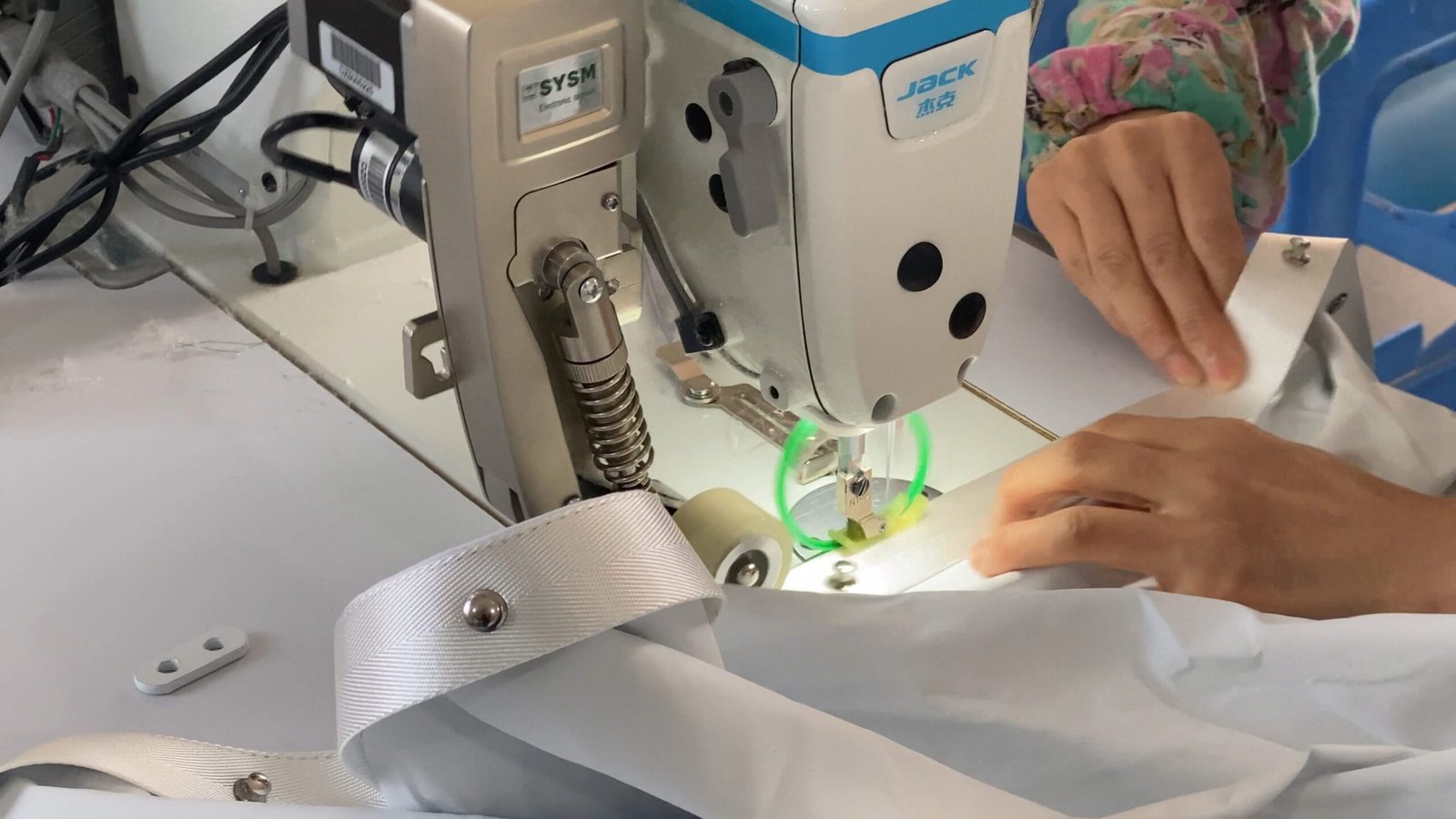
But “sourcing from China” doesn’t automatically mean “sourcing well.” Some buyers end up with reliable factory partners who ship on time, hit quality specs, and grow with their business for years. Others get burned by middlemen, fake samples, missing certifications, and missed deadlines that tank a product launch.
The difference is rarely luck. It’s a structured vetting process — and a clear understanding of which type of buyer you are.
This guide gives you that process. Whether you’re a DTC brand sourcing private label curtains for your Shopify store, a wholesaler stocking inventory for retail chains, or a designer specifying curtains for a hotel renovation project, the eight-criteria checklist below — built from years of working with all three buyer types — will help you separate professional manufacturers from companies that just look like manufacturers online.
Why China Remains the Top Sourcing Destination for Curtains in 2026
A few sourcing trends in recent years have prompted buyers to look at India, Turkey, Vietnam, and Pakistan as alternatives to China. These regions all have legitimate strengths. But for custom curtains specifically — which require fabric versatility, stitching precision, hardware integration, and certification flexibility — China remains the most complete option for most B2B buyers.
Three structural advantages explain why:
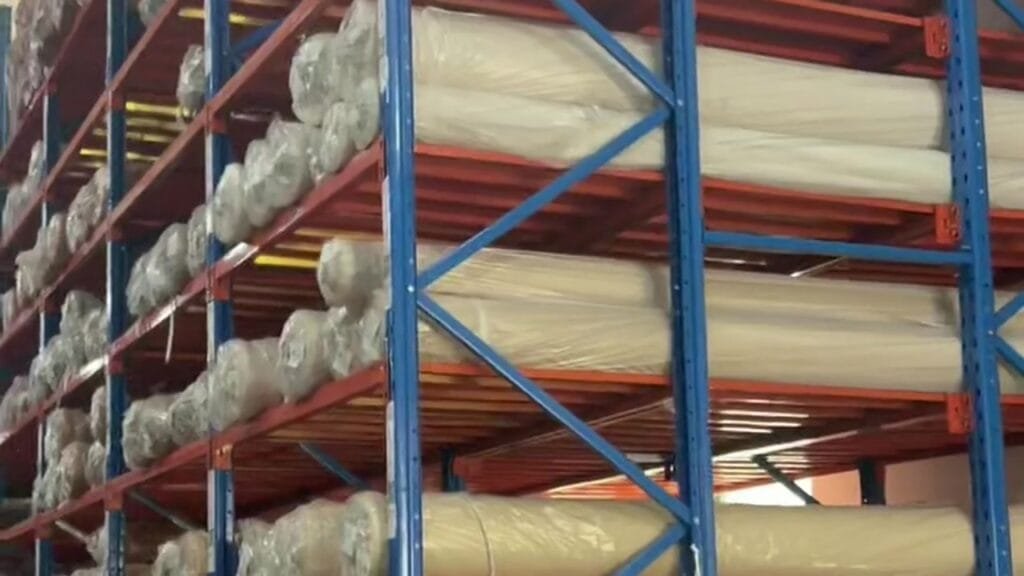
Vertical integration. China’s textile clusters operate as fully integrated supply chains. A factory in Shaoxing can source greige fabric, dye it, finish it, cut it, sew it, and pack it within a 50-kilometer radius. This means shorter lead times, better quality control, and the ability to handle deep customization that fragmented supply chains in other countries struggle with.
Custom MOQ flexibility. Most Chinese curtain factories — particularly in Shaoxing and Hangzhou — accept trial orders in the 50–200 piece range, with standard MOQs typically at 200 pieces per style. By contrast, factories in India or Turkey often require minimums of 500–1,000+ pieces or 800+ meters of fabric, which can be a non-starter for DTC brands testing new SKUs.
Certification and documentation maturity. OEKO-TEX Standard 100, BSCI, and NFPA 701 testing capabilities are widely available across Chinese curtain factories. For hotel projects, EU compliance, or Amazon FBA requirements, the documentation infrastructure is more developed than most alternatives.
None of this means China is automatically right for every buyer. We’ll cover when other regions might be a better fit later in this guide. But for buyers who need a balance of customization, certification, MOQ flexibility, and supply chain depth, China — and within China, the Shaoxing cluster especially — remains the default.
8 Criteria for Vetting a Chinese Curtain Manufacturer
Before sending an inquiry to any factory, run them through this checklist. Most reliable manufacturers will pass at least seven of the eight. Anyone scoring below five is a red flag — keep looking.
Criterion 1: Manufacturer vs. Trading Company
The single most important question to answer first: are you talking to a real factory, or a trading company that subcontracts to factories?
Trading companies aren’t inherently bad. Some are professional intermediaries with deep factory networks. But they add a layer of cost (typically 10–20%), introduce communication friction (you can’t talk to the people actually making your curtains), and reduce your control over quality details.
How to verify:
- Ask for live video of the production floor — not pre-recorded footage
- Request a virtual factory tour over WhatsApp or Zoom
- Look up the company’s business license and confirm “manufacturing” is in their registered scope
- Ask technical questions a salesperson at a trading company often can’t answer (e.g., “What’s the maximum width of your jacquard loom?” or “What’s your in-line sewing inspection ratio?”)
A real factory should comfortably show you their workshop in real time and answer technical production questions without consulting “the factory.”
Criterion 2: Production Capacity & Lead Time Stability
Capacity matters in two ways. The factory needs to be big enough to handle your order without disrupting their other commitments, but not so loaded that your order keeps slipping.
Ask three questions:
- What’s your annual production capacity?
- What’s your current capacity utilization?
- What’s your on-time delivery rate over the past 12 months?
A factory operating at 95%+ utilization is risky for a new buyer — your order joins a queue behind everyone else. A factory at 70–85% utilization with a documented on-time delivery rate above 95% is a much safer bet.
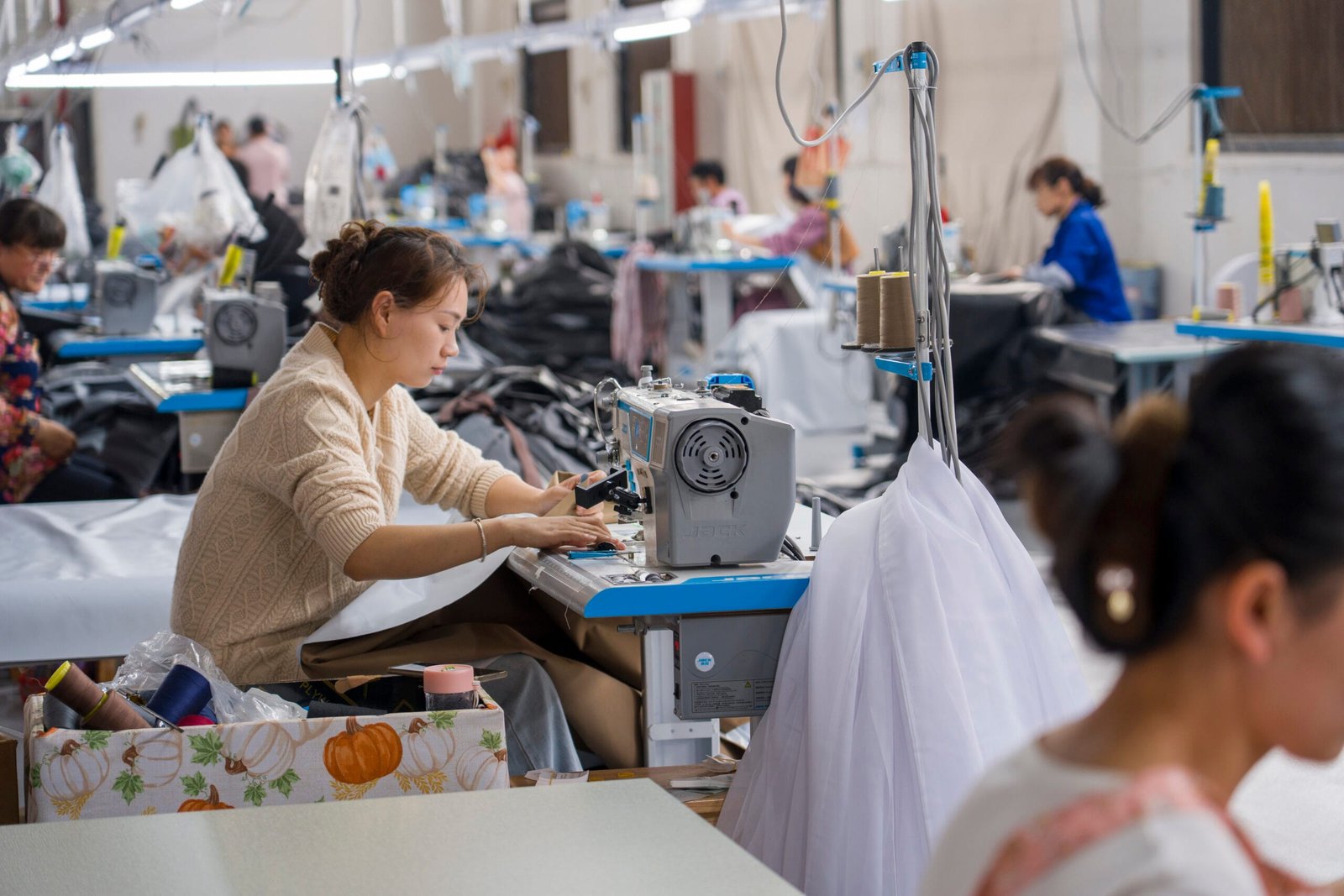
For reference: Dairui Textile operates a 10,000 m² Shaoxing facility producing about 500,000 curtains per year, with on-time delivery tracked at 98% over the past 12 months.
Criterion 3: MOQ Flexibility — Trial, Standard, and Custom Tiers
A reliable manufacturer offers tiered MOQs that accommodate different buyer types and order stages. Watch out for factories with rigid one-size-fits-all minimums.
Typical tiers from a sourcing-friendly Chinese curtain factory:
| Order Type | MOQ | Best For |
|---|---|---|
| Trial orders | 50–100 pieces | New customers validating quality before scaling |
| Standard MOQ (in-stock fabrics) | 200 pieces per style and per color | Most ongoing production runs |
| Custom-woven fabrics | 800–1,000 meters minimum | Brands needing proprietary fabric development |
If a factory tells you “MOQ is 1,000 pieces, no exceptions” without first understanding your business model, they’re not built for the DTC or small-brand market.
Criterion 4: Certifications and Compliance Documentation
Certifications matter for three reasons: market access, retailer requirements, and end-customer trust. The certifications a curtain factory should hold or be able to support depend on your target market and channel.
Universally important:
- OEKO-TEX Standard 100 — Confirms textiles are tested for over 100 harmful substances. Required by most major retailers, hotel chains, and EU importers.
- BSCI — Audited social compliance. Increasingly required by European retail chains and ESG-conscious brands.
Project- and channel-specific:
- NFPA 701 — U.S. flame-retardant standard, mandatory for hospitality, healthcare, schools, and most U.S. commercial projects
- REACH — Required for EU shipments
- CPSIA — U.S. Consumer Product Safety Improvement Act compliance for retail
A reliable manufacturer should be able to provide certificate numbers and let you verify them through the certifying body’s online registry (OEKO-TEX certificates, for instance, are publicly searchable on oeko-tex.com). Vague claims like “we have all certifications” without documentation are a warning sign.
For reference: Dairui’s certification framework — including OEKO-TEX Standard 100, BSCI, and NFPA 701 testing capability — is documented on our Certifications page.
Criterion 5: Quality Control Standards and Replacement Policy
Two things to look for here:
Inspection process. Reliable factories run multi-stage QC: incoming fabric inspection, in-line sewing checks, and pre-shipment sampling. They should welcome — not resist — third-party inspection from SGS, TUV, Intertek, or Bureau Veritas at the buyer’s expense.
Replacement policy for defects. This is where most factories quietly fail. Standard B2B terms are vague: “defective pieces will be addressed case-by-case.” That phrasing means nothing when an actual problem arises.
A serious manufacturer states their policy clearly. The strongest version: defective or unsatisfactory pieces are remade free of charge and shipped with the buyer’s next order — eliminating extra freight costs and customs hassle. This kind of policy only works for factories with recurring partnerships, but for DTC brands and wholesalers placing weekly or monthly orders, it’s a meaningful safeguard. (Dairui’s full policy: Quality Guarantee.)
Criterion 6: Communication and Time Zone Coordination
The factory you choose will become an extension of your supply chain team. If communication is slow, unclear, or limited to standard business hours, you’ll feel the friction in every order.
Test the response speed before you commit:
- Send your initial inquiry on a weekday morning (China time) and see how long the first reply takes
- Send a follow-up question on a Saturday or evening — does anyone respond?
- Ask for a brief video call to gauge English fluency and technical comprehension
The best Chinese curtain factories operate sales teams on extended schedules, with at least one English-fluent contact who understands not just the product, but DTC and B2B sourcing realities.
Criterion 7: Track Record with Your Buyer Type
A factory that has supplied 50,000 pieces a year to a hotel chain might struggle with a DTC brand needing weekly 1,000-piece shipments with custom packaging and Amazon FBA-ready labeling. Different buyer types require different operational habits.
Ask the factory for past project examples in your buyer category:
- DTC brand? Ask for examples of brands they’ve supplied private label curtains to, and what packaging customizations they’ve handled.
- Wholesaler? Ask about retailer-direct shipping experience, repeat order management, and case packing standards.
- Hospitality designer? Ask for hotel project case studies — specifically, the largest single project they’ve completed (number of rooms, pieces per room, total volume).
For reference: Dairui’s largest hospitality project to date was 600 hotel rooms in a single installation. On the DTC side, our recurring partner brands typically order in the 4,000–10,000 pieces per month range, with around 80% of customers being recurring partners on weekly or monthly cycles.
Those project details sit on our hotel curtains supplier page — room counts and fabric configurations from past installations, fire-performance testing support, and the room-by-room labelling that gets curtains to site sorted by room number.
Criterion 8: Logistics Capability — FOB, CIF, DDP
Logistics is often the last thing buyers think about, and the first thing that goes wrong.
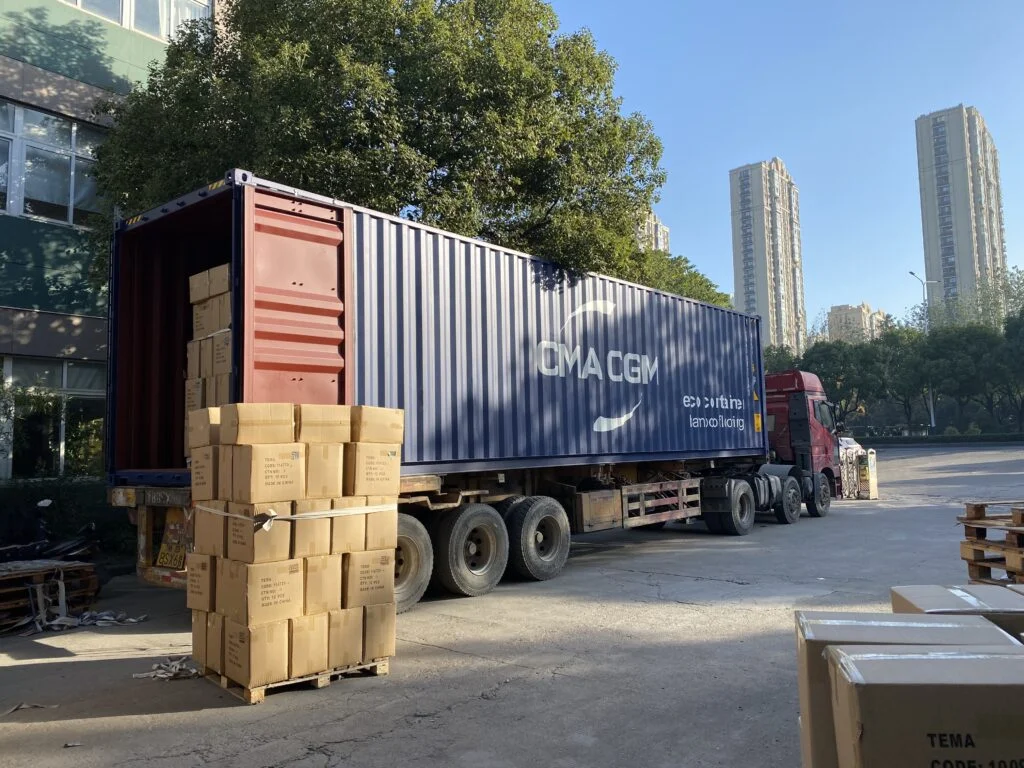
A reliable Chinese curtain factory should comfortably handle multiple shipping arrangements:
- FOB (Free on Board): Factory delivers to the export port; buyer arranges ocean freight from there. Most flexible for buyers with their own freight forwarders.
- CIF (Cost, Insurance, Freight): Factory arranges ocean freight to the destination port; buyer handles import customs.
- DDP (Delivered Duty Paid): Factory handles everything — ocean freight, import duties, customs clearance, and last-mile delivery to the buyer’s warehouse. Best for buyers without dedicated logistics resources.
DDP is increasingly the standard for DTC brands and small wholesalers who want to avoid customs surprises. Factories that offer mature DDP service — particularly to North America and Europe — typically have established freight forwarder partnerships and customs brokers, reducing risk.
Run these eight criteria on us
Ask for our business license, BSCI audit report and OEKO-TEX documentation, then a sample from any in-stock series. We come back with documents and sample lead time within 24 hours.
Buyer-Specific Considerations: DTC, Wholesale, Design Projects
The eight criteria apply universally, but each buyer type has additional priorities to weigh.
For DTC Brands and Online Retailers
If you’re running a DTC curtain brand on Shopify, Amazon, or your own e-commerce platform, your priorities differ from traditional wholesale buyers. You’re managing tighter cash flow, faster product cycles, and direct customer feedback that demands quality consistency.
Priorities to look for:
- Private label support with custom packaging, hangtags, and care labels matching your brand
- Trial order flexibility (50–100 pieces) to test new SKUs without overcommitting capital
- Photography and content support — some factories offer in-house product photography for e-commerce listings
- Amazon FBA-ready packaging — individual polybag, clear SKU labeling, FNSKU compliance
- Recurring weekly or monthly orders rather than one-shot bulk shipments
If a factory can’t accommodate a phased ordering model — say, 1,000 pieces this week, 1,200 next week, with a new SKU added monthly — they’re probably built for old-school wholesale, not modern DTC.
For Wholesalers and Importers
Wholesalers buying for retail chains, distribution networks, or import warehouses have different concerns:
Priorities to look for:
- Large-volume capability without sacrificing quality consistency across batches
- Stable pricing with documented price-break tiers at 1,000 / 5,000 / 10,000+ pieces
- Predictable lead times that work with your retail buyer’s inventory commitments
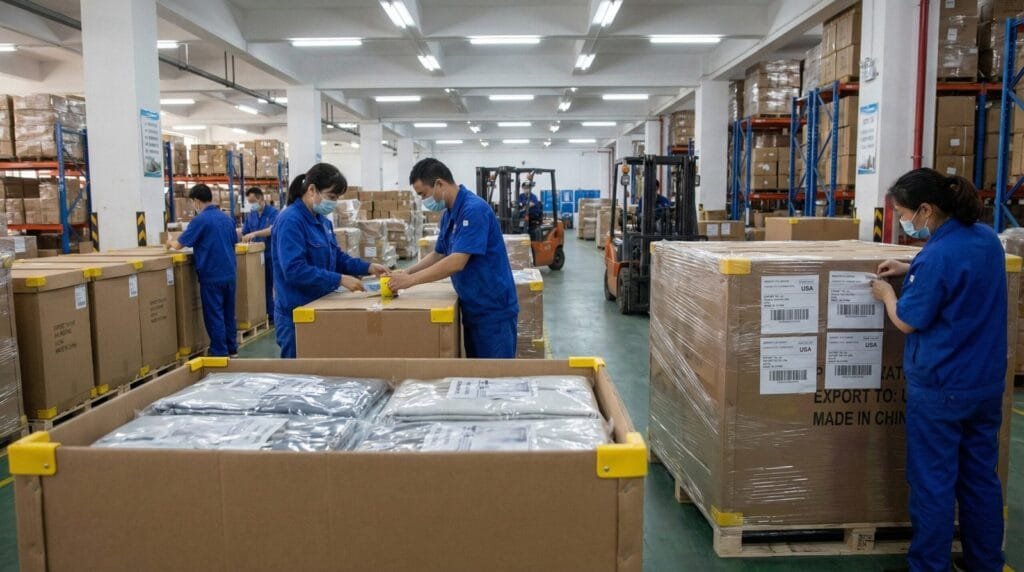
- Container loading expertise — proper case packing, weight distribution, and documentation for customs clearance
- Master case carton labeling that aligns with your retail customer’s receiving standards
For wholesalers, a factory’s experience with major retailers — even anonymized — is valuable validation. A factory that has supplied a Canadian retail chain with 100+ stores, for instance, has demonstrated they can handle the operational complexity of multi-store distribution.
For Interior Designers and Hospitality Projects
Designers specifying curtains for hotels, hospitals, offices, or institutional projects have a specialized set of requirements:
Priorities to look for:
- NFPA 701 compliance documentation (U.S. and Canada) or equivalent (BS 5867 in the UK, DIN 4102 in Germany)
- Custom sizing to fit non-standard windows — most hospitality projects specify exact dimensions per room type
- Tender documentation support, including sample books, technical data sheets, and compliance certificates
- Coordinated installation timing — many hospitality projects require curtains delivered at a specific construction phase
- Acoustic and thermal performance data for premium projects
For large projects (100+ rooms), ask the factory for their largest single hospitality project to date. A factory with 600-room installation experience has solved logistics, quality consistency, and project coordination challenges that smaller-project factories simply haven’t encountered yet.
If you plan to sell under your own brand, our guide to private label curtains covers labeling, packaging and MOQ requirements in detail.
Red Flags: 7 Warning Signs of Unreliable Manufacturers
Even with a strong checklist, some factories will pass your initial screen but reveal problems later. These are the seven most common warning signs:
- Refusal to do video factory tours. A factory that won’t show you live footage is hiding something — either they’re a trading company posing as a factory, or their actual operations don’t match their marketing photos.
- MOQ policies that change between conversations. If the salesperson tells you “MOQ is 200” on Monday and “actually it’s 500 for this style” on Friday, they’re either disorganized or testing your willingness to overpay.
- Certification claims without documentation. Vague language like “we have OEKO-TEX” without certificate numbers, validity dates, or test scope details usually means they don’t actually hold current certificates.
- Pricing significantly below market. If a quote is 30%+ below comparable factories, expect quality compromises, hidden costs at delivery, or fabric substitutions. China’s textile industry has its competitive floor; quotes well below it should trigger scrutiny.
- Communication delays beyond 24 hours. Initial responsiveness is the best predictor of long-term communication quality. A 48-hour delay during the inquiry phase becomes a 5-day delay when there’s a production issue.
- Reluctance to provide past project references. Real factories with real customers should be able to share at least anonymized case studies. Vague claims like “we work with major brands” without any specifics — even anonymized — usually means there are no major brands.
- Contract terms that change after signing. If the factory tries to renegotiate pricing, lead times, or terms after you’ve signed the PI, leave. This pattern only escalates with more complex orders.
How to Verify a Manufacturer’s Claims
Trust, but verify. Three practical tools to confirm the factory is legitimate:
Alibaba Verified Supplier badges. Not foolproof, but Alibaba’s “Gold Supplier” and “Verified” tiers involve some level of third-party verification. Look at the years of membership — multi-year Verified status suggests stability.
Live video factory tours. Request a 15-minute walkthrough showing weaving lines (if claimed in-house), cutting room, sewing lines, finished goods area, and packaging area. A factory that can do this on demand without preparation is almost certainly legitimate.
Sample order before bulk commitment. Order 1–3 samples and assess: stitching quality, fabric weight against the spec, color accuracy, hardware durability, packaging professionalism. Pay particular attention to consistency — are the samples interchangeable in quality, or does one feel different?
Third-party verification platforms. OEKO-TEX, BSCI, and most certification bodies maintain online registries where buyers can search for valid certificates by company name or certificate ID.
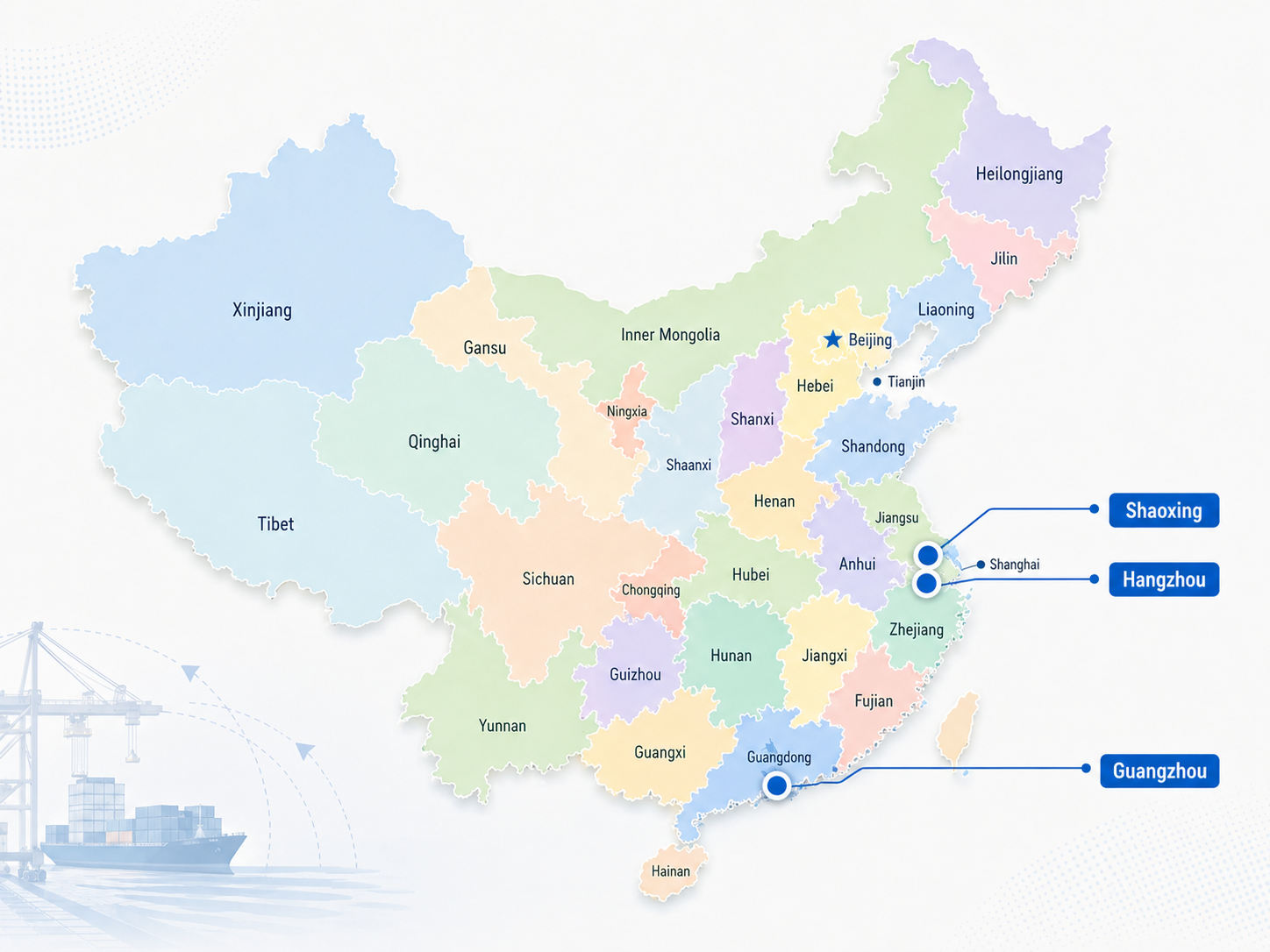
China’s Main Curtain Production Hubs: Shaoxing vs Guangzhou vs Hangzhou
Within China, three regions dominate curtain manufacturing, each with distinct strengths.
Shaoxing (Zhejiang Province). Home to China’s largest textile market and the most complete fabric supply chain in Asia. Shaoxing factories typically have direct access to fabric mills, dyeing facilities, and finishing operations within a one-hour drive. This vertical integration translates to faster sample turnaround, more material options, and tighter quality control. Best suited for buyers needing material variety, custom fabric development, and balanced cost-quality positioning.
Guangzhou and the Pearl River Delta. Strong for fast-turn small batch production and home textile assembly. Excellent for buyers needing rapid prototyping, smaller MOQs on standard SKUs, or proximity to consumer e-commerce logistics hubs.
Hangzhou. Historically focused on silk and high-end decorative textiles. Strong for premium aesthetic-focused projects, particularly those involving jacquard, brocade, or specialty weaves. Less common as a primary sourcing location for high-volume, certification-driven projects.
For most B2B buyers — DTC brands, wholesalers, and designers needing balance across customization, certification, and capacity — Shaoxing is the most versatile starting point. It’s the cluster where fabric meets manufacturing meets export, and the depth of supplier options means buyers can find the right factory size and specialization.
Common Sourcing Mistakes First-Time Buyers Make
Even after picking a strong factory, three mistakes derail many first-time China sourcing efforts:
Mistake 1: Optimizing for unit price alone. A $0.50 saving per piece on a 10,000-piece order looks meaningful — until shipping delays cost you a peak season, or quality issues trigger returns. Total landed cost (price + shipping + customs + returns + opportunity cost) is the only metric that matters.
Mistake 2: Skipping the trial order. “We need 5,000 pieces in 30 days” is the most common way buyers get burned. Always run a trial order — 50 to 200 pieces — first. The trial validates quality, sizing accuracy, packaging standards, and the factory’s communication patterns. Yes, it costs more per piece. It also costs less than a 5,000-piece batch that doesn’t meet spec.
Mistake 3: Underestimating long-term partnership value. The cheapest factory on your initial quote rarely becomes your best long-term partner. Factors like communication quality, willingness to invest in your relationship, defect-replacement policies, and operational adaptability compound over time. The factory you’ll still be working with in five years is rarely the one with the lowest first-quote price.
Real Case: A Canadian Retail Chain with 100+ Stores
A Canadian retail chain with over 100 physical stores approached Dairui Textile to manage curtain supply across their stores. The challenge: maintaining consistent product specifications, sizing, and packaging across multiple SKUs, on a recurring shipment schedule, with delivery into a centralized distribution center.
The solution involved:
- Locking in 8 core SKUs with documented specs and approved samples
- Establishing recurring monthly production runs aligned with the retailer’s restocking cycle
- Standardizing master case packing and barcode labeling to match the retailer’s receiving standards
- Building in quality buffer through pre-shipment sampling and photo documentation
After 12 months of operation, the partnership delivered consistent quality across replenishment cycles, smooth integration with the retailer’s distribution operations, and cost stability through the calendar year. The retailer’s procurement team specifically valued the predictability — knowing the next shipment would match the last one, every time.
This is the operational standard reliable Chinese curtain factories should be able to deliver. Anything less, for a multi-store retail program, is a problem waiting to happen.
How Dairui Textile Aligns with These Standards
If you’re evaluating Chinese curtain manufacturers, here’s how Dairui Textile maps to the eight criteria above:
- Direct factory. A 10,000 m² facility in Shaoxing operating since 2014 — no trading layer, no subcontracting.
- Capacity. Approximately 500,000 pieces per year; on-time delivery rate of 98% over the past 12 months.
- MOQ flexibility. Trial orders from 50 pieces, standard MOQ of 200 per style/color, custom-woven fabric MOQ of 800–1,000 meters.
- Certifications. OEKO-TEX Standard 100 and BSCI compliance; NFPA 701 testing capability for hospitality projects. Documentation provided on request — see our Certifications page for details.
- Quality control. Multi-stage in-line and pre-shipment QC, with our Customer-Approved Replacement Policy covering recurring partner brands.
- Communication. English-fluent sales team; first-inquiry response typically within one business day.
- Buyer track record. Recurring DTC partner brands averaging 4,000–10,000 pieces per month; largest single hospitality project to date is 600 hotel rooms.
- Logistics. FOB, CIF, and DDP services available; primary export through Ningbo and Shanghai ports.
Conclusion: Build a Sourcing Process, Not a Search
The biggest mistake in China curtain sourcing isn’t picking the wrong factory once. It’s not having a process to evaluate factories systematically. The eight-criteria checklist above is a starting framework — adapt it to your business model, weight the criteria by your priorities, and use it consistently across every supplier conversation.
For DTC brands, weight MOQ flexibility, private label support, and recurring-order operational fit higher. For wholesalers, weight capacity stability and large-volume QC consistency. For hospitality designers, weight certifications and tender documentation depth.
Whichever buyer type you are, two principles hold true:
Always start with a trial order. No exceptions, even when you’re confident. The cost of a 100-piece trial is trivial compared to the cost of a 5,000-piece mistake.
Choose factories built for your model, not just the cheapest quote. The right factory becomes a multi-year partner. The wrong one becomes a recurring crisis.
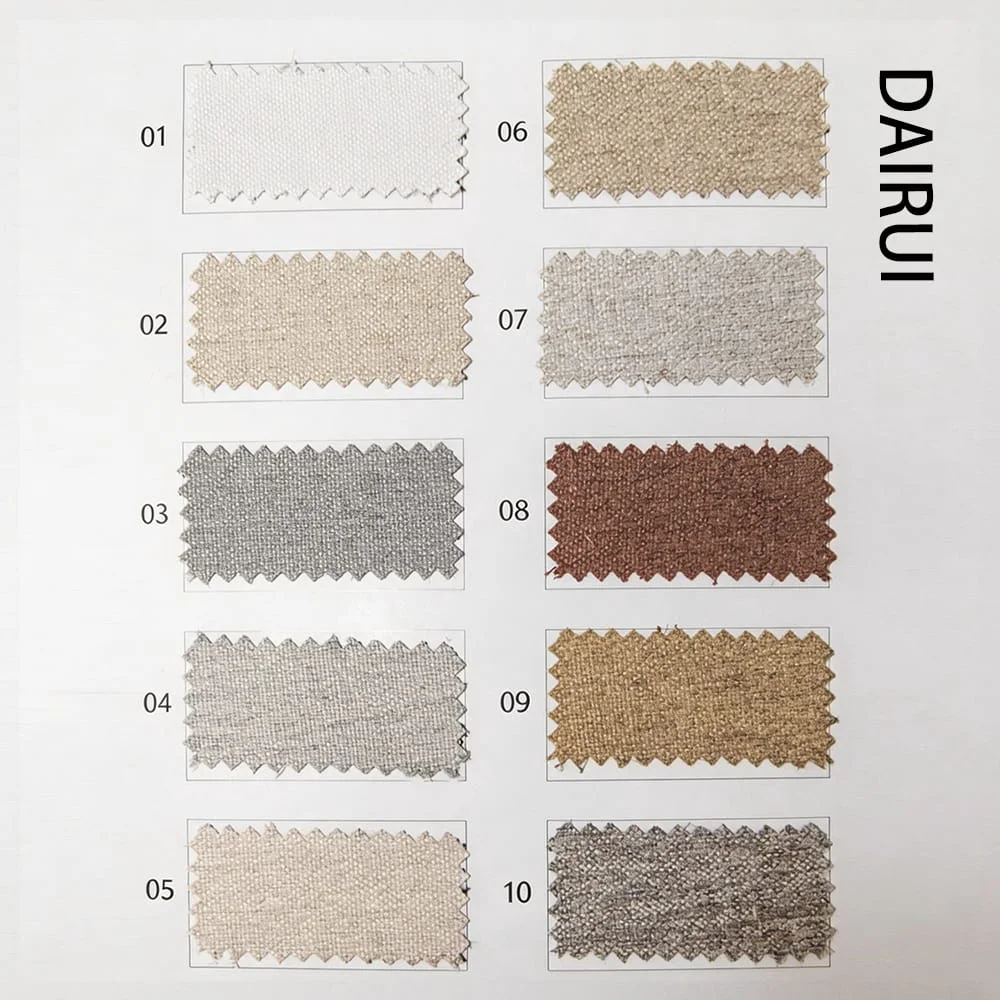
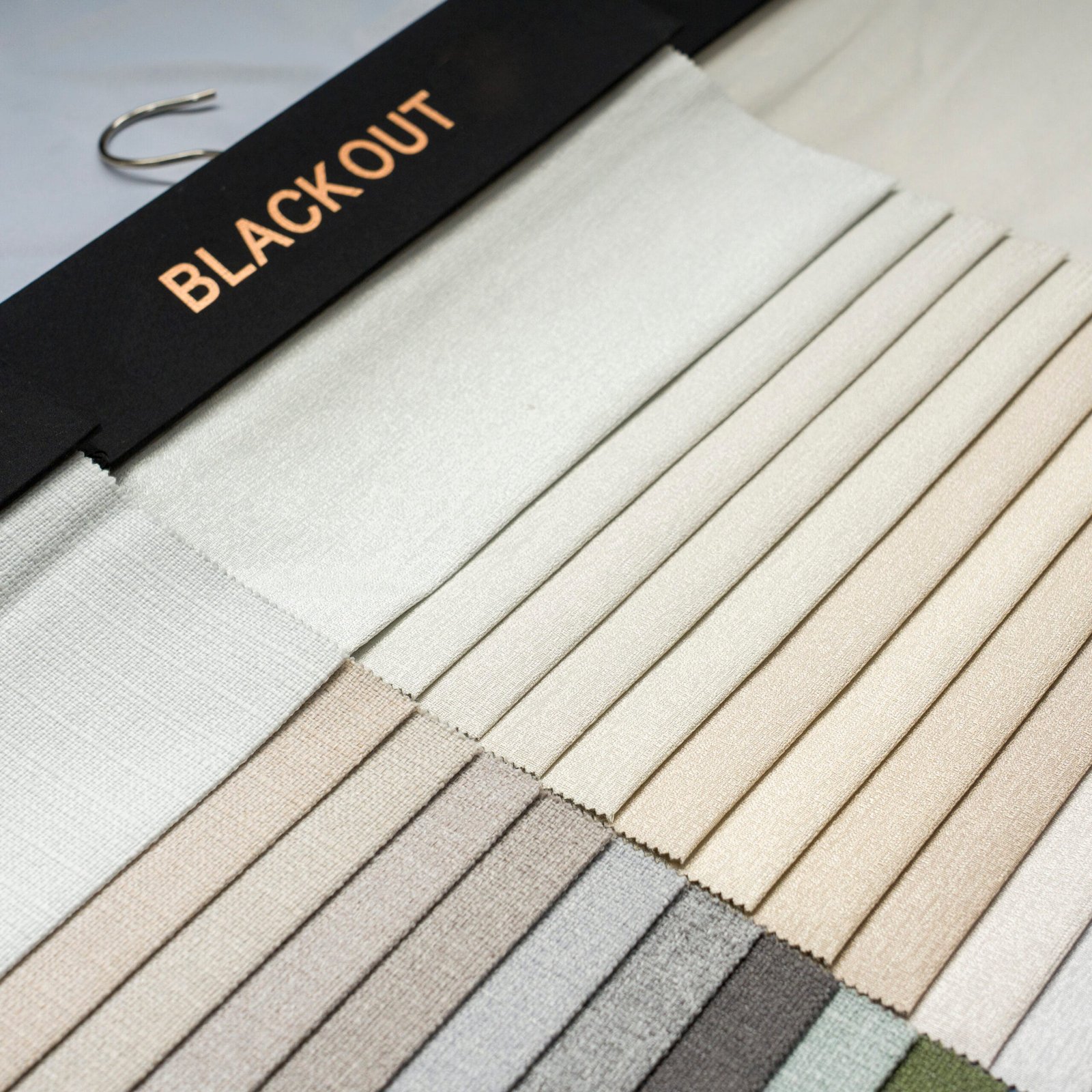
If you’d like to explore whether Dairui Textile is the right fit for your sourcing requirements, the fastest path is to start with samples — we’ll send swatches of any in-stock fabric series so you can evaluate quality firsthand.
Last updated: April 2026. Dairui Textile is a curtain manufacturer based in Shaoxing, China, supplying DTC brands, wholesalers, designers, and hospitality projects worldwide.