Why Heading Style Is a Manufacturing Decision, Not a Style Choice

Most curtain buyers think of heading styles as aesthetics — pinch pleats look formal, grommets look modern, tab tops look casual. That framing misses what heading style actually decides on a factory floor.
Heading style determines fabric multiplier (a Triple Pinch Pleat needs 2.5x window width; a Grommet header runs closer to 1.5x). It dictates which workstation a panel passes through — our pleating machines, eyelet punchers, bartack reinforcement heads, or our heat-setting line. It changes pack-out density: folded Wave Top panels take roughly 30% more carton space than flat Grommet panels, which flows back into your container loading and freight cost per piece.
For a B2B buyer sourcing 4,000 panels a month, picking the wrong heading for your market can cost 15–20% in fabric waste and shipping inefficiency before the first panel reaches a customer. This guide is written from that manufacturing perspective — what each heading actually requires to produce, where it sells, and how to match it to your buyer.
Quick Reference: 8 Heading Styles at a Glance
| Heading Style | Factory Spec | Main Markets | Best For |
|---|---|---|---|
| Ripplefold | Carrier 8 cm spacing; tape 12.5 cm | North America, Global | Modern hotels, retail chains |
| S-Fold | Carrier 6 cm spacing; tape 10.7 cm | Europe, Australia | Premium residential, designer projects |
| Pinch Pleat | Single / Double / Triple folds; 2.0–2.5x width | US, Australia | Traditional, hotels, formal interiors |
| Wave Top | 7.5 cm nylon tape (woven or non-woven) | Australia, Canada | Soft contemporary, residential retail |
| Grommet / Eyelet | 4 cm inner diameter; ~15 cm spacing | Global | DTC, dropshipping, casual retail |
| Tab Top | 5–7 tabs/m; tab 5 cm wide × 10–14 cm long | Global | Casual, decorative, vacation rentals |
| Back Tab | Hidden tabs behind panel; ~10 cm spacing | Global | Clean front look, residential |
| Pencil Pleat | 3-string draw tape; manual gathering | UK, limited use | Traditional UK residential, renovation |
1. Ripplefold — The Modern North American Standard
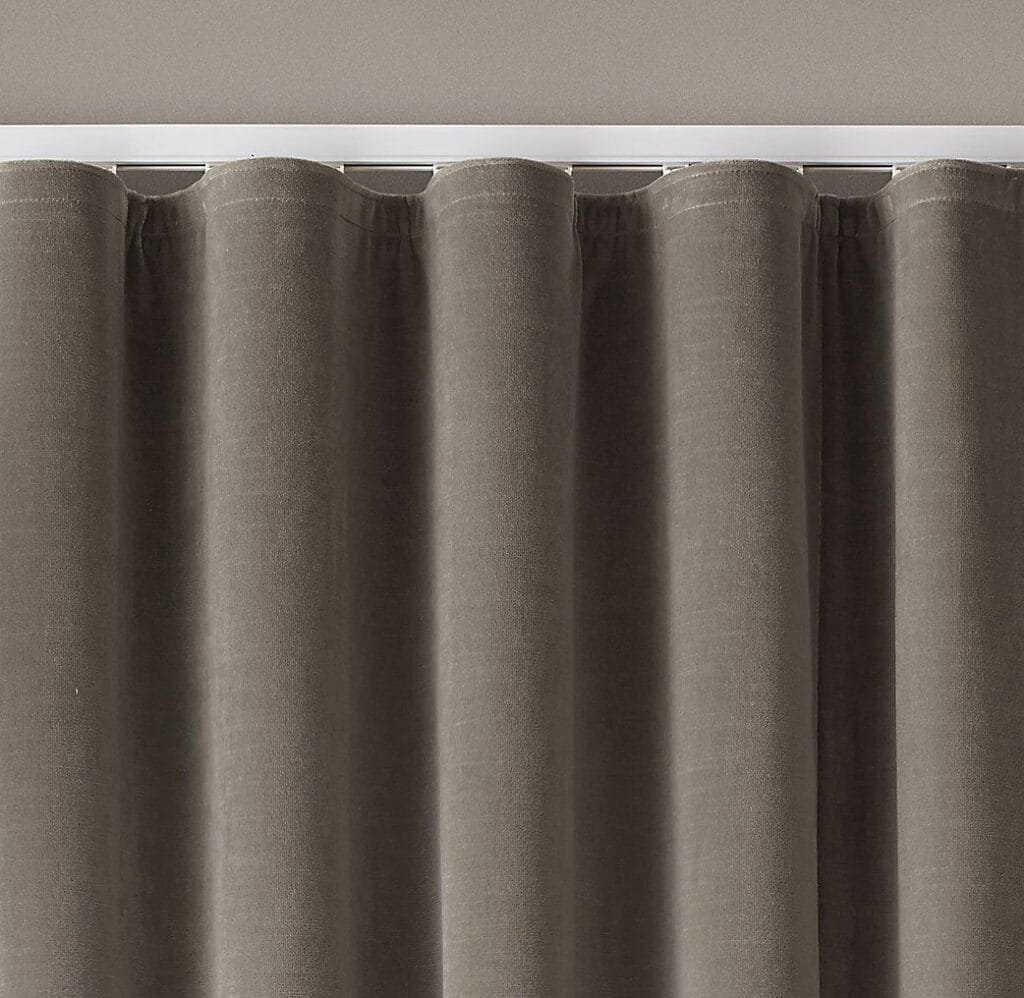
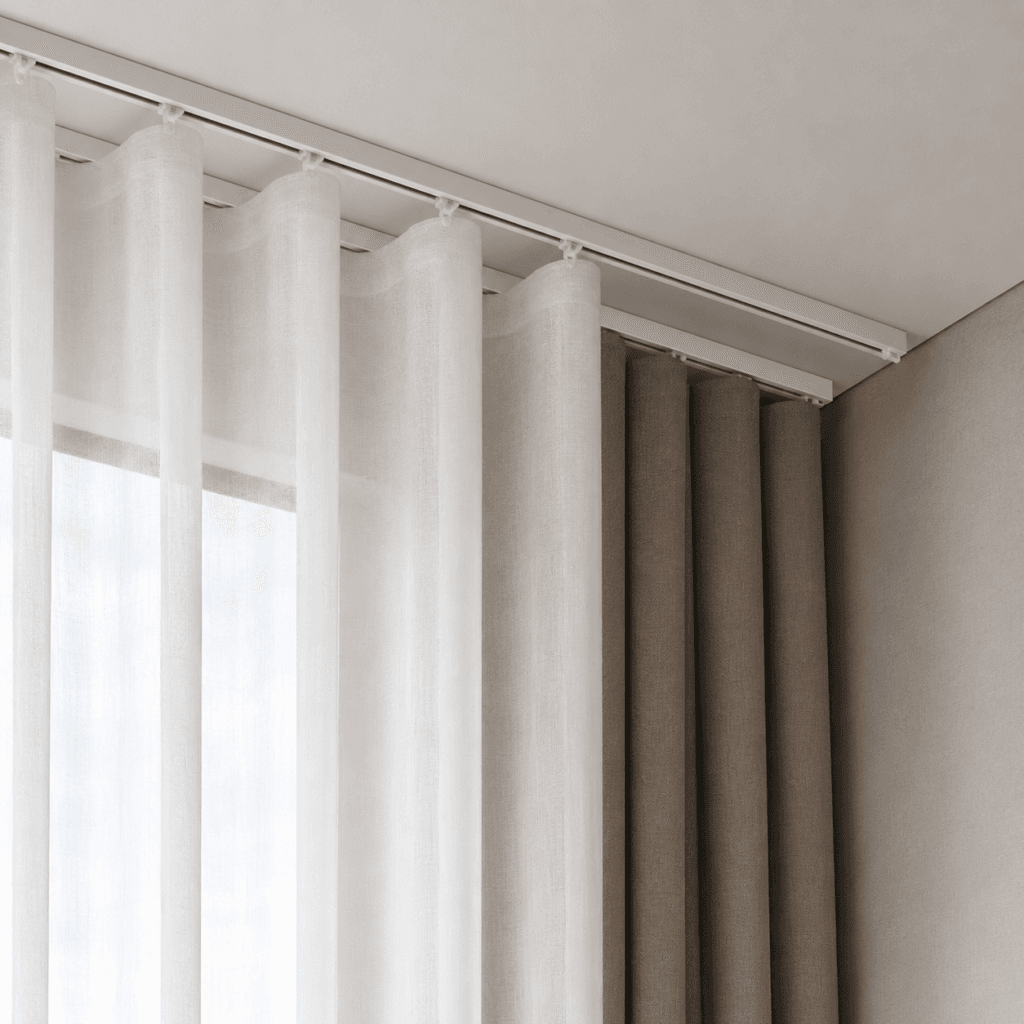
Ripplefold is the trade name popularized by Kirsch in the 1990s and now used widely across North America. The panel runs on a track system using carriers spaced at 8 cm with a snap-tape backing of 12.5 cm width. The result is a continuous, even S-curve from one end of the track to the other — no clips, no rings, no manual training of folds.
The defining production step is industrial heat-setting. After the panel is sewn, it passes through our heat-setting line (3,000 m of fabric per shift), which permanently locks the wave geometry into the polyester or blend fibers. This is why a properly heat-set Ripplefold panel keeps its shape after washing — buyers who skip this step end up with limp, drooping panels within 6 months.
Best fit: hotel guest rooms, modern retail chains, contract design firms. We currently produce Ripplefold for a Toronto retail chain on a recurring quarterly cycle, ~4,000 panels per shipment.
2. S-Fold — The European and Australian Equivalent
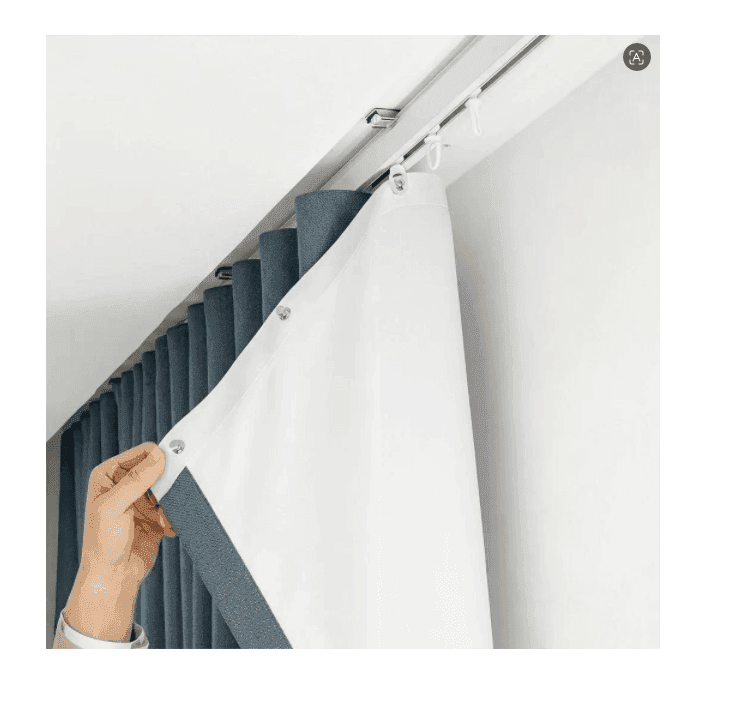
S-Fold and Ripplefold are often spoken of interchangeably, but to a factory they are two configurations of the same construction logic. Where Ripplefold runs 8 cm carrier spacing, S-Fold typically runs 6 cm carrier spacing with a 10.7 cm snap-tape — producing a tighter, more uniform wave that reads as crisper at close range.
The 6 cm spec is dominant in European premium residential and Australian designer projects, where the aesthetic ceiling matters more than fabric efficiency. Tighter spacing also means more fabric per linear meter of track, so S-Fold runs roughly 10–15% more fabric than Ripplefold for the same window width — a real cost difference at scale.
Production-wise, S-Fold uses the same heat-setting line and shape-memory process as Ripplefold. The choice between them comes down to your end market: North American buyers ask for Ripplefold; European and Australian buyers ask for S-Fold; the order goes through the same workstation either way.
3. Pinch Pleat — Single, Double, Triple
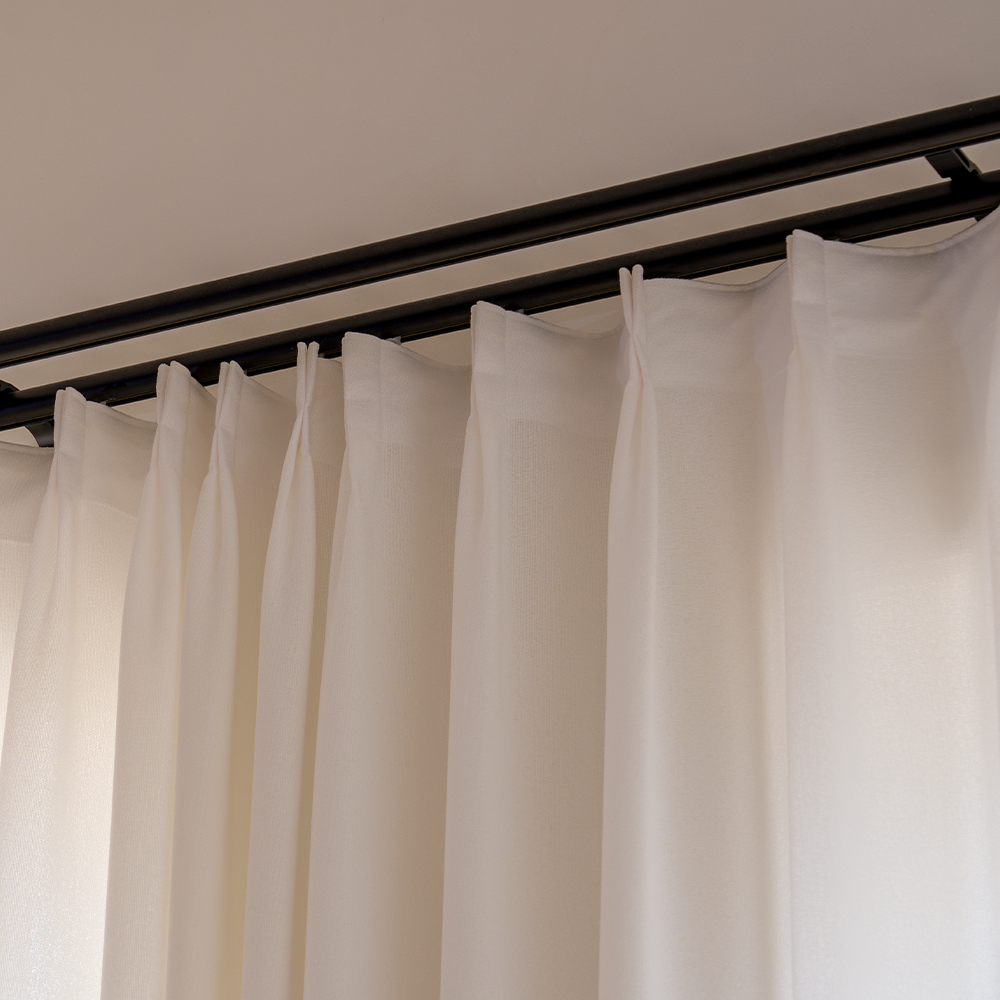
Pinch Pleat is one of the most popular custom heading styles, especially with US and Australian buyers. The pleat is created by pinching fabric at the header into single, double, or triple folds, then bartacking the base of each pleat for permanence.
The fabric multiplier scales with pleat density: Single pleat ~1.5x, Double pleat ~2.0x, Triple pleat ~2.5x the window width. Triple pleat delivers the most formal look but is also the most labor-intensive on a factory line — our pleating workshop bartacks each fold individually, so triple-pleat panels run roughly $1.20–2.00 more per panel than single-pleat in finished cost.
For hotel projects we recommend Triple Pinch Pleat with full heat-setting: in 2022 we shipped a non-heat-set pleated batch to a Middle East hotel, and the pleats softened after the first commercial wash. We don’t ship pleated hospitality orders without heat-setting anymore.
This is also a heading where MOQ trade-offs are real — Pinch Pleat is harder to test at 50-piece trial volumes than Grommet or Tab Top, simply because the manual pleating step has fixed setup time. Trial orders for Pinch Pleat are still possible but pricing per piece runs higher.
4. Wave Top — The Australian and Canadian Favorite
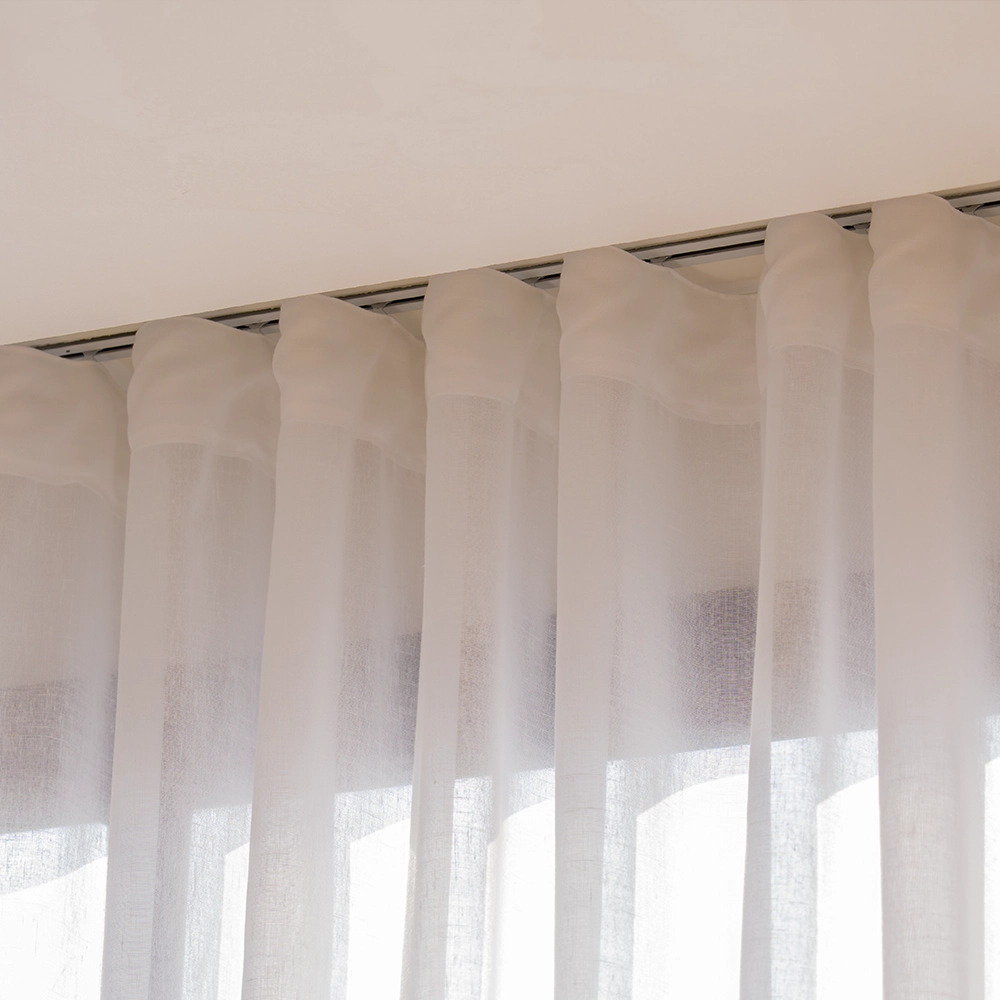
Wave Top sits between Pinch Pleat and Ripplefold in both look and labor. The panel is sewn to a 7.5 cm nylon tape — woven for higher-end orders, non-woven for budget retail — that creates a soft continuous wave when hung on standard track.
It dominates the Australian and Canadian markets, where soft contemporary aesthetics outsell the more formal Pinch Pleat. The construction is forgiving: Wave Top tolerates lighter fabrics (sheers, blends) better than Ripplefold, which sometimes needs added weight at the hem to fall correctly.
From a factory standpoint, Wave Top is one of the easiest custom headings to scale — the tape is sewn in a single pass, no manual pleating, no carrier fitting. This is why we can offer 50–100 piece trial orders on Wave Top with relatively normal per-piece pricing.
Ripplefold, S-Fold, and Wave all depend on the carrier system they hang from. If the project still needs hardware, Dairui supplies matching curtain tracks — Ripplefold- and S-Fold-spec carriers, curved profiles, and motorized options — on the same order as the panels.
5. Grommet / Eyelet — The Global DTC and Dropshipping Standard
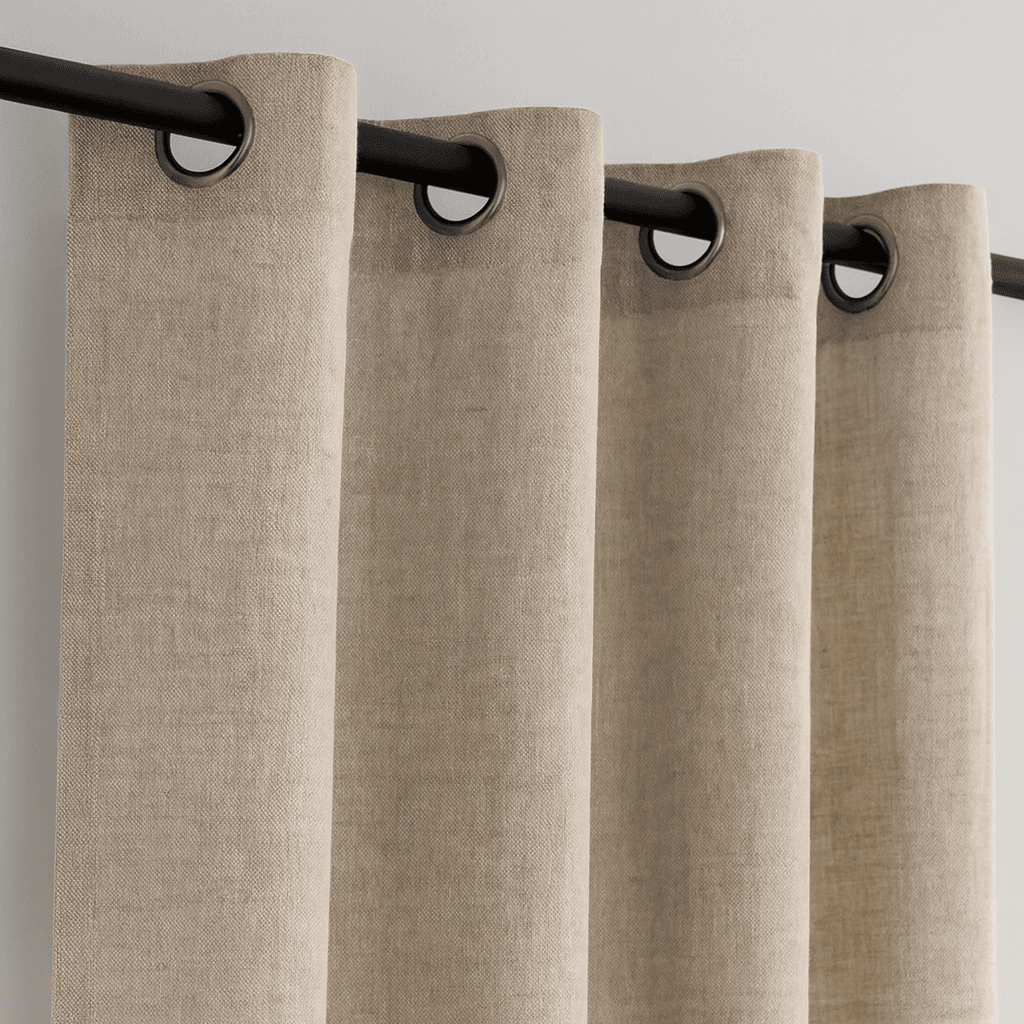
If you sell on Amazon, Shopify, or any DTC channel, Grommet is the heading you ship the most. Standard spec: 4 cm (1.6 in) inner diameter rings, ~15 cm spacing, metal or plastic finish in matched colors.
Grommets work because they’re idiot-proof for the end consumer — the rod slides through the ring, no learning curve, no installation video, no customer-service tickets about “how do I hang my curtains.” That’s why grommets dominate dropshipping: lower return rates, lower support cost, faster reorder cycles.
Production runs through our eyelet puncher — each grommet is heat-pressed through both fabric layers, then quality-checked for ring alignment (a misaligned grommet visibly bunches the fabric at the header). For a 52″ × 84″ panel, that’s typically 8 grommets per panel.
For grommet-vs-pinch-pleat market positioning, see our detailed comparison: Grommet vs Pinch Pleat Curtains — Which Header Style Sells Better.
6. Tab Top — Casual, Decorative, and Surprisingly Detail-Sensitive
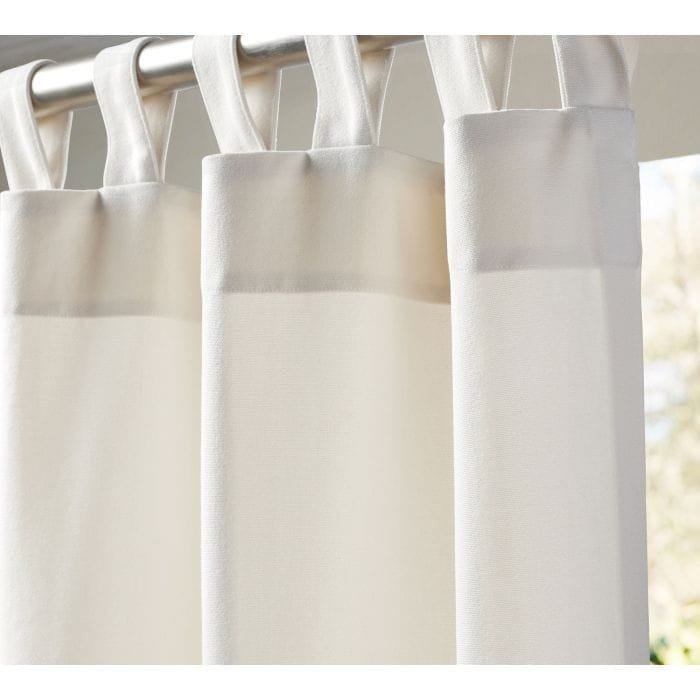
Tab Top reads casual but the construction has more variables than buyers expect. Standard spec: 5–7 tabs per linear meter, tab width 5 cm, tab length 10–14 cm depending on rod diameter.
The detail most factories skip: bartack reinforcement at both tab stress points. Without bartacking, tabs tear out of the panel header within 6 months of regular use — we’ve seen this in returned panels from a 2020 order before we standardized bartack on every tab. Now every tab on every panel goes through the bartack head before final inspection.
Tab Top works for vacation rentals, casual residential retail, and decorative-first applications where the rod is meant to show. It does not work for hotel rooms, where housekeeping pulls panels open hundreds of times a year — the tabs stress out faster than a grommet or ring system.
For a deeper dive on Tab Top construction, sourcing, and B2B-fit decisions, see our full guide: What Are Tab Top Curtains — A Complete Guide for Modern Interiors.
7. Back Tab — Clean Front, Hidden Construction
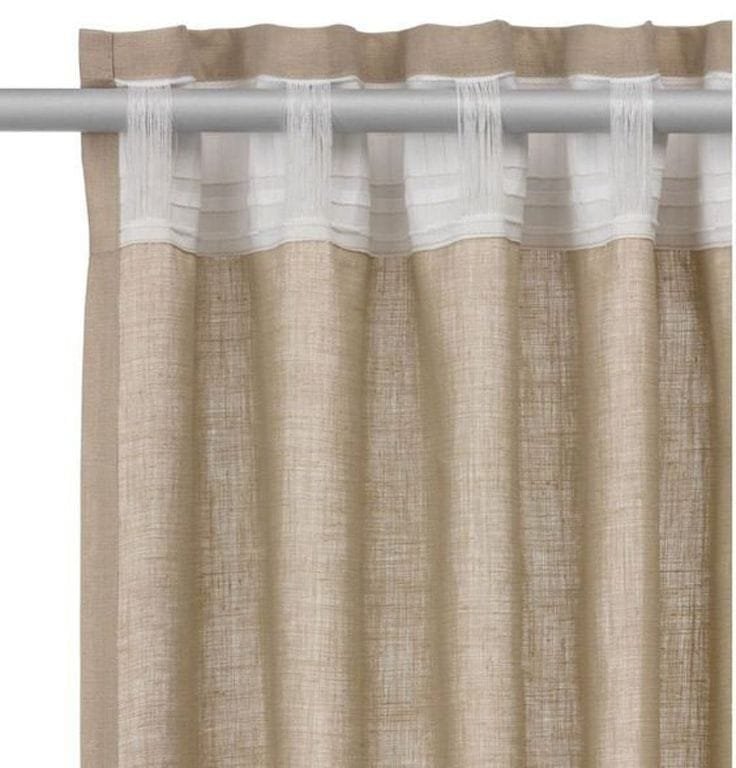
Back Tab is Tab Top’s quieter sibling. The fabric loops are sewn behind the panel rather than in front, hidden from the room view. The rod slides through the same way, but the front of the curtain reads clean — no visible hardware, no decorative tabs.
Spec is similar to Tab Top: tabs spaced ~10 cm, sewn to a fabric reinforcement strip behind the header. The construction shares the same bartack reinforcement requirement — if anything, back tabs need it more, since stress is hidden and damage isn’t visible until the tab fully tears.
Back Tab is a strong fit for residential retail buyers who want “the look of a clean rod-pocket panel that opens easily.” It’s a quieter SKU but stable margin.
8. Pencil Pleat — Available on Request, Mostly UK
Pencil Pleat uses a 3-string draw tape sewn into the header; the consumer manually pulls the strings to gather the panel into tight, narrow folds. It’s a heading we produce on request, but volume has been declining for over a decade.
The honest reasons it’s used less in modern B2B sourcing: (1) consumers don’t want to manually adjust pleats anymore — it adds an installation step that S-Fold and Ripplefold eliminate; (2) DTC channels see higher return rates and customer-service load on pencil-pleat orders; (3) hotels and projects don’t use it at all because string adjustments aren’t housekeeping-friendly.
Where it still sells: UK residential retail and renovation projects targeting traditional aesthetics. We can produce Pencil Pleat to spec, but for buyers wanting a similar dense-pleat look without the manual adjustment, we usually recommend Triple Pinch Pleat or S-Fold instead.
How to Choose: Buyer-Type Decision Matrix
Match heading style to your buyer profile and end market — not to design preference. Here’s how we typically advise B2B buyers depending on their channel:
| Buyer Type / Channel | Recommended Headings | Why |
|---|---|---|
| US/UK DTC dropshippers | Grommet, Rod Pocket, Pinch Pleat (Single) | Standard install, low support load, low return rate |
| European retail wholesalers | S-Fold, Wave Top | Modern aesthetic ceiling, premium positioning |
| Australian retail / interior design | Wave Top, Pinch Pleat (Double / Triple) | Local market preference, soft contemporary look |
| Hotel and hospitality projects | Ripplefold, Pinch Pleat (Triple, heat-set) | Permanent shape memory survives commercial wash cycles |
| DTC private-label brands | Grommet, Back Tab, Tab Top | Lowest installation friction for end consumers |
| UK traditional retail | Pencil Pleat, Pinch Pleat (Triple) | Niche but persistent demand in renovation channel |
Manufacturing Reality: Why We Stock Fabric, Not Finished Curtains
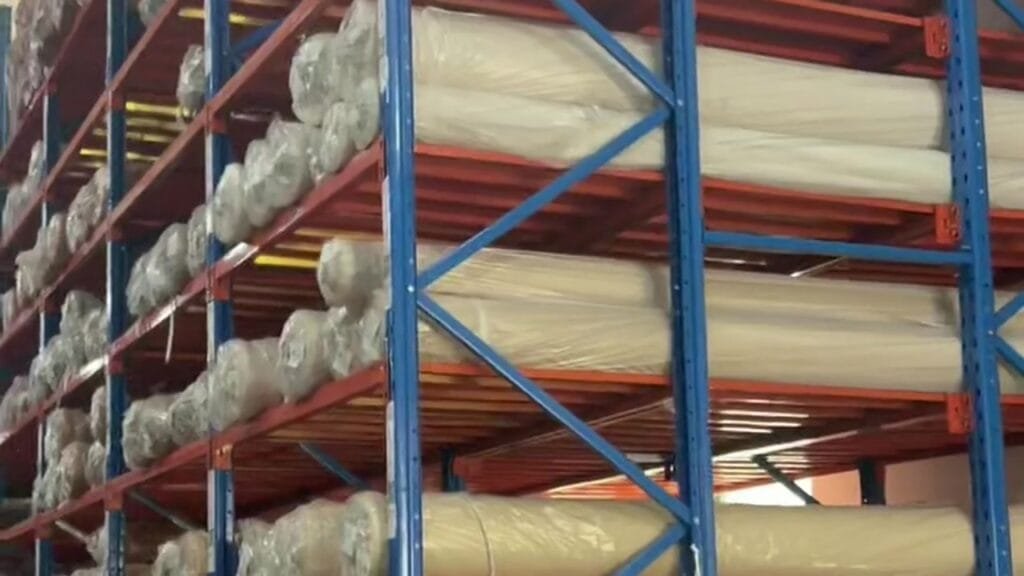
A common misconception about curtain factories: that we keep “in-stock” inventory of every popular SKU — specific fabric × specific size × specific heading style — ready to ship. We don’t. With 8 heading styles, dozens of fabric weights, and the standard size matrix, the SKU permutations run into the thousands. Stocking finished panels that way produces dead inventory, not flexibility.
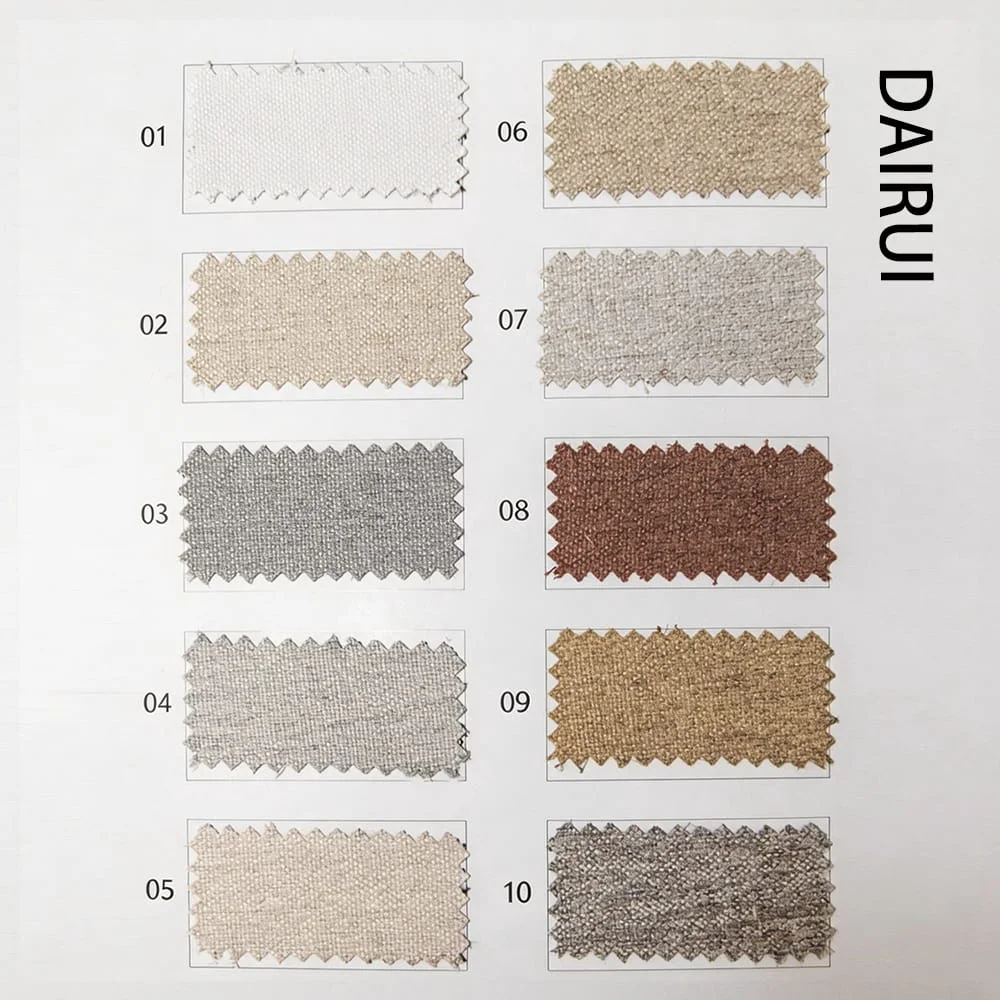
What we do stock is fabric inventory: linen blends, blackout polyesters, sheers, and standard polyester base fabrics in multiple colors and weights, kept in volume in our 10,000 m² facility. When an order comes in — a 50-piece trial of Wave Top, a 4,000-piece reorder of Ripplefold, a 600-room hotel batch of Triple Pinch Pleat — the fabric pulls from the same stock and runs through the cutting room (4 industrial cutters in parallel), then routes to the right heading workstation: pleating machines for Pinch Pleat, eyelet punchers for Grommet, the wave-tape line for Wave Top, the heat-setting tunnel for Ripplefold and S-Fold.
This is the real reason we can quote 50-piece trial orders alongside 40HQ container loads on the same product line — every panel comes from the same fabric stock, just routed through different finishing stations. It’s also why our bulk lead time stays at 30+ days and not “ships next week”: we’re producing your order, not shipping pre-made stock.
Standard Sewing Specs Across All Heading Styles
Regardless of heading style, our default sewing construction is consistent across the line. Side hem: 3 cm standard (4 cm or 5 cm on request). Bottom hem: 7 cm standard (8 cm or 10 cm on request). For premium or hospitality orders, buyers can request full-roll side hem or full-roll header reinforcement — these add labor cost but produce the heaviest, most durable finish for high-traffic use.
Heading-specific finishing layers on top of these defaults: bartack reinforcement on Tab Top and Back Tab; heat-setting on Ripplefold, S-Fold, and Pinch Pleat; eyelet pressing on Grommet; tape-seaming on Wave Top.
For style-specific deep dives, compare grommet vs pinch pleat, tab top curtains, ripplefold vs S-fold, and wave top curtains.
Frequently Asked Questions
What’s the most popular curtain heading style for B2B buyers in 2026?
It depends on channel. For DTC and dropshipping, Grommet still leads by a wide margin because of low installation friction and low return rates. For premium retail and hospitality, Ripplefold (North America) and S-Fold (Europe / Australia) are taking share from Pinch Pleat because heat-setting permanently locks the wave shape. Pinch Pleat remains the dominant choice for traditional US retail and any project where formal aesthetics matter more than ease of installation.
How much fabric does each heading style require?
Approximate fabric multipliers relative to window width: Grommet ~1.5x, Single Pinch Pleat ~1.5x, Wave Top ~2.0x, Double Pinch Pleat ~2.0x, Ripplefold (8 cm carrier) ~2.0x, S-Fold (6 cm carrier) ~2.2–2.3x, Triple Pinch Pleat ~2.5x. These multipliers directly affect material cost — a Triple Pinch Pleat panel runs roughly 65% more fabric than a Grommet panel for the same finished window.
Can the same fabric be made into different heading styles?
Yes — this is how our production model works. We stock fabric inventory, not finished SKUs. The same roll of blackout polyester can be cut and finished as Ripplefold, Grommet, Pinch Pleat, or any of the eight headings depending on order specification. The fabric routes through the cutting room first, then to whichever heading workstation matches the order. This is what allows us to support 50-piece trial orders alongside container-load production on the same fabric line.
Do different heading styles have different MOQ requirements?
Standard MOQ for in-stock fabrics is 200 pieces per style and per color across all heading types. Trial orders from 50–100 pieces are available subject to discussion. The practical exception is heavily manual headings (Triple Pinch Pleat, Pencil Pleat) — these have higher fixed setup labor, so per-piece pricing on small trial orders runs higher than for Grommet or Wave Top. For custom-woven fabrics, the minimum is 800–1,000 meters regardless of heading style.
How does heat-setting affect heading style longevity?
Heat-setting permanently locks the geometry of waves and pleats into the polyester or blend fibers. For Ripplefold, S-Fold, and any Pinch Pleat going to a hospitality project, we treat heat-setting as mandatory. Without it, panels lose their shape after the first few washes — we shipped a non-heat-set pleated batch in 2022 and the issue showed up after first commercial laundering. Heat-setting adds a production step but extends panel useful life from roughly 1–2 years to 5+ years in commercial use.
Which heading styles work best for hotel and hospitality projects?
Ripplefold and Triple Pinch Pleat (both fully heat-set) are the two we recommend for hotels. Both deliver the formal aesthetic that matches hospitality interior standards, and both retain shape across hundreds of housekeeping wash cycles. Tab Top, Pencil Pleat, and Back Tab are not recommended for high-traffic hospitality — the manual or fabric-loop construction wears out faster than ring or carrier systems. Our largest single-installation hotel project was 600 rooms, all delivered in heat-set Triple Pinch Pleat.
Bottom Line for B2B Buyers
Heading style is a sourcing decision more than a design decision. The right choice depends on your channel, your end market, and how much friction your customers tolerate at installation. Grommets win in DTC and dropshipping; Ripplefold and S-Fold win in premium retail; heat-set Pinch Pleat wins in hospitality.
If you’re sourcing curtains for wholesale or private label, we run all eight headings off the same fabric inventory — the difference is in finishing, not in product line.
Explore our OEM/ODM and wholesale services for project-scale orders, private label manufacturing for DTC brands. Need samples first? Request a sample kit, or contact our sourcing desk directly.
Author: DAIRUI Editorial Team · Last reviewed: 2026-05