Bottom line: About 30% of overseas buyers get burned within their first two China curtain orders — usually because they compared prices before defining the product. Lock down 5 specs first: fabric gsm, backing/coating, header style, hem dimensions, packaging. Real factories quote tiered MOQs (50–100 trial / 200 standard / 800–1,000m custom-woven), not “whatever you want.” Account manager tenure matters as much as the factory — look for stable teams with 6+ years on the role.
I’ve been in the curtain business in Shaoxing for 12 years. In that time I’ve watched hundreds of overseas buyers come into China looking for a supplier — and I’ve watched maybe 30% of them get burned within their first two orders. Wrong fabric weight. Color drift. MOQ that doubled after the deposit. Containers that landed with the wrong header style.
The strange thing is, most of those buyers had done their homework. They asked for samples. They negotiated MOQs. They picked factories with nice websites. And they still got burned.
This isn’t a checklist. There are plenty of those — including our own 8-criteria sourcing guide if you want the structured version. What follows is what I’d tell you if you walked into our factory in Yuecheng District tomorrow and asked me, off the record, what most buyers get wrong about finding a real China curtain supplier.
Three Things Buyers Get Wrong Before They’ve Even Sent the First Email
1. They compare prices before they’ve defined the product
The single most common mistake. A buyer sends “I need 1,000 blackout curtains, please quote” to ten factories. They get back ten different prices. Five of them are within 10% of each other. Two are way higher. Three are 30–40% lower. The buyer picks one of the cheap ones.
Here’s what they didn’t know they were comparing: 200 gsm vs 280 gsm vs 320 gsm coated polyester. Black-yarn-woven vs TPU-composite vs 3-layer foam coating. Standard 3 cm side hem vs 5 cm. Polyester thread vs cotton thread. Pinch pleat 1.5x fullness vs 2.5x. Each one of these is a different product. None of them are wrong. But they cost differently — and quality varies wildly between them.
Before you ask anyone for a quote, define five things on paper: fabric weight (gsm), backing/coating type, header style, hem specifications, and packaging. If you can’t fill those in, a “good quote” from any factory means nothing.
2. They confuse “low MOQ” with “flexible factory”
A factory that drops the MOQ from 500 to 100 the moment you push back is not being flexible. It’s signaling that they don’t actually have the production lines, fabric inventory, or QC discipline to run consistent batches at scale.
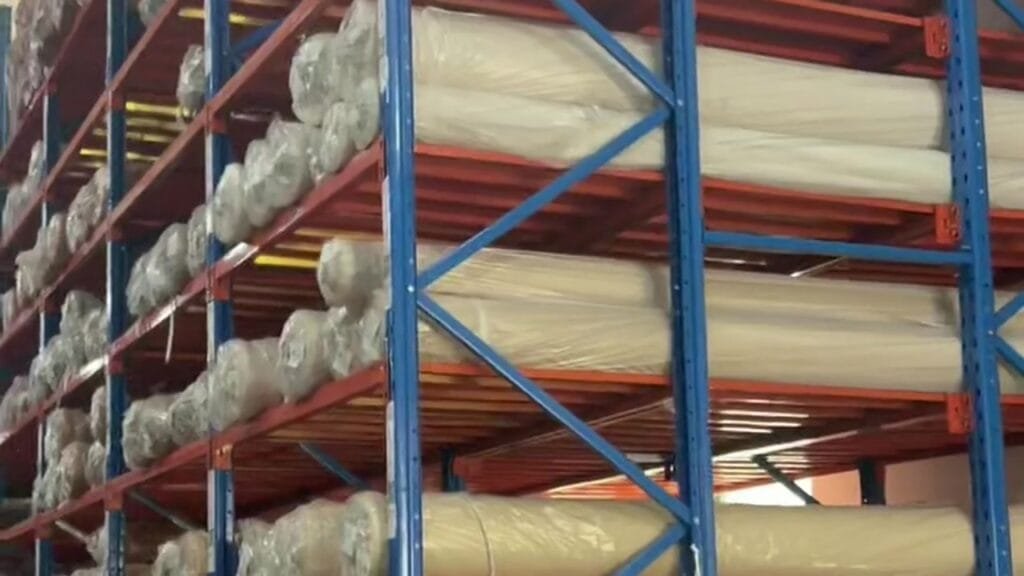
Real factories with their own fabric warehouses have a different math: they can absorb a 50–100 piece trial order from a new customer because the fabric is already in-house and the production line can fit a small run between two larger ones. They’ll typically structure it as “trial 50–100 / standard 200 / custom-woven 800–1,000 meters” — tiered, not negotiable on the fly.
If a supplier says “MOQ is whatever you want,” that usually means they buy fabric from someone else and consolidate small orders. That’s a trading company, not a factory. Doesn’t mean you can’t work with them — just know what you’re paying for.
3. They underestimate how much depends on the people, not the company
The factory you choose matters. But the salesperson assigned to your account matters almost as much. A great factory with a junior salesperson who forgets to flag a fabric substitution will burn you. A mid-tier factory with an experienced English-speaking account manager who’s been there 6+ years will catch problems before they ship.
When you’re vetting suppliers, ask: “Who will be my account manager? How long have they been with the company? Can I have one consistent contact across all orders?” Real factories have stable teams. Trading companies have rotating ones.
How to Tell a Factory From a Trading Company in One 15-Minute Call
Skip the checklist. Just do this: schedule a 15-minute video call and ask the supplier four questions in this order.
- “Walk me through your factory right now on camera.” A real factory’s salesperson can stand up, walk to the production floor, and show you in 30 seconds. A trading company will say “the boss is busy” or “we need to schedule it for tomorrow.”
- “What’s the maximum width of your jacquard loom?” Pick a technical spec — max cutting width, max sewing machine bed. If you get vague answers or “I’ll check with the factory,” they’re not the factory.
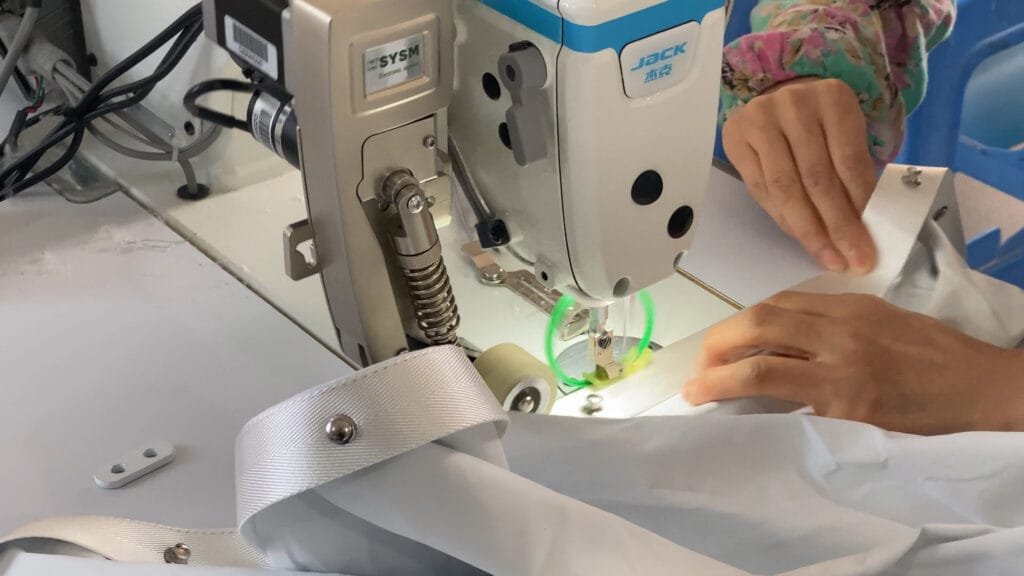
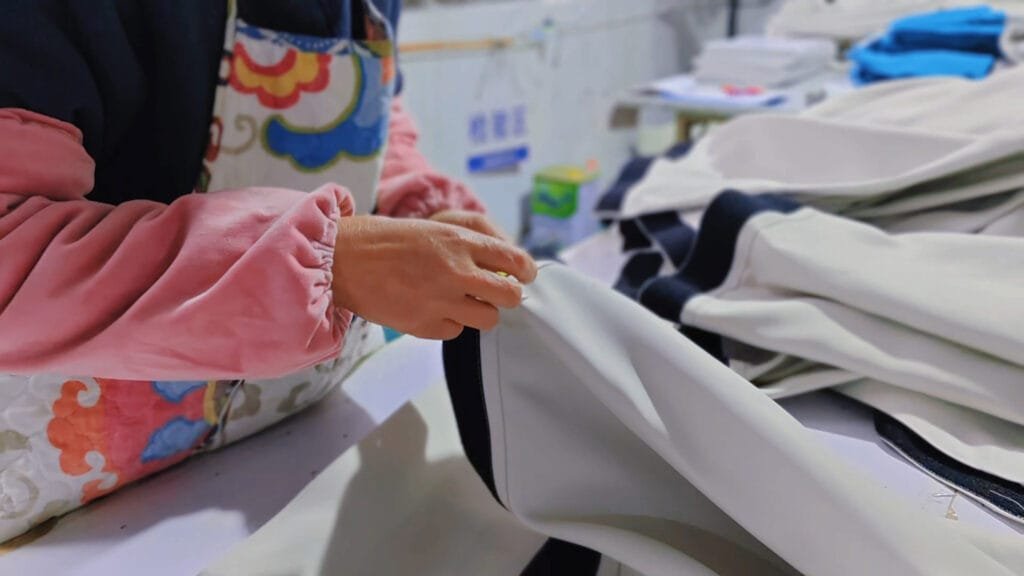
- “What’s your in-line QC inspection ratio during sewing?” Real factories say something like “100% in-line check after sewing, plus 10% pre-shipment random audit.” Vague answers mean no formal QC.
- “How much linen-look polyester do you have in stock right now?” Specific numbers (e.g., “around 8,000 meters of 230 gsm in stock”) mean they own the inventory. “We can get whatever you need” usually means they don’t.
Four questions, 15 minutes, no fancy verification needed. You’ll know.
The Pricing Conversation Most Suppliers Won’t Have With You
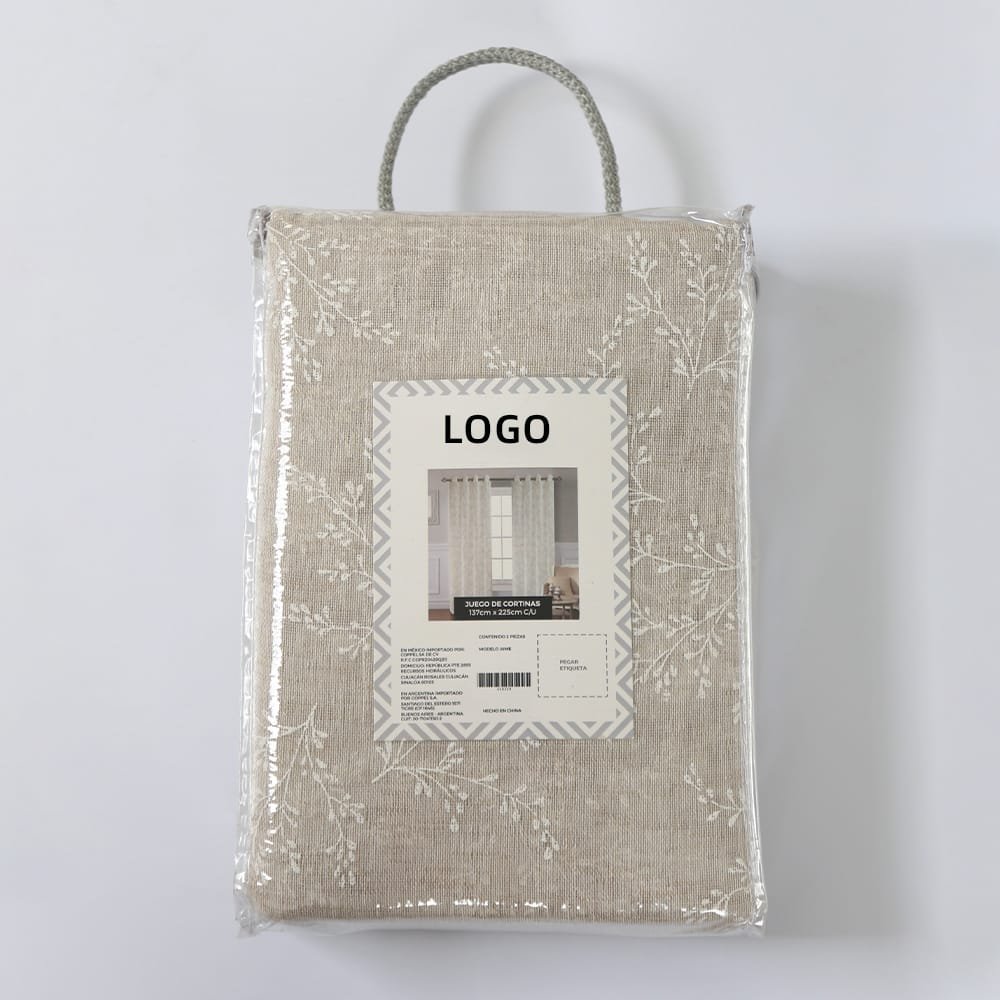
Here’s a number range that’s useful: factory-direct prices in Shaoxing for standard blackout curtains in 2026 typically sit between $4.50 and $14 per panel FOB Ningbo, depending on gsm, finishing, and order size. Under $4.50, expect fabric substitution somewhere. Over $14 without a custom fabric or hand-finishing reason, you’re paying a markup.
The reason most factories won’t tell you this directly is simple: published price ranges hurt their negotiation room. But if you’re a serious B2B buyer, the range is the range. The trick is matching the price to the spec — and asking the factory to show you exactly what changes between a $5 panel and an $8 panel from their own production line.
Functional add-ons cost more — worth knowing the rough numbers: FR treatment (NFPA 701 compliant) typically adds $0.40–0.80 per curtain. Inherently FR (IFR) polyester adds $1.20–2.50 because it’s woven from the yarn level, not surface-treated. Waterproof finish, thermal lining, blackout coating — each has its own cost. Ask for the line-item breakdown, not just the total.
What We Actually Manufacture at Dairui
If you’re trying to scope whether a factory can handle your project, here’s what 12 years of curtain production looks like in our facility — organized by how buyers usually ask for it.
By function
- Blackout curtains — coated, composite (TPU/foam), and physical woven black yarn; 200–400 gsm range
- Sheer curtains — voile, linen-look, chiffon, lace, and net at 85–110 gsm
- Room darkening (70–90% light reduction, not full blackout)
- Flame retardant — both NFPA 701 surface treatment and inherent FR fiber options
- Waterproof shower curtains and outdoor curtains
- Thermal-insulated curtains with brushed microfiber or foam-coated backing
By material
- Polyester (the workhorse — most versatile, best for DTC and wholesale)
- Velvet, 180–280 gsm with optional blackout backing up to 400 gsm
- Faux linen (polyester engineered to drape like 200 gsm Belgian linen)
- Linen-poly blends for premium retail positioning
- Cotton (limited customization — better for specialty boutique orders)
- Recycled polyester (RPET) for eco-conscious brands

By project type
- Hotel curtains — guest room blackout, sheer overlay, FR-compliant for hospitality projects up to 600 rooms in a single installation
- Healthcare and hospital curtains — cubicle, washable, antimicrobial finish on request
- Restaurant and cafe — both decorative and functional partitions
- Wedding and event draping — sheer ceiling drape, backdrop, photo-ready
- Outdoor and patio curtains — UV-stable solution-dyed polyester
Customization dimensions
- Custom dimensions — any width and drop length
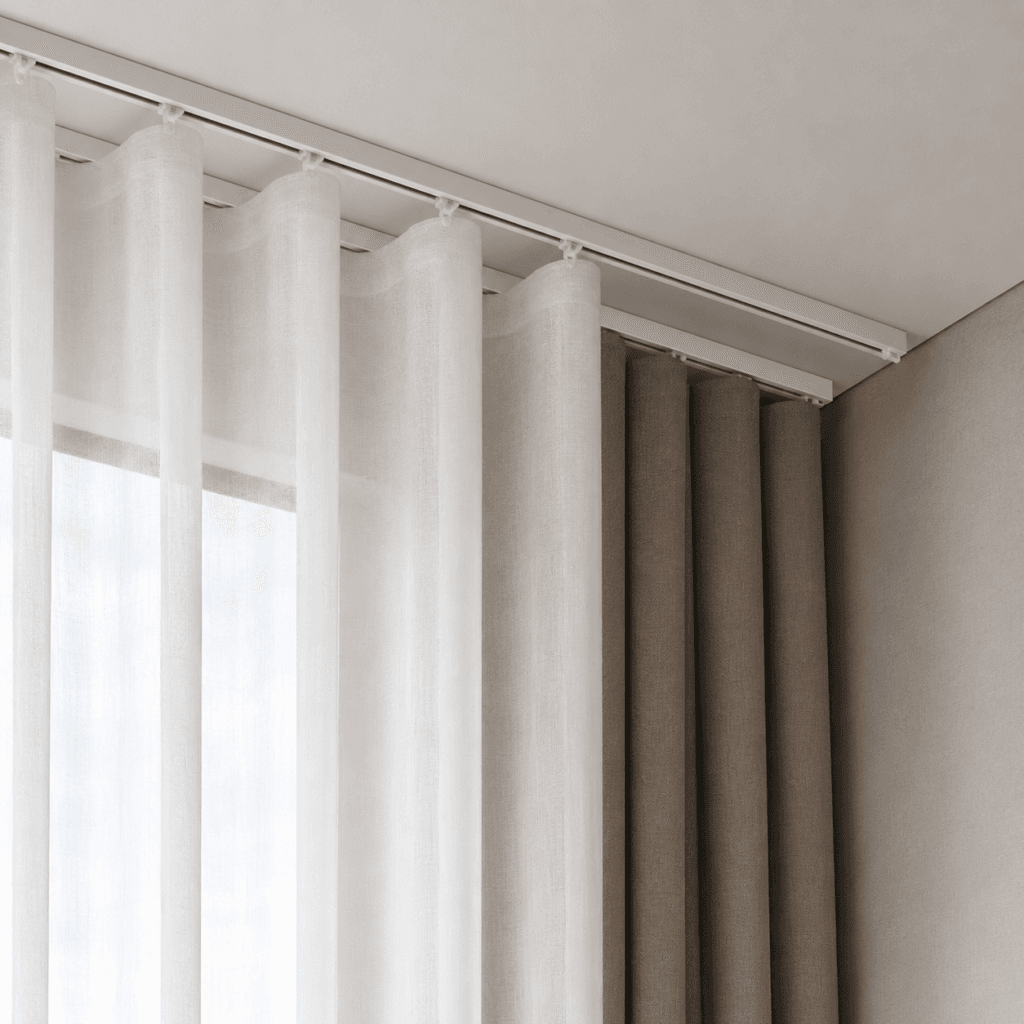
- Header styles — Ripplefold (8 cm pitch), S-Fold (6 cm pitch), Pinch Pleat single/double/triple, Grommet, Tab Top, Back Tab, Rod Pocket, Pencil Pleat, Wave Top
- Custom printing — digital print, jacquard, embroidery, foil stamping
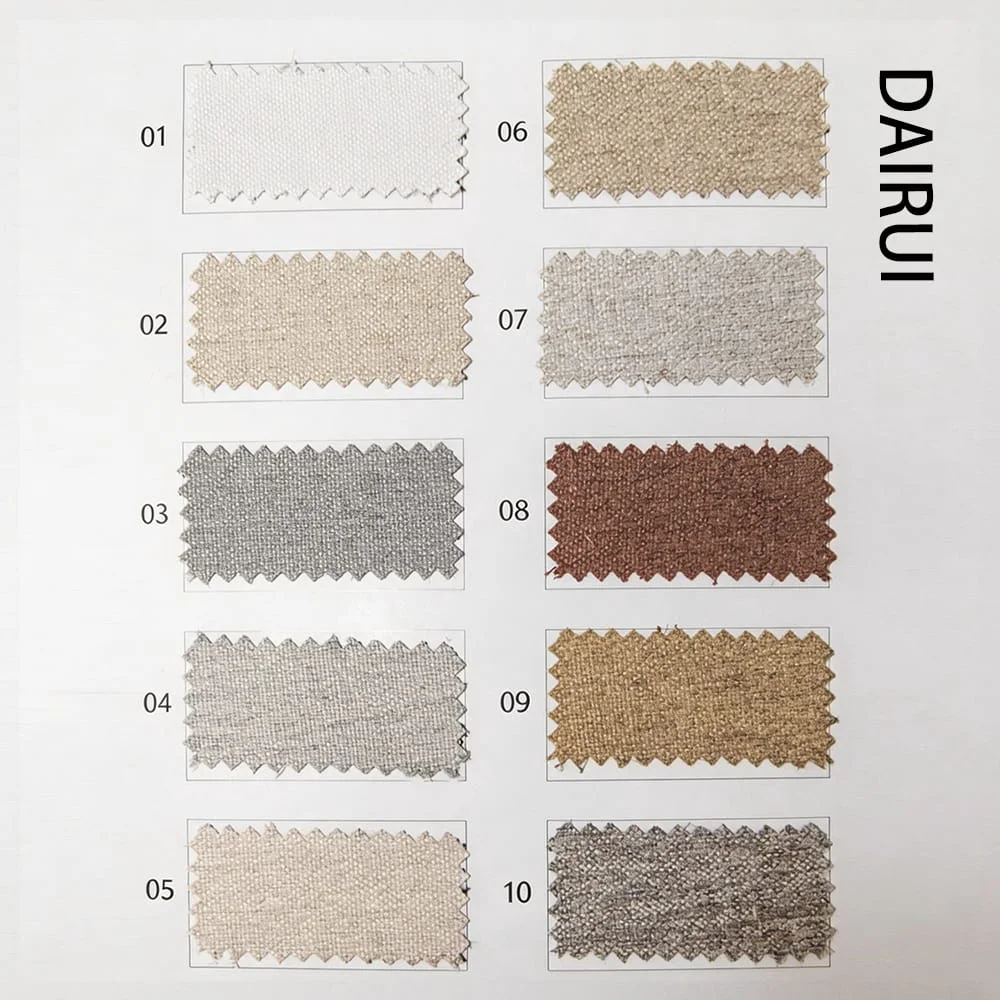
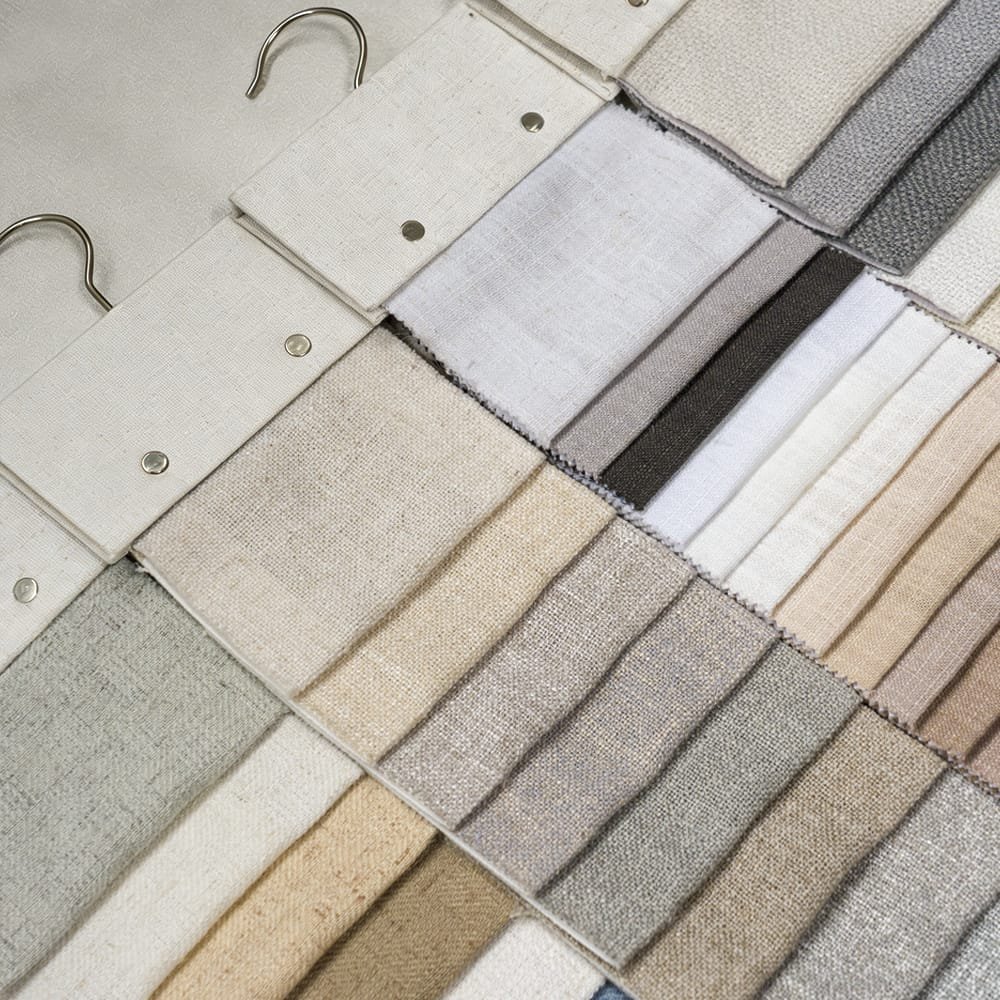
- Custom color matching to our color card or your reference swatch (lab dip available)
- Private label packaging — hangtags, polybag printing, insert cards, FNSKU-ready for Amazon FBA
For full service scope, see our OEM/ODM & Wholesale Manufacturing page or, if you’re building a DTC brand, our Private Label service.
Six Red Flags I See Every Month
After 12 years, the patterns are predictable. When a buyer comes to us after being burned, it’s almost always one of these:
- The MOQ kept dropping. The supplier started at 1,000, then 500, then 200 when the buyer hesitated. By the time they hit 100, the supplier had clearly never planned to manufacture in-house.
- “We can match any fabric, any color.” No factory can. Even Shaoxing factories with 8,000+ fabric SKUs in stock have gaps. Honest factories will say “we can match this but not that — here’s why.”
- The address Google Maps doesn’t recognize. Or the address is a residential building. Or there are no satellite photos of the facility. Real factories show up in industrial parks.
- Price 30%+ below market. Someone’s cutting corners. Usually it’s fabric substitution at the last minute — the buyer paid for 280 gsm and got 220 gsm. The buyer doesn’t know until customer reviews start coming in.
- “No need for samples, we already know the product.” Either they’re trying to rush the deposit, or they don’t have the sampling capability. Either way, walk away.
- The salesperson works hours that don’t match the factory. If your contact replies at 11pm China time and never on weekends, they’re probably a one-person trading shop, not someone embedded in a factory team.
What a 12-Year Relationship Actually Looks Like
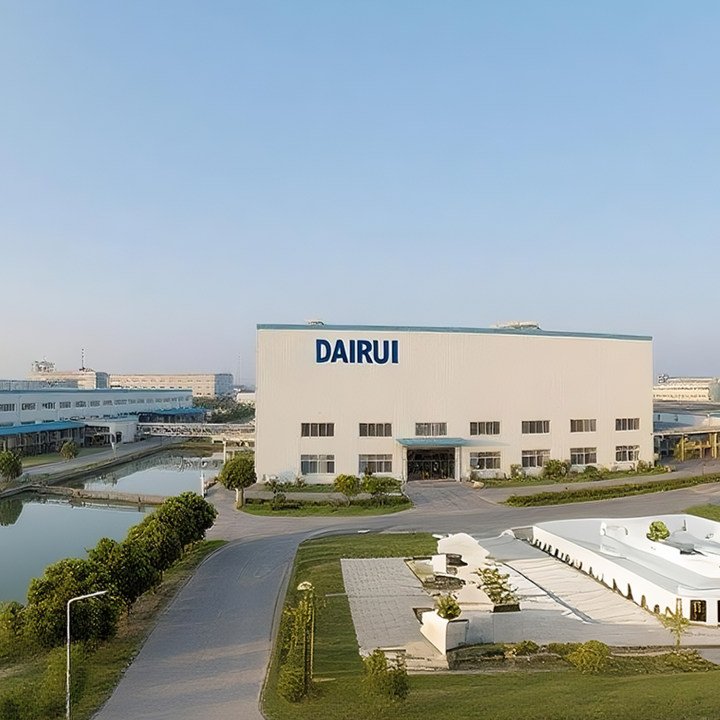
We have customers we’ve been shipping to for nine, ten, eleven years. None of those relationships started with the cheapest quote. They started with a 100-piece trial order, an honest conversation about what could and couldn’t be done, and a track record built one shipment at a time.
One of our Canadian customers — a retail chain with 100+ stores — first contacted us in 2017 for a 200-piece sheer trial. They’re now ordering 4,000–6,000 pieces a month across 8 SKUs, with consistent recurring shipments to a centralized distribution center. The thing they value most isn’t price. It’s predictability — knowing the next container will match the last one, and the one before that.
That’s the test of a real China curtain supplier. Not whether they answer your inquiry quickly. Not whether they sent the best-looking quote. Whether, three years from now, your tenth order looks identical to your first one — except a little better, because they’ve learned your business.
If You Want to Talk to Us
We’re not the right supplier for every buyer. If you need 50 pieces a year of bespoke hand-loomed cotton from Rajasthan, we can’t help. If you need 5,000 pieces a month of consistent-quality polyester with private label packaging, English-speaking account management, and FOB Ningbo logistics — that’s what we’ve been doing for 12 years.
The fastest way to find out if we fit is to request samples of any fabric series you’re considering. We’ll send swatches, you’ll feel them, and you’ll have your answer before any conversation about prices. Or, if you want to discuss a specific project directly, contact us with your target SKU, volume, and timeline.
Last reviewed: May 2026 · DAIRUI Editorial Team · Written from inside a Shaoxing curtain factory, Yuecheng District, Zhejiang Province.