Bottom line: A pre-shipment inspection (PSI) is a quality check on your finished curtains before they ship and before you pay the balance. It uses AQL – an Acceptable Quality Limit standard – to inspect a random sample and accept or reject the lot on a defined defect count. For home textiles, common limits are roughly AQL 2.5 for major defects and 4.0 for minor. Inspect when goods are 80-100% produced and packed, check workmanship, dimensions, color, and packaging, and tie the result to your 70% balance payment for real leverage.
What a Pre-Shipment Inspection Is
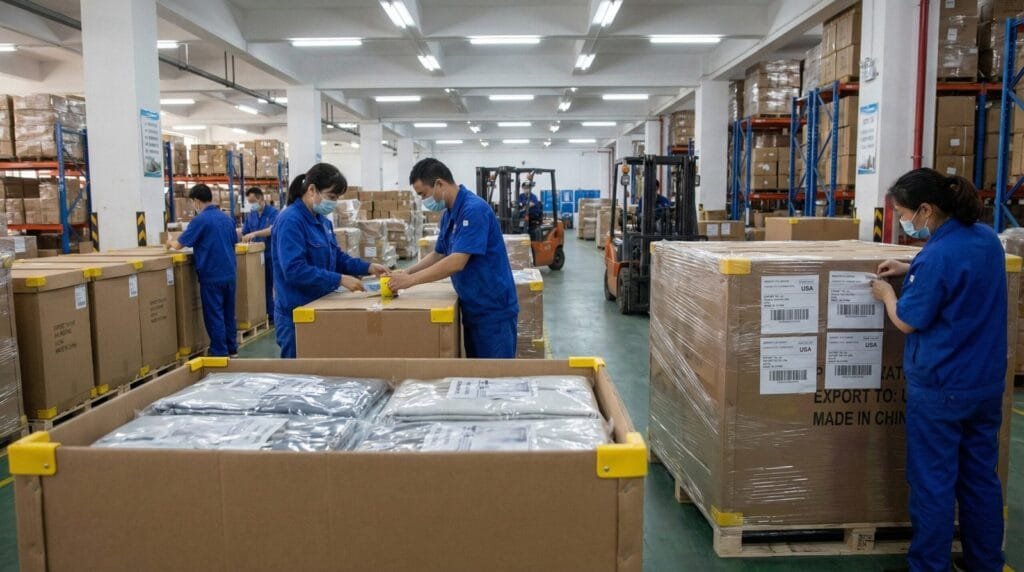
A pre-shipment inspection is a structured check of the actual finished goods near the end of production – not a promise, a sample from months ago, or a photo. It confirms that what is about to leave the factory matches what you ordered, while you still have the leverage of an unpaid balance. It can be run by the factory’s own QC team, by you, or by a third-party agency you hire.
The point is timing. Catch a problem at PSI and the factory fixes or remakes it before shipping; catch it after the container lands and you are arguing across an ocean with the money already paid. A PSI is the last, cheapest moment to say no.
What AQL Actually Means
AQL – Acceptable Quality Limit – is the international standard (ISO 2859 / ANSI Z1.4) for inspecting a batch without checking every piece. Instead of 100% inspection, the inspector pulls a random sample whose size is set by the lot quantity, then sorts any faults into three classes and compares the count to the agreed limit:
- Critical defects: safety or compliance failures – zero tolerance.
- Major defects: faults a customer would notice and reject – common limit around AQL 2.5.
- Minor defects: small flaws unlikely to affect a sale – common limit around AQL 4.0.
A lower AQL number means stricter acceptance. If the sample’s defect count is at or below the limit, the lot passes; above it, the lot fails and the factory reworks or resorts it. Agree the AQL levels in writing before production, so pass or fail is a number, not a debate.
What an Inspector Checks on a Curtain Order
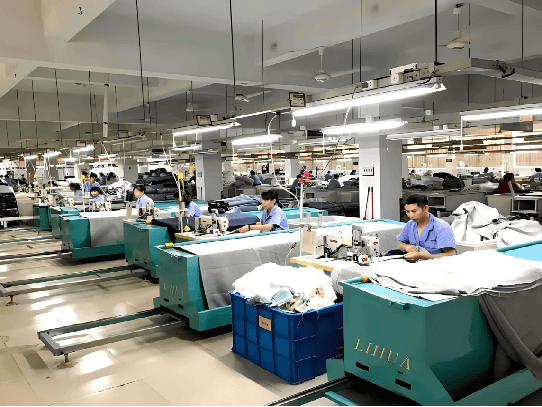
A curtain-specific inspection goes well beyond a defect count. A thorough PSI covers:
| Check | What is verified |
|---|---|
| Quantity | Pieces packed match the PO and packing list |
| Workmanship | Stitching, seams, hems, header tape, no loose threads or puckering |
| Dimensions | Width, drop, and tolerance against spec |
| Color | Matches the approved swatch / standard, consistent across the lot |
| Fabric | No flaws, runs, stains, weave or print defects |
| Hardware | Grommets, hooks, rings, eyelets secure and aligned |
| Packaging & labels | Polybag, carton, barcodes, care and content labels correct |
| Documents | FR or test certificates and per-batch reports where required |
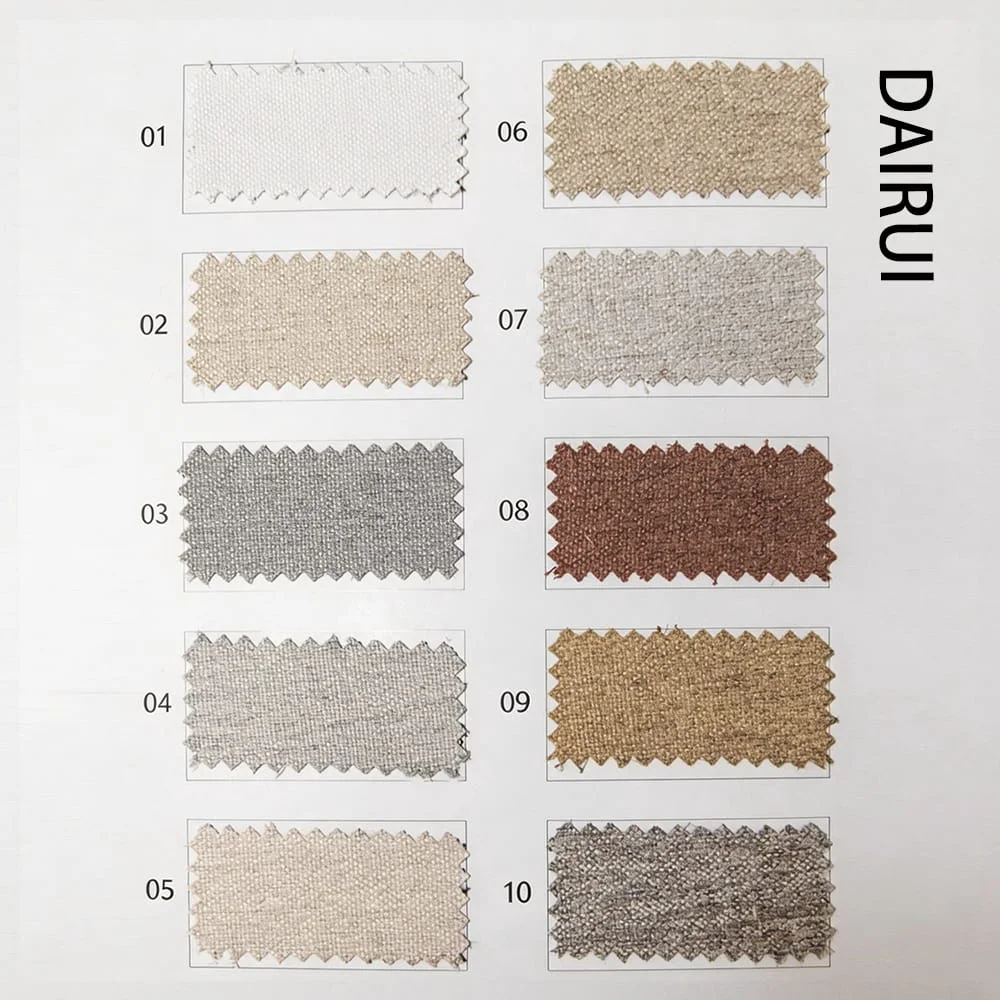
For curtains, workmanship, dimensions, and color matching are where most rejects come from – which is why a clear approved sample and a written dimension tolerance matter so much. Color is judged against your retained standard, the same discipline that governs dye-lot consistency on reorders.
When to Inspect, and Who Does It
Timing and ownership both matter:
- When: run the PSI when the order is 80-100% produced and at least 80% packed. Too early and there is nothing to inspect; too late and there is no time to rework before the ship date.
- Who: the factory’s QC, your own staff, or a third-party agency (SGS, Intertek, or a sourcing agent). Third-party inspection typically runs about $100-300 per man-day and gives an independent report – worth it for larger or first-time orders.

Manufacturers also run their own QC. At Dairui, volume orders get statistical sampling and DTC or custom orders get 100% inspection – but your own or a third-party PSI is still the independent confirmation that protects you, especially on a first order with a new supplier. The two are complementary, not redundant.
How a PSI Protects Your Balance Payment
This is where inspection earns its cost. The standard wholesale term is 30% deposit, 70% balance before shipment – and the PSI sits right before that 70%. A passing inspection releases the balance; a failing one pauses it until the factory reworks the goods. Pay the balance before inspecting and you have surrendered your only leverage. Inspection timing also sits inside the production schedule — see our curtain lead time breakdown for where QC lands in the 25-30 day window.
So sequence the order deliberately: book the inspection, get the report, then release the balance against a pass. Our guide on how to place a wholesale curtain order from China shows where the inspection slots into payment terms and Incoterms, and the curtain fabric manufacturer guide covers vetting the supplier before you ever reach this stage.
Frequently Asked Questions
What is a pre-shipment inspection for curtains?
It is a quality check on the finished curtains near the end of production, before shipment and before the balance payment. An inspector verifies quantity, workmanship, dimensions, color, fabric, hardware, and packaging against your order, and accepts or rejects the lot using an AQL standard. It is your last chance to catch defects before the goods leave China.
What is AQL in quality inspection?
AQL (Acceptable Quality Limit) is the ISO 2859 / ANSI Z1.4 standard for inspecting a random sample instead of every piece. Defects are sorted into critical, major, and minor, and the count is compared to agreed limits – commonly AQL 2.5 for major and 4.0 for minor on home textiles. At or below the limit passes; above it fails.
When should a curtain order be inspected?
Inspect when the order is 80-100% produced and at least 80% packed. That gives a representative sample of finished, packed goods while still leaving time for the factory to rework anything that fails before the ship date. Inspecting too early or too late both undercut the purpose.
Who carries out the inspection?
It can be the factory’s own QC team, your own staff, or an independent third-party agency such as SGS or Intertek. Third-party inspection runs roughly $100-300 per man-day and provides an unbiased report, which is especially valuable on a first order with a new supplier.
What defects do curtain inspectors look for?
Workmanship faults (loose stitching, uneven hems, puckering), wrong dimensions, color mismatch against the approved standard, fabric flaws or stains, insecure grommets and hardware, and incorrect packaging or labeling. On curtains, workmanship, size tolerance, and color are the most common reasons a lot is rejected.
How does inspection protect my payment?
Wholesale terms are usually 30% deposit and 70% balance before shipment, with the inspection placed right before the balance. A pass releases the 70%; a fail holds it until the factory reworks the goods. If you pay the balance before inspecting, you lose the leverage that makes inspection effective.
Bottom Line
A pre-shipment inspection is the cheapest insurance in the whole order: a structured, AQL-based check of the finished curtains while you still hold the balance payment. Agree the AQL levels and dimension tolerance in writing, inspect at 80-100% packed, verify workmanship, color, and packaging against an approved standard, and release the 70% only against a pass. Whether the factory, you, or a third party runs it, the inspection is what turns “trust me” into a verified, documented spec before a single carton ships.
Last reviewed: 2026-06. Author: DAIRUI Sourcing Desk.