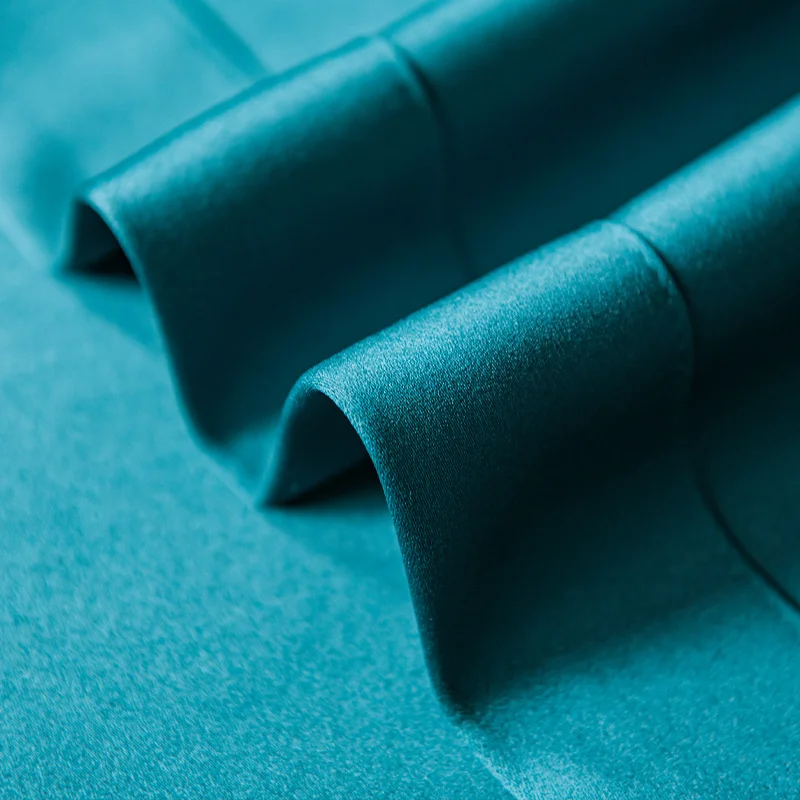
Silk Curtains for Elegant Interiors – Fabric Tips & Styles


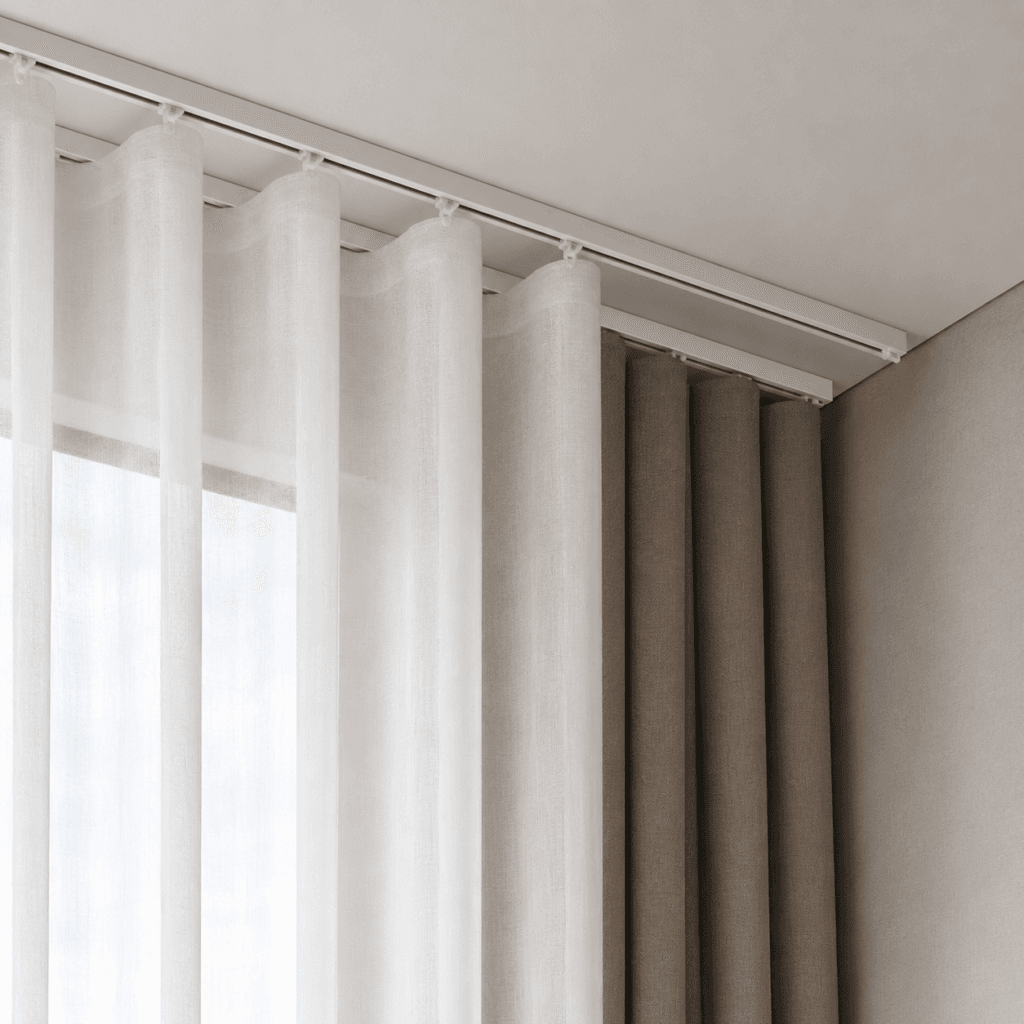
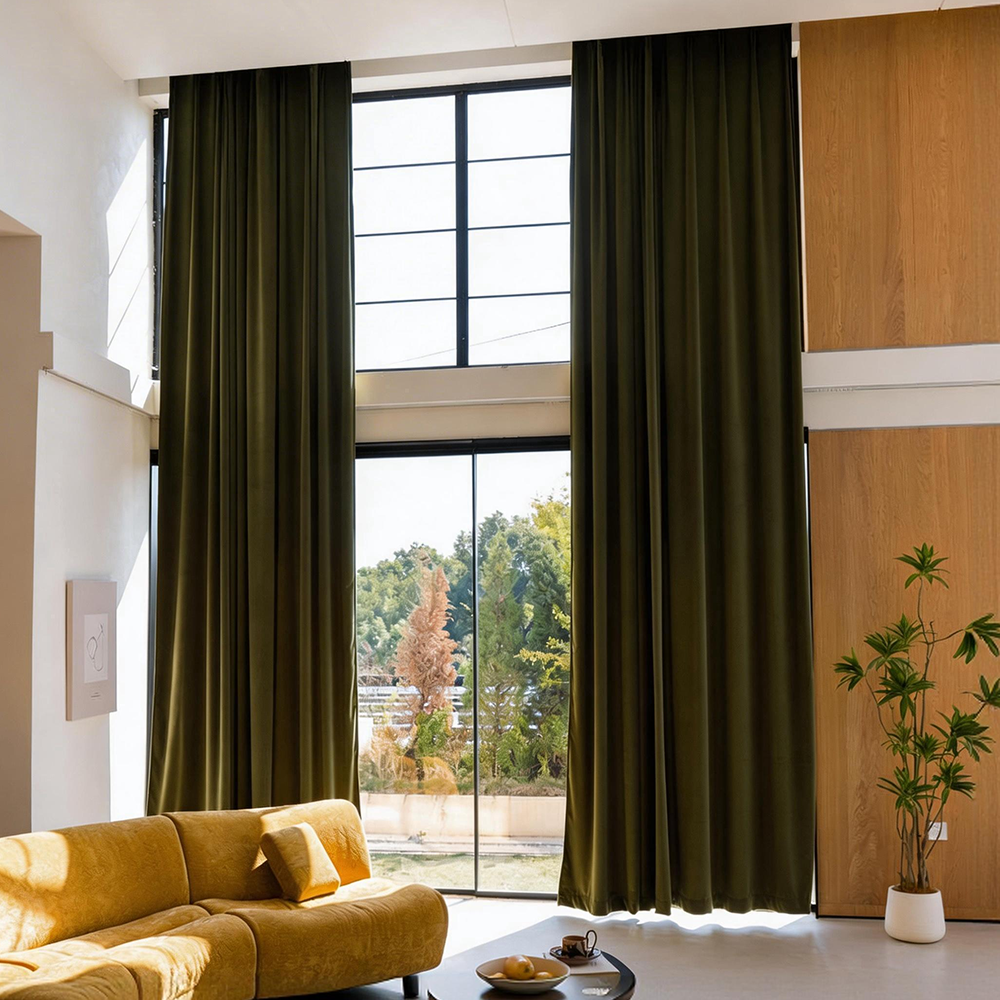
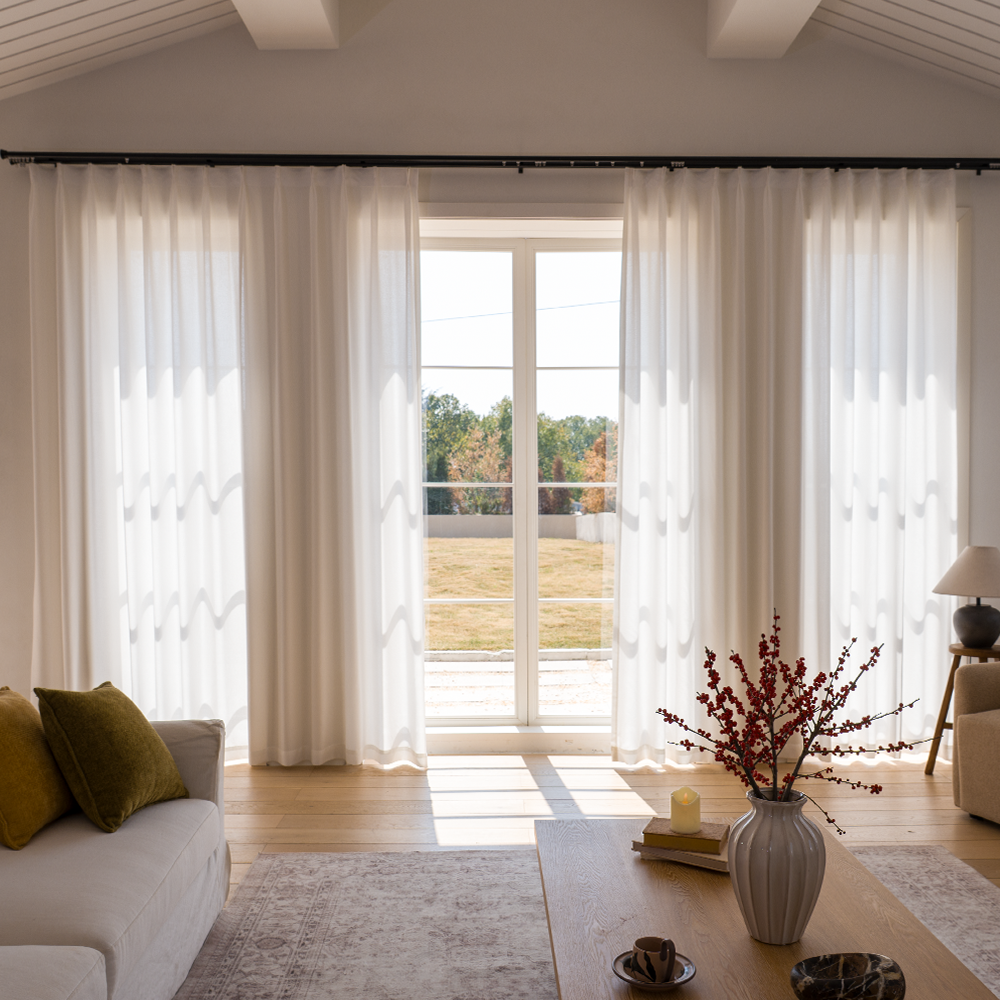
Elegant silk curtains in living room

What makes silk curtains special

Silk curtains bring a level of refinement that few other fabrics can match. With their natural sheen, fluid drape, and luxurious texture, they instantly elevate interiors—especially formal living spaces and master bedrooms. More than just a visual upgrade, silk has impressive insulating properties, helping moderate indoor temperatures by reducing heat gain in summer and retaining warmth in cooler months :contentReference[oaicite:5]{index=5}.

Advantages of silk curtains

  • Elegant sheen and drape: Silk reflects light beautifully and folds softly, creating a rich, upscale feel :contentReference[oaicite:6]{index=6}.
  • Strong natural fiber: Silk is surprisingly durable compared to its delicate appearance :contentReference[oaicite:7]{index=7}.
  • Vibrant, long-lasting color: Silk absorbs dyes deeply, offering vivid shades that stay radiant over time :contentReference[oaicite:8]{index=8}.
  • Good insulation: The dense weave and natural properties of silk help reduce energy loss :contentReference[oaicite:9]{index=9}.

Considerations before choosing silk

  • If sunlight is strong, add lining: Silk fades under UV exposure and needs lining or UV protection :contentReference[oaicite:10]{index=10}.
  • High-maintenance fabric: Silk wrinkles and stains easily—professional dry cleaning is often needed :contentReference[oaicite:11]{index=11}.
  • Costlier than common fabrics: Luxury comes at a price—budget realistically when planning orders :contentReference[oaicite:12]{index=12}.

Silk fabric varieties to offer

Silk isn’t one-size-fits-all. Options range from smooth satin to textured raw silk. Raw silk, for instance, uses shorter fibers, giving it a subtle, nubby texture and more casual elegance :contentReference[oaicite:13]{index=13}. For high-end projects, you might stock both heavy dupioni weaves and lighter charmeuse styles to suit different uses and price levels.

Header styles that enhance silk curtains

  • Pinch pleat: Provides a tailored and formal look—perfect for silk.
  • Grommet: Adds a modern, sleek touch and smooth movement.
  • Tab top: Works well for more relaxed or artistic interior styles with thinner silk types.

Color and design trends

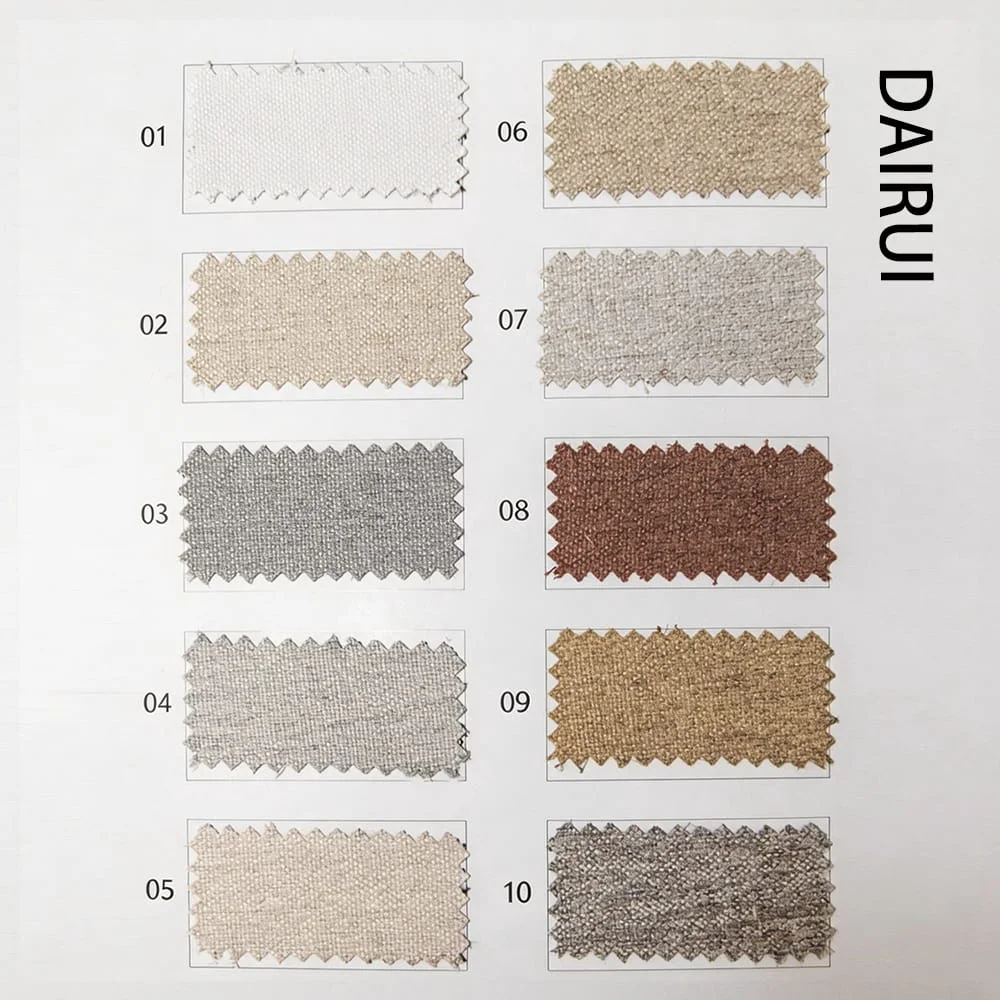
Silk offers deep, rich hues—emerald, burgundy, gold, and navy are popular for dramatic interiors. Neutral tones like ivory or muted metallics suit lighter, minimalist styles. Patterned silk—such as brocade or subtle jacquard—adds depth but requires complementary simplicity in furnishings.

Sizing and finishing standards

Width (per panel)LengthPack Style
132–150 cm240 cm / 260 cm2 panels per pack
150+ cm (wide or extra-long)Custom lengthsSingle panel; upscale SKU

Recommend a generous width—1.5x to 2x the window width—for a full, luxurious gather that feels balanced and elegant :contentReference[oaicite:14]{index=14}.

Care and display tips for silk curtains

  • Hang silk curtains with soft rods or rings to avoid snags.
  • Steam rather than iron directly to reduce crease damage.
  • Rotate panels occasionally to minimize sun exposure on one side.
  • Use sheer liners behind silk to protect from UV and extend lifespan.

How to position silk curtains in your product line

Silk curtains should be your premium option—position them as the high-end tier above cotton or linen. Offer bundles with lined versions for light control, along with swatches for designers. Consider offering limited seasonal tones—emerald or rose gold, for example—to refresh interest without revamping your core silk range.
Sourcing Silk Curtains: What the Numbers Look Like

Pure silk curtains wholesale from China typically run $18–45 per panel FOB Ningbo depending on weight, weave type, and heading style — dupioni at the heavier end, charmeuse and habotai at the lighter end. Faux silk (polyester satin or polyester-silk blend) runs $6–14 per panel and covers most retail price points below $60 retail. Pantone color matching for a custom silk tone adds $50–80 per color for lab dip approval. MOQ for in-stock faux silk fabrics is 200 pieces per style per color; trial orders from 50–100 pieces are available for first-time buyers. Sample lead time runs 3–5 working days; bulk production 30+ days from deposit confirmation.

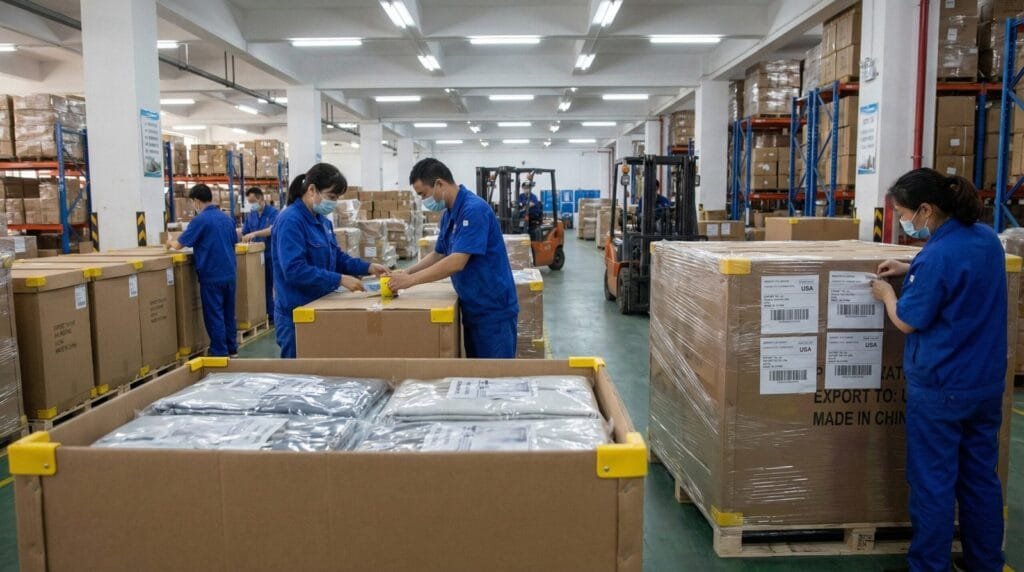
For private label brands positioning silk curtains as a premium tier, the packaging decision matters as much as the fabric. A faux silk panel at $10 wholesale in a branded retail box with tissue wrap retails at $49–69 — the same product in a plain polybag retails at $29. The packaging incremental cost is $0.80–1.40 per panel.

Frequently Asked Questions

What is the difference between pure silk and faux silk curtains for wholesale?

Pure silk curtains use natural mulberry silk fiber — rich sheen, fluid drape, but expensive ($18–45 per panel wholesale) and high-maintenance (dry clean only, fades under UV). Faux silk uses polyester satin or polyester-silk blend to replicate the visual effect at $6–14 per panel, with machine-washable properties and better colorfastness. Most wholesale programs selling below $70 retail use faux silk. Pure silk is reserved for bespoke hotel projects and designer collections where provenance is part of the product story.

Which heading style works best for silk curtains?

Pinch pleat is the dominant choice for formal silk and faux silk drapery — the structured pleat suits the fabric's drape and reads as tailored in showroom and photography. Grommet works for lighter-weight faux silk panels in contemporary collections. Tab top suits casual or artistic interior styles with thinner silk types. For ripplefold or S-fold track systems in hospitality projects, faux silk at 140–180 gsm heat-sets cleanly and carries the sheen well across the wave.

What GSM range is standard for wholesale faux silk curtains?

Lightweight faux silk panels run 90–130 gsm — sheer effect, strong sheen, suited for layering over blackout. Mid-weight at 140–180 gsm is the volume range for retail-priced curtains — enough body to hold a pleat, light enough to drape fluidly. Heavier faux silk at 200–240 gsm is used for formal full-length drapery in hospitality projects where the panel needs to hold structure without a separate lining.

Do silk curtains need lining?

Pure silk requires lining for any installation with significant UV exposure — unlined pure silk fades noticeably within 6–12 months in south-facing windows. Faux silk is more UV-stable but benefits from a blackout lining if the application requires light control. For hotel guestrooms specifying faux silk as the face fabric, a separate blackout interlining is standard — the faux silk carries the room aesthetic while the blackout layer handles performance.

What is the MOQ for wholesale silk curtains?

For in-stock faux silk fabrics, standard MOQ is 200 pieces per style per color. Trial orders from 50–100 pieces are available for first-time buyers subject to discussion. Custom-woven pure silk or specialty faux silk fabrics require 800–1,000 meters minimum for the fabric run. Sample lead time is 3–5 working days excluding shipping; bulk production runs 30+ days from deposit confirmation.

At Dairui Textile, we produce faux silk and silk-look curtains for wholesale and private label programs, with full customization on GSM, heading style, lining, and retail packaging. See our Private Label service for branded packaging options, or our OEM/ODM and wholesale program for volume pricing. Contact us to request fabric samples.

Last reviewed: 2026-05 · DAIRUI Sourcing Desk

Get a quote for your project

Share The Post Now:

You may be interested in

Ask for Samples Now!

We will arrange for a specialist to contact you immediately.

Ask for Quote Now

Wholesale, business, and project inquiries only.
We do not sell single pieces for individual orders. Thank you!