Bottom line: Wave top curtains hang in continuous, uniform S-shaped folds and run on a corded track, not a rod. Fullness is fixed by the heading tape spacing (60mm for fuller waves, 80mm for relaxed ones), giving roughly 2x–2.5x fabric. It is the cleanest modern heading for sheers, floor-to-ceiling runs and motorised tracks — but it only works with a compatible wave track.
What Are Wave Top Curtains?
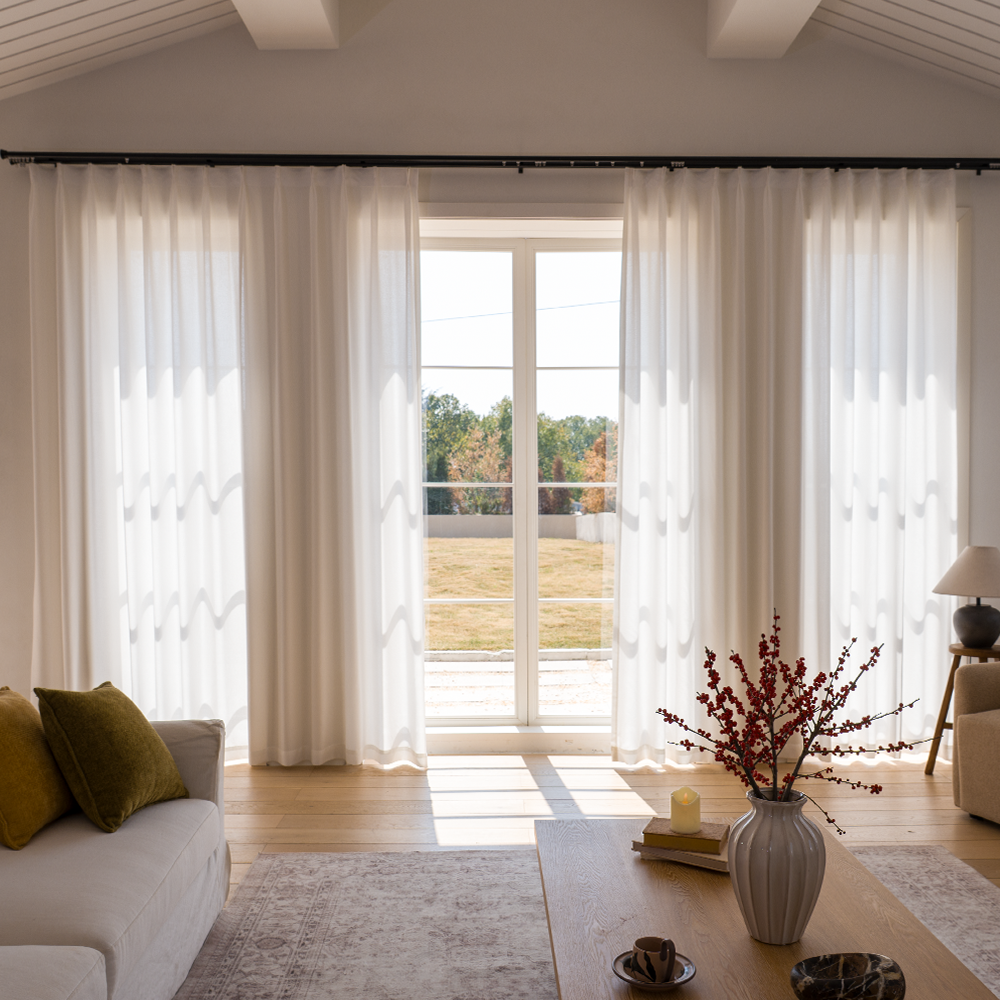
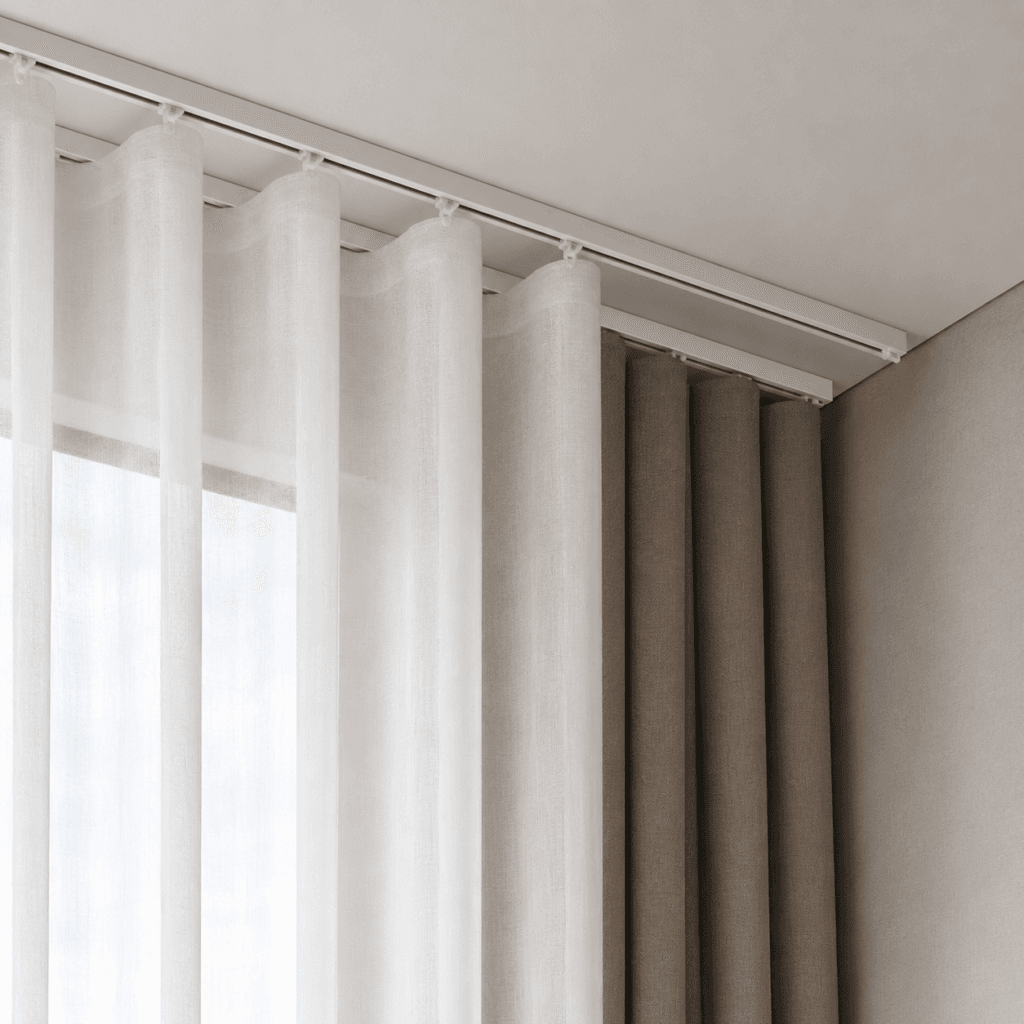
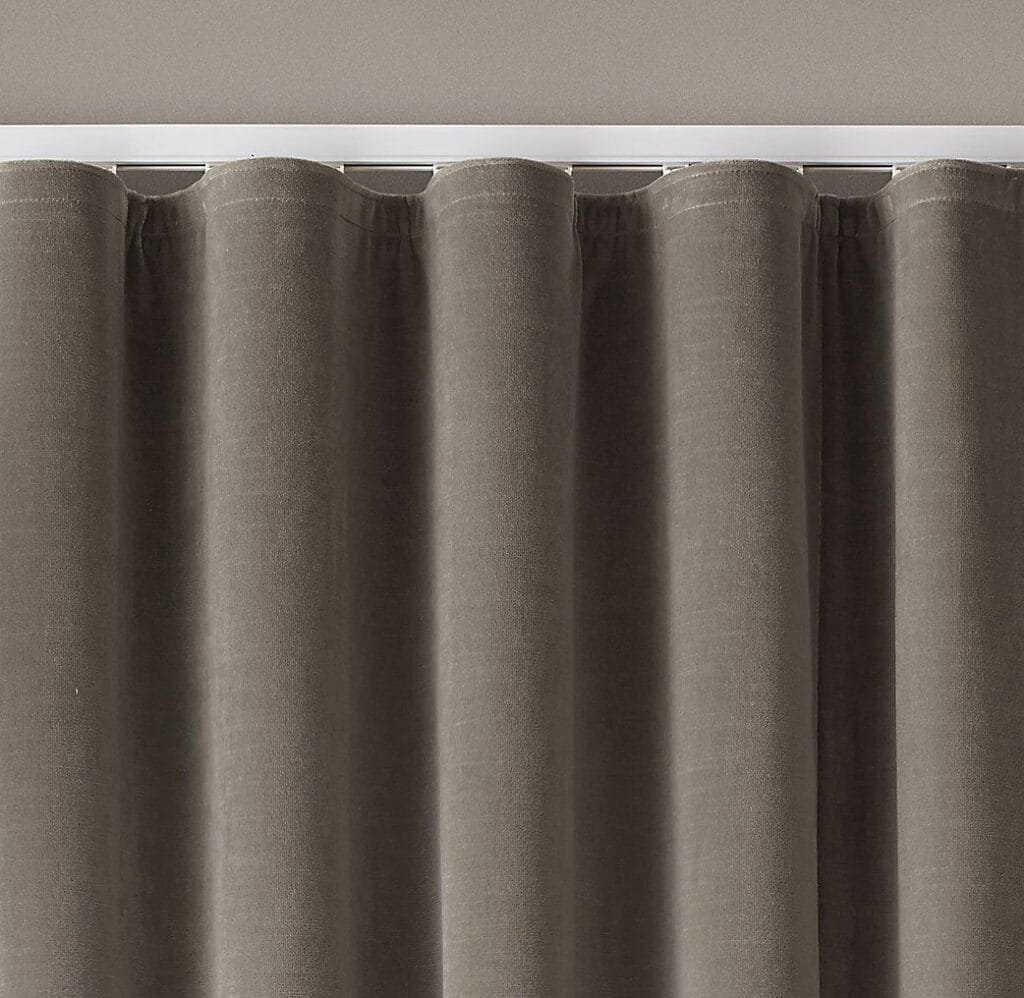
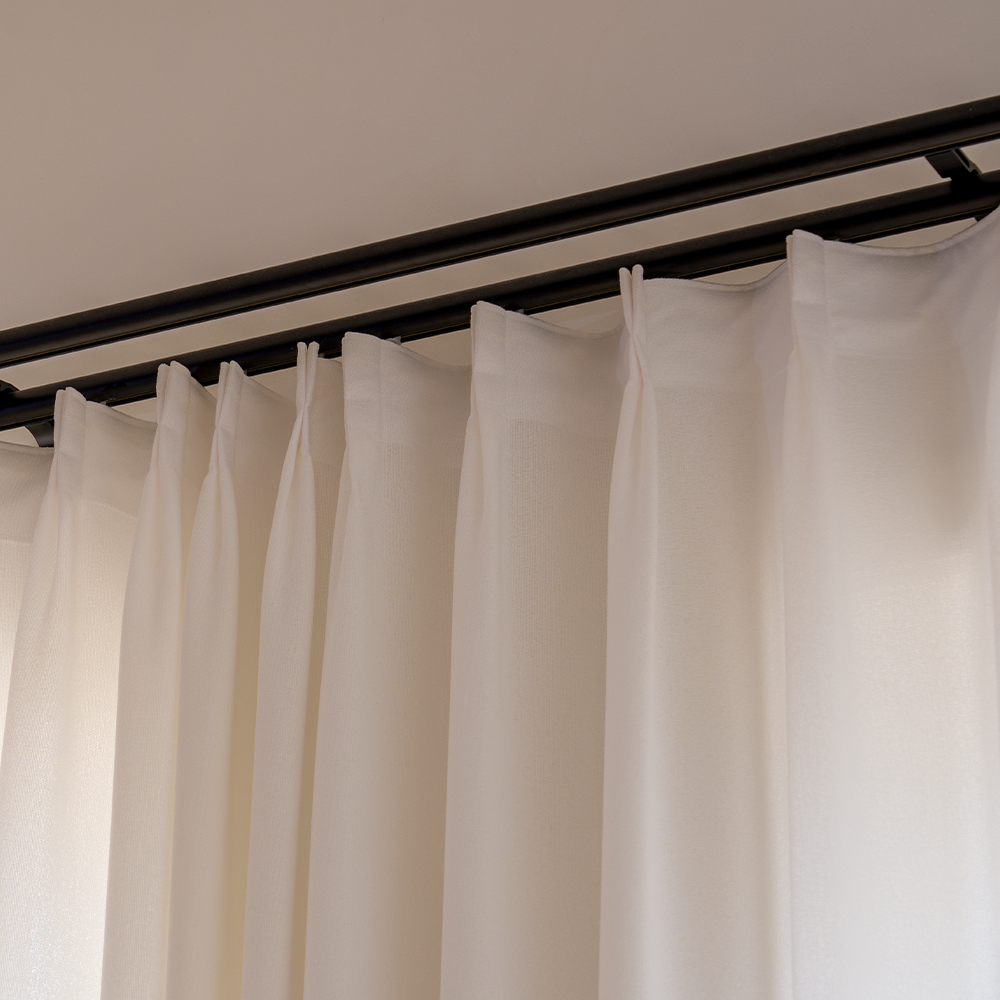
A wave top curtain (also called a wave heading, S-wave or S-fold) is a heading style engineered to fall in a continuous run of soft, evenly spaced S-shaped waves from top to bottom. Instead of gathering the fabric into pleats at the top, a special wave heading tape is sewn to the back of the curtain. That tape has cord pockets at a fixed interval; each pocket clips onto a glider on the track, forcing the fabric into a repeating wave.
The result is the most contemporary of all heading styles: no pinched pleats, no visible hooks from the front, just a smooth, architectural rhythm of folds. This is why wave curtains dominate modern apartments, boutique hotels and office fit-outs across Australia, the UK and Europe — markets where the “S-fold” look has become the default specification for new-build interiors.
Because the folds are set by hardware rather than by hand-sewn pleats, a wave curtain also draws and stacks more smoothly than almost any other heading, which is exactly why it pairs so well with motorised tracks.
Wave Top, S-Fold, Ripplefold: Same Look, Different Names
One of the most common sourcing mistakes is treating these as separate products. They are essentially the same wave heading under regional names. “Wave” and “S-fold” are the terms used in the UK and Australia; “Ripplefold” is the North American name, and it uses a snap-carrier system rather than a sewn cord tape. The finished aesthetic — uniform S-waves — is the same.
The practical difference is in the hardware and how the fullness is engineered, which changes what track and tape you order. If you are deciding between the two systems for a specific project, we break down the trade-offs in our dedicated guide: Ripplefold vs S-Fold: which wave heading fits your project. This article focuses on the wave heading itself — how it behaves, what to specify, and how to source it wholesale.
How Wave Fullness Works (and Why It Is an Advantage)
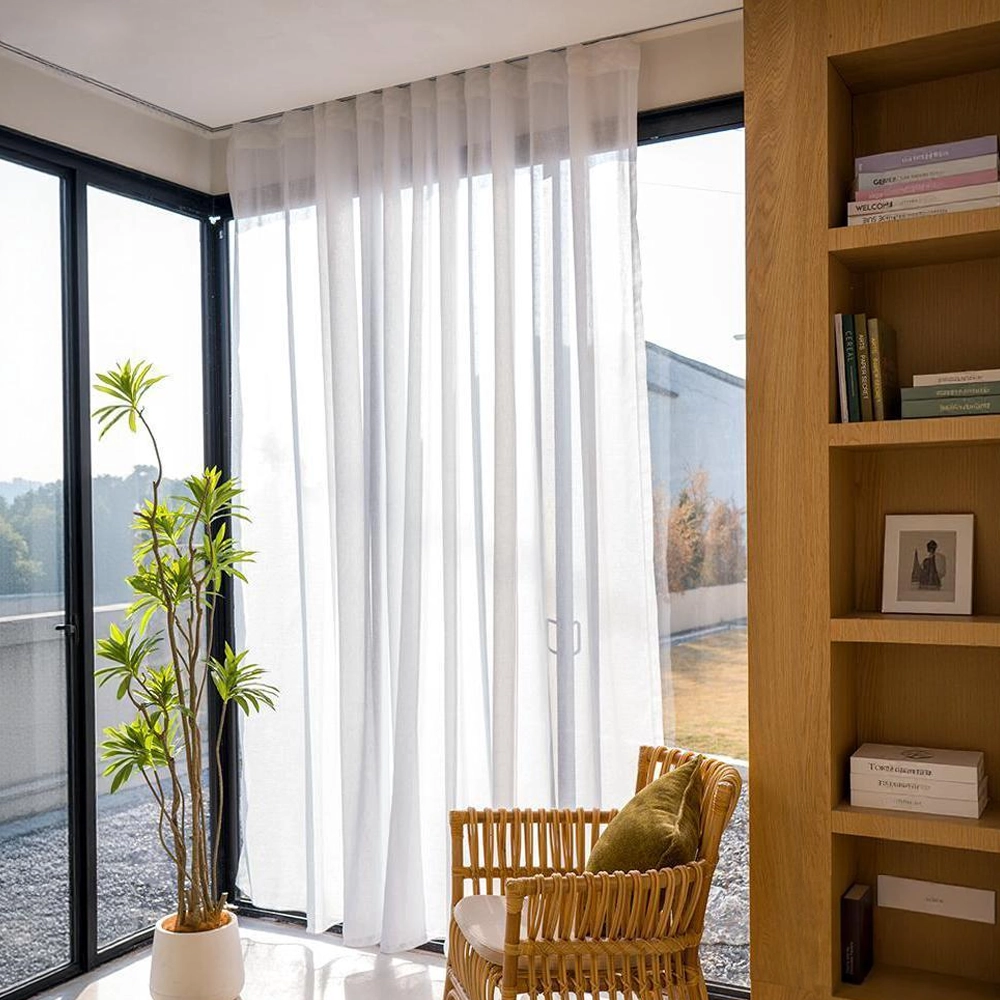
With pinch pleat or pencil pleat curtains, fullness depends on how tightly the maker gathers the fabric, so consistency varies between batches and between makers. Wave heading removes that variable. The fullness is dictated by the wave spacing of the tape and the glider spacing on the track:
- 60mm wave – tighter, deeper waves; a fuller, more luxurious look; uses more fabric (about 2.4x–2.5x the track width).
- 80mm wave – more relaxed, open waves; a lighter look; uses about 2x the track width.
For a factory, this is a quality-control gift: once the wave spec is set, every panel in a 300-unit hotel order waves identically, because the geometry is built into the tape and track rather than the sewer’s hand. When you request a quote, specify the wave spacing directly — it is the single most important dimension after finished width and drop. Finished flat width is calculated as track length multiplied by the fullness ratio, so an 80mm wave on a 3-metre track needs roughly 6 metres of made-up fabric width.
The Track Is Not Optional
This is the point that trips up first-time buyers. A wave top curtain cannot hang on a standard rod or pole. It requires a compatible corded wave track (or a snap-carrier ripplefold track) where the cord or carriers hold each wave pocket at the correct interval. Order wave curtains without the matching track and the folds simply collapse into an uneven gather.
So a wave order is really a system order: fabric + wave heading tape + matching track + gliders + (optionally) a motor. As a manufacturer we can supply the made-up curtains alone if your client already has European-style tracks, or supply the whole system. Always confirm on the purchase order whether track and gliders are included, the wave spacing (60/80mm), and whether the track is hand-drawn, cord-drawn, or motorised — those choices have to match the heading.
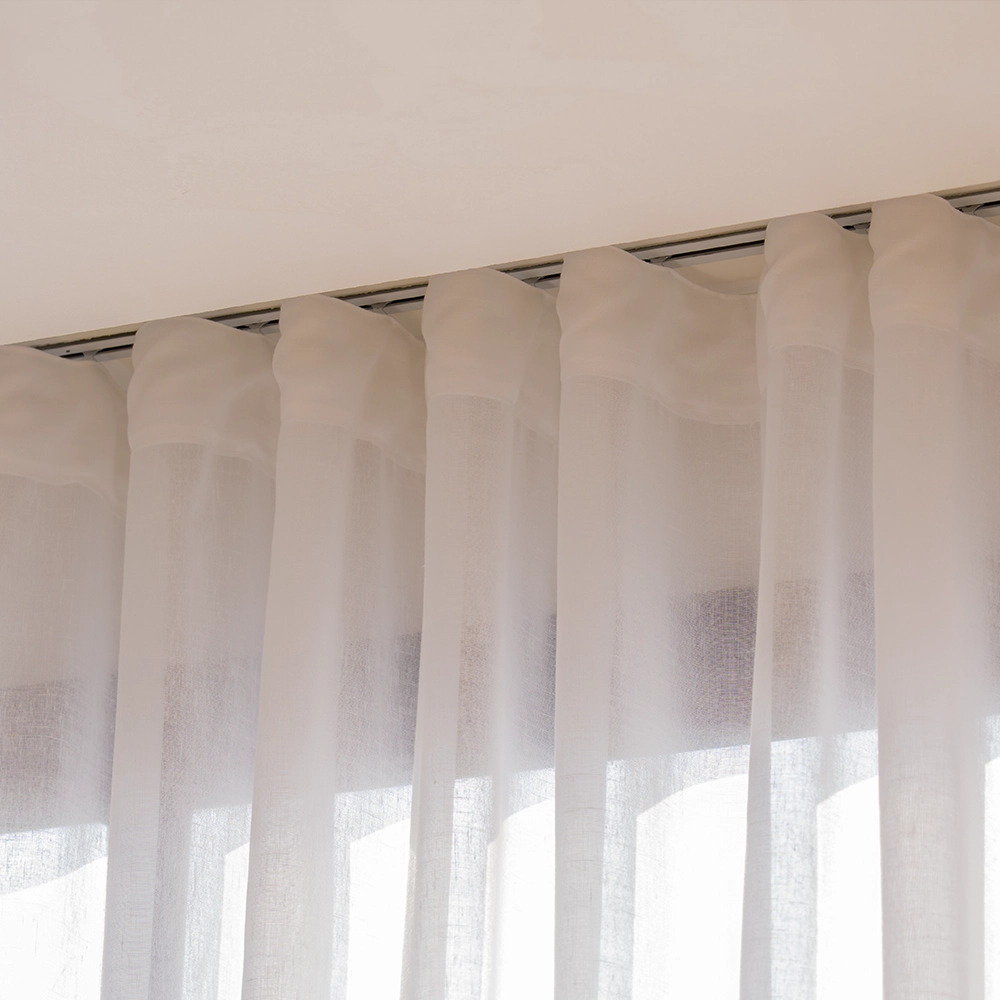
When the track is not already on site, the whole system can come from one order: Dairui supplies curtain tracks and matched accessories — wave carriers, gliders, brackets, connectors, and motor options — quoted alongside the made-up curtains.
Best Fabrics and GSM for Wave Curtains
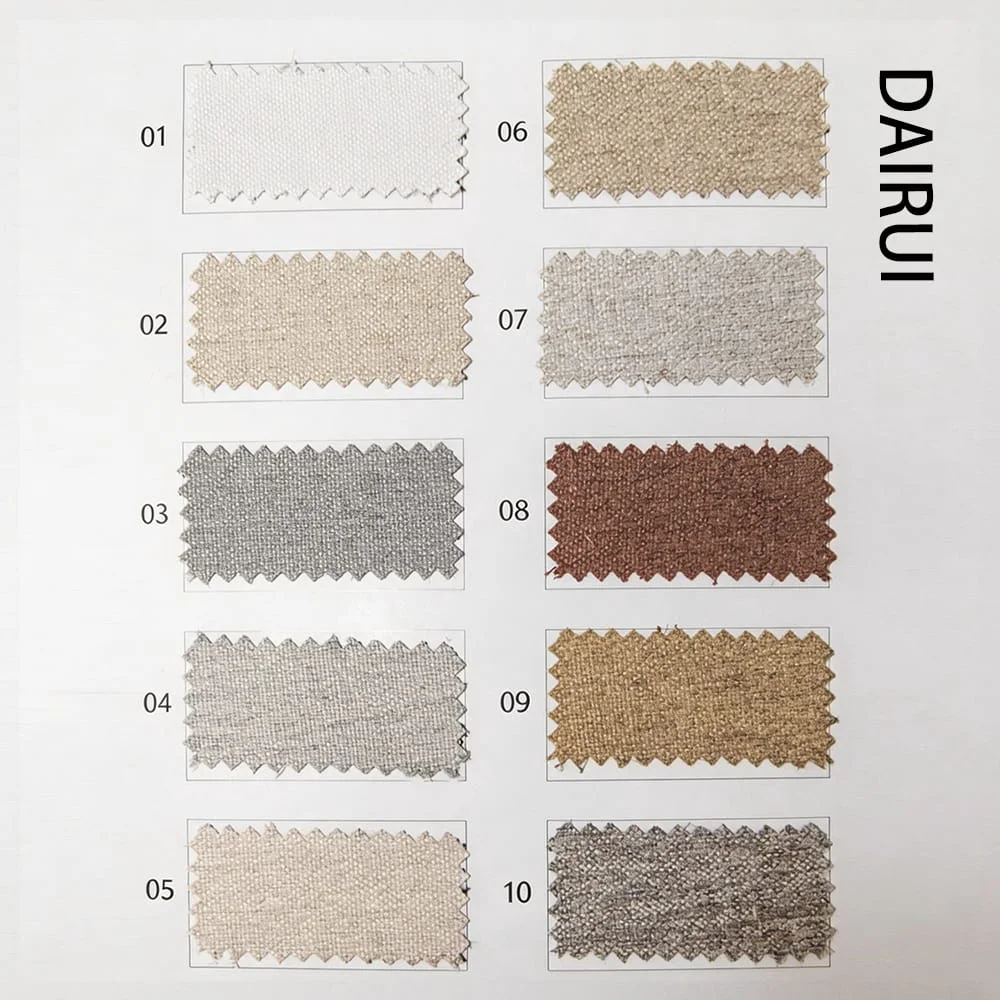
Wave heading rewards fabrics that drape softly and hold a fold. It is the go-to heading for sheer and voile curtains, where the light, continuous waves look effortless. It also works beautifully with linen-look fabrics and medium-weight polyester.
As a rough guide by weight: sheers and voiles at 60–90 GSM wave cleanly on 80mm spacing; medium drapery and linen-look at 120–180 GSM suit either spacing; and blackout fabrics at 200–280 GSM can absolutely be waved, but the heavier weight needs a robust track and often a 60mm spacing to keep the waves crisp. Very stiff or very heavy fabrics fight the wave and should be checked with a sample first. We run per-batch handling tests on new fabrics precisely to confirm they wave consistently before a bulk run.
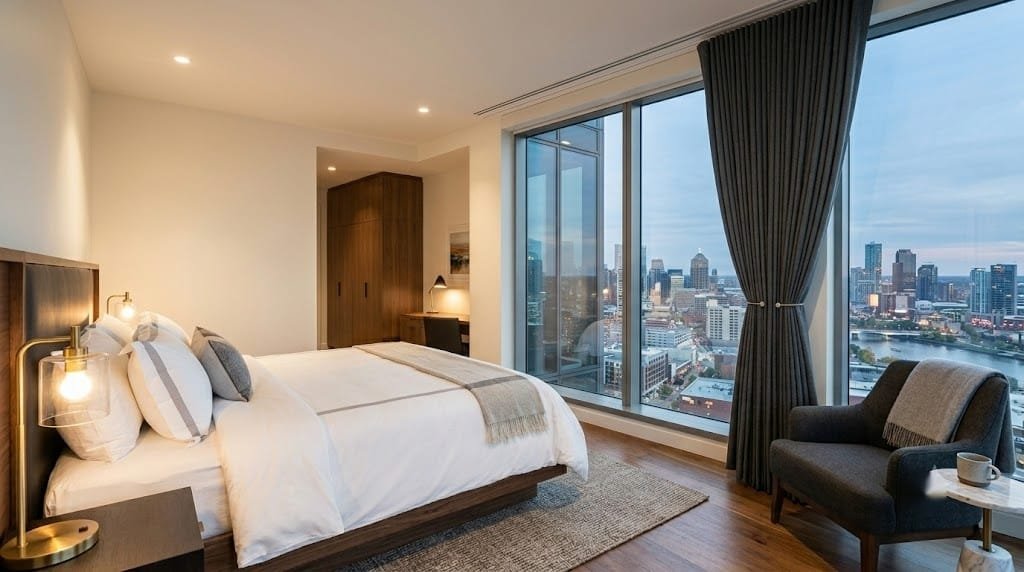
How to Measure and Spec a Made-to-Measure Wave Order
Wave is measured from the track, not the window, because the track defines the wave run. Start with the finished track length (usually the window width plus a generous overlap each side to block side light and to give the stack somewhere to sit). For wide openings or sliding doors, extend the track well past the reveal so the open curtain clears the glass.
For the drop, decide the finish before quoting: sill length (rare for wave), to-the-floor with a 1cm float (the most common and cleanest), or a puddle of 2–5cm for a softer, luxury look. Because wave curtains hang dead straight, an accurate drop matters more than with a gathered heading — a 2cm error is visible. On the purchase order, give track length, drop, wave spacing, whether the track is ceiling- or wall-fixed, and the number of panels (single draw or a centre split). Those specs let a factory cut and sew without back-and-forth.
Stack-Back: The Wall Space Wave Curtains Need
Stack-back is the bundle of fabric when the curtain is fully open, and wave curtains have a generous, predictable stack because every fold is uniform. As a planning rule, budget roughly 10–15% of the track length as stack-back per side for a standard wave — a little more for heavier blackout, a little less for light sheers.
This matters most on doors and picture windows, where a stack that sits over the glass steals light and view. The fix is designed in at the quoting stage: extend the track past the opening so the stack lands on the wall, not the glass. Telling your supplier that a window is a walk-through door versus a fixed window changes the recommended track length — so flag it early.
Wave vs Pinch Pleat vs Grommet vs Tab Top: When to Choose Wave
Wave is not automatically the right heading — it is the right heading for a particular brief. Choose wave when the look is modern, the run is wide or floor-to-ceiling, or the track is motorised. Choose a pinch pleat for a more traditional, tailored, formal look on a pole or track. Choose grommet (eyelet) for a casual, budget-friendly rod look, or tab top for a relaxed, informal room.
For the full menu of heading styles and how they compare across formality, hardware and cost, see our pillar guide: A Complete Guide to Curtain Heading Styles. The short version: wave gives you the cleanest lines and the smoothest draw, at the cost of needing a dedicated track and slightly more fabric than a rod-based heading.
Sourcing Wave Top Curtains Wholesale
For B2B buyers — interior brands, hospitality suppliers, blind and curtain retailers — wave curtains are a strong private-label line because they read as premium and photograph well. A few sourcing pointers from the factory floor:
- Give three numbers up front: finished track length, drop, and wave spacing (60/80mm). Those drive fabric quantity and price.
- State whether track and gliders are included. Wave is a system; a quote for curtains-only and a quote for a full system are very different figures.
- Confirm motorisation early if the project needs it — the motor, track and heading all have to be matched, and DC tubular motors for curtains typically run 30–38 dB.
- For hospitality and public spaces, ask for fabric that can meet NFPA 701 / BS 5867 Part 2; flame-retardant options are available and we can supply the corresponding test report per fabric.
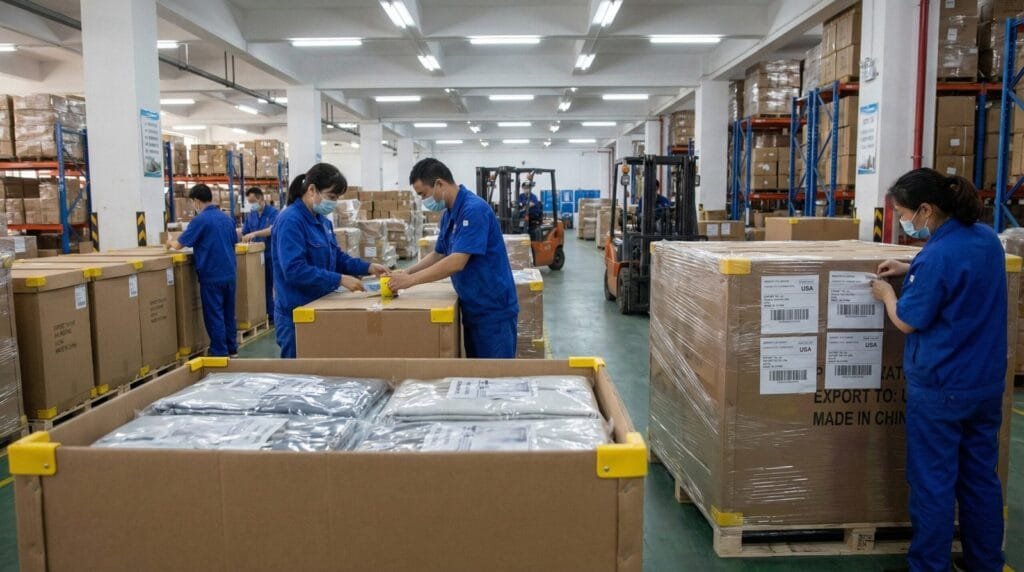
- MOQ and lead time: custom wave orders generally sit around a 300–500 metre minimum per dyed colour, with roughly a 30-day production lead time after sample approval; sampling is about 3–7 days. Exact MOQ and pricing are quoted per project.
Wave curtains are also a natural fit for the hospitality drapery packages we build; if you are speccing for hotels, our hotel curtain supplier guide covers inspection, FR documentation and made-to-measure workflow in more depth. Dairui is BSCI audited, OEKO-TEX certified fabrics are available, and third-party SGS/Intertek inspection can be arranged on request.
Do Wave Curtains Keep Their Shape Over Time?
A common buyer worry is whether the neat waves relax into a limp gather after a few months. Well-made wave curtains hold their shape because the fold is maintained by the track and glider spacing, not by the fabric’s memory alone. That said, quality of make matters: the heading tape must be sewn straight and to the correct wave count, and the fabric should be pre-shrunk so the drop does not creep after the first clean.
New wave curtains benefit from “training” — dressing the folds by hand and loosely tying them for a few days after installation so the fabric learns the wave. For maintenance, most wave curtains are best dry-cleaned or gently steamed in place; steaming while hanging is ideal because the waves reset as the fabric relaxes. For hospitality contracts we specify fabrics and make-up that survive repeated cleaning cycles, and we can advise a wash/care rating per fabric so your client’s housekeeping team is not guessing. Done right, a wave curtain holds its architectural line for years, which is a large part of why the look has become the default for premium interiors.
Wave Top Curtains: FAQ
Are wave top and S-fold curtains the same thing?
Yes, in practice. “Wave” and “S-fold” are the UK/Australian names for the same heading; “Ripplefold” is the North American version using a snap-carrier track. The finished uniform-wave look is the same — the difference is in the tape and track system, which affects what hardware you order.
Can wave curtains hang on a normal curtain rod?
No. Wave curtains need a compatible corded wave track or ripplefold carrier track that holds each wave at a fixed spacing. On a standard rod or pole the waves collapse into an uneven gather. Always order the matching track, or confirm the client already has European-style wave track.
How much fabric do wave curtains use?
Fullness is set by the wave spacing. An 80mm wave uses roughly 2x the track width in fabric; a tighter 60mm wave uses about 2.4x–2.5x. Finished flat width equals track length multiplied by that ratio, so a 3-metre track at 80mm wave needs about 6 metres of made-up width.
What fabrics work best for wave heading?
Soft-draping fabrics: sheers and voiles at 60–90 GSM, linen-look and medium drapery at 120–180 GSM, and blackout at 200–280 GSM (which needs a sturdier track and often 60mm spacing). Very stiff or very heavy fabrics should be sample-tested first to confirm they wave cleanly.
Are wave curtains good for motorised tracks?
They are ideal. Because the folds are set by the track and glider spacing rather than by hand-gathered pleats, wave curtains draw and stack more smoothly than any other heading, which suits automated tracks. Curtain DC tubular motors typically run at 30–38 dB.
What is the MOQ and lead time for wholesale wave curtains?
Custom wave orders generally start around 300–500 metres per dyed colour, with about a 30-day production lead time after sample approval and 3–7 days for sampling. For stock colours the threshold is lower. Exact MOQ and pricing are quoted per project.
Bottom Line
Wave top curtains are the cleanest, most modern heading you can specify — uniform S-waves, a smooth draw and a premium look that photographs well and suits motorised tracks. The trade-off is that they are a system: the fabric, the wave spacing and the track all have to be ordered together. Nail the three key specs (track length, drop, and 60/80mm wave spacing), confirm whether track and motor are included, and wave becomes one of the easiest premium lines to source consistently at scale.
Author: DAIRUI Sourcing Desk. Last reviewed: 2026-07.