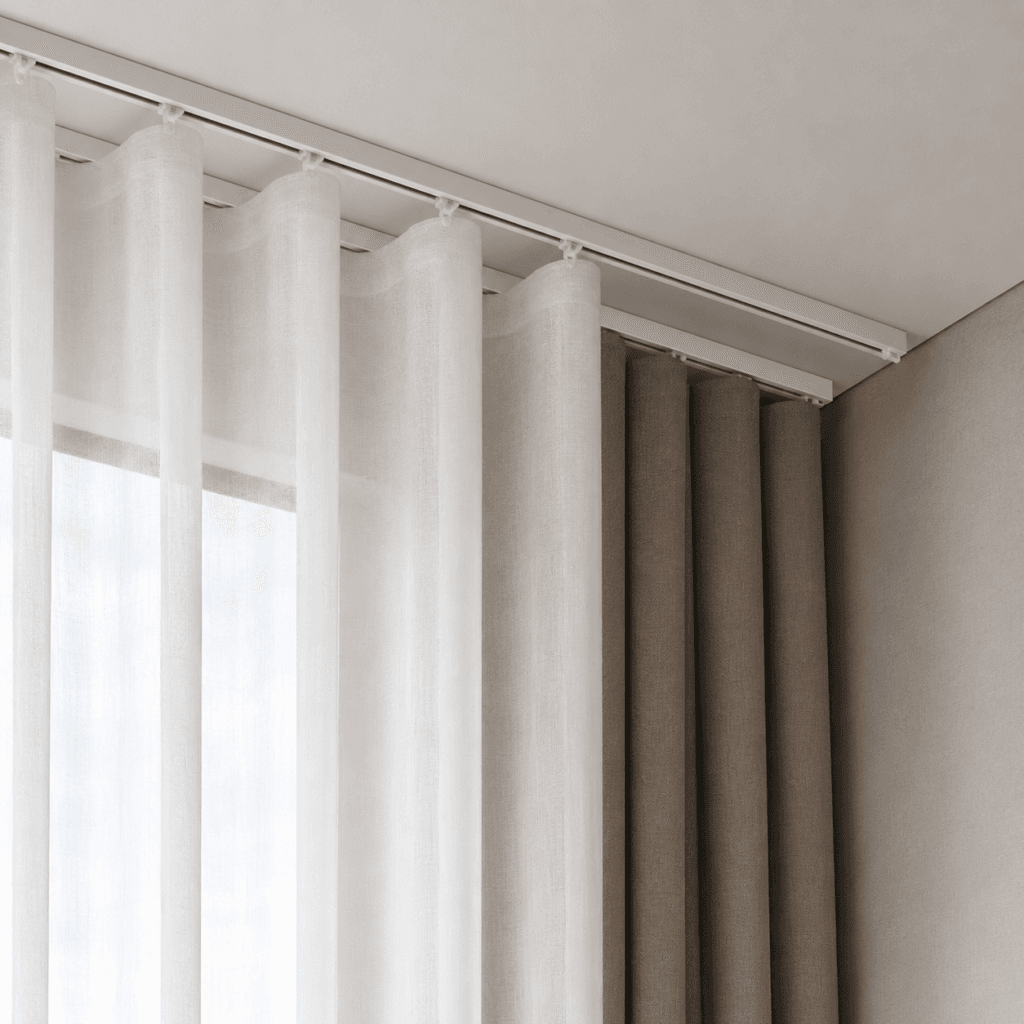
Bottom line: In Australia and New Zealand, buyers say “block out” (not “blackout”), ask for sheer linen blend for that relaxed natural look, and spec headings as S-fold, pencil pleat, or eyelet. If you are sourcing a private-label range or a wholesale program for the ANZ market, getting this vocabulary — and the cm-based specs behind it — right in your first brief is what separates a clean two-sample sign-off from five rounds of corrections. Typical ANZ drops run 220–250 cm, block out coatings sit around 250–320 GSM, and linen-blend sheers usually carry 15–40% linen. MOQ and pricing vary by construction — confirm on quote.
Why ANZ Curtain Vocabulary Trips Up Offshore Buyers
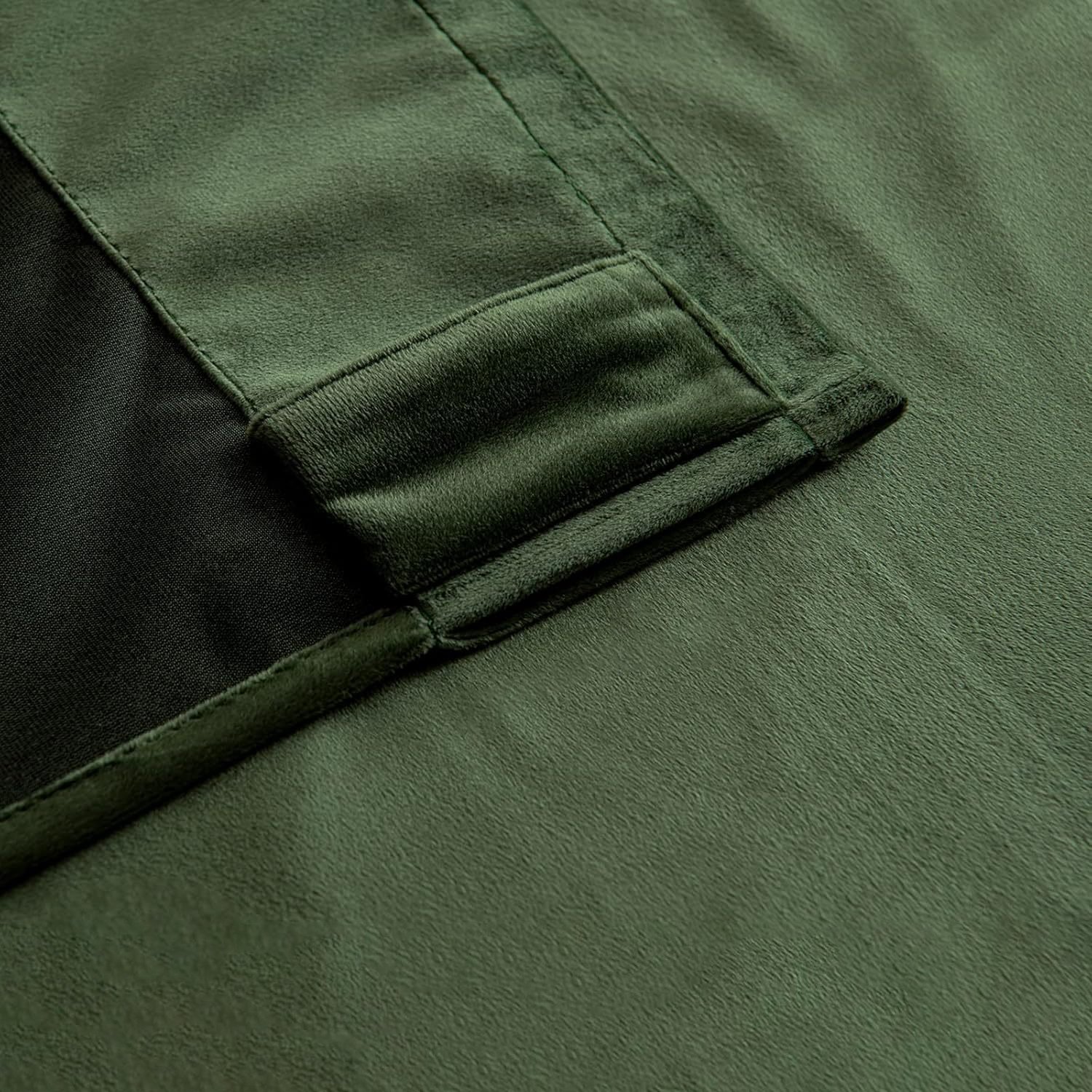
If you supply or buy curtains for the Australian and New Zealand market, the single fastest way to lose credibility — and waste a sampling round — is to use North American words on an ANZ brief. The product is the same; the language is not. A factory quoting “blackout drapes” to a Sydney private-label brand or an Auckland wholesaler immediately signals “this supplier doesn’t know our market.”
The big three to get right from day one: ANZ buyers write block out (two words) rather than blackout; they describe light, natural panels as sheer or voile, with sheer linen blend being the on-trend favourite; and they almost never say “drapes,” preferring curtains across both retail and trade.
This matters commercially, not just cosmetically. When you are building a private-label range or a repeating wholesale program, your tech pack, your swatch labels, and your line sheet all need to read in the buyer’s own vocabulary so the people approving the order — and reordering it — never have to translate.
Block Out Curtains: How ANZ Buyers Spec Them
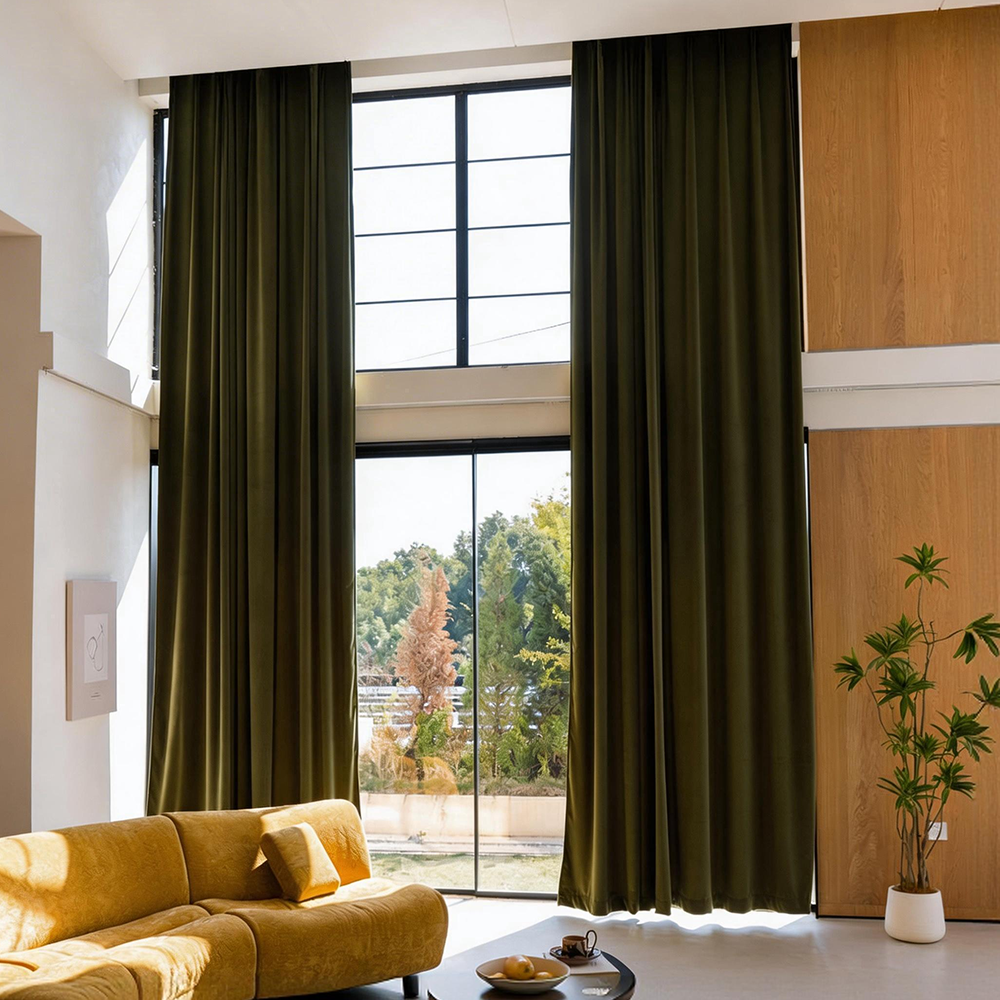
“Block out” in the ANZ market is a performance spec, not a single fabric. Buyers expect a panel that genuinely darkens a room for shift workers, nurseries, and hospitality fit-outs — and they will ask how the darkness is achieved, because it changes hand-feel, washability, and price. There are three common constructions, and your brief should name one:
| Construction | How it blocks light | Typical weight | Best for (ANZ) |
|---|---|---|---|
| 3-pass coated | Acrylic foam coating on the back, ~100% block | 250–320 GSM | Hospitality, nurseries, value retail ranges |
| Triple-weave (coating-free) | Dense yarn structure, ~90–99% block, softer drape | 200–280 GSM | Premium private-label, washable ranges |
| Lined block out | Separate block out lining behind a face fabric | Varies by face | Made-to-measure project work |
Two numbers ANZ buyers will push you on: the light-block percentage (state it honestly — “100% block” should mean coated, while a soft triple-weave is closer to 90–99%) and the drop. Standard ANZ ready-made drops cluster at 221 cm, 230 cm, and 250 cm, with project work running to floor at 245–260 cm. Always quote and sample in centimetres, never inches.
For hospitality and project enquiries — the kind of work many ANZ trade buyers take on alongside their core range — expect questions about fire performance too. Flag whether the block out is inherently flame-retardant or FR-treated, and to which standard, and ask for the test report that matches the fabric. See our block out buying guide for the construction trade-offs in detail.
Sheer Linen Blend Curtains: The ANZ Favourite
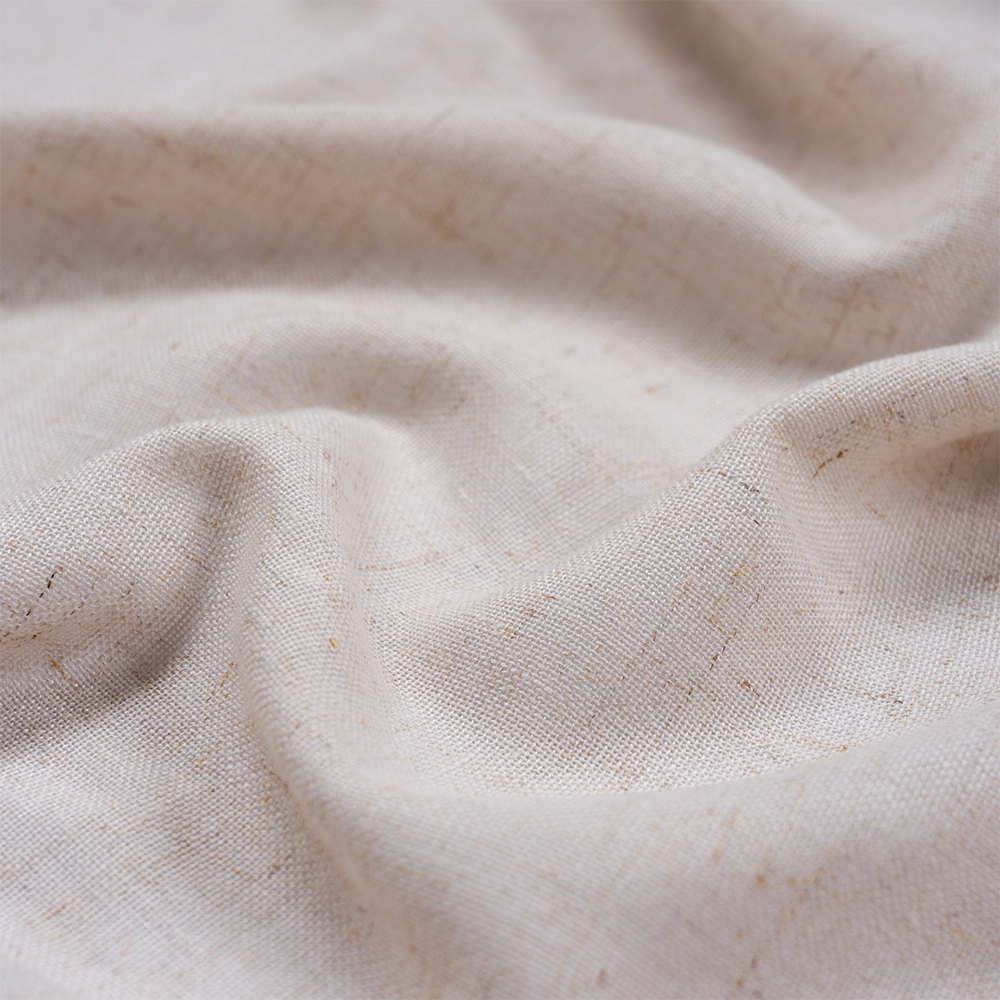
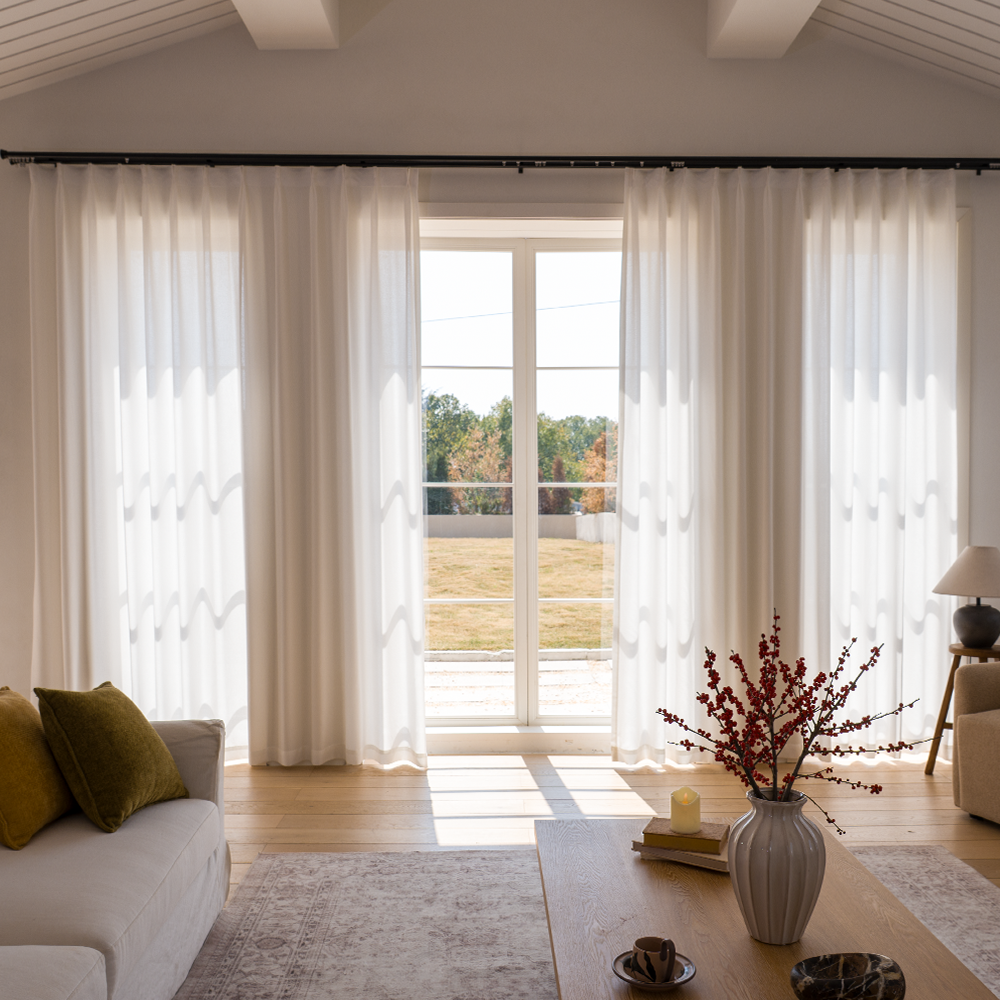
If block out is the workhorse, sheer linen blend is the look the ANZ market keeps asking for. The appeal is the relaxed, textured, “undone” drape of natural linen — softened (and made far more affordable and stable) by blending with polyester or viscose. It is the fabric behind most of the “coastal” and “Japandi” ranges retailing across Australia and New Zealand right now.
The spec lever that decides price and look is linen content. ANZ ranges typically sit between 15% and 40% linen: lower blends drape smoother and cost less; higher blends slub and breathe more like pure linen but crease more and cost up. Sheer weights usually land around 50–75 GSM. Spell out the exact blend on your brief — “30% linen / 70% polyester, 60 GSM” — because “linen look” means five different things to five factories.
Sheer linen is also why ANZ projects so often run a double track: a sheer linen blend on the front rail for daytime privacy and softness, with a block out on the back rail for night. If you are building a range, pairing a hero sheer with a coordinating block out in the same colour story is the easiest way to lift average order value. For where sheers, voiles and nets differ, see our sheer vs net vs voile explainer.
Heading Styles in ANZ Terms: A Quick Glossary
Headings are where ANZ and North American naming diverge most, and getting the word wrong on a tech pack means the wrong tape, the wrong fullness, and a failed first sample. Here is the working glossary buyers will use:
| ANZ term | What it is | Also called |
|---|---|---|
| S-fold / wave | Soft, uniform S-shaped waves on a track | Ripplefold, wave fold |
| Pencil pleat | Gathered tape, classic thin pleats | Tape top |
| Pinch pleat | Hand-set grouped pleats (double/triple) | Pleated, French pleat |
| Eyelet | Metal rings over a rod | Grommet (US) |
| Tab top / rod pocket | Fabric tabs or a sewn channel over a rod | Pole pocket |
The two that cause the most confusion: S-fold is the ANZ word for what a US brief calls ripplefold, and eyelet is what Americans call grommet. If a buyer specs “eyelet,” do not sample a grommet header and assume it’s the same conversation — it is, but the paperwork has to match their word. We cover the engineering of each in our complete guide to heading styles and the ripplefold vs S-fold comparison.
Made to Measure vs Ready-Made: Which Fits Your Program
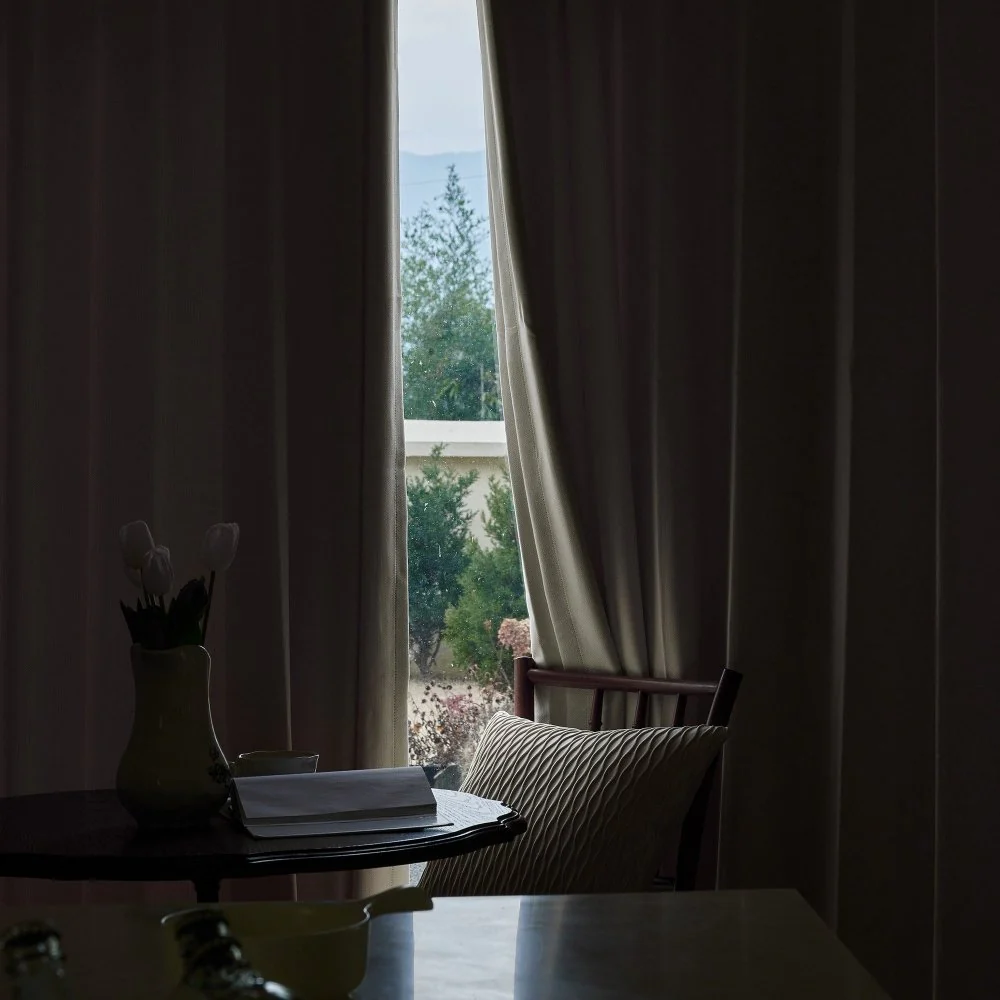
ANZ buyers split into two sourcing patterns, and your quote should match the one in front of you. Ready-made ranges — fixed widths and the standard 221/230/250 cm drops — are how wholesale and private-label brands move volume through retail and online channels. Made to measure is order-by-order, sized to each window in centimetres, and is how project, hospitality, and designer work gets done.
For a private-label or wholesale program, ready-made is almost always the right base: it standardises your tech pack, keeps per-unit cost down, and makes reorders predictable. You commit to a small set of widths, drops, and headings, and build colourways on top. Made to measure is the lane you keep open for the project enquiries you take on the side — valuable, but operationally heavier per order.
Whichever you brief, put the measurement convention in writing: finished width × finished drop, in centimetres, plus heading and fullness. A line that reads “S-fold, 2.0× fullness, finished 250 cm drop” removes the guesswork that burns sampling time.
Building a Block Out / Sheer Linen Private-Label Range

This is where the largest, most repeatable ANZ orders sit — and where getting the brief right pays off most. A private-label or wholesale range built around a hero block out and a coordinating sheer linen blend is a proven structure: it covers the two jobs every ANZ household and hotel room needs (darken at night, soften by day) in one colour story.
The commercial levers to lock before you commission samples:
| Lever | What to specify | Typical ANZ range |
|---|---|---|
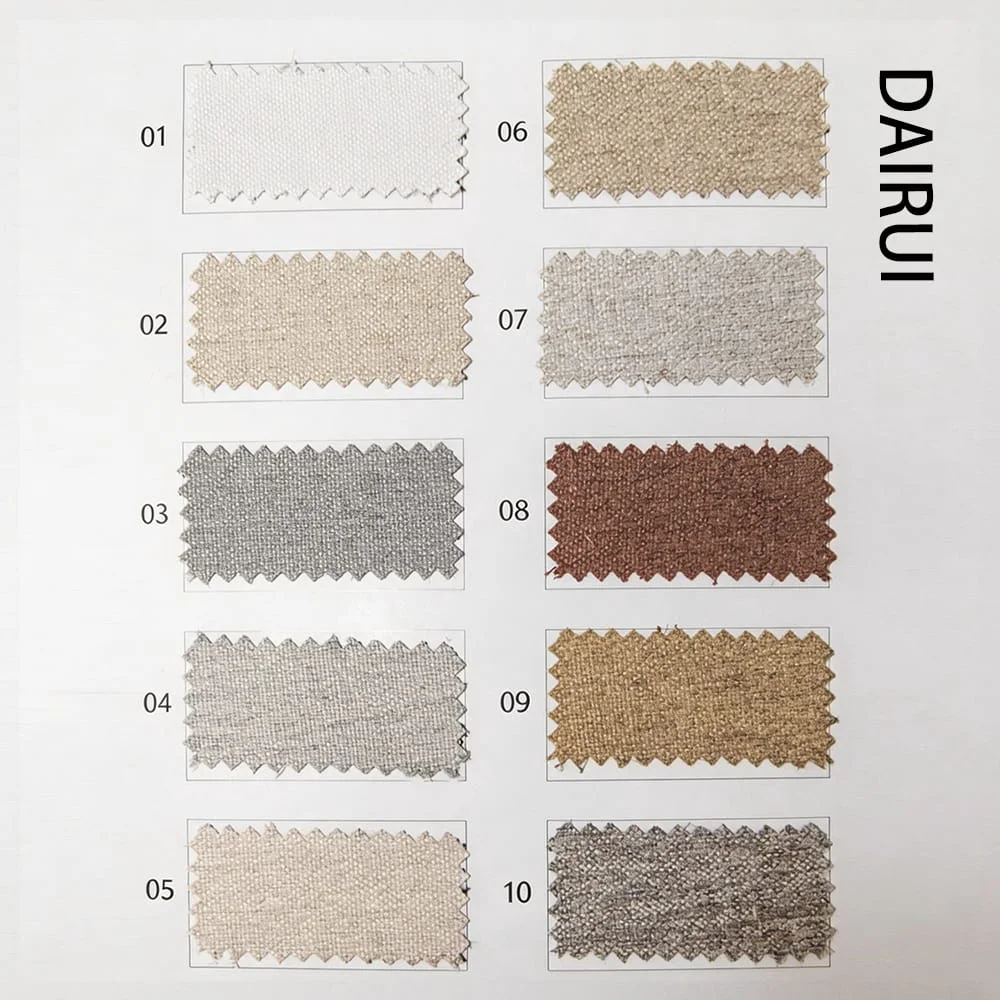
| Construction | Coated vs triple-weave block out; linen % for sheer | 250–320 GSM block; 15–40% linen |
| Drops & widths | Fixed ready-made set, in cm | 221 / 230 / 250 cm |
| Heading | S-fold, pencil pleat, or eyelet | Match your channel |
| Colourways | Hero + coordinating per story | 4–8 to launch |
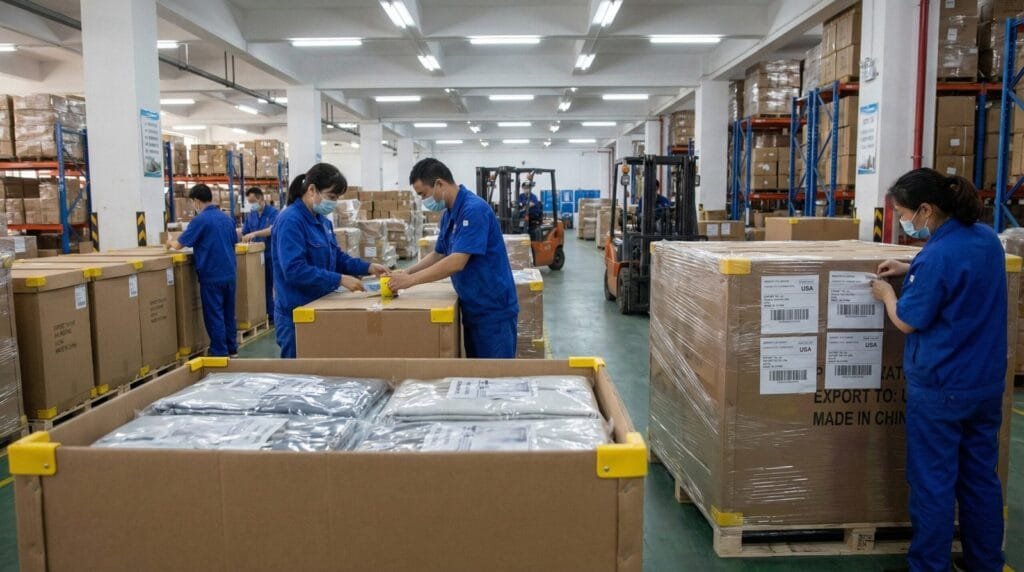
| Labelling | Woven label, swing tag, retail packaging | Artwork supplied by you |
| MOQ | Per colourway, per construction | Confirm on quote |
Two things ANZ private-label buyers reliably ask for: custom labelling and retail-ready packaging (woven labels, swing tags, polybag artwork they supply), and an Oeko-Tex Standard 100 position on the fabric. Be clear about certification — OEKO-TEX certified fabrics are available, with SGS or Intertek testing on request, and MOQ, pricing, and lead time confirmed on quote.
On timing, a realistic private-label run moves through sampling (commonly a few days per colour, costed per colour), bulk production, and a 35–55 day lead window depending on quantity and finishing. Build that into your launch calendar rather than promising retail dates off a first email.
Common ANZ Sourcing Mistakes to Avoid
Most failed first samples on ANZ orders trace back to a handful of avoidable brief errors. The first is mixing units: a drop written in inches, or a width in cm and a drop in inches, forces the factory to guess and convert — and conversions drift. Lock every dimension in centimetres, finished, and state it as width × drop in that order.
The second is vague performance language. “Linen look” without a blend percentage, or “100% blackout” on what is actually a soft triple-weave, sets an expectation the sample cannot meet. Put numbers on it: the linen percentage and GSM for sheers, the construction and honest light-block percentage for block out. Specific briefs are also how you tell a serious buyer from a price-fisher — real ANZ private-label buyers give you blend, drop, heading, and colourway counts up front.
The third is North American heading words on an ANZ tech pack — speccing “ripplefold” or “grommet” when the buyer’s channel and labelling say S-fold and eyelet. It still samples correctly, but it reads as off-market and creates avoidable back-and-forth. A clean ANZ brief contains:
- Construction named (coated / triple-weave block out; linen % + GSM for sheer)
- Finished width × drop in centimetres
- Heading in ANZ terms (S-fold / pencil pleat / eyelet) and fullness
- Colourway count and any artwork for woven labels and packaging
- Certification ask (e.g. Oeko-Tex scope) and target MOQ per colourway
Hand a factory that list and you have removed almost every reason a first sample comes back wrong. It is also the fastest way to get an accurate quote, because the supplier is no longer pricing in the uncertainty of an underspecified brief.
Block Out & Sheer Linen Sourcing FAQ
Is “block out” the same as “blackout”?
Yes — they describe the same light-darkening performance. “Block out” is the standard Australian and New Zealand spelling and the wording you should use on ANZ tech packs, swatch labels, and line sheets; “blackout” is the North American form.
What linen content should a sheer linen blend curtain have?
Most ANZ sheer linen blend ranges sit between 15% and 40% linen, blended with polyester or viscose. Lower blends drape smoother and cost less; higher blends give more natural slub and breathability but crease more. Always state the exact blend and GSM on your brief.
What is the ANZ word for ripplefold and grommet headings?
In Australia and New Zealand, ripplefold is called S-fold (or wave), and grommet is called eyelet. Pencil pleat and pinch pleat keep the same names. Matching the buyer’s heading vocabulary on the tech pack prevents the wrong tape and failed first samples.
What drop lengths are standard for ANZ ready-made curtains?
Standard ready-made drops cluster at 221 cm, 230 cm, and 250 cm, with made-to-measure project work running to floor around 245–260 cm. Quote and sample in centimetres, never inches.
Can I order block out and sheer linen as a private-label range?
Yes — pairing a hero block out with a coordinating sheer linen blend in the same colour story is a common and effective private-label structure. Lock construction, fixed cm drops, heading, colourways, labelling, and MOQ before commissioning samples. MOQ and pricing are confirmed on quote.
Are these curtains Oeko-Tex certified?
Yes. OEKO-TEX Standard 100 certified fabrics are available, with SGS or Intertek testing on request. Confirm certification scope with your supplier in writing.
Bottom Line for Your Sourcing
For the ANZ market, language is part of the spec. Brief in block out, sheer linen blend, and S-fold / pencil pleat / eyelet; size everything in centimetres at 221–250 cm drops; and name your block out construction and linen percentage up front. For wholesale and private-label programs — the volume that makes a range worth building — standardise on ready-made drops, pair a hero block out with a coordinating sheer, and lock construction, colourways, labelling, and MOQ before you sample. Treat hospitality and designer made-to-measure as the higher-touch work you take alongside it. Get the vocabulary and the numbers right on the first brief, and you trade five sampling rounds for two.
DAIRUI Sourcing Desk — curtain manufacturing and private-label programs for global buyers. Pricing, MOQ, lead time, and certification scope are confirmed per quote.
Last reviewed: 2026-06