TL;DR: OEM curtains ship in neutral packaging to your exact spec; private label adds your branded pouches, hangtags, and labels on the same product. OEM MOQs sit at 300–1,000 panels with 25–30 day lead times; private label runs 20–40% higher MOQ and adds 7–15 days for packaging artwork. Per-unit packaging premium: $0.30–$1.50 per panel. Bottom line: pick OEM for cost efficiency, private label for brand equity — most mature catalogs run both.
If you’re sourcing curtains for retail shelves, a hospitality refit, or a direct-to-consumer brand launch, one question shapes almost every other sourcing decision you’ll make: are you ordering OEM curtains or private label curtains? The terms get used interchangeably in buyer conversations, but they describe two very different commercial relationships — with different MOQs, different lead times, different cost structures, and very different long-term brand outcomes.
This guide breaks down OEM vs private label curtains the way an experienced sourcing manager would explain it across a contract review — including the trade-offs most first-time buyers miss until their second or third order.
What OEM Curtains Actually Mean in Practice
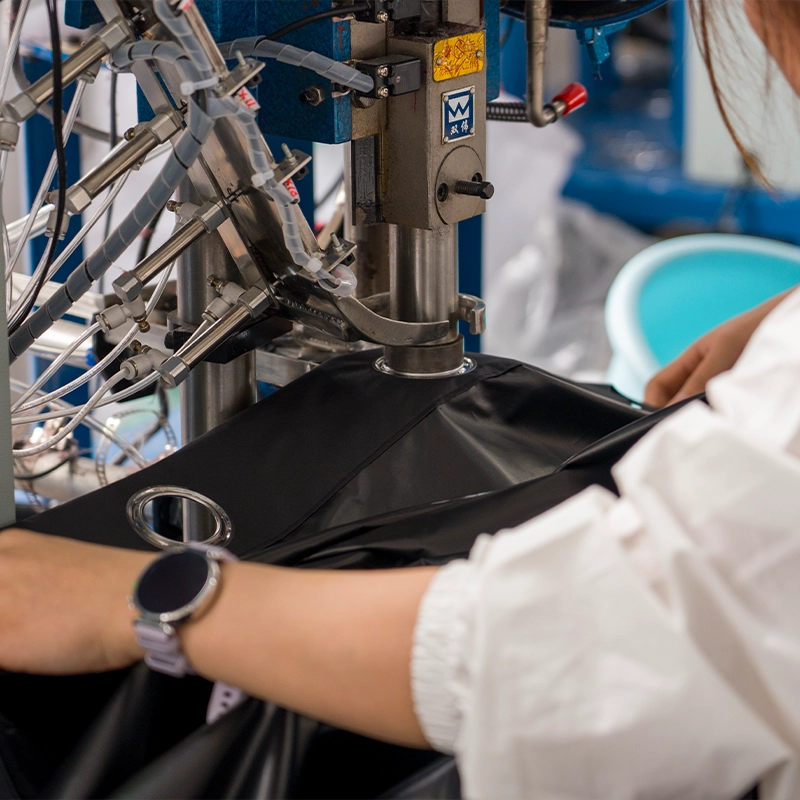
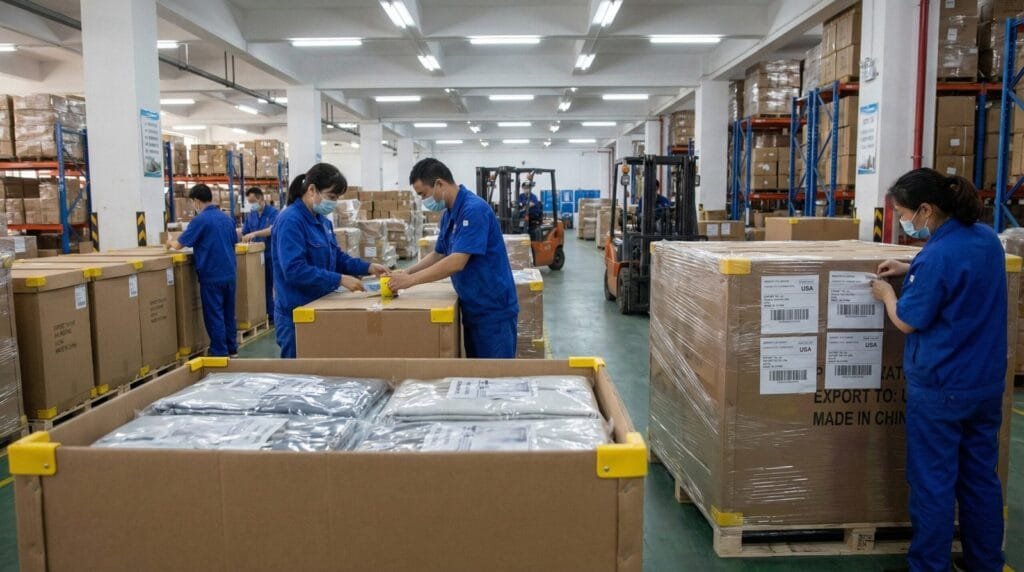
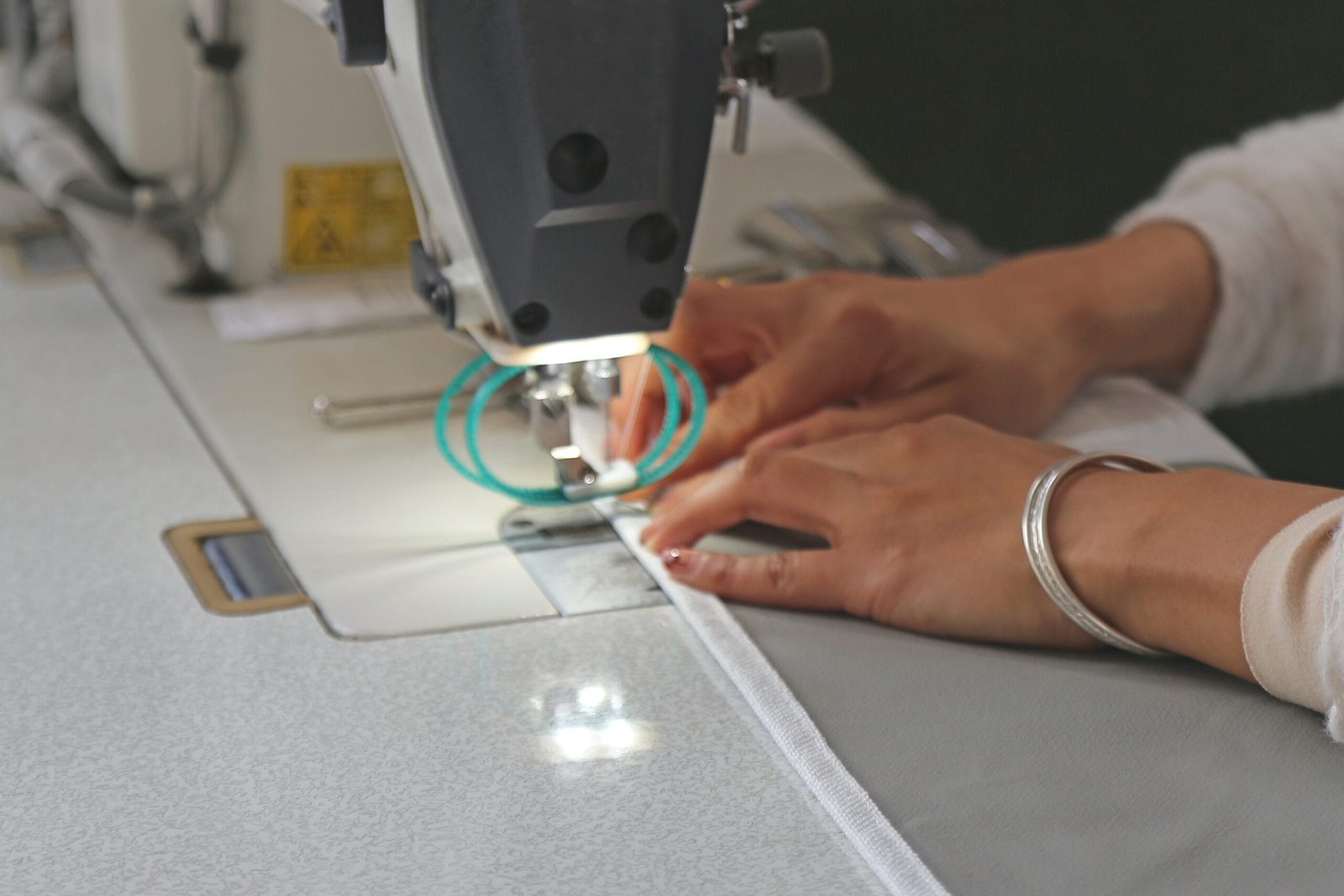
OEM (Original Equipment Manufacturer) means the factory produces curtains to your exact specification — fabric, weight, color, dimensions, heading style, finishing — and ships them in neutral or unbranded packaging. You provide the spec; the factory provides the product.
In curtain manufacturing, OEM is the dominant model for: large retailers buying private brand SKUs they’ll repack domestically, hospitality contractors fulfilling FF&E projects with specifier-driven requirements, and trade buyers who already have downstream branding and packaging operations.
Typical OEM order parameters in our experience:
- MOQ: 300–1,000 panels per SKU, depending on fabric and complexity
- Lead time: 25–30 days from PO to ex-works, including 7–10 days for sampling
- Cost structure: material + labor + factory margin, no branding premium
- Customization scope: full — including custom weaves, FR treatments, custom dimensions
What OEM does not include by default: your logo on the product, branded hangtags, custom retail packaging, or proprietary product naming. If you want those layers, you’ve moved into private label territory. For a fuller breakdown of what a factory can actually customize at the OEM level, see our solutions and OEM support page.
What Private Label Curtain Manufacturing Means
Private label curtains take the OEM product and wrap it in your brand identity — your logo on the packaging, your product name on the hangtag, your color palette across the unboxing experience, and your brand registered as the visible manufacturer to the end consumer.
In a private label arrangement, the factory still produces the curtain to spec, but commits to additional services: custom label printing, branded poly bags or fabric pouches, custom hangtags with care instructions in your brand voice, and often retail-ready inner cartons with your SKU codes.
Private label is the right model when you’re: building a DTC brand that controls the customer experience end to end, listing on Amazon under your own brand registry, supplying boutique retailers who expect on-shelf brand presence, or launching a curated home goods line where unboxing is part of the product.
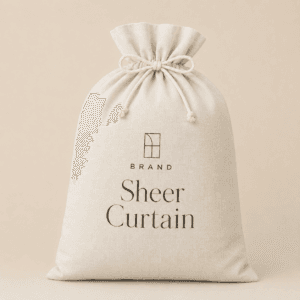
Typical private label add-ons we set up for brand clients:
- Custom-printed cotton or linen drawstring pouches with brand logo and product name
- Hangtags in kraft, white, or branded card stock (string or plastic loop)
- Care label woven or printed in your language and regulatory format
- Retail master cartons with SKU barcoding for direct shelf distribution
- Photography-ready samples for your launch shoot before bulk production
For the full private label process and lead time breakdown, see our private label curtain manufacturing overview.
Head-to-Head: MOQ, Cost, Lead Time, Brand Control
The cleanest way to compare OEM vs private label curtains is across the four dimensions that actually move on your spreadsheet:
MOQ. OEM minimums are driven by fabric setup costs. Private label MOQs are driven by both fabric setup and packaging setup (printing plates, hangtag dies, label runs). Expect private label MOQs to land 20–40% higher than the equivalent OEM order, or for the factory to ask for a packaging surcharge if you stay at OEM-level volumes.
Lead time. OEM typically runs 25–30 days. Private label adds 7–15 days for packaging artwork approval, hangtag printing, label production, and final assembly — call it 45–70 days end to end. First orders skew toward the upper end because you’re approving artwork and physical samples for the first time.
Cost structure. OEM unit cost is essentially [material + labor + factory margin]. Private label adds [custom packaging unit cost + one-time tooling amortization + branded sample rounds]. The packaging delta runs $0.30–$1.50 per panel depending on materials — small per unit, meaningful at 5,000-piece scale.
Brand control. This is the dimension that justifies the entire premium. With OEM, your factory could legally be making the same product for three of your competitors next week. With private label, your branded packaging, your hangtags, and (with proper contracts) your specific colorways and product names create defensible brand equity that lives in your customer’s home.
When OEM Is the Right Choice
OEM wins when one or more of these conditions describes your business:
- You already have downstream packaging operations (your own warehouse repacks for retail)
- You’re a buying group or trading company supplying multiple end-clients with different branding
- You’re a hospitality contractor fulfilling a one-off FF&E specification where the curtain is part of a larger room package, not a branded SKU
- You’re price-sensitive at thin margins and can’t absorb the packaging premium
- You’re testing a new product category and want to validate demand before investing in branded assets
The honest answer most sourcing managers will give you: if your channel doesn’t reward brand presence at the curtain SKU level, OEM is more cost-efficient and faster to market.
When Private Label Wins
Private label is the right call when your business model captures value through brand experience:
- You’re building a DTC home goods brand where every product touchpoint reinforces the brand
- You sell on Amazon and need brand registry protection plus differentiated listings
- You supply boutique retailers, design showrooms, or curated marketplaces that expect on-product branding
- You’re building a long-term moat against private label competitors who could otherwise OEM the same product from your factory
- Your customer acquisition cost is high enough that retention through unboxing experience materially impacts LTV
The packaging delta of $0.30–$1.50 per panel is trivial compared to the lifetime value of a customer who keeps your brand visible in their living room for the next decade.
The Hybrid Model: Where Most Mature Brands Actually Live
The cleanest decision framework is rarely the most accurate one. In real sourcing operations, mature brands run a hybrid model: private label for hero SKUs that anchor brand identity, OEM for long-tail variants where margin pressure outweighs branding value.
A typical hybrid setup we see across DTC and omni-channel brands: their blackout curtains (the brand’s signature category) run full private label with custom pouches, hangtags, and a printed care guide. Their sheer voile variants — a complementary upsell with lower per-unit margin — run OEM in neutral white poly bags, with brand stickers applied during fulfillment.
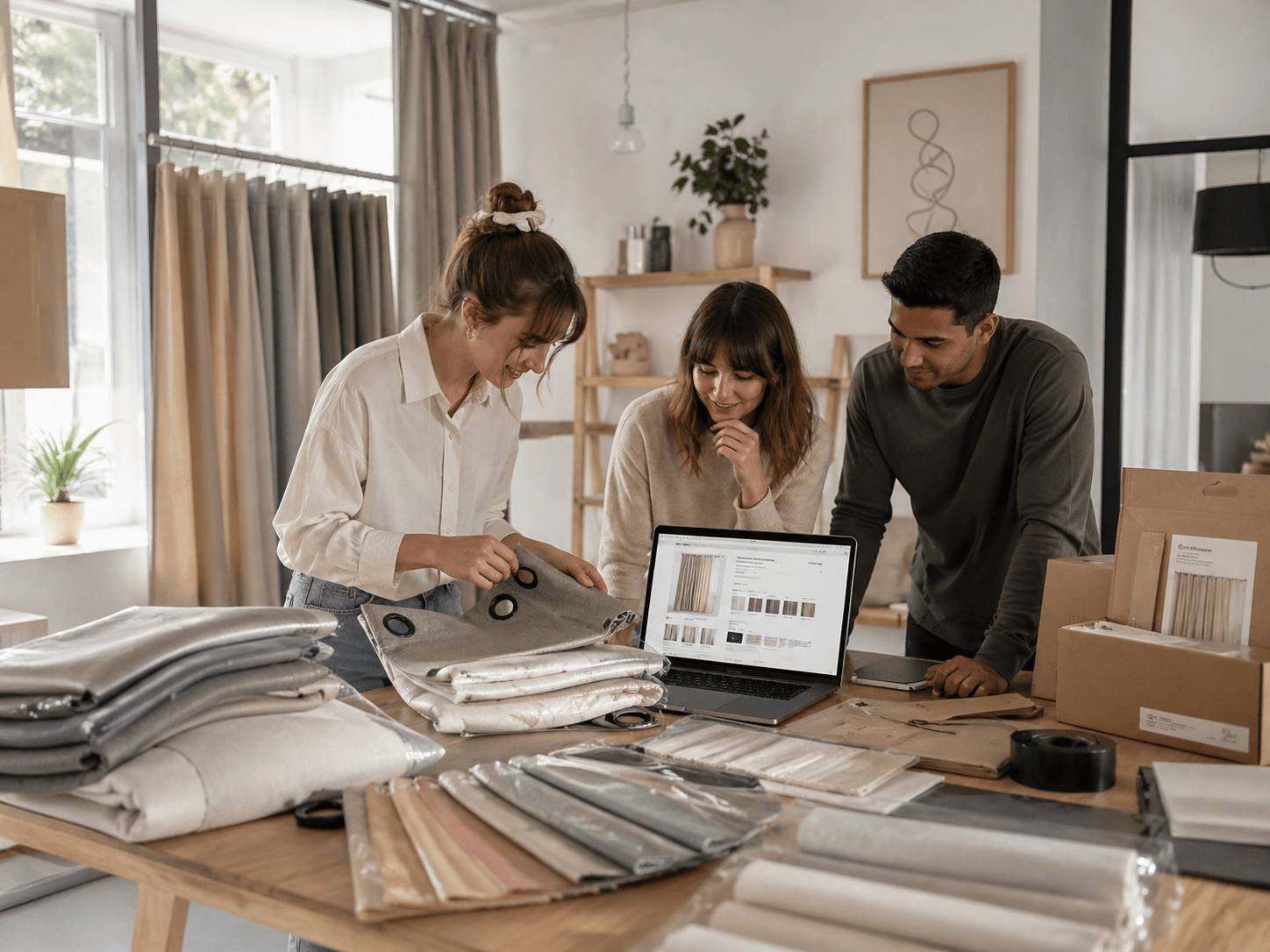
The hybrid model lets you protect brand equity where it matters most while keeping your average COGS competitive. The discipline is matching the model to the SKU’s strategic role, not applying one model uniformly across the catalog.
Frequently Asked Questions
What’s the main difference between OEM and private label curtains?
OEM means the factory produces curtains to your spec and ships them in neutral packaging — your brand is not on the product. Private label adds custom branded packaging, hangtags, and labels, so the curtain reaches the end customer as a branded product. The curtain itself can be identical; the difference is the brand experience wrapped around it.
Which has lower MOQ — OEM or private label curtains?
OEM almost always has the lower MOQ. Typical OEM minimums sit at 300–1,000 panels per SKU. Private label MOQs run 20–40% higher because branded packaging, hangtags, and labels carry their own setup costs (printing plates, dies, label runs). Some factories will accept OEM-level volumes for a first private label order with a packaging surcharge instead.
How much more expensive is private label compared to OEM?
The per-unit packaging delta typically runs $0.30–$1.50 per panel, depending on hangtag material, pouch fabric, and printing complexity. On top of that, you’ll pay one-time tooling costs for printing plates and dies. At 5,000-piece scale the delta is meaningful but rarely deal-breaking; at 200-piece test runs the tooling amortization can be material.
Can I start with OEM and upgrade to private label later?
Yes, and it’s a common path. Many brands start OEM to validate fabric, color, and sizing without committing to packaging investment. Once a SKU proves out, they invest in private label assets — branded pouches, hangtags, and care labels — on the second or third reorder. Just make sure your initial OEM order doesn’t lock the factory into producing the same curtain for competitors at the same price tier.
Do private label curtains take longer to produce?
Generally yes, by 7–15 days. Standard OEM lead time runs 25–30 days; private label adds time for packaging artwork approval, hangtag printing, label production, and final brand assembly — typically 45–70 days end to end. First private label orders skew toward the upper range because of the initial artwork approval cycle.
Do I need to register a trademark before ordering private label curtains?
You can produce private label without a registered trademark, but you shouldn’t sell at scale without one. Register your brand in your primary target market before your first commercial order — particularly if you plan to sell on Amazon (Brand Registry requires it) or in markets where bad actors file defensive trademarks. The factory side doesn’t require trademark proof; your downstream channels will.
Bottom Line: Choosing the Model That Matches Your Growth Stage
If your business captures value through price or fulfillment efficiency, OEM is the right model. If your business captures value through brand experience and customer retention, private label is the right model. If you’re past the validation stage and building a real catalog, you’ll end up running both — and the strategic skill is knowing which SKU gets which treatment.
The factory side of this conversation is straightforward: a serious curtain manufacturer should be able to quote you both models against the same product specification, walk you through the MOQ and lead time differences in concrete terms, and show you packaging samples from past private label projects without asking you to invest in tooling first. If a supplier can’t do that on a first call, that’s a signal — not about OEM vs private label, but about whether you’ve found the right manufacturing partner.
Author: DAIRUI Sourcing Desk · Last reviewed: 2026-05