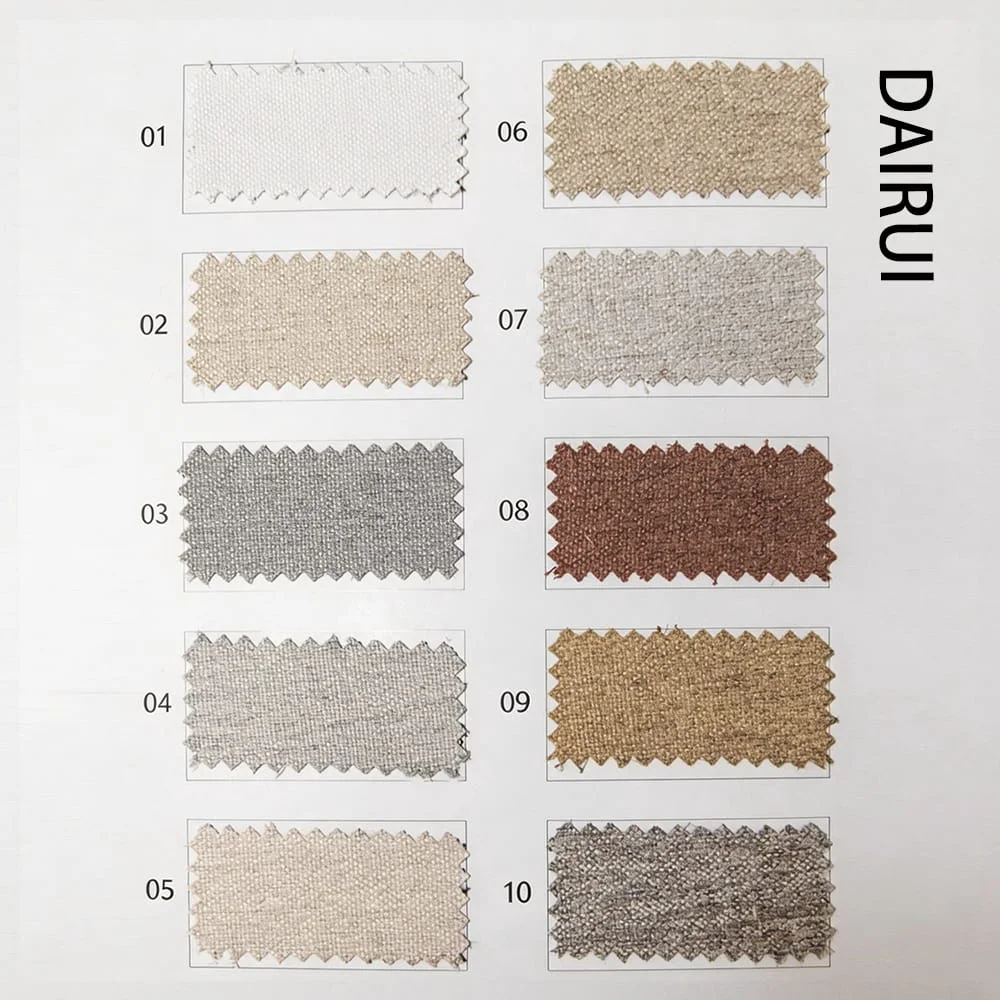
Bottom line: Curtain color can drift slightly between orders because each dye lot is a separate dyeing run, and no two runs are ever perfectly identical. You manage it – you cannot eliminate it – by keeping a retained master swatch, specifying a color tolerance (a grey-scale rating of 4-5 is the usual commercial pass), ordering same-lot for any single project, and carrying a small safety stock. For one-off installs like a hotel, insist on one dye lot; for ongoing retail, lab-dip every reorder against your retained standard.
Why Curtain Colors Drift Between Orders
A buyer’s most common reorder complaint is “the second batch does not match the first.” It is rarely a mistake – it is the nature of dyeing. Color is created by running fabric through a dye bath, and each run is affected by tiny variations in dye concentration, temperature, time, water, and even the specific lot of base fiber. Those variables combine into a dye lot: a single, consistent batch of fabric dyed together. Across two different lots, a small shift is normal.
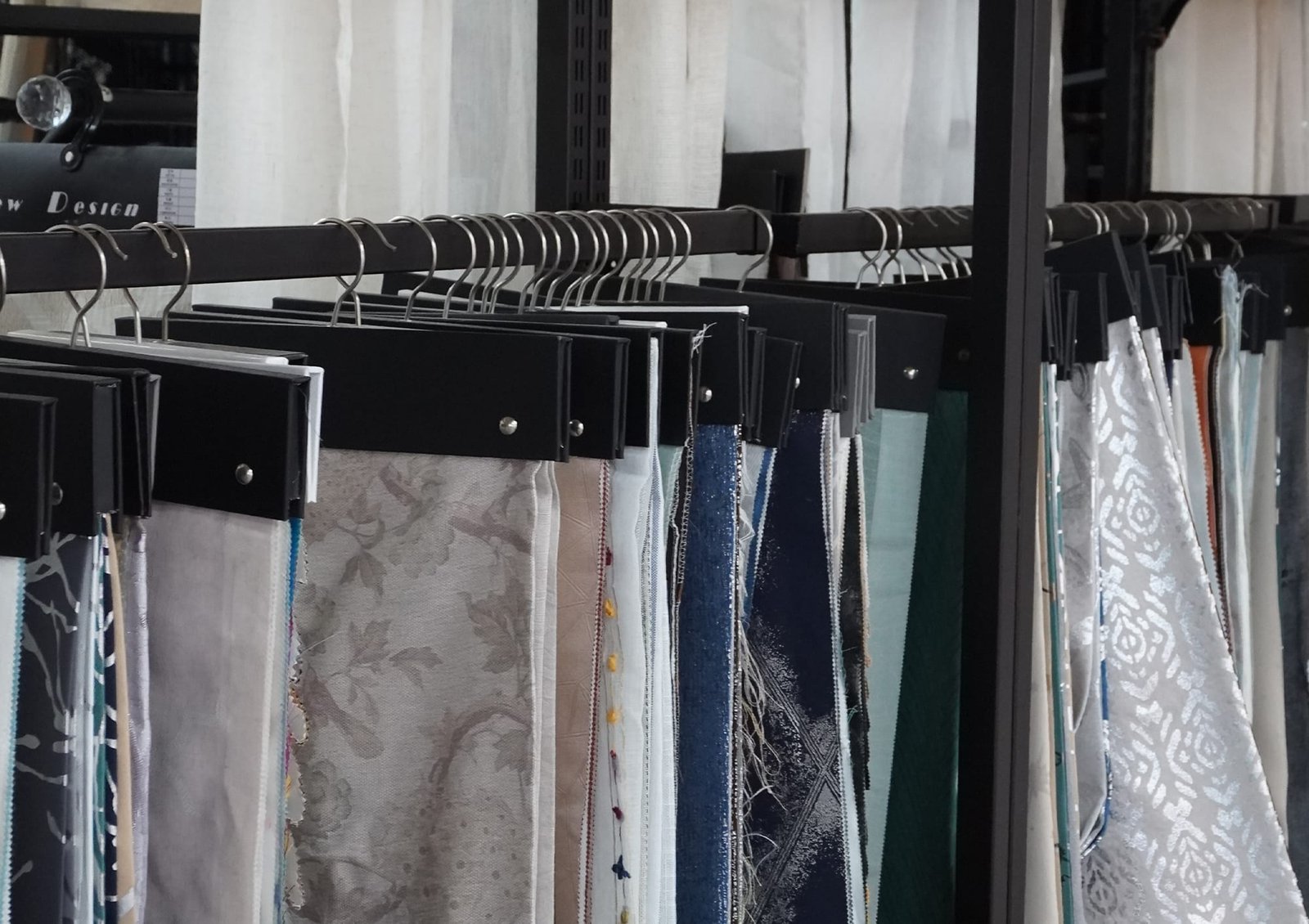
This is true of every textile mill on earth, not a sign of a weak supplier. The difference between a good manufacturer and a careless one is not whether dye lots vary – they always do – but whether the mill controls the variation against a standard and tells you honestly how close a reorder will match. Your job as the buyer is to set up the controls that hold color across time.
What a Dye Lot Is – and Why It Matters
A dye lot is one batch of fabric dyed in a single run to one recipe. Within a lot, color is consistent end to end. Between lots, even with the same recipe, there can be a slight, often subtle difference. That matters in two very different ways depending on how the curtains are used:
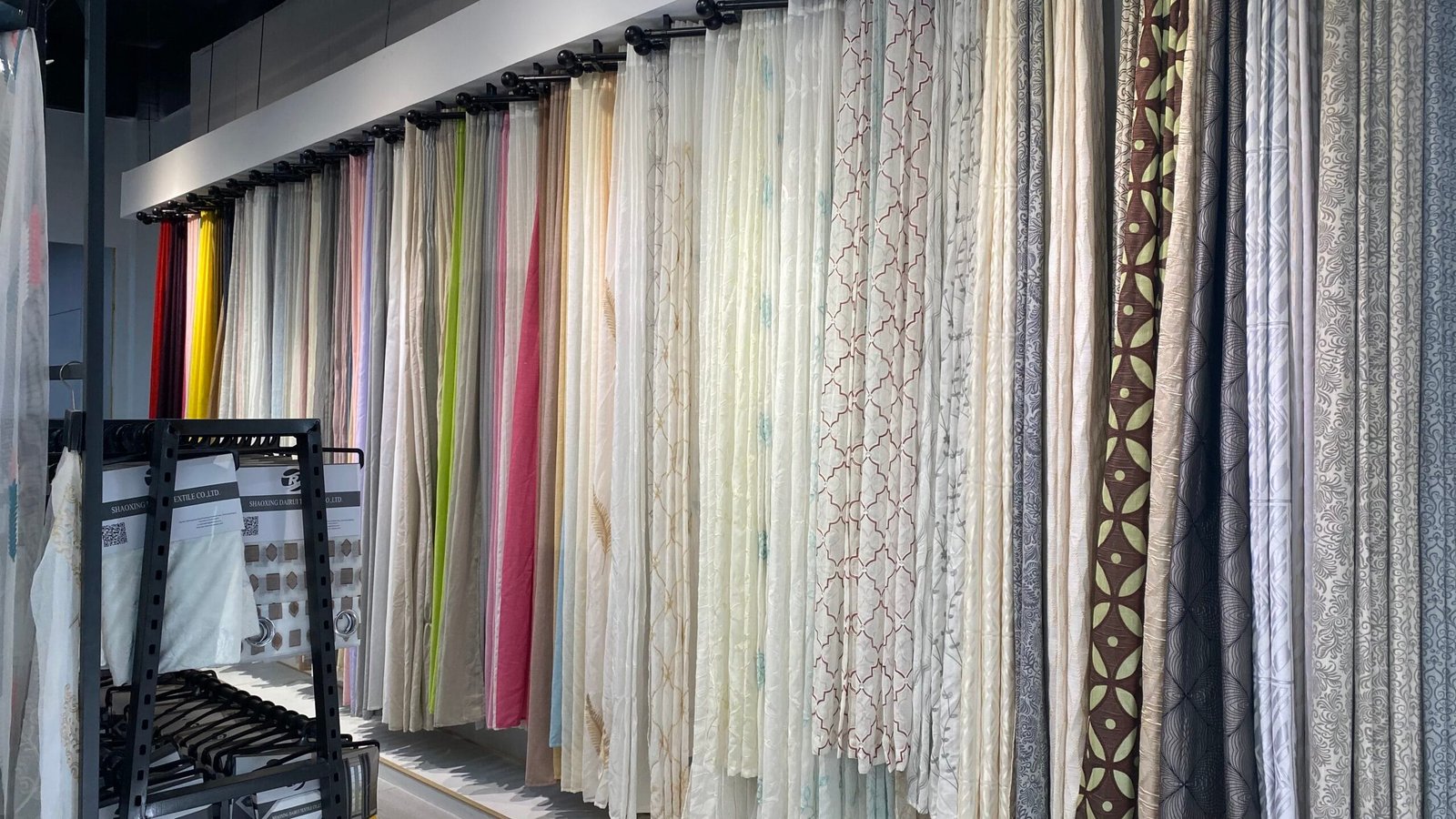
- Within one project (a hotel floor, one room set): all panels must come from the same dye lot, because they hang side by side and the eye catches any mismatch instantly.
- Across reorders over time (a retail range): a new lot months later only needs to be a commercial match to your standard – close enough that a customer would not notice on a fresh purchase, not a laboratory-perfect match to stock sold last season.
Confusing these two is where buyers get burned: demanding lab-perfect cross-season matching is unrealistic, while letting a single project ship from mixed lots is a real defect.
How to Lock Color Across Reorders

Five controls keep color predictable order to order:
- Keep a retained master swatch. Hold a physical sample of your approved color as the standard, and have the mill keep a matching one. Every future lot is judged against it, not against the last shipment.
- Specify a tolerance in writing. State the acceptable color difference – commonly a grey-scale rating of 4-5 – so “matching” is a defined pass/fail, not an opinion.
- Order same-lot for a single project. For any install where panels hang together, require all units from one dye lot, and order a little extra so a shortfall does not force a second lot.
- Lab-dip every reorder. Before bulk on a repeat order, have the mill run a lab dip against your retained standard and approve it – the same $50-80, 3-5 day step used at first sampling.
- Carry a safety stock. Holding roughly 5-10% extra of a core color bridges the gap between lots and covers replacements without triggering a new run.
These controls are exactly the kind of thing to confirm when you vet a mill in the first place – see how it fits into the wider checklist in our curtain fabric manufacturer guide, and how color is matched at first order in how curtain sampling works.
Tolerance: How Close Is a “Match”?
Color matching is graded, not absolute. Mills assess it against a grey scale (a standardized 1-5 rating of color difference), where 4-5 is the usual commercial pass for home textiles – a difference small enough that a normal buyer would not notice it in use. Asking for a perfect 5 on every lot is possible only at a cost and lead-time premium most curtain programs do not need.
| Situation | Target | Why |
|---|---|---|
| Panels in one room / project | Same dye lot | Side-by-side hanging shows any shift |
| Reorder of a retail SKU | Grey scale 4-5 vs standard | Commercial match, judged on its own |
| Premium / brand-critical color | Tighter tolerance + lab dip each lot | Brand identity needs closer control |
Set the tolerance to the use. A high-street retail blackout does not need the same control as a signature brand color – and pricing the two the same wastes money on one or risks the other.
Who Should Worry Most About Dye Lots
Single-project buyers – hotels, contract installs, anyone hanging many panels together at once – carry the highest risk and should treat same-lot ordering as non-negotiable. A switch of suppliers mid-program is another high-risk moment, because the new mill’s lot will not match the old one’s; bridge it deliberately rather than assuming a clean handover, as covered in our guide to switching curtain suppliers without losing specs or quality. Ongoing retail and DTC sellers face lower stakes per order but need a standing process – retained swatch plus lab dip per reorder – so their range stays coherent season to season.
Frequently Asked Questions
Why does my curtain reorder not match the first batch?
Because each order is dyed in a separate dye lot, and no two dyeing runs are perfectly identical – dye concentration, temperature, time, water, and fiber lot all vary slightly. A small shift between lots is normal for every textile mill. Control it with a retained master swatch and a specified tolerance rather than expecting an exact match.
What is a dye lot?
A dye lot is one batch of fabric dyed together in a single run to one recipe. Color is consistent within a lot but can differ slightly between lots, even with the same recipe. For panels that hang together, order from a single dye lot; for reorders over time, match each new lot to a retained standard.
How do I keep curtain color consistent across reorders?
Keep a physical retained master swatch as your standard, specify a color tolerance in writing (a grey-scale rating of 4-5 is the usual commercial pass), lab-dip every reorder against that standard before bulk, order same-lot for any single project, and carry about 5-10% safety stock of core colors.
Should all curtains for one hotel come from the same dye lot?
Yes. Panels that hang side by side in the same space must come from one dye lot, because the eye catches any color shift between adjacent panels immediately. Order a little extra within that lot so a shortfall does not force a second, slightly different run.
How close should a color match be?
Matching is graded on a grey scale from 1 to 5, and 4-5 is the standard commercial pass for home textiles – a difference small enough not to be noticed in normal use. A perfect 5 on every lot is achievable only at a cost and lead-time premium that most curtain programs do not require.
Can a supplier guarantee an exact color match on every order?
No honest mill guarantees a laboratory-perfect match on every future lot, because dyeing always varies slightly. What a good supplier does guarantee is control against your retained standard within an agreed tolerance, a lab dip before each bulk run, and same-lot supply for any single project.
Bottom Line
Dye-lot variation is built into how fabric is colored, so the goal is control, not the impossible promise of an identical match. Keep a retained master swatch, write a tolerance into the order (grey scale 4-5 for most home textiles), insist on same-lot supply for any project that hangs together, lab-dip every reorder, and hold a small safety stock. Get those habits in place and color stops being a reorder gamble – it becomes a managed spec, with the heaviest discipline reserved for hotels and brand-critical colors.
Last reviewed: 2026-06. Author: DAIRUI Sourcing Desk.