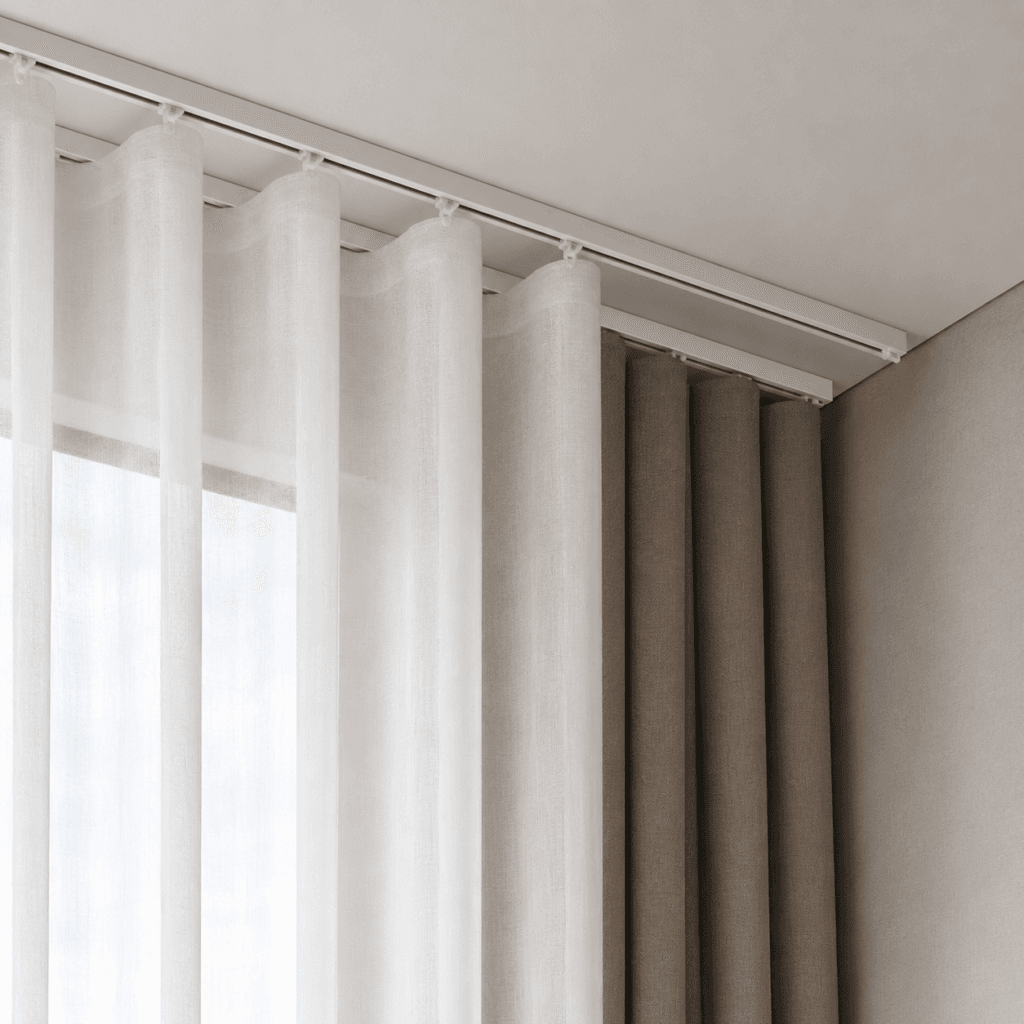
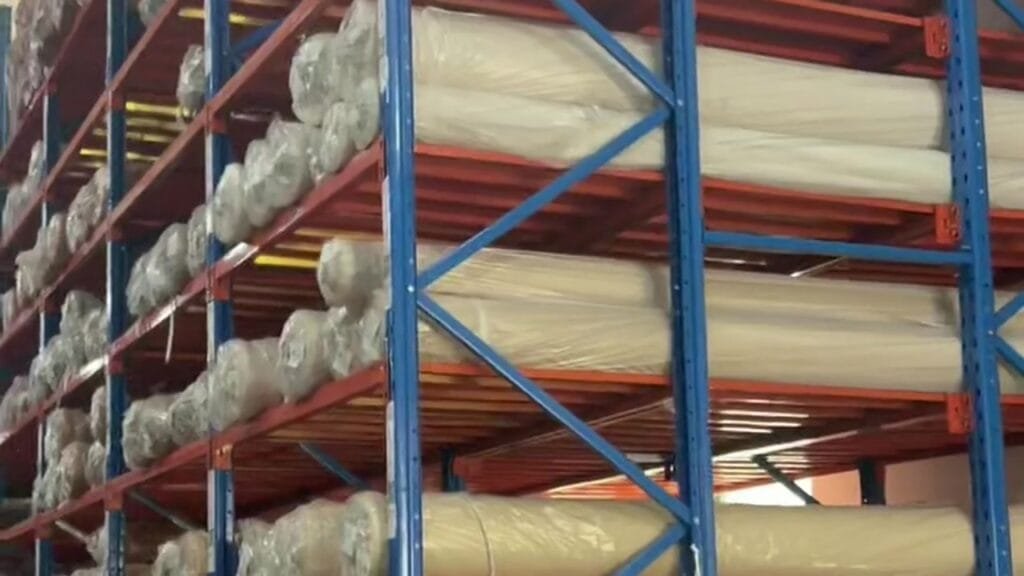
Bottom line: A custom curtain sample costs roughly $50–80 per colorway and ships in 3–5 working days for stock fabric; trial production runs start at about 50 pcs before standard bulk MOQ (200–500 pcs) kicks in. Sampling exists to lock color, hand-feel, GSM, and construction before you commit capital to a bulk order — but a sample proves material and workmanship, not batch consistency. Approve a pre-production sample, then inspect bulk against it.
Why a curtain sample is the cheapest insurance in your order
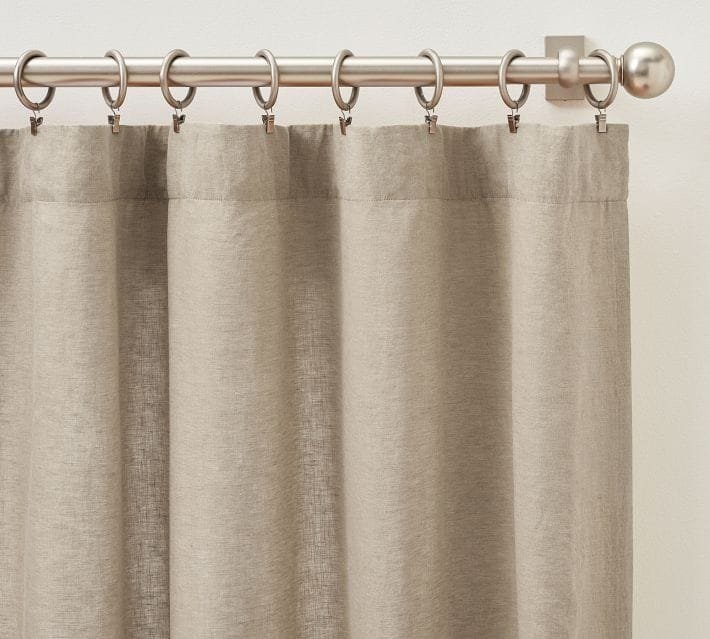
For a wholesale or private-label buyer, the gap between a product photo and a finished panel is where most sourcing disputes are born. A web image can’t communicate the weight of a fabric in your hand, the true color under your showroom lighting, or whether a “blackout” actually blocks light at the seam. A sample closes that gap for the price of a dinner — typically a fraction of one percent of the bulk order it protects.
The logic is simple: a $60 sample that catches a color mismatch saves you from a 300-panel order that no retailer will accept. Experienced buyers treat sampling not as a hurdle but as a paid checkpoint — the one stage where you can change your mind cheaply. Skipping it to “save time” is the most expensive shortcut in curtain sourcing.
The four types of curtain samples (and what each one is for)
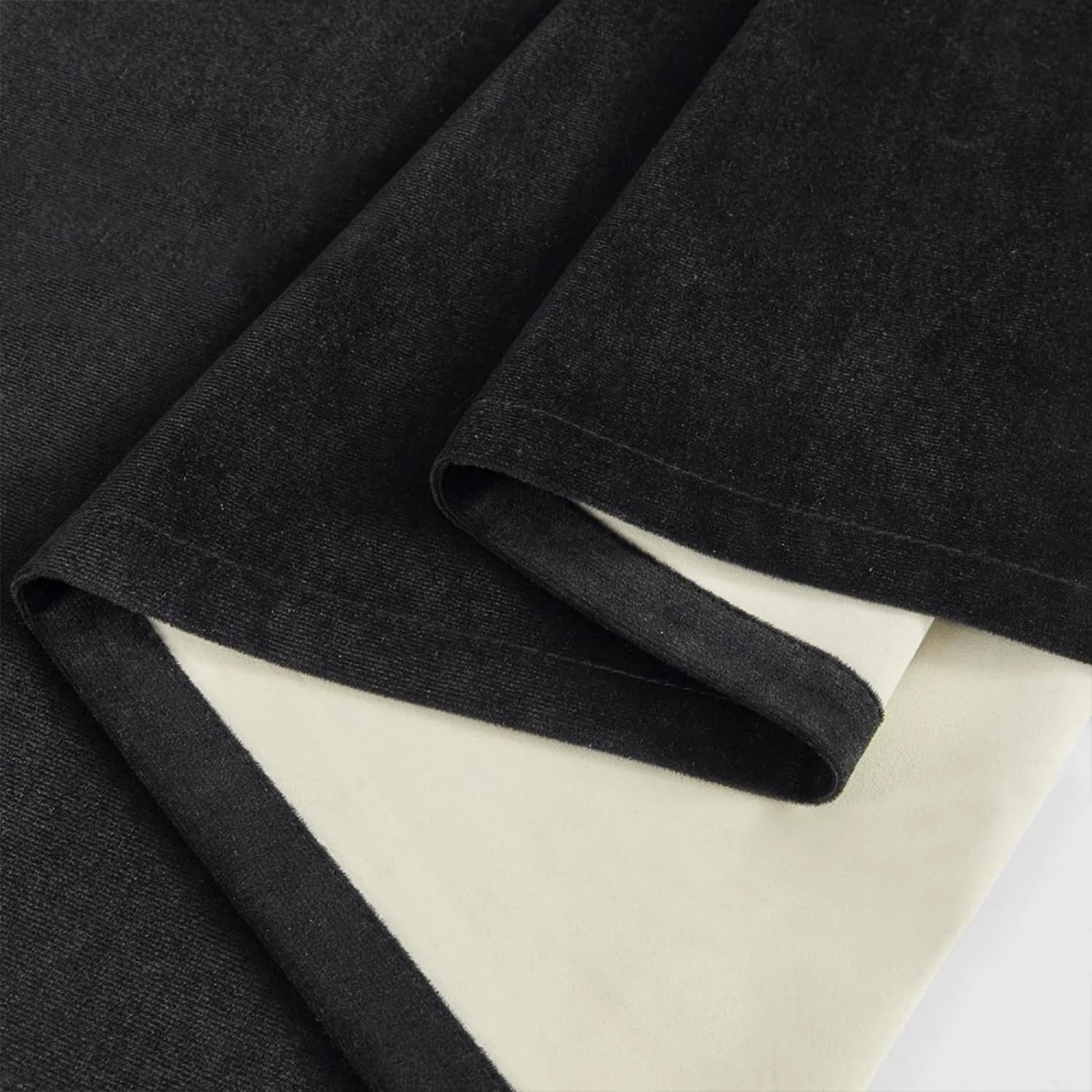
“Send me a sample” can mean four very different things. Knowing which one you actually need prevents wasted days and unclear expectations:
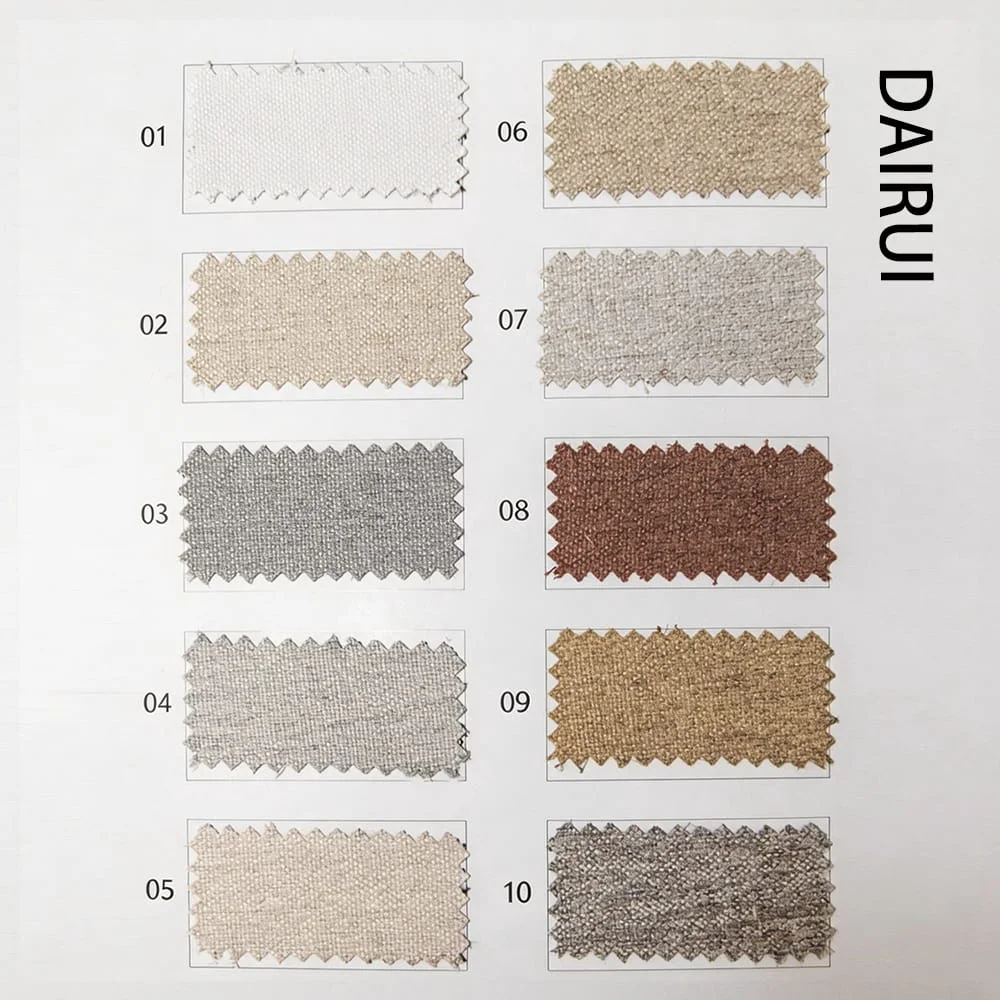
- Swatch / hanger sample — a small cut of existing stock fabric, often free or a few dollars. Confirms fabric type, GSM, and base color only. No header, no finishing.
- Color sample / lab dip — the factory dyes the fabric to your specific Pantone or physical reference. This is where you approve the exact shade before anything is woven or finished at scale.
- Pre-production sample (PPS) — a full finished panel made to your final spec: correct fabric, color, GSM, header style, hem, and label. This becomes the contractual reference for the bulk run.
- Salesman / counter sample — a presentation-grade panel you keep for your own showroom or to win your end client, usually built from the approved PPS.
The order matters. A swatch answers “is this the right fabric?”; a lab dip answers “is this the right color?”; a PPS answers “will the finished product be right?” Paying for a PPS and approving it in writing is the single most important step before bulk — it is the reference an inspector will measure your shipment against.
What curtain sampling costs — and why “free samples” can cost you more
A custom curtain sample typically runs $50–80 per colorway, plus express courier (usually $30–50 via DHL/FedEx to most markets). Most reputable factories deduct the sample fee from your bulk order once you proceed, so a paid sample is effectively a refundable deposit on quality.
Be cautious with suppliers offering unlimited “free custom samples.” Cutting, dyeing, and finishing a one-off panel has a real cost; a factory absorbing it on every inquiry is either pulling from someone else’s leftover stock (so your sample isn’t truly representative of fresh production) or building that cost back into a higher unit price. A modest, deductible sample fee is a healthy sign you’re dealing with an actual manufacturer rather than a trading desk forwarding requests.
Sample lead times: what 3–5 days really covers
| Sample type | Typical lead time | What’s happening |
|---|---|---|
| Swatch from stock | 1–2 days | Cut and dispatch existing fabric |
| Color sample / lab dip | 3–5 working days | Custom dye + dry + cut |
| Pre-production sample (PPS) | 7–15 working days | Full finishing: header, hem, label, packing |
| Custom-woven / printed fabric | 15–25 working days | New weave or print run before sampling |
The “3–5 days” figure most factories quote applies to a color sample on fabric they already stock. If you need a new weave, a custom print, or a fully finished PPS, plan for two to three weeks. Building these realistic windows into your timeline upfront prevents the classic mistake of promising a retail buyer a delivery date that the sampling stage alone can’t support. For how sampling fits into total order timing, see our breakdown of private label MOQ, lead time, and cost.
What a sample proves — and three things it can’t
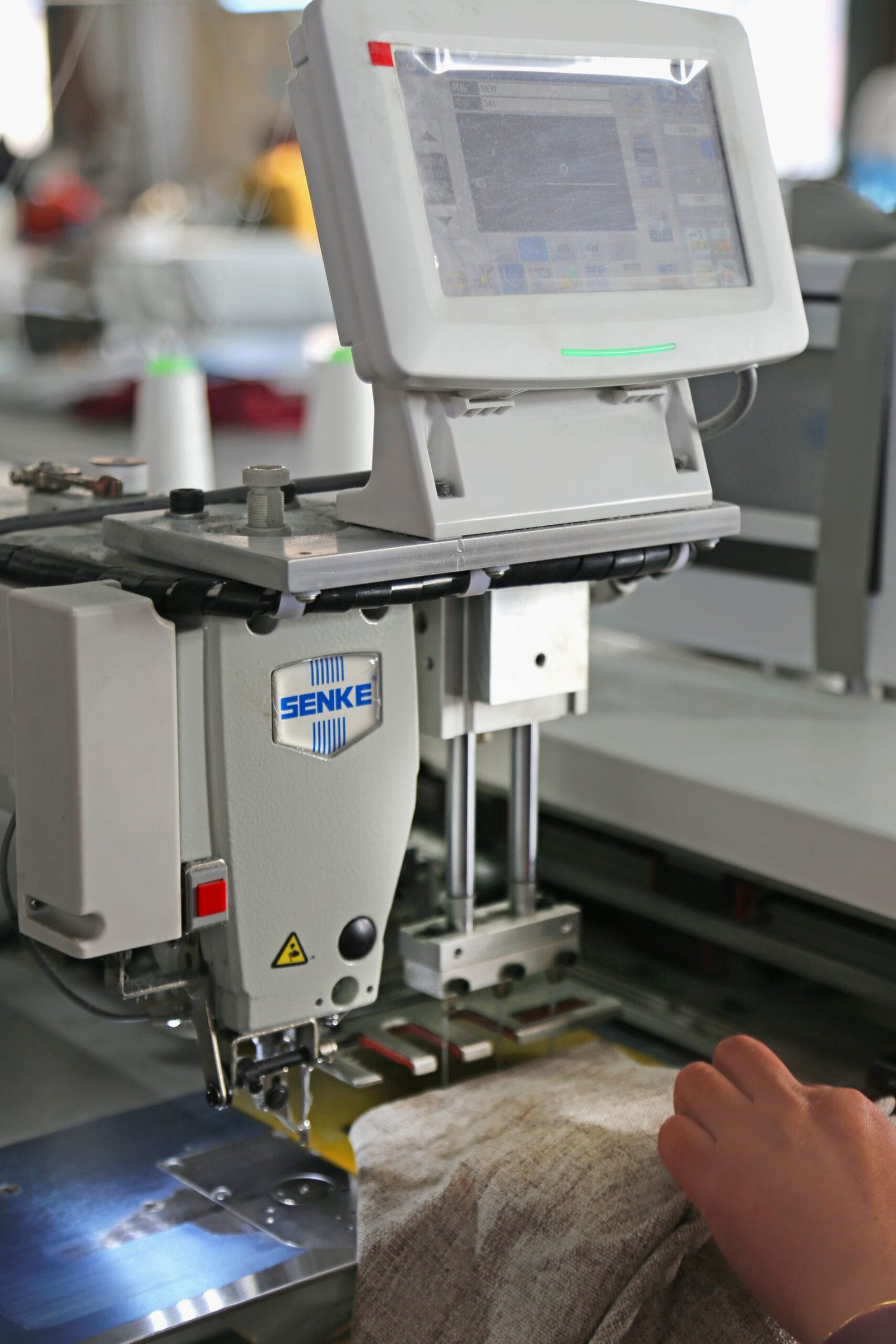
An approved sample reliably proves three things: the fabric (fiber, weave, GSM, hand-feel), the color under your own lighting, and the workmanship (header construction, stitch density, hem weight, label placement). These are exactly the attributes that cause rejections, so locking them down is genuinely valuable.
But honesty matters here, because over-trusting a sample is its own risk. A single sample cannot prove:
- Batch consistency. One perfect panel doesn’t guarantee 300 identical ones. Dye lots shift; that’s a production-control issue, not a sampling one.
- Performance claims. Fire-retardant or OEKO-TEX status is verified by lab test reports on the production batch, not by how a sample looks or feels. Ask for the certificate tied to your shipment.
- Durability over time. Wash-fastness, shrinkage, and coating wear show up after repeated laundering — request the relevant test data rather than inferring it from one panel.
This is why the workflow is sample → approve PPS → inspect bulk against the PPS. The sample sets the standard; pre-shipment QC enforces it across the whole run.
How to evaluate the sample you receive: a 6-point checklist
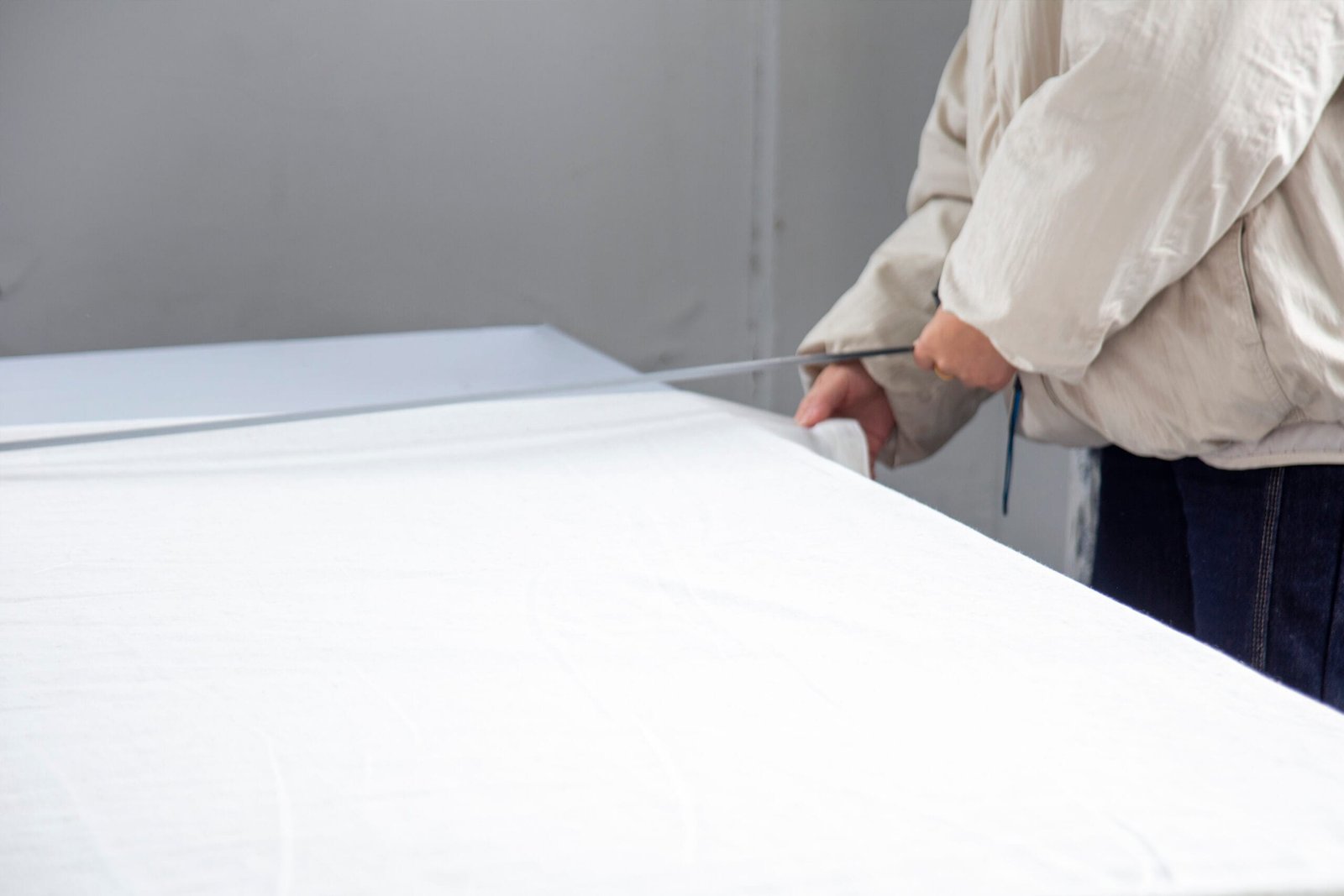
- Color under three lights. Check the sample in daylight, showroom/LED, and warm incandescent. Metamerism — a color that matches under one light but shifts under another — is a common, avoidable dispute.
- Weigh it. Confirm the GSM matches spec with a kitchen scale and the panel’s area. A “260 GSM blackout” that feels thin is a red flag worth raising before bulk.
- Test the light block. Hold blackout samples to a bright window, especially at seams and needle holes, where 2-pass coatings often leak.
- Inspect the header and hem. Even pleats, straight stitching, reinforced corners, and correct hem weight signal real production discipline.
- Check the label and finish. Your label, care symbols, and packaging should match exactly what you specified — these are easy to get wrong and easy to verify.
- Keep a signed counter-sample. Sign and date a retained panel. If a bulk dispute arises, this is your physical reference — far stronger than email descriptions.
Run this checklist the day the sample arrives, while you can still adjust cheaply. A factory that welcomes detailed sample feedback is one that takes your bulk order seriously. For choosing the supplier you sample with in the first place, see our guide to choosing a reliable China curtain manufacturer.
Frequently Asked Questions
How much does a custom curtain sample cost?
A custom color sample typically costs $50–80 per colorway, plus $30–50 express courier. Most factories deduct the sample fee from your bulk order once you proceed, making it effectively a refundable quality deposit.
How long does curtain sampling take?
Color samples on stock fabric ship in 3–5 working days. A fully finished pre-production sample takes 7–15 days, and a custom-woven or printed fabric sample takes 15–25 days because the material must be produced first.
Can I get free curtain samples from a Chinese manufacturer?
Small stock swatches are often free. A true custom sample (your color, spec, and finishing) is usually charged, because cutting and dyeing a one-off panel has real cost. A modest, deductible fee is a sign you’re dealing with an actual factory rather than a reseller.
What is the minimum order after sampling?
Trial production runs often start around 50 pcs per SKU, with standard bulk MOQ at 200–500 pcs depending on whether you use stock or custom-dyed fabric. A trial run lets you test the market before committing to full volume.
What is a pre-production sample (PPS)?
A PPS is a fully finished panel made to your final specification — correct fabric, color, GSM, header, hem, and label. Once you approve it in writing, it becomes the contractual reference that your bulk shipment is inspected against.
Does an approved sample guarantee my bulk order will match?
No. A sample proves material, color, and workmanship, but not batch consistency across hundreds of panels. Protect yourself by approving a PPS and then running a pre-shipment inspection that compares the bulk run against that approved sample.
Bottom Line
Curtain sampling is the cheapest, fastest checkpoint in your entire sourcing process. Budget $50–80 per colorway and 3–5 days for a color sample, then insist on a finished pre-production sample before bulk. Treat the approved PPS as your contract reference and inspect every shipment against it. Samples prove material and craftsmanship; disciplined production control and pre-shipment QC prove consistency — you need both.
Author: DAIRUI Editorial Team. Last reviewed: 2026-06.