As the healthcare industry expands, ensuring patient safety, comfort, and hygiene has never been more important. A key component in achieving this is hospital privacy curtains—an essential feature in any medical facility. From hospitals and clinics to long-term care homes, these curtains help safeguard patient privacy and reduce the risk of infection.
This guide compares disposable and reusable hospital privacy curtains, helping procurement teams select the most suitable option for their facility.
What Are Hospital Privacy Curtains?
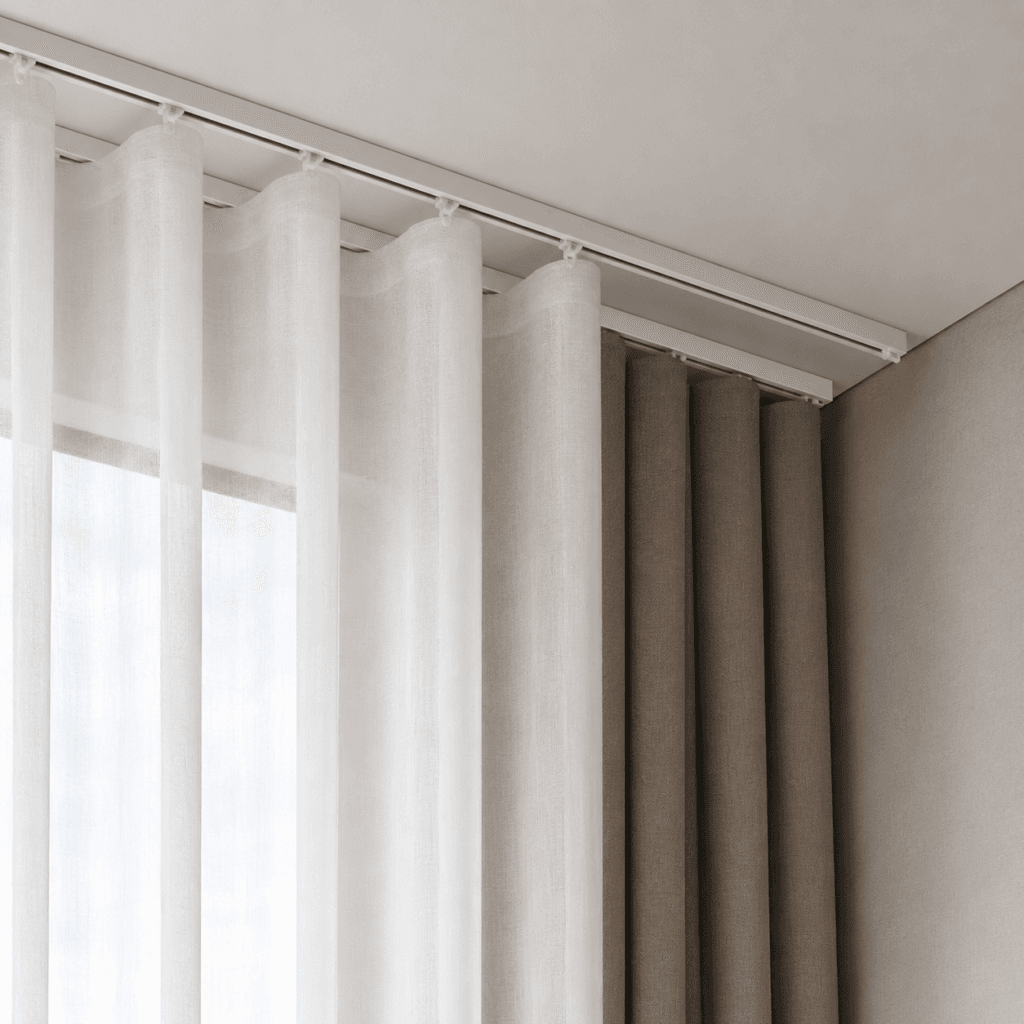
Hospital privacy curtains, also known as cubicle curtains, are used to create separate spaces around hospital beds, examination areas, and treatment zones. These curtains are typically mounted on ceiling tracks and are made from flame-retardant and antimicrobial fabrics.
Their main functions include:
Protecting patient privacy
Reducing the risk of cross-infection
Providing a more comfortable healing environment
Disposable vs. Reusable Curtains: A Quick Comparison
Let’s break down the key differences between disposable and reusable hospital curtains:
Disposable Privacy Curtains
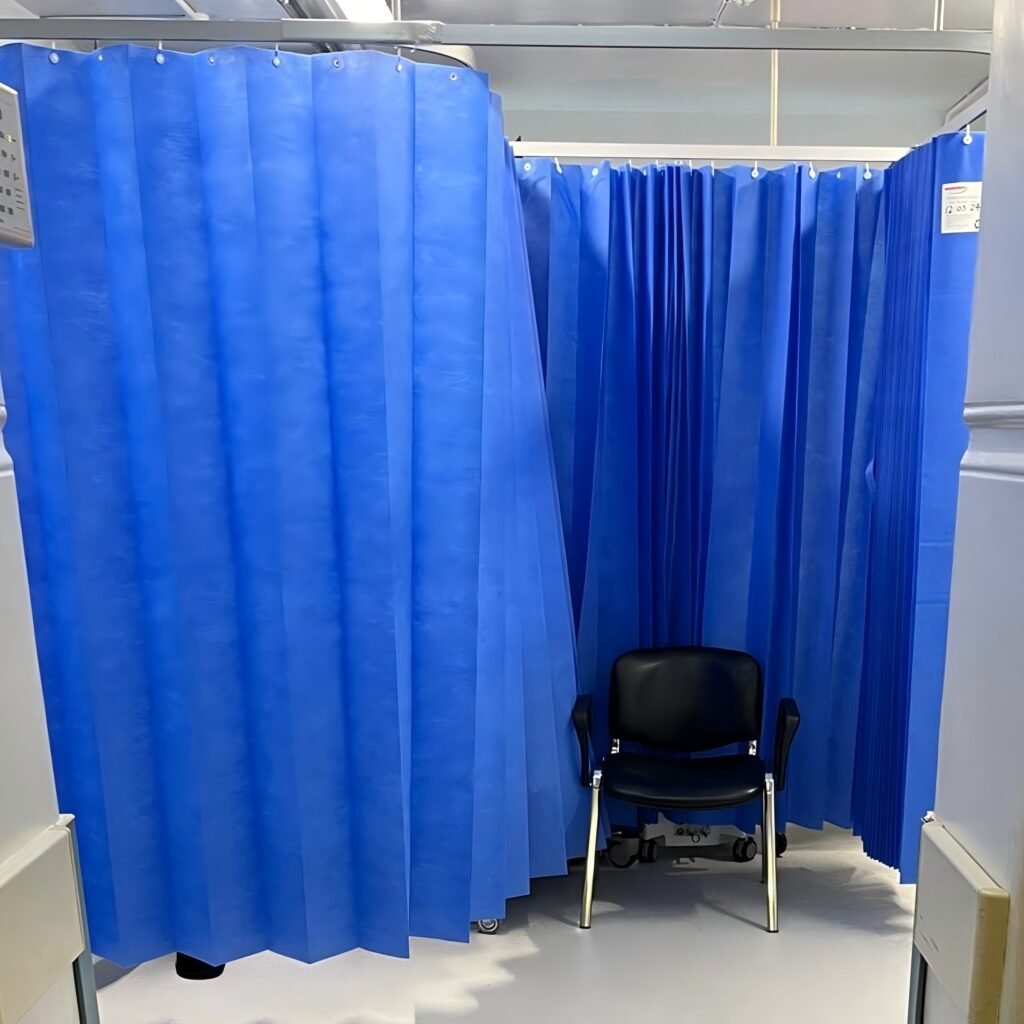
Disposable curtains are designed for short-term use, usually replaced after each patient or when visibly soiled. They have gained popularity in recent years due to their role in infection control.
Advantages:
Better Infection Control: Single-use curtains minimize the risk of bacteria spreading from one patient to another.
Time-Saving: No need to wash or sanitize—just replace and go.
Challenges:
Higher Long-Term Cost: Though cheaper per unit, frequent replacements can increase overall costs.
Environmental Concerns: Most are non-biodegradable and add to medical waste. While recyclable options exist, they’re not widely adopted.
Reusable Privacy Curtains
Reusable curtains are made from durable, washable fabrics. Designed to endure multiple laundry cycles, they are a more sustainable and cost-effective choice for many healthcare facilities.
Advantages:
Cost-Effective Over Time: Quality curtains can last 5–10 years with proper care.
Eco-Friendly: Reduces waste and carbon footprint compared to disposables.
Challenges:
Maintenance Required: Needs regular washing, which involves labor and utility costs.
Stain Management: Some stains may not fully wash out, requiring occasional replacements.

Why Privacy Curtains Matter

Hospital curtains do more than divide space—they enhance the overall healthcare experience.
Patient Dignity: Curtains provide much-needed privacy during exams, treatments, or rest.
Infection Prevention: When maintained properly, they help stop the spread of harmful bacteria.
Better Organization: Curtains help manage space more efficiently, especially in shared wards.
How Often Should Curtains Be Replaced or Washed?
Disposable Curtains: Replace after each patient or when visibly dirty. In high-traffic areas, change more frequently.
Reusable Curtains: Wash at least every two weeks, or more often depending on usage. Follow strict hospital laundry protocols.

Which Type Should You Choose?
Every medical facility has unique needs. Here’s how to decide what suits your operations best:

| Criteria | Disposable Curtains | Reusable Curtains |
|---|---|---|
| Infection Control | ✅ Excellent | ✅ Good (with regular cleaning) |
| Cost Efficiency | ❌ Higher over time | ✅ More economical long-term |
| Sustainability | ❌ Adds to landfill waste | ✅ Eco-friendly option |
| Ease of Use | ✅ No maintenance required | ❌ Requires laundry service |
What to Look for in a Supplier
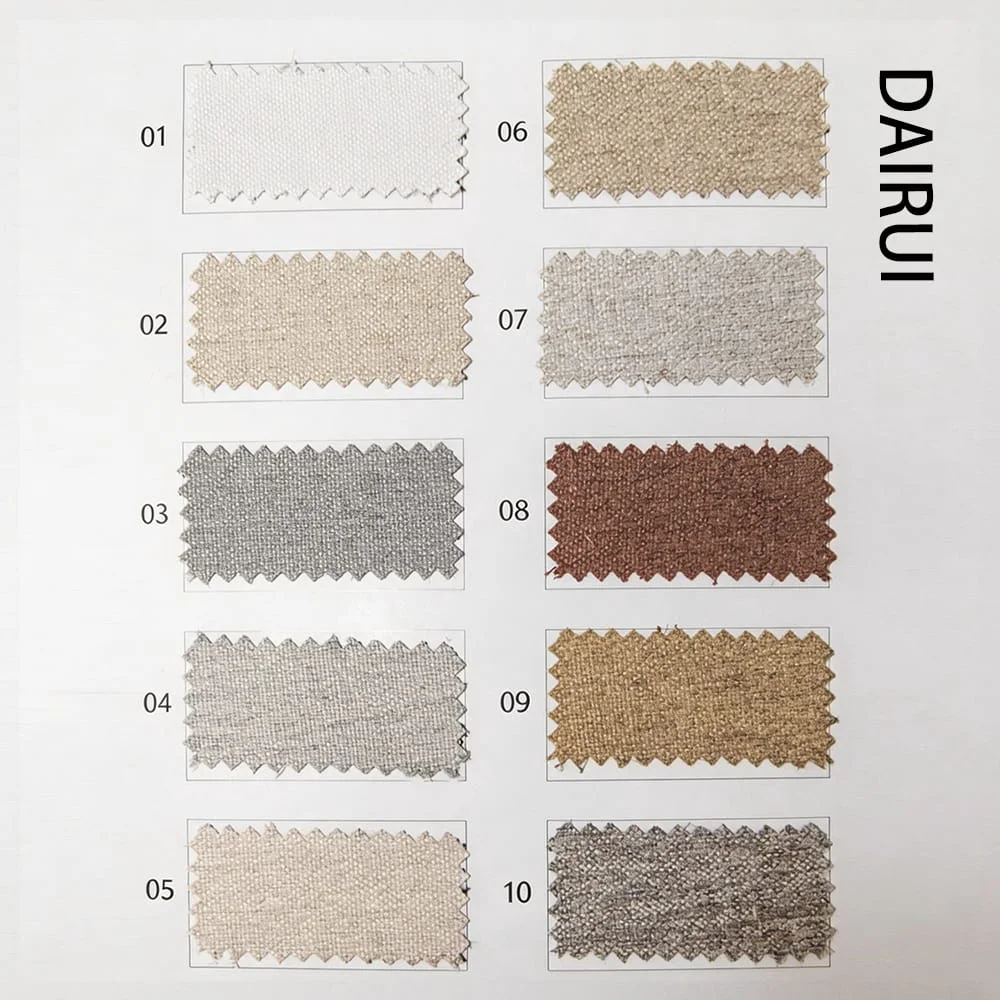
When evaluating suppliers of disposable and reusable privacy curtains, common checkpoints include flame-retardant compliance, antimicrobial options, durability and ease of installation, and customization of size, color, and hook styles.
Frequently Asked Questions
What fabric is used for hospital privacy curtains?
Hospital privacy curtains are made from flame-retardant polyester, typically at 180–220 gsm for reusable versions. The fabric must meet FR standards (NFPA 701 for US facilities, BS 5867 Part 2 for UK, EN 13773 for EU) and usually carries an antimicrobial treatment — either a durable surface coating or an inherently antimicrobial fiber. Disposable versions use lighter nonwoven or spunbond polypropylene at 40–80 gsm, designed for single-use replacement rather than laundering.
How often should hospital privacy curtains be changed or laundered?
Reusable curtains should be laundered at minimum every two weeks in general patient areas, and immediately after patient discharge in isolation rooms or high-risk zones such as ICUs. Studies show that reusable hospital curtains become contaminated with MRSA and other pathogens within one week of installation in active wards. Disposable curtains are replaced after each patient or when visibly soiled — in high-traffic areas this may mean weekly replacement.
Do hospital privacy curtains need to be flame retardant?
Yes, in virtually all jurisdictions. US healthcare facilities fall under NFPA 101 Life Safety Code, which requires flame-retardant treatment on all privacy curtains in patient areas. UK facilities require BS 5867 Part 2 compliance. EU facilities require EN 13773 Class 1. For long-term installations, inherently FR polyester fiber is the correct specification — post-treatment FR finishes degrade after 5–10 commercial wash cycles, which is inadequate for hospital laundering schedules.
Do hospital privacy curtain orders have minimum quantities?
Minimum order quantities vary by supplier, fabric program, and customization level — always confirm the requirement in writing before committing to a volume order.
Can hospital privacy curtains be customized with antimicrobial treatment and custom sizing?
Custom panel widths and drops are typically available to fit ceiling track layouts, and antimicrobial options range from durable surface finishes to inherently antimicrobial fibers. Confirm the exact specification, documentation, and cost implications with your supplier.
When shortlisting suppliers, verify their flame-retardant documentation, antimicrobial options, customization process, and sampling policy in writing before ordering.
Last reviewed: 2026-05 · DAIRUI Sourcing Desk