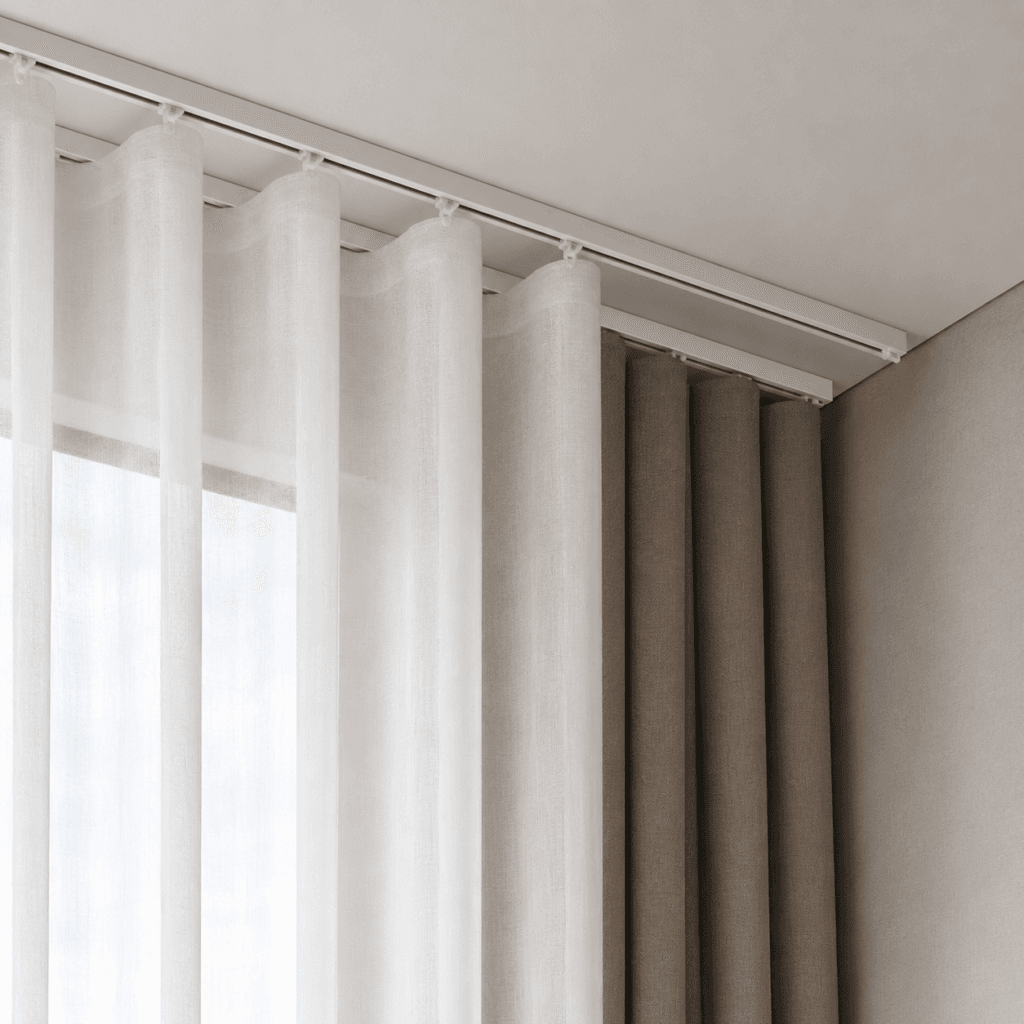
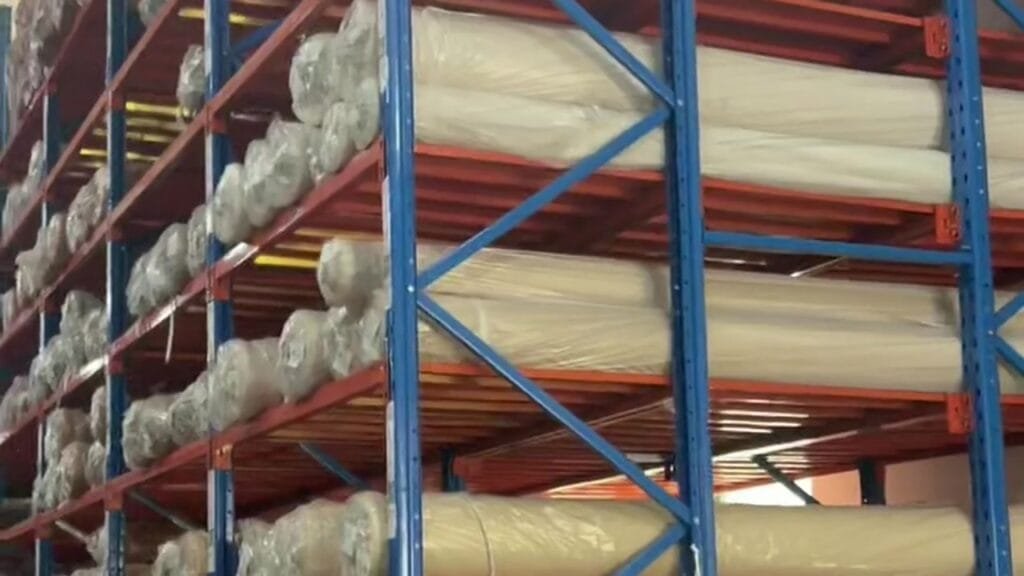
Bottom line: For a private-label curtain program, the three numbers that decide whether a deal works are MOQ, lead time, and landed cost — and they move together. Custom-colour private-label runs typically start around 300–500 pieces per colourway; a pre-production sample runs roughly USD 50–80 per colour over 3–5 days; and bulk production lands in a 25–30 day window. Per-unit cost is driven mostly by fabric, make-up, and your labelling/packaging spec. Every figure here is a planning range — your binding MOQ, price, and lead time are confirmed on quote.
What Drives a Private Label Curtain MOQ

MOQ is not an arbitrary gate — it exists because a private-label run carries fixed setup that has to be spread across the order. The biggest single driver is colour: a custom dye lot has a minimum the mill will run, so MOQ is almost always quoted per colourway, not per order. Order one colour and you meet it easily; spread the same volume across six colours and each one has to clear its own floor.
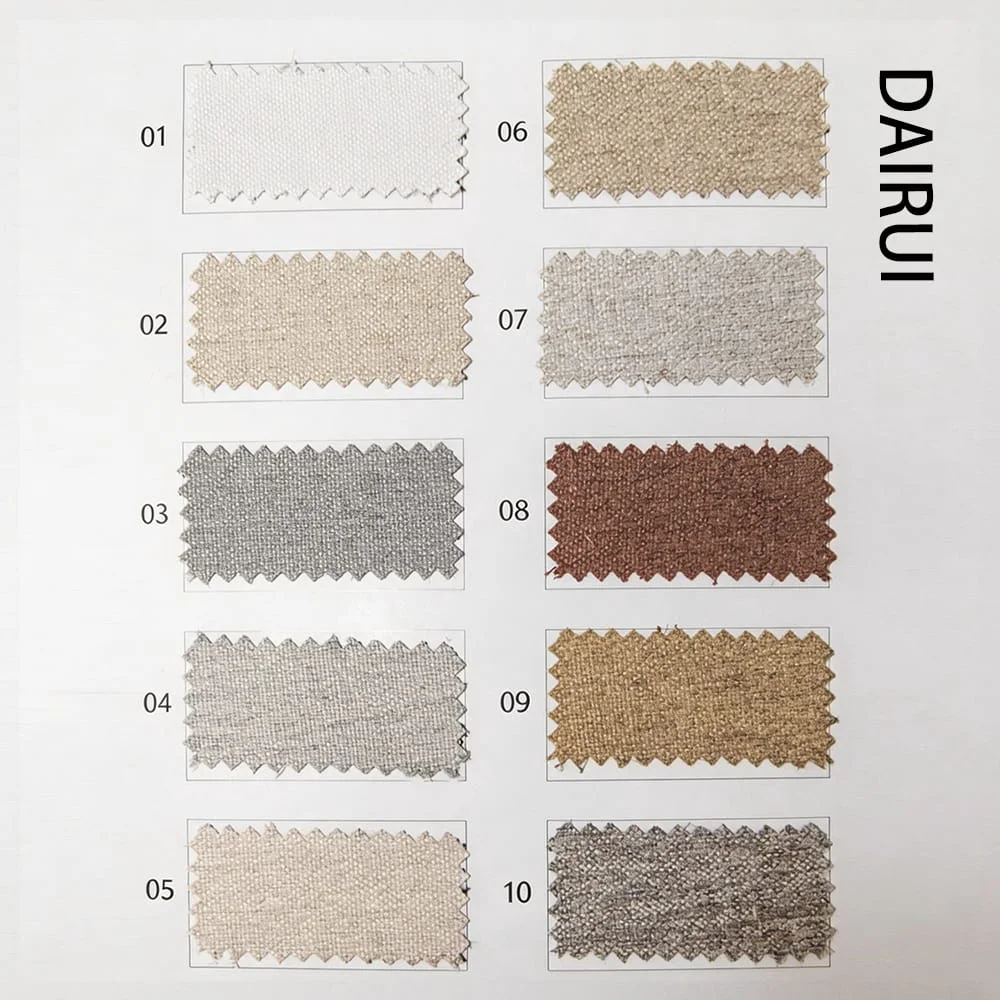
The second driver is how custom the fabric is. Building on an existing stock fabric (you only customise size, heading, and label) carries a far lower minimum than commissioning a custom-woven or custom-printed base, which pulls in loom or print setup. Use the ranges below to sanity-check a brief before you ask for a quote:
| Scenario | What you customise | Typical MOQ (per colourway) |
|---|---|---|
| Stock fabric, your label | Size, heading, woven label, packaging | ~100–200 pcs |
| Custom colour on stock base | Above + custom dye lot | ~300–500 pcs |
| Custom-woven / printed base | Fully bespoke fabric | ~800–1,500+ pcs |
This is why buyers who want small runs — a boutique brand testing a range, or a retailer like the ANZ private-label businesses we work with — are usually steered toward stock-fabric programs first. It keeps the MOQ reachable while you prove sell-through, then you graduate to custom bases once volume justifies it. For the strategic version of this decision, see our OEM vs private label guide.
Sampling: Cost, Lead Time, and What It Proves
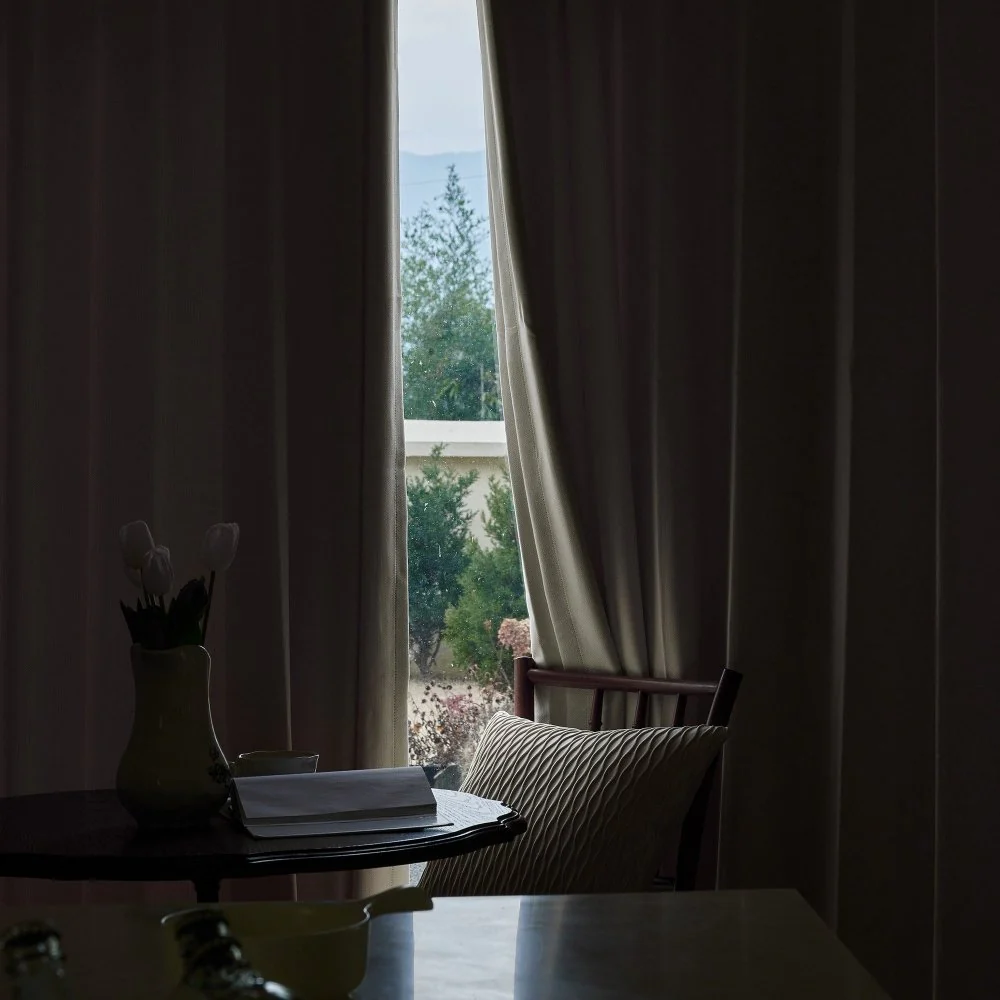
Before any bulk run, you commission a pre-production sample — the single most important step for protecting an order. A sample typically costs USD 50–80 per colour and takes 3–5 working days once specs and artwork are locked, plus courier time. That fee is normally credited against, or small relative to, the bulk order.
What the sample proves is worth the wait: the exact colour against your reference, the hand-feel and weight, the heading construction, and your woven label and packaging in the flesh. Approving a physical sample — not a photo — is what stops a five-figure bulk run coming back wrong. Some factories also offer a trial/sample MOQ (around 50 pieces) so you can test a small batch in market before committing to full volume; ask whether that option exists for your fabric.
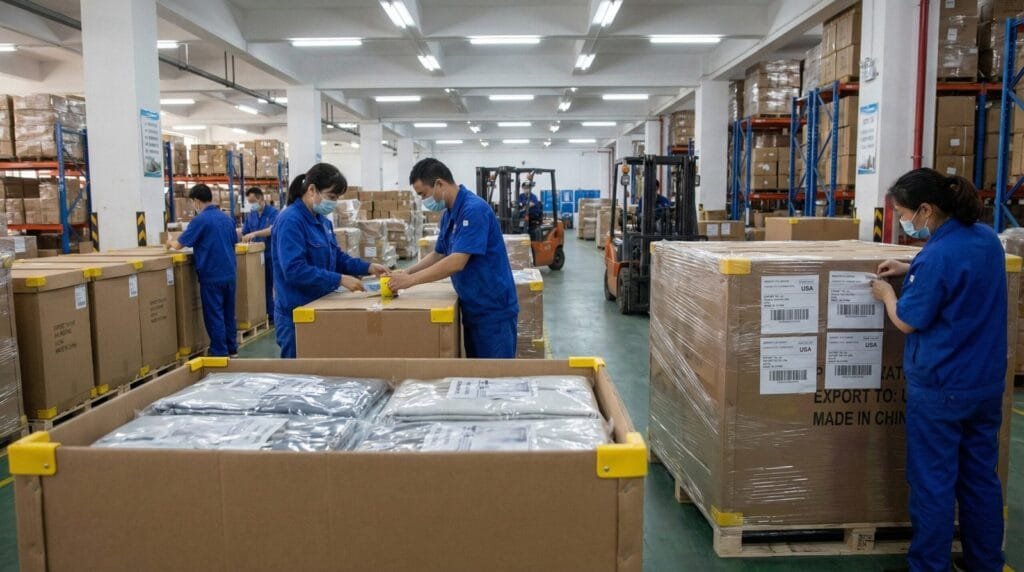
On labelling specifically — woven labels, swing tags, and retail packaging with your artwork — the spec you confirm at sample stage is what gets repeated in bulk, so get it exactly right here. Our custom labelling systems guide covers what to supply.
The 25–30 Day Lead Time, Broken Down
“Lead time” quoted as a single number hides where the days actually go — and which stages you can compress. A typical private-label bulk order moves through these phases after sample sign-off:
| Stage | Typical duration | What can move it |
|---|---|---|
| Fabric / dyeing | 5–10 days | Stock vs custom dye lot; mill queue |
| Cutting & sewing (make-up) | 10–14 days | Order size; heading complexity |
| Labelling & packaging | 3–5 days | Artwork readiness; pack format |
| QC & pre-shipment inspection | 2–3 days | AQL level; defect re-work |
Add it up and a realistic window is 25–30 days for a standard bulk run, before ocean freight (longer if customization is complex). The fastest lever you control is fabric: choosing a stock base removes the dye-lot wait and can shave a week or more. The second is artwork readiness — labels and packaging that are signed off early never sit on the critical path. Reorders of an established style run faster still, because specs and dye references already exist.
Build this into your launch calendar rather than promising retail dates off a first email. If you are sourcing from scratch, our guide to sourcing curtains from China sets out the full timeline from enquiry to delivery.
Cost Breakdown of a Private Label Curtain
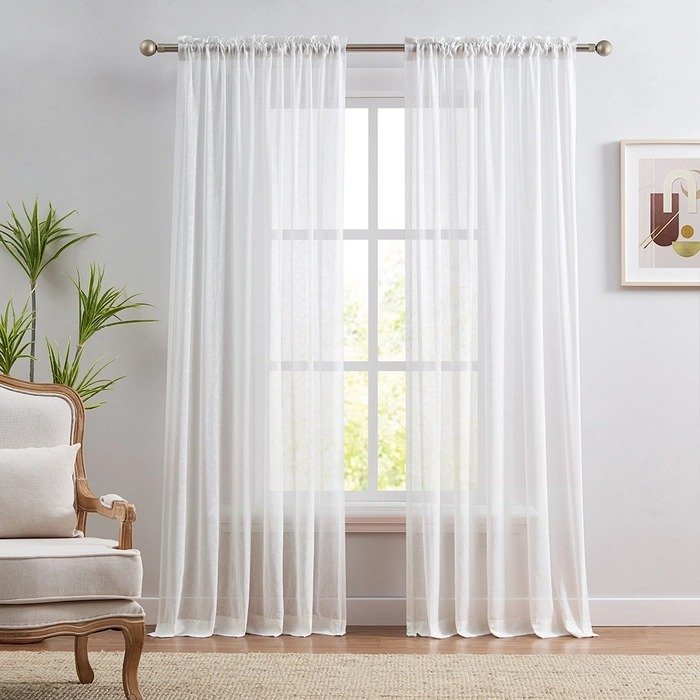
Understanding what sits inside a per-unit price tells you where you can actually negotiate — and where you cannot. A private-label curtain’s landed cost breaks down roughly as follows, though the mix shifts with fabric and order size:
| Cost component | Share of unit cost | Notes |
|---|---|---|
| Fabric | ~45–60% | Biggest lever; blend, GSM, coating, width |
| Make-up (cut & sew) | ~20–30% | Heading style and finishing drive this |
| Labelling & packaging | ~5–12% | Woven labels, tags, polybag/box artwork |
| Testing & certification | ~2–6% | SGS/Intertek testing, OEKO-TEX fabrics |
| Sampling (amortised) | small | Spread across the run |
Two takeaways for buyers. First, fabric is where the price really lives — a small change in linen percentage, GSM, or coating moves the number far more than haggling on make-up. Second, labelling and packaging are a real line item, not a freebie; a heavily branded retail box costs more than a simple polybag, so spec to your channel. Freight is quoted separately and depends on volume — full-container loads are the most efficient per unit. For the wider pricing logic, see how wholesale curtain prices are determined.
How to Lower Your Per-Unit Cost
Once you know the drivers, the levers are straightforward. The biggest is consolidating colourways: fewer colours at higher volume each clears MOQ comfortably and unlocks better fabric pricing, instead of scattering volume thin across many dye lots. Launching four to six tight colourways beats twelve that each barely meet minimum.
The other reliable levers:
- Hit price breaks — per-unit cost typically steps down at 500, 1,000, and 5,000 units; ask where your fabric’s breaks fall before finalising quantities.
- Start on stock fabric — avoid custom-weave setup until volume justifies it.
- Right-size packaging — match the pack format to your channel rather than over-speccing a retail box for an online range.
- Plan full-container freight — FCL is the most efficient per unit; mixing SKUs to fill a container is usually cheaper than partial loads.
- Reorder established styles — repeats skip new sampling and setup, lowering effective cost.
None of these mean cutting corners on construction or certification — they are about structuring the order so fixed costs spread efficiently. OEKO-TEX certified fabrics are available, with third-party testing on request.
Where Freight Fits Into Landed Cost
Your per-unit factory price is not your landed cost — freight sits on top, and it is quoted separately because it depends on volume and route, not on the curtains themselves. The unit that matters here is CBM (cubic metres): curtains are light but bulky, so shipments are usually volume-limited rather than weight-limited, and packing density directly affects what you pay.
The practical rule is that full-container loads (FCL) are the most efficient per unit. A 20ft container holds roughly 26–28 CBM of usable space and a 40ft holds about 56–58 CBM, so filling one spreads the freight cost across the most pieces. If a single style does not fill a container, mixing SKUs or colourways to reach a full load is normally cheaper per unit than shipping a part-load (LCL). Plan quantities with the container in mind, and confirm exact CBM per carton and freight rates with your supplier and forwarder on quote.
Lock These Before You Raise a PO
A clean private-label brief gets you an accurate quote on the first pass — because the supplier is no longer pricing in the uncertainty of missing information. Before you commit, have these defined:
- Fabric named (blend, GSM, coating/construction) and whether stock or custom base
- Finished sizes and heading style, with fullness
- Colourway count and volume per colourway (to clear MOQ)
- Label and packaging artwork, plus pack format
- Certification scope required and any testing on shipment
- Target launch date, worked back from the 25–30 day window plus freight
Hand a factory that list and you have removed almost every reason a quote drifts or a sample comes back wrong. For building the brand layer on top of this operational base, see private label curtains: how to build your own brand.
What Is Negotiable on MOQ — and What Isn’t
Buyers often treat MOQ as a single fixed wall, but parts of it flex and parts do not. What rarely moves is the dye-lot minimum on a custom colour — the mill runs a set length and cannot economically run less, which is the hard floor behind the per-colourway number. What often flexes is how you reach that floor: combining sizes or headings within one colour, accepting a stock colour close to your target instead of a bespoke dye, or agreeing a slightly higher first order in exchange for better pricing or a credited sample.
The productive conversation is not “can you halve the MOQ” but “here is my total volume and timeline — how do we structure colours and fabric so it works.” A supplier who understands you are building a repeating program will help you hit minimums sensibly, because the reorders are where the relationship pays off.
A Worked Example: A 600-Piece Launch
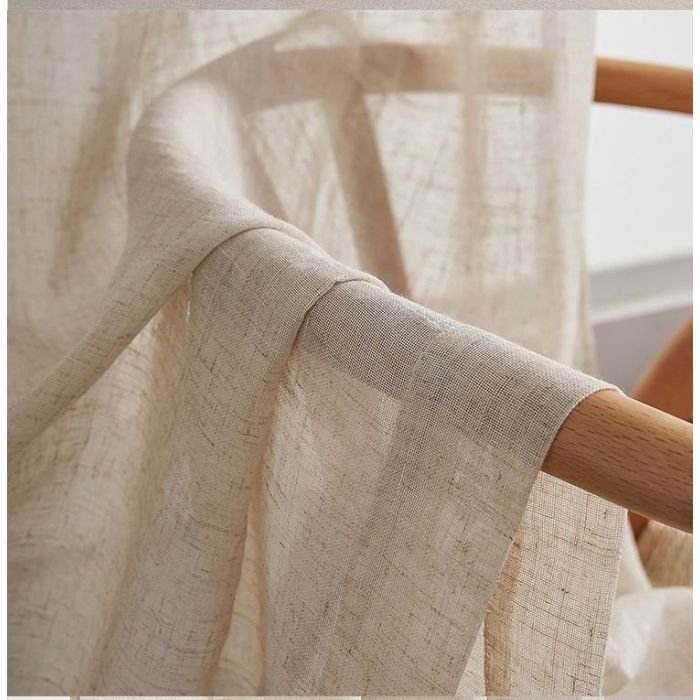
To see how the three numbers interact, take a brand launching a sheer linen blend range: 600 pieces total, three colourways, 200 each, on a stock fabric with custom woven labels and polybag packaging.
- MOQ check: on a stock base, ~100–200 per colourway is typical — 200 each clears it. (A custom dye would have needed ~300–500 each, forcing either fewer colours or a bigger order.)
- Sampling: three colours at roughly USD 50–80 each, 3–5 working days plus courier, signed off before bulk.
- Lead time: stock fabric removes the dye wait, so the run lands toward the shorter end of the 25–30 day window, before freight.
- Cost lever: three tight colourways at 200 each keep every dye lot efficient; spreading the same 600 across six colours at 100 each would weaken pricing and risk missing minimums.
The lesson generalises: the same total volume behaves very differently depending on how you split colours and whether the base is stock or custom. Decide those two things first, and the MOQ, sampling, lead time, and cost all fall into place around them. Actual figures for your fabric and order are confirmed on quote.
Private Label Curtain Sourcing FAQ
What is the minimum order quantity for private label curtains?
It depends on how custom the fabric is and is quoted per colourway. Stock fabric with your label can start around 100–200 pieces per colourway; a custom dye colour typically needs 300–500; a fully custom-woven or printed base can run 800–1,500+. MOQ is confirmed on quote.
How much does a private label curtain sample cost and how long does it take?
A pre-production sample typically costs USD 50–80 per colour and takes 3–5 working days after specs and artwork are locked, plus courier time. The fee is usually small relative to, or credited against, the bulk order. Some factories also offer a trial run of around 50 pieces.
What is the lead time for a private label curtain order?
Bulk production typically runs 25–30 days after sample sign-off, before ocean freight: roughly 5–10 days for fabric/dyeing, 10–14 for cut and sew, 3–5 for labelling and packaging, and 2–3 for QC. Stock fabric and early artwork sign-off are the fastest ways to compress it.
What makes up the cost of a private label curtain?
Fabric is the largest share at roughly 45–60%, followed by make-up (cut and sew) at 20–30%, labelling and packaging at 5–12%, and testing/certification at 2–6%, with sampling amortised across the run. Fabric choice moves the price far more than negotiating make-up.
How can I reduce my per-unit private label cost?
Consolidate colourways so each clears MOQ at higher volume, start on stock fabric, target the price breaks at 500/1,000/5,000 units, right-size packaging to your channel, plan full-container freight, and reorder established styles to skip new setup. Pricing is confirmed on quote.
Are private label curtains Oeko-Tex certified?
Yes. OEKO-TEX Standard 100 certified fabrics are available, with SGS or Intertek testing on request. Confirm certification scope with your supplier in writing.
Bottom Line for Your Sourcing
Private-label curtain economics come down to three linked numbers. MOQ is set per colourway and falls fastest when you start on stock fabric — roughly 100–200 pieces versus 300–500 for a custom dye. Lead time is a 25–30 day bulk window for a standard run (longer for complex custom) you compress with stock fabric and early artwork. Cost lives mostly in the fabric, so spec that deliberately and consolidate colourways to hit price breaks. Lock fabric, sizes, colourway volumes, labelling, and certification before you raise a PO, and you trade guesswork for an accurate quote and a clean first sample. MOQ, pricing, lead time, and certification scope are confirmed per quote.
DAIRUI Sourcing Desk — curtain manufacturing and private-label programs for global buyers. Figures are planning ranges; binding terms are confirmed per quote.
Last reviewed: 2026-06