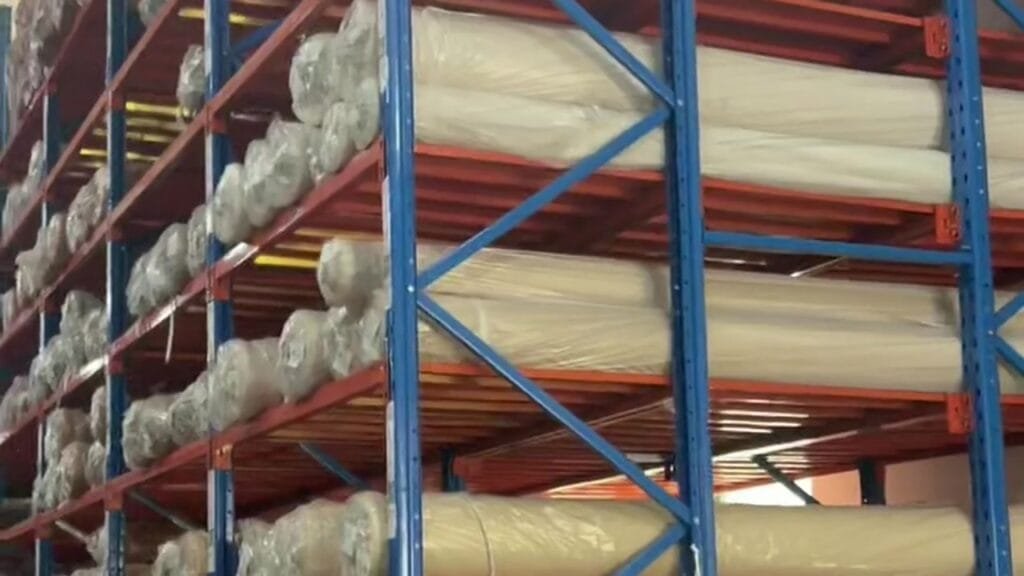
Bottom line: Yes – you can usually mix SKUs and colors to reach a curtain wholesale MOQ, but with one rule: the minimum is most often per color or per design, not per order. Stock fabrics and stock colors mix freely toward a total-order minimum; custom-dyed colors each carry their own minimum. A typical entry point is a trial order around 50 pieces and a standard custom MOQ near 200 pieces per design. Ask your supplier how their MOQ is counted before you build the assortment.
How Curtain MOQ Actually Works
Most buyers picture MOQ as a single number for the whole order. In curtains it usually is not – and that is exactly why mixing is the right question to ask. The minimum is normally counted at the level of a single SKU: one design in one color, one fabric on one roll. Understanding which level your supplier counts at tells you immediately whether you can combine items to qualify.
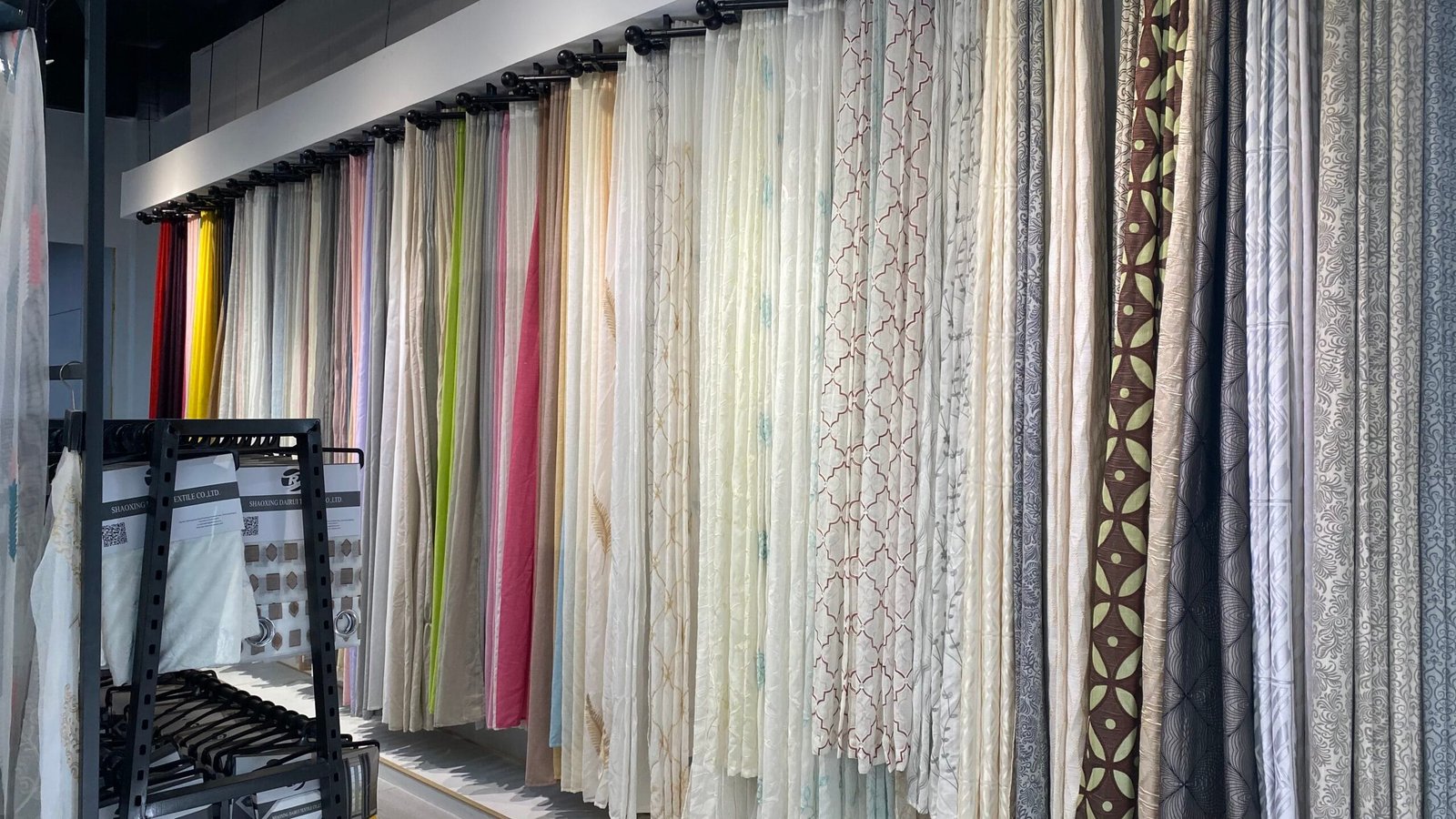
- Per color / per design: the most common model. Each color of each design needs to hit its own minimum (often around 200 pieces for custom finished curtains, or about 800 m per color for fabric by the roll).
- Per total order: some suppliers set a total-order minimum that you can fill with an assortment of stock items – the friendliest model for smaller buyers.
- Trial / sample tier: a reduced minimum (commonly around 50 pieces) to test the market before committing to a full run.
So the real question is never just “what is your MOQ?” It is “is that per color, per design, or per order – and what is the trial minimum?” Those answers decide how you build the order.
What You Can Mix – and What You Cannot
Mixing works, within limits set by how the fabric is produced:
| You want to mix… | Usually possible? | The catch |
|---|---|---|
| Stock designs in stock colors | Yes, easily | Combine freely toward a total-order minimum |
| Multiple sizes of one design | Yes | Counts toward the same design’s minimum |
| Custom-dyed colors | Yes, but… | Each custom color carries its own minimum |
| Different fabric types (sheer + blackout) | Yes | Each is a separate production run / minimum |
| Tiny quantities of many designs | Limited | Fragmentation raises unit cost and setup |
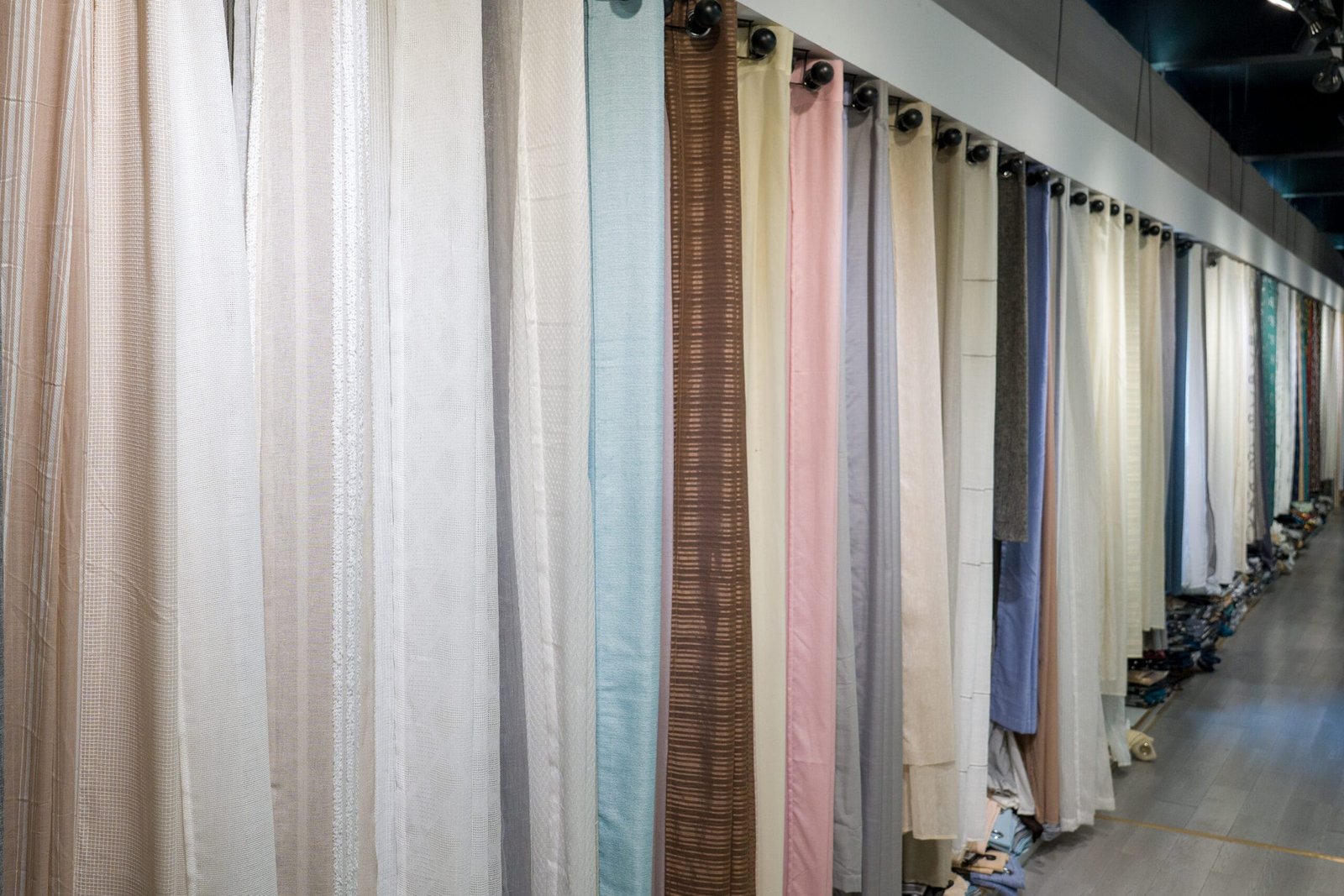
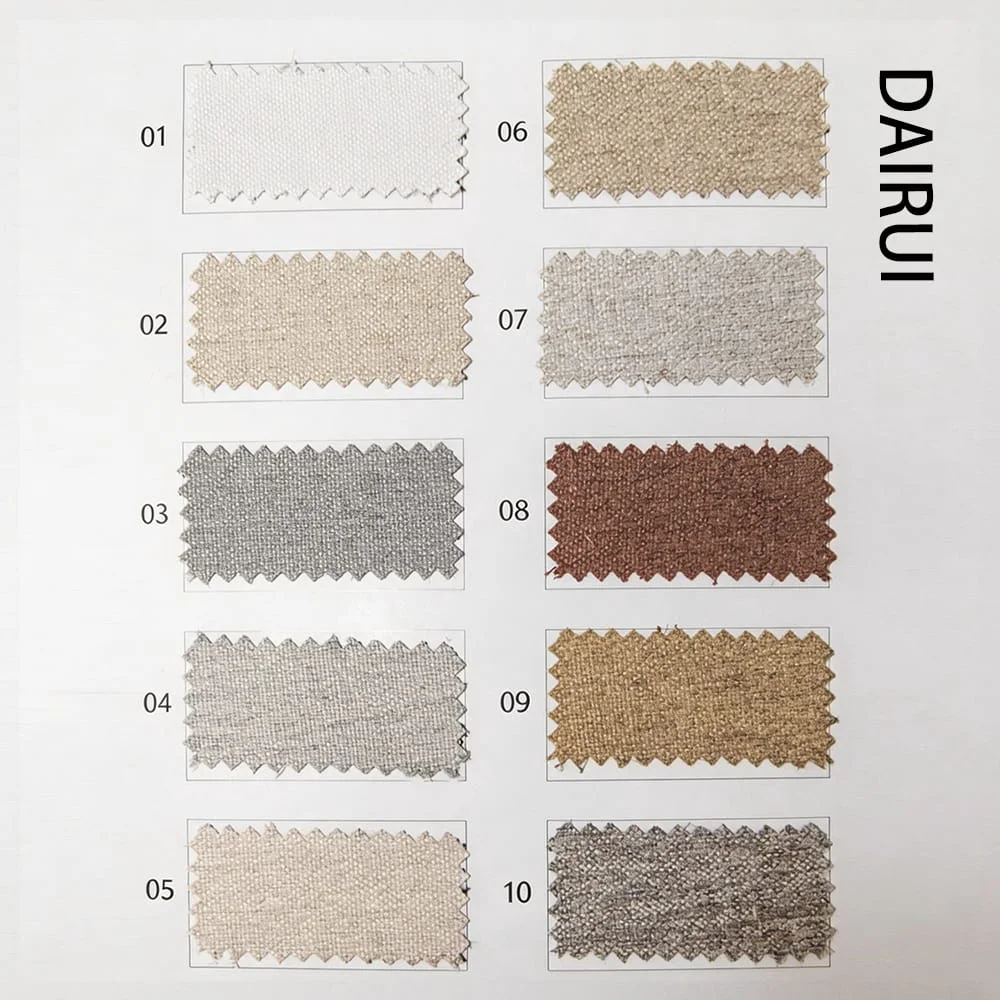
The pattern is simple: anything already in stock – existing designs and the factory’s standard color card – is easy to assort, because no new production setup is needed. Anything custom – a bespoke dye color, a custom print, a new construction – triggers its own minimum, because the mill has to set up a dedicated run. You can still mix custom items into one shipment; you just cannot use one custom color’s volume to cover another’s minimum.
How an Assorted Order Is Priced
Price breaks usually track total volume, so consolidating several stock SKUs into one larger order can move you into a better price tier than ordering each alone. But fragmentation has a cost: every additional design or color adds cutting setup, separate QC, and packing complexity, which is why suppliers favor fewer SKUs at higher volume. The sweet spot is a focused assortment – a handful of strong sellers in your best colors – rather than one or two pieces of everything in the catalog.
For custom colors, budget the sampling step: a lab dip or sample typically runs about $50-80 per color in 3-5 days before bulk. If your assortment has five custom colors, that is five lab dips and five minimums to clear – a good reason to keep custom colors deliberate and lean on stock colors for the rest of the range.
How to Structure a Mixed Order to Hit MOQ
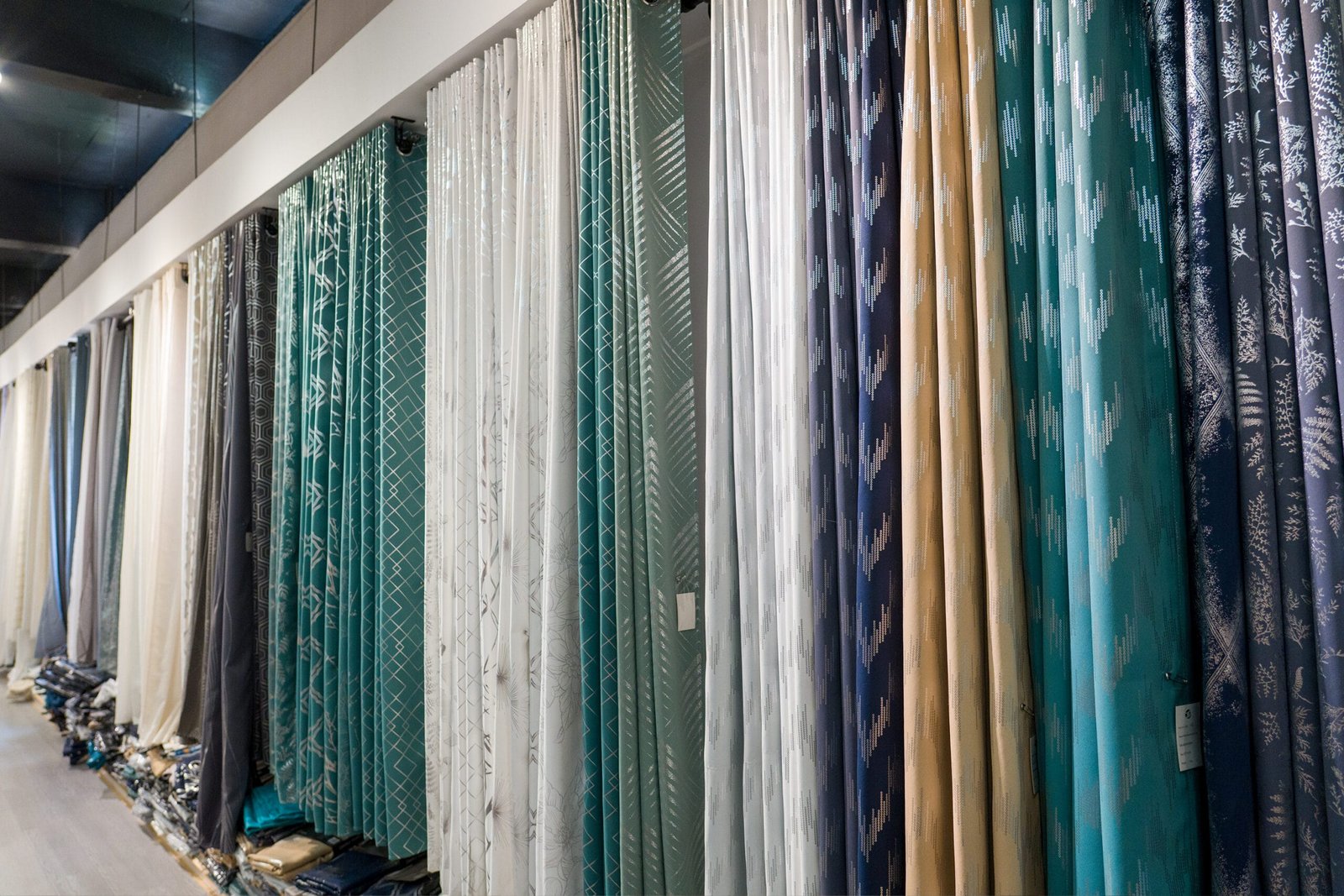
- Ask how MOQ is counted. Per color, per design, or per order – and the trial minimum. This single answer shapes everything below.
- Lead with stock. Build the bulk of the order from stock designs and standard color-card colors, which assort freely toward a total minimum.
- Keep custom colors few and intentional. Each one carries its own minimum and its own lab dip, so reserve custom dye for the colors that genuinely drive your sales.
- Concentrate volume on winners. A focused assortment of proven sellers prices better and ships cleaner than a scattershot of single pieces.
- Use the trial tier to test first. A ~50-piece trial across a few SKUs lets you validate demand before committing to full custom minimums.
For the full ordering mechanics – payment terms, Incoterms, and inspection – see our guide on how to place a wholesale curtain order from China. If you are building a private-label range, the private label MOQ and cost breakdown shows how minimums and tooling stack up, and our curtain fabric manufacturer guide covers the by-the-roll minimums if you buy fabric rather than finished panels.
Frequently Asked Questions
Can I mix different curtain designs to reach the MOQ?
Usually yes for stock designs – they assort freely toward a total-order minimum because no new production setup is needed. Custom designs each carry their own minimum. Ask your supplier whether the MOQ is counted per design or per order before you build the assortment.
Is curtain MOQ per color or per order?
It is most often per color or per design rather than per order. Each custom color typically needs its own minimum (around 200 pieces for finished curtains, or about 800 m per color for fabric). Some suppliers set a total-order minimum you can fill with stock items – confirm which model applies.
What is a typical curtain trial or sample order quantity?
A trial tier is commonly around 50 pieces, letting you test the market before a full run. The standard custom MOQ is often near 200 pieces per design. Exact figures vary by supplier, fabric, and customization – confirm on your quote.
Can I combine stock colors and custom colors in one order?
Yes. You can ship stock and custom colors together, but you cannot use one color’s volume to cover another’s minimum. Stock colors assort freely; each custom-dyed color must independently meet its own minimum and usually needs a lab dip first.
Does mixing many SKUs increase the price?
It can. Price breaks track total volume, so consolidating SKUs into a larger order can earn a better tier. But each extra design or color adds cutting setup, separate QC, and packing – so a focused assortment of strong sellers prices better than a few pieces of many designs.
How do I keep a mixed order cost-efficient?
Lead with stock designs and standard color-card colors, reserve custom dye for the colors that drive sales, concentrate volume on proven winners, and use a trial tier to validate demand first. This keeps minimums clearable and unit cost down while still giving you a varied range.
Bottom Line
Mixing SKUs and colors to reach a curtain wholesale MOQ is normal practice – the key is knowing whether your supplier counts the minimum per color, per design, or per order. Build the bulk of the order from stock designs and standard colors that assort freely, keep custom colors few and deliberate because each carries its own minimum and lab dip, and concentrate volume on your best sellers for the best price and cleanest production. Ask how MOQ is counted first, and the assortment almost builds itself.
Last reviewed: 2026-06. Author: DAIRUI Sourcing Desk.