Bottom line: Sourcing hospitality curtains is different from buying retail drapery—fire compliance, durability, and FF&E timelines drive every decision. Hotel projects usually require certified flame-retardant fabric (NFPA 701, BS 5867, or EN 13773 depending on country), a 40–60 day production window for custom orders, and careful quantity planning (a 200-room property often needs 600–1,000+ panels once you count blackout plus sheer layers). This guide shows procurement managers, FF&E buyers, and interior contractors how to specify, vet, and order hotel curtains that pass inspection. (Prices, MOQs, and required standards vary—confirm against a live quote and your local authority.) See our overview of the best curtains and drapes for hotels.
A guest never notices good curtains—but they notice light leaking at 6 a.m., a sagging header, or a fabric that failed a fire marshal’s inspection. For hotels, curtains are a compliance item and a guest-experience item at the same time, and a single non-compliant fabric can hold up a certificate of occupancy. That’s why hospitality buyers need a supplier who understands contract work, not just a webshop. Here’s the full procurement path, from specification to delivery.
What Makes Hospitality Curtains Different
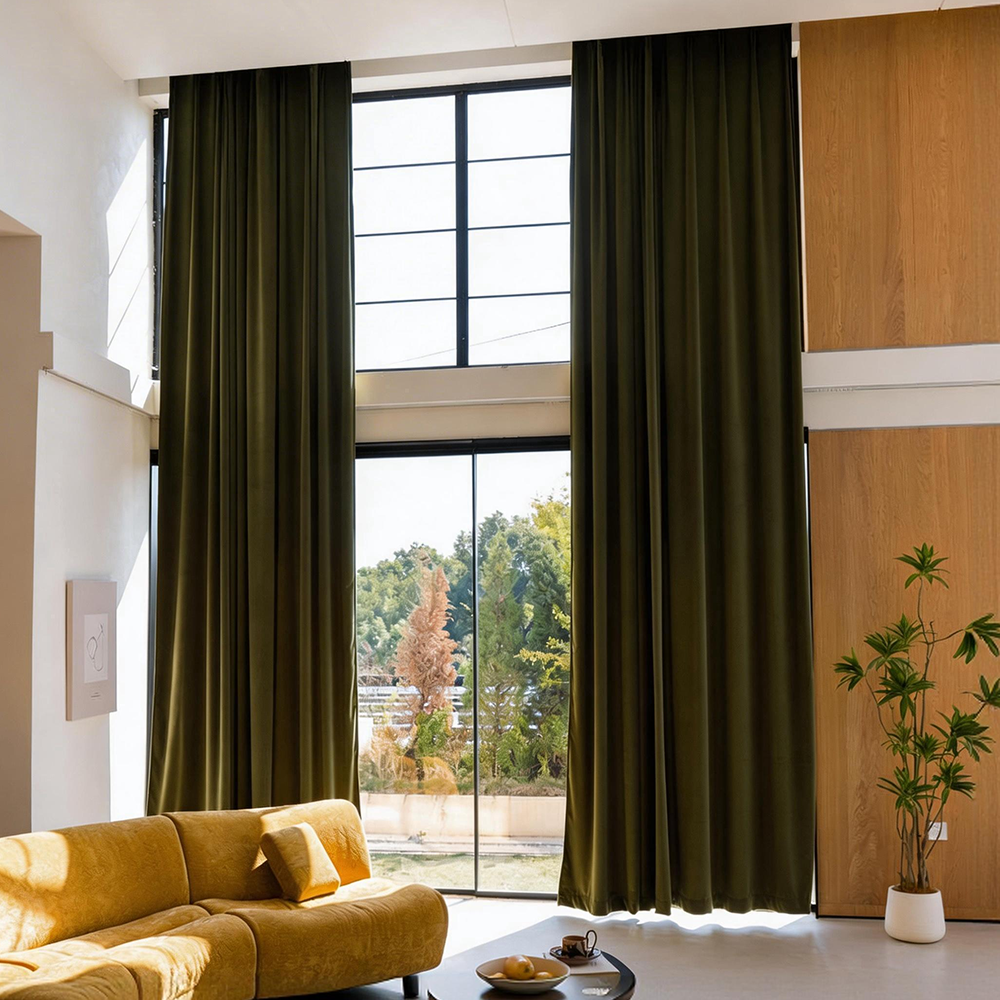
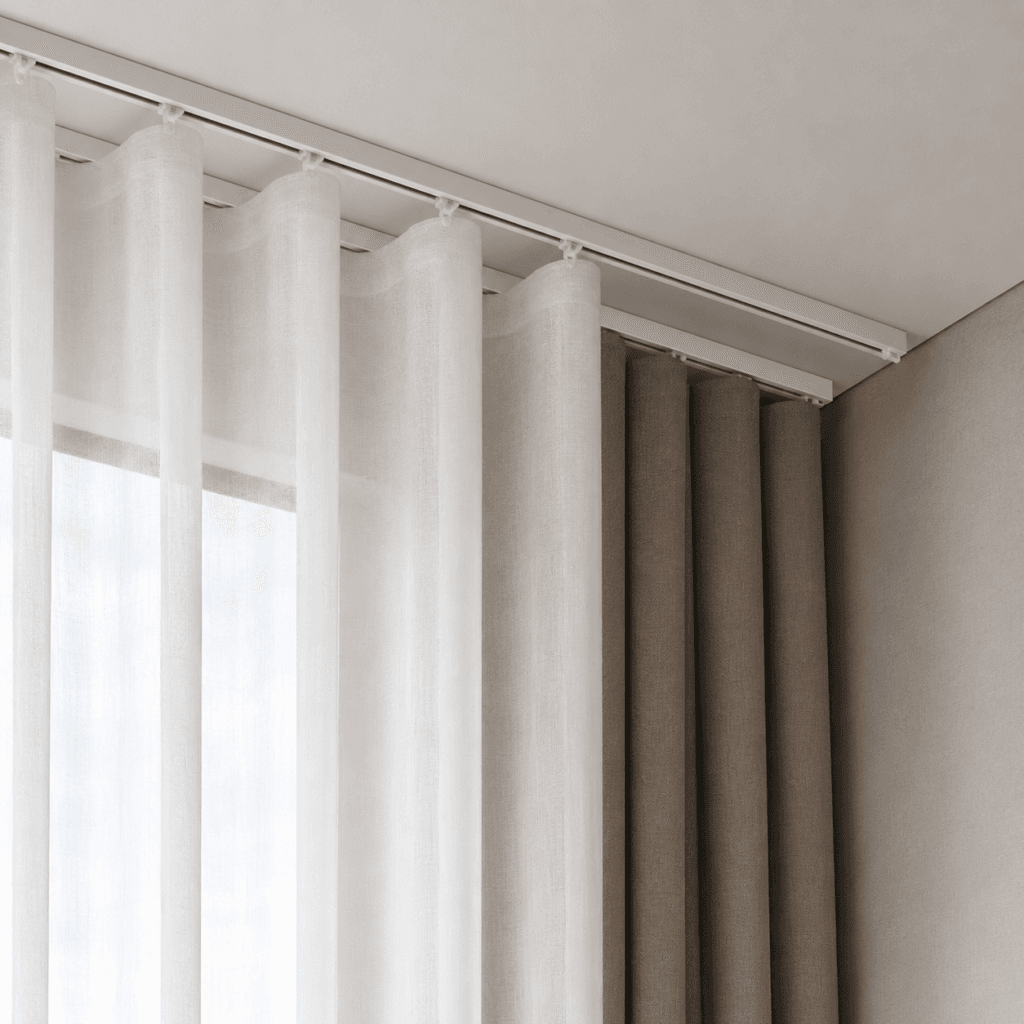
Three demands separate hotel curtains from residential drapery. First, fire safety: most jurisdictions require certified flame-retardant fabric in guest rooms and public areas, and the documentation is checked at inspection. Second, durability: hospitality curtains face daily operation, commercial laundering, and years of continuous service, so headers, hems, coatings, and tracks must be built to a contract grade that residential product rarely meets. Third, true blackout: guests expect a genuinely dark room, which means 100% blackout fabric plus overlap, side returns, and a track that closes the light gaps at the edges.
There is also a volume and consistency dimension. A hotel orders dozens or hundreds of identical rooms, so color must be consistent across the whole dye lot, and reorders months later need to match the original. You can see the core product range on our hotel curtains page—blackout, dim-out, sheers, and commercial tracks. This guide focuses on how to procure them well.
Supplier, Manufacturer, or FF&E Agent — Who Should You Buy From?
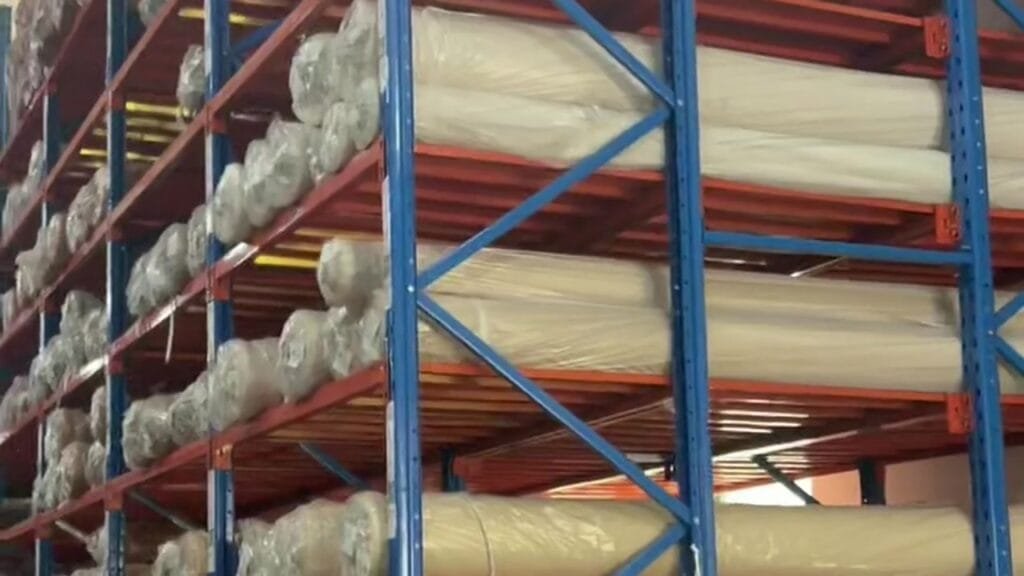
Hotel curtains reach you through several channels: a direct manufacturer, a trading supplier who resells, or an FF&E procurement agent managing the whole fit-out. Buying direct from the manufacturer gives the best price and the most control over fabric, certification, and lead time—but you take on more coordination. A trading supplier can be convenient for smaller orders, while an FF&E agent simplifies a large project across many product categories but adds margin and a layer between you and the factory floor.
Whichever route you choose, confirm who actually makes the goods and who holds the fabric certification. If the party you are paying cannot show a factory or name the mill, you are buying through a reseller—fine for price-shopping, risky for compliance. Our breakdown of supplier vs factory and the wider guide to sourcing curtains from China cover the trade-offs in detail.
Fire Compliance Is Non-Negotiable
This is where hospitality sourcing goes wrong most often. Flammability requirements differ by market, and the fabric must carry test results against the standard your jurisdiction enforces. The authority having jurisdiction (AHJ)—usually the local fire marshal—has the final say, and inspectors will ask for documentation, not a verbal assurance.
The three references you will meet most often:
- NFPA 701 (United States) — the standard flame-propagation test for curtains and drapery in commercial and public buildings.
- BS 5867 Type B/C (United Kingdom) — performance specification for fabric flammability in curtains and drapes; contract hospitality typically calls for Type B or C.
- EN 13773 (European Union) — classifies textile flammability for curtains and drapes; Class 1 is the high-performance tier for public spaces.
Just as important is the difference between inherently FR fabric—flame resistance built into the fiber, permanent through washing—and FR-treated fabric, a topical coating that can degrade over launder cycles and may need re-treatment. For long-life hotel use that sees commercial laundering, inherently FR is often worth the premium. Ask for the certificate scope (which fabric, which standard, which test house) plus batch test reports, and keep them on file for the inspection. See how we document this on our certifications page, and our deep-dive on fireproof curtains for hotels and public spaces.
Blackout Levels: Say What You Actually Mean
“Blackout” is the most over-used and under-specified word in hotel curtain orders. Be explicit:
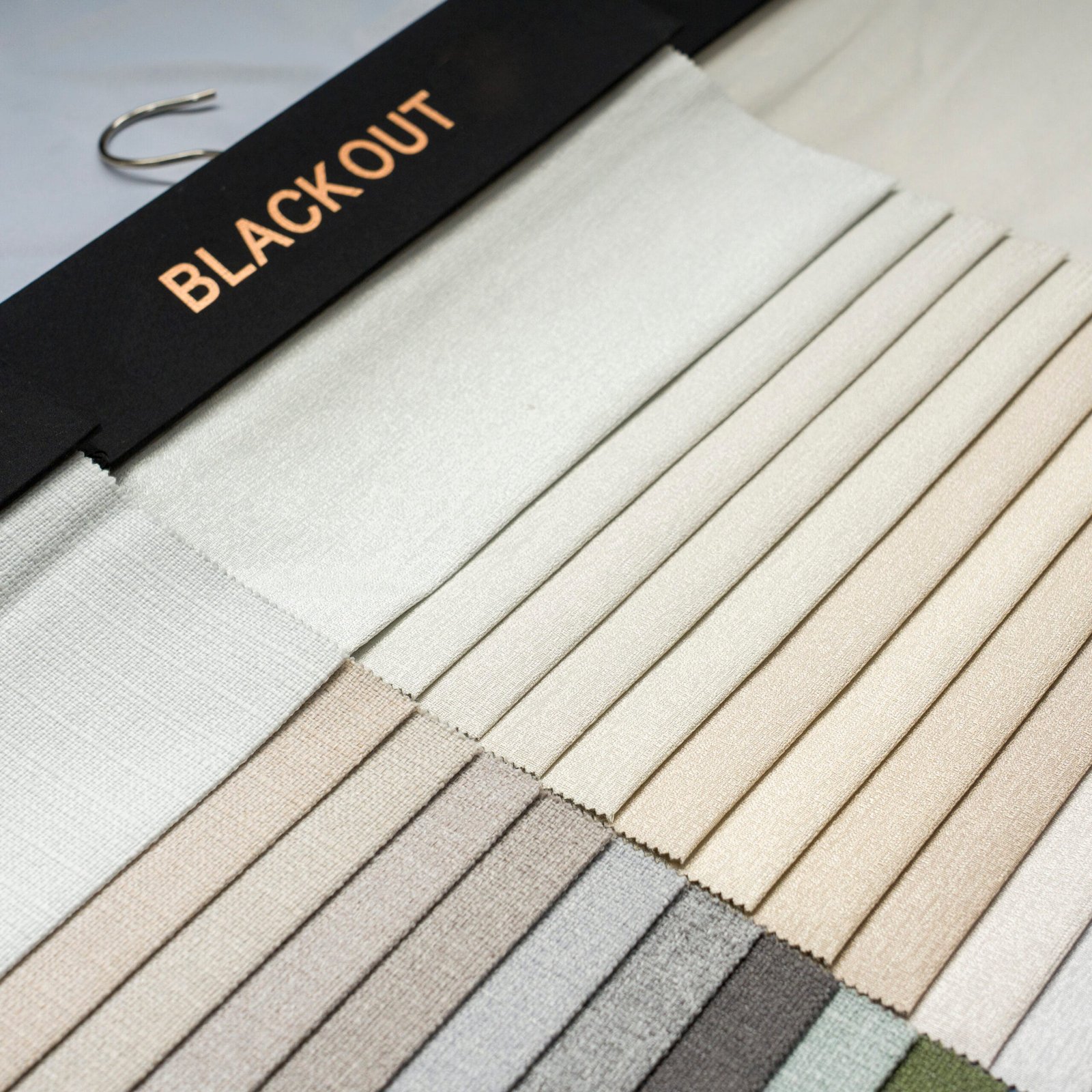
- 100% blackout — coated or triple-weave fabric that blocks effectively all light through the cloth. Required for guest sleeping rooms.
- Dim-out / room-darkening — blocks most light but not all; suitable for corridors, ballrooms, and meeting spaces where total darkness is not the goal.
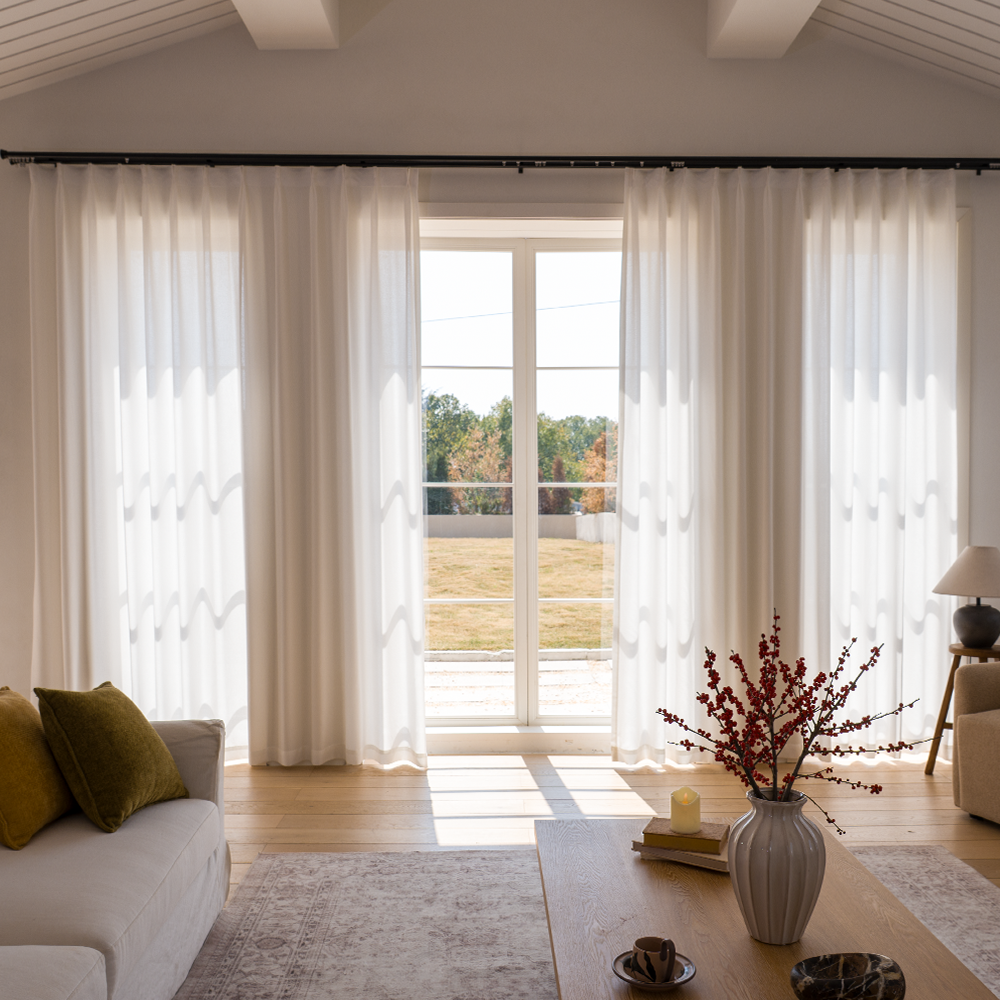
- Sheers / voiles — privacy and softness layered in front of blackout for an upscale look.
Remember that the fabric blocking 100% does not guarantee a dark room. Light leaks at the sides, top, and center overlap. Specify generous overlap, side returns, and a wrap-around or ceiling-mounted track so the assembly—not just the cloth—delivers true blackout.
Hotels usually achieve blackout with a coated lining behind a decorative face fabric, and the street-facing lining colour is standardized across the property—see the right curtain lining for how to spec it.
Specs That Matter for Hotel Projects
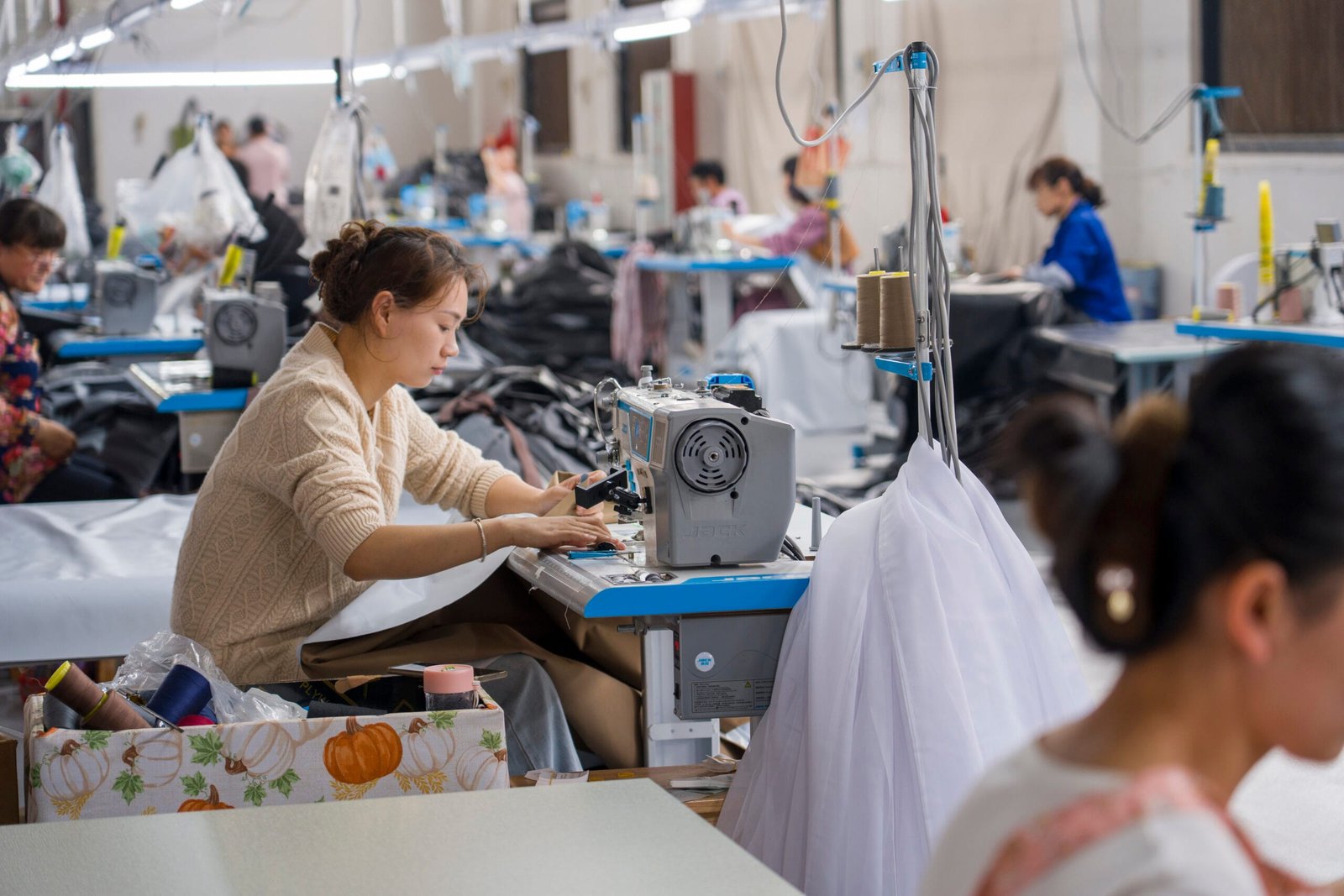
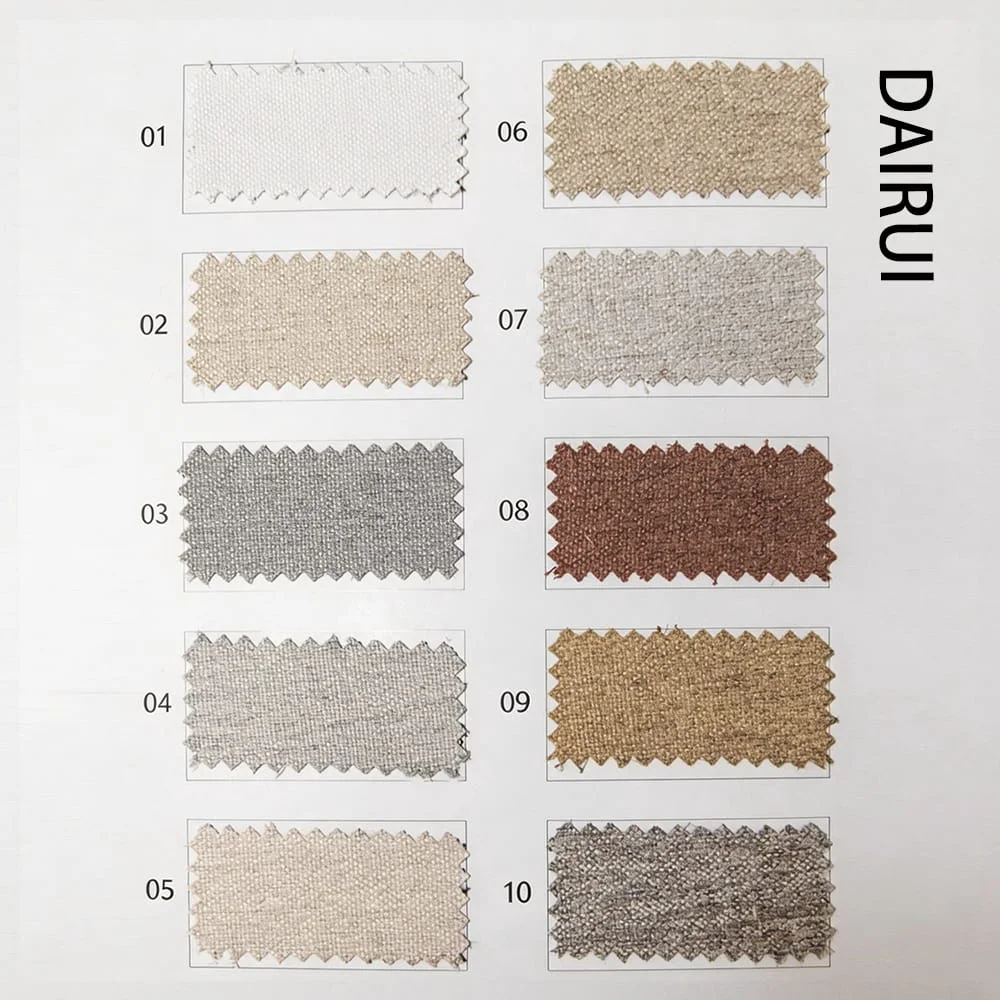
Lock these before you request quotes so every supplier prices the same thing: opacity (see above), fabric weight (blackout typically 280–380+ GSM for a premium hand and good drape), heading style and track system (wave/ripplefold and commercial tracks suit hospitality volume and operate smoothly), layering (blackout + sheer is standard in upscale rooms), and finishing (reinforced headers, chain-weighted hems, and generous overlap).
Build durability into the spec, not just the fabric: ask how the curtains hold up to commercial laundering or dry cleaning, whether the coating is rated for repeated cycles, and what the track and runner system is rated for in daily use. For bathrooms, factor in waterproof options—see our guide to hotel shower curtain solutions.
Tracks, Hardware & Motorization
Curtains are only half the order—the track and hardware decide how they hang, operate, and survive daily use. For hospitality, specify commercial-grade tracks rated for repeated cycling, with smooth runners or wave carriers that staff and guests can operate without snagging. Ceiling-mounted tracks with a wrap-around return are the standard way to close light gaps at the leading edge and the wall.
Decide early between manual (cord, wand, or hand-draw) and motorized operation. Motorized blackout is increasingly expected in upper-upscale and suite categories and can integrate with the room-management system, but it adds cost, wiring coordination, and longer lead time—so it has to be designed in, not added late. Confirm that your supplier provides matched tracks and hardware (or clear specifications for the installer) so the fabric, track, and motor are engineered to work together rather than sourced from three places that never met. For automation, motorized curtains for hotels suit smart-room projects.
Dairui can quote curtain tracks and matched hardware with the curtain package — manual, curved, hidden, and motorized systems — so the fabric, track, and motor are engineered as one specification instead of three separate purchases.
How to Estimate Quantity
Quantity planning trips up first-time hospitality buyers. Work from a real window schedule or rooming list, then apply a simple method: (windows per room type) × (panels per window) × (layers) × (number of that room type), summed across all room types and public areas. For the full formula and a worked 200-room example, see our guide on how many curtains a hotel needs.
As a rule of thumb, a guest room with one window and a blackout-plus-sheer setup needs about 3–4 panels. Scale that across room types and a 200-room hotel commonly lands at 600–1,000+ panels once suites and public spaces are included. Add a small attrition buffer (often 2–5%) for damage and future replacements so reorders match the original dye lot. (Exact counts depend on window layout—send a rooming list or window schedule for an accurate quote.)
MOQ, Pricing & Lead Times for Contract Orders
Contract curtain orders behave differently from retail. MOQ is usually set per fabric and color rather than per panel, so consolidating room types around a few approved fabrics lowers cost and keeps every line above minimum. The main cost drivers are fabric (weight, blackout method, inherently FR vs treated), construction (headers, lining, layering), and order size—larger, more standardized orders price better per panel.
Lead times for custom hotel orders typically run 40–60 days—longer than standard retail because of custom dyeing, FR certification, and contract finishing. Build that into your FF&E and opening calendar, and lock the production slot when you approve the sample. On commercial terms, FOB or CIF with a 30/70 payment split is common. Treat price, MOQ, lead time, and certification claims as items that must be confirmed on a live quote—they move with materials and season.
How to Vet a Hotel Curtain Supplier
Before you commit a contract order, put the supplier through a short due-diligence pass:
- Compliance documents: FR certificates with scope + batch test reports for the standard your AHJ requires.
- Hospitality references: completed hotel or contract projects, ideally with photos and locations.
- Pre-production samples: confirm fabric, blackout level, color match, and header before bulk.
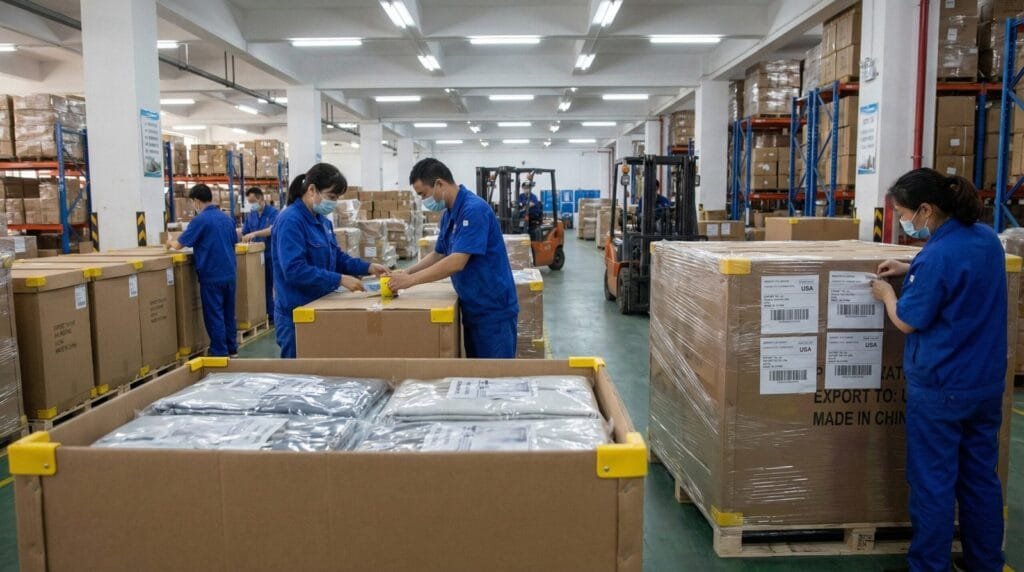
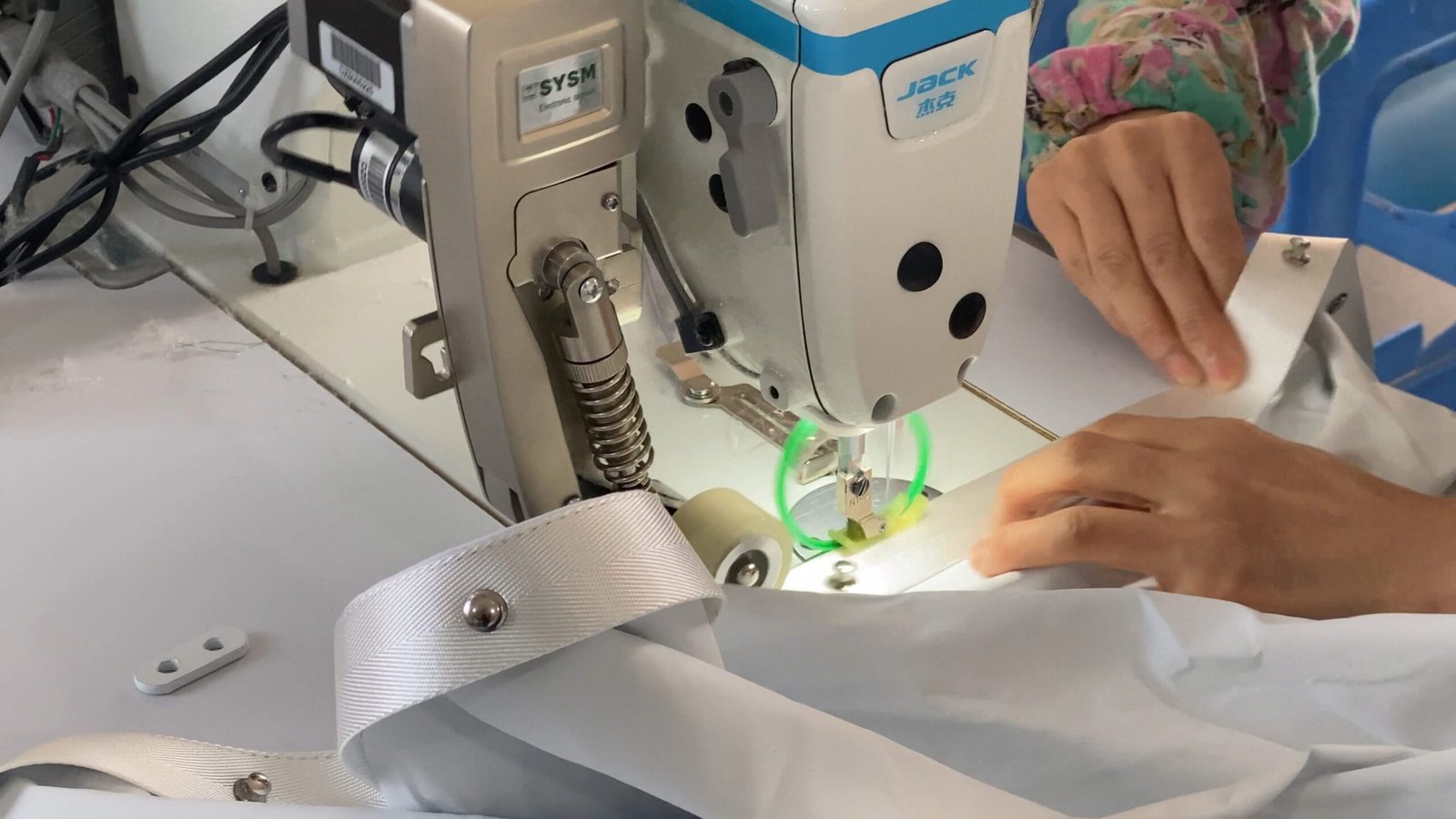
- Production control: a real factory walkthrough (live video counts) and clear, written QC steps.
- Logistics capability: proven experience exporting to your country with correct documentation and HS codes.
Common Procurement Mistakes
- Assuming “blackout” means 100% — without specifying coating/weave, overlap, and returns, light leaks.
- Accepting an FR claim without the certificate scope and the exact standard your AHJ enforces.
- Underestimating lead time and missing the hotel opening date.
- Mixing too many fabrics, pushing every line below MOQ and raising cost.
- Skipping samples on a six-figure order to “save” a week.
- Ignoring dye-lot consistency, so a later reorder no longer matches the original rooms.
Frequently Asked Questions
What fire-retardancy standard do hotel curtains need?
It depends on the country and your local fire authority: NFPA 701 in the US, BS 5867 (Type B/C) in the UK, and EN 13773 in the EU are the common references. Always confirm the exact standard your AHJ requires and ask the supplier for certificate scope plus batch test reports.
What is the difference between inherently FR and FR-treated curtains?
Inherently FR fabric has flame resistance built into the fiber and stays compliant through washing; FR-treated fabric relies on a coating that can degrade over launder cycles. For long-life hotel use, inherently FR is often the safer choice despite a higher price.
How many curtains does a hotel need?
Count windows per room type, then multiply by panels and layers. A blackout-plus-sheer guest room needs roughly 3-4 panels; a 200-room property commonly totals 600-1,000+ panels including public areas. Send a window schedule for an exact figure.
How long do custom hotel curtains take to produce?
Budget 40-60 days for a custom contract order. Custom dyeing, FR certification, and finishing make hospitality lead times longer than standard retail, so plan against your FF&E and opening calendar.
Should I buy hotel curtains from a manufacturer or a trading company?
Buying direct from a manufacturer usually gives the best price and the most control over fabric, certification, and lead time. A trading company or FF&E agent can simplify a large fit-out but adds margin. Either way, confirm who makes and certifies the fabric.
Can one supplier provide blackout, sheers, and shower curtains for a hotel?
Many contract manufacturers handle blackout, dim-out, sheers, tracks, and waterproof bathroom solutions together, which simplifies procurement and keeps fabrics and lead times aligned. Confirm the full scope and FR compliance across every item.
What This Means For Your Project
Hospitality curtain sourcing rewards specification discipline. Define opacity, fabric weight, FR standard, and layering up front; estimate quantity from a real window schedule; verify compliance documents before you commit; and choose a supplier with genuine hospitality experience and export capability. Get those right and your curtains pass inspection, hit the opening date, and hold up for years of guest use.
Dairui is a Shaoxing-based curtain manufacturer supplying hotels, FF&E buyers, and contract projects with certified flame-retardant blackout, dim-out, sheers, and tracks—plus in-house sampling and export documentation. Browse our hotel curtains range or send your specs for a quote.
Last reviewed: 2026-06 · DAIRUI Sourcing Desk