Bottom line: Placing a wholesale curtain order from China runs through eight stages — inquiry, proforma invoice, sampling, deposit, production, pre-shipment QC, balance payment, and shipping. The two decisions that shape your risk most are your Incoterms (FOB, CIF, or DDP) and your payment terms (commonly a 30% T/T deposit with the 70% balance paid against a copy bill of lading). Lock both in writing on the proforma invoice before any money moves. See the step-by-step guide to ordering custom curtains in bulk.
From “I’ll take it” to a binding order: what actually happens

Agreeing on a price is the easy part. A wholesale curtain order only becomes real — and safe — once the commercial terms are written down and both sides know exactly who is responsible for what, when payment changes hands, and how quality is verified. This guide walks the full workflow so a first bulk order from China feels like a controlled process rather than a leap of faith. Still comparing suppliers? Start with our wholesale curtain sourcing guide, then come back for the ordering mechanics.
This article covers the transaction: the documents, Incoterms, payment structure, and quality checkpoints. If you are still deciding quantities and budgets, our breakdown of private label MOQ, lead time, and cost covers the numbers; and our guide to sourcing curtains from China covers finding the right factory. Once those are settled, the steps below get you from quote to delivered goods.
The wholesale curtain order workflow, step by step
- Inquiry & quotation. You share specs (fabric, GSM, header, size, quantity, target market); the factory returns a quote with unit price, MOQ, and lead time.
- Proforma invoice (PI). The factory issues a PI — the binding summary of the deal. This is the document to get right; everything downstream references it.
- Sampling & PPS approval. You approve a pre-production sample before bulk begins. Never waive this on a first order.
- Deposit. You pay the agreed deposit (typically 30%) to start production.
- Production. Bulk manufacturing runs against the approved PPS, usually 25–30 days depending on volume and customization.
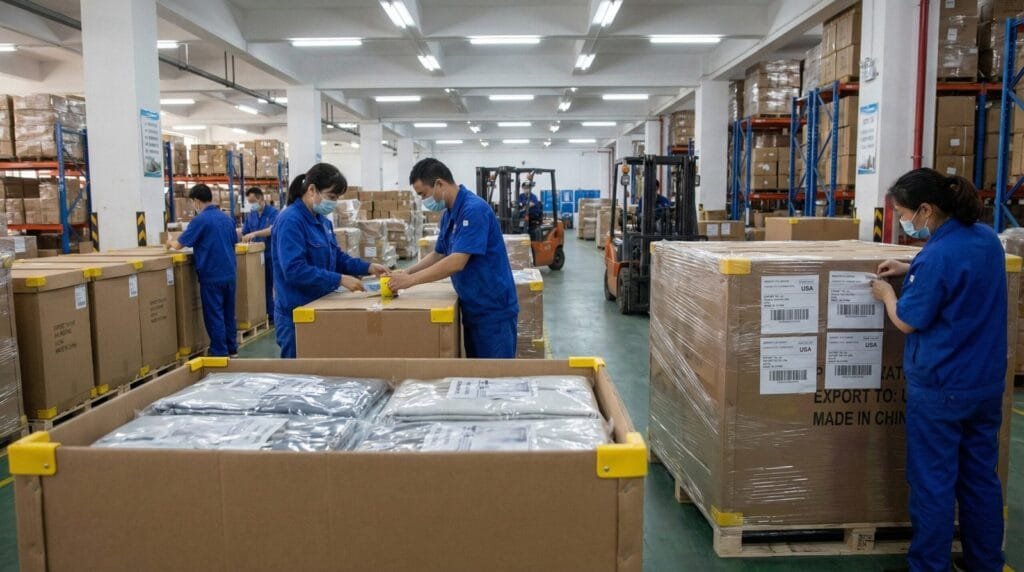
- Pre-shipment inspection. Goods are checked against the PI and PPS — ideally to an AQL standard — before they leave the factory.
- Balance payment. You pay the remaining balance, commonly against a copy of the bill of lading once inspection passes.
- Shipping & documents. The factory (or your forwarder) ships and hands over the documents you need to clear customs.
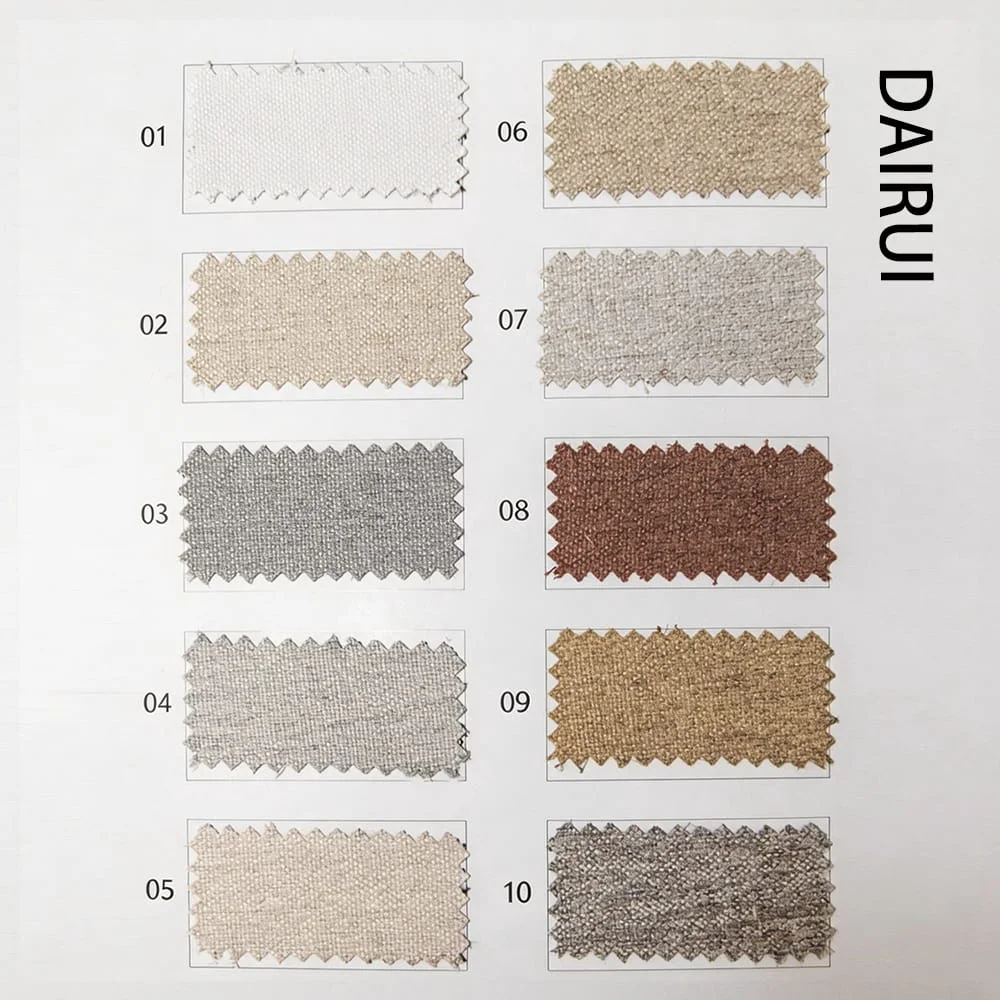
The discipline that separates smooth orders from painful ones is sequencing: sample before deposit, inspect before balance. Each checkpoint sits in front of a payment, so you always retain leverage proportional to your remaining exposure. Before ordering, you can request a curtain line sheet or catalog from the factory.
Incoterms decoded: FOB vs CIF vs DDP
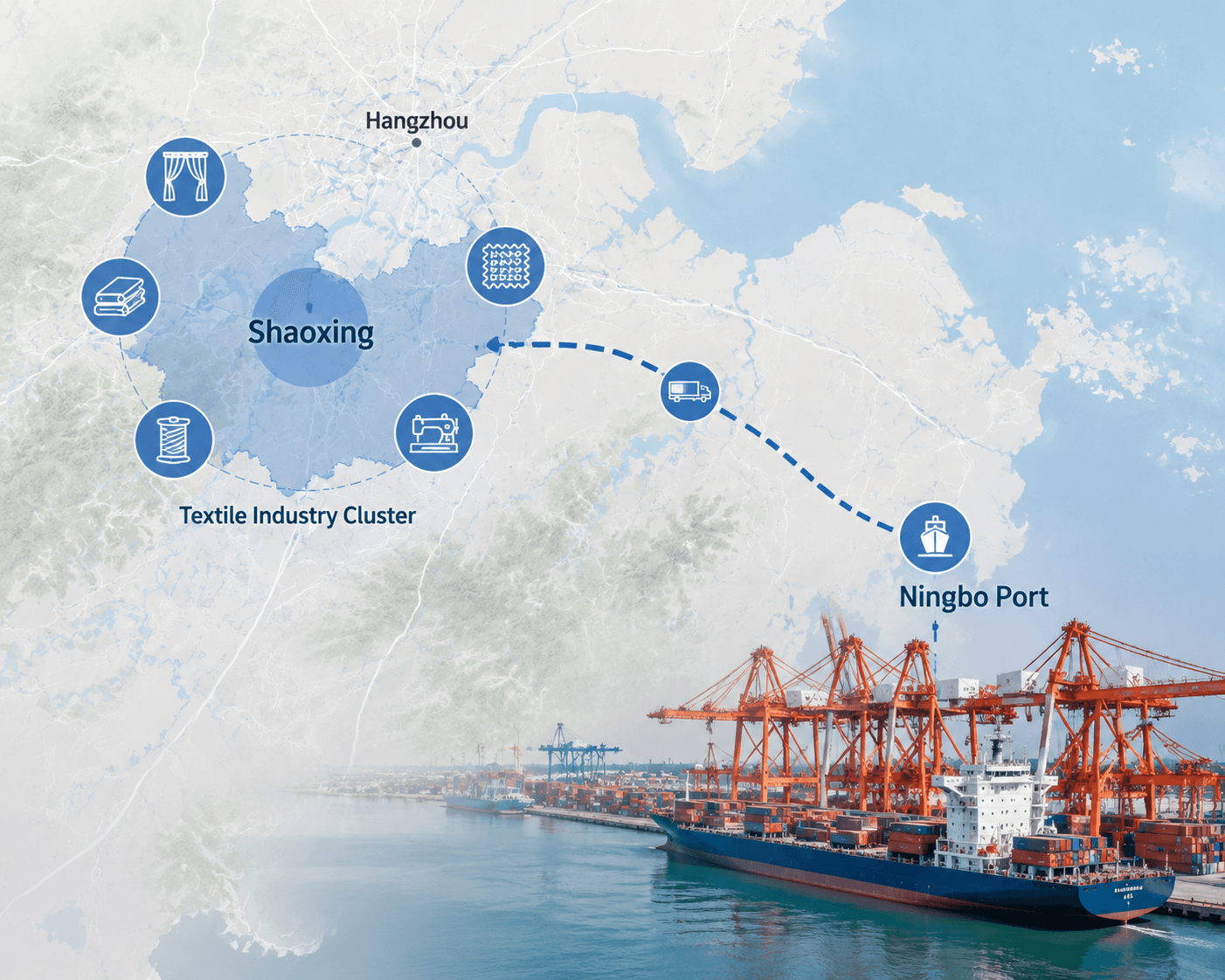
Your Incoterm defines where the factory’s responsibility ends and yours begins. Choosing the wrong one is the most common way first-time buyers get surprised by costs at destination. The three you will actually be offered for curtains are FOB, CIF, and DDP.
| Term | Seller covers | Buyer covers | Best for |
|---|---|---|---|
| FOB (Free On Board) | Goods loaded onto the vessel at origin port | Sea freight, insurance, destination clearing & delivery | Buyers with their own forwarder; most control over freight cost |
| CIF (Cost, Insurance, Freight) | Freight + insurance to destination port | Destination clearing, duties & final delivery | Buyers who want the factory to handle ocean freight |
| DDP (Delivered Duty Paid) | Everything to your door, including duties | Almost nothing — one all-in price | Small orders or buyers wanting zero logistics hassle |
A practical rule: if you ship containers regularly, FOB gives you the lowest landed cost and the most control, because you negotiate freight directly. If you are new to importing or ordering smaller volumes, DDP removes the clearance and duty headaches for a higher all-in price. CIF sits in between. Always confirm which term the quoted unit price is based on — an attractive FOB price can look very different once you add freight and duties.
Payment terms: deposits, balances, and what protects you
The industry-standard structure for a wholesale curtain order is a 30% telegraphic transfer (T/T) deposit to start production, with the 70% balance paid before shipment or against a copy bill of lading. Paying the balance against the B/L copy — after a passed inspection — is the buyer-friendly version, because it ties your final payment to goods that actually exist and have been checked.
- T/T (bank wire): the norm. The 30/70 split balances the factory’s need for working capital against your need to verify goods before full payment.
- Letter of Credit (L/C): worth it on larger orders (roughly $30k+). It adds bank-level security but also bank fees and paperwork; the factory must be comfortable with L/C terms.
- Platform escrow / Trade Assurance: useful for a first order with a new supplier — funds release only when agreed milestones are met.
Two red flags worth naming: a supplier demanding 100% payment upfront on a first order, or one insisting payment go to a personal account rather than the registered company name on the PI. Neither is normal for an established manufacturer.
The contract details buyers forget
Most disputes trace back to something that was assumed rather than written. Before you pay the deposit, make sure the proforma invoice spells out:
- Exact specifications — fabric, color reference, GSM, dimensions, header style, and label — matching the approved PPS.
- Packaging details — polybag per panel, carton quantity, and carton markings, which affect both protection and customs.
- Inspection clause — who inspects, to what standard (e.g. AQL 2.5), and that the balance is due only after a pass.
- Lead time and a shipment window — with clarity on what happens if production runs late.
- Incoterm and named port — “FOB Ningbo,” not just “FOB.”
- Required documents — commercial invoice, packing list, bill of lading, and any certificate of origin or test report your market needs.
Quality control and acceptance before you pay the balance
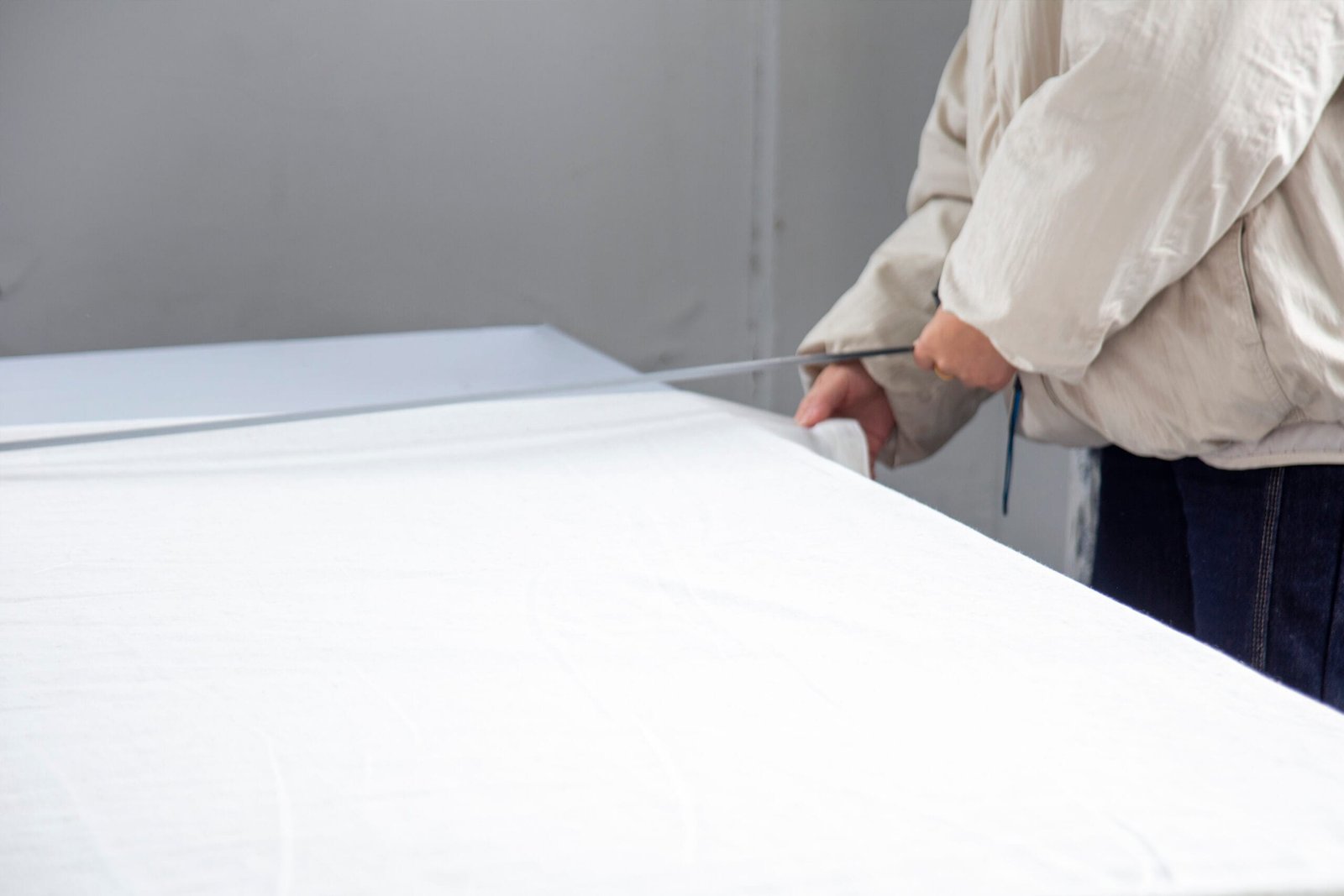
The pre-shipment inspection is your last and best checkpoint. Because the balance is due around shipment, inspecting before that payment is what gives the check teeth. You can use the factory’s own QC report, hire a third-party agency (SGS, Intertek, or AsiaInspection), or — for repeat orders — both.
A proper curtain inspection verifies quantity, measures finished dimensions and GSM against spec, checks color against the approved sample, examines stitching and header consistency, tests blackout performance at seams, and confirms labeling and packaging. Any performance claim — fire-retardant rating or OEKO-TEX status — should be backed by a test report tied to your production batch, not inferred from appearance. Keep the inspection results with your signed PPS; together they are your evidence if anything needs to be made right.
Frequently Asked Questions
What is the typical payment term for a wholesale curtain order from China?
The standard is a 30% T/T (bank wire) deposit to start production, with the 70% balance paid before shipment or against a copy bill of lading after a passed inspection. Larger orders may use a Letter of Credit for added security.
Should I choose FOB, CIF, or DDP?
Choose FOB if you ship regularly and want the lowest landed cost with your own forwarder. Choose DDP if you are new to importing or ordering smaller volumes and want one all-in price to your door. CIF sits in between, with the factory arranging ocean freight to your destination port.
What is a proforma invoice and why does it matter?
A proforma invoice (PI) is the binding summary of your order — specs, quantity, price, Incoterm, payment terms, and lead time. It is the reference document for the entire transaction, so confirming every detail on the PI before paying the deposit is the single most protective step you can take.
How do I protect my deposit on a first order?
Pay to the registered company account named on the PI (never a personal account), approve a pre-production sample before paying, build an inspection clause into the PI, and consider platform escrow or Trade Assurance for a first order with a new supplier. Avoid suppliers demanding 100% upfront.
Can I inspect the curtains before they ship?
Yes, and you should. A pre-shipment inspection — done by the factory, a third-party agency such as SGS or Intertek, or both — checks quantity, dimensions, GSM, color against sample, stitching, blackout performance, and packaging before the goods leave. Tie your balance payment to a passed inspection.
How long does a wholesale curtain order take from deposit to delivery?
Bulk production typically runs 25–30 days after deposit, depending on volume and customization, plus shipping time (roughly 20–35 days by sea to most Western markets). Custom-woven or printed fabrics add time at the front because the material is produced first.
Bottom Line
A wholesale curtain order is a sequence of checkpoints, each sitting in front of a payment: approve the sample before the deposit, inspect the goods before the balance. Get your Incoterm and payment terms written onto the proforma invoice, name the port, specify the inspection standard, and list the documents you need. Handle those well and ordering curtains from China becomes a repeatable, low-drama process — the foundation of a supply relationship you can scale.
Author: DAIRUI Editorial Team. Last reviewed: 2026-06.
Related reading: dropshipping made-to-order model.