Bottom line: A real factory line sheet lists every SKU with fabric, GSM, width and drop, available colors, MOQ per color, price tiers, and lead time — not just pretty photos. Ask the right way (state your market, product, and order range) and a serious manufacturer returns a working sheet in 1–3 business days. A printed sample book usually costs a small deposit plus courier, often refundable against your first order. Treat the catalog stage as a filter: a vague stock-photo PDF signals a trader, not a factory.
Line Sheet vs Catalog vs Sample Book — Know What You Are Asking For

Buyers usually email a factory and write “please send your catalog.” The problem is that “catalog” can mean three very different things, and only one of them lets you actually quote and place an order.
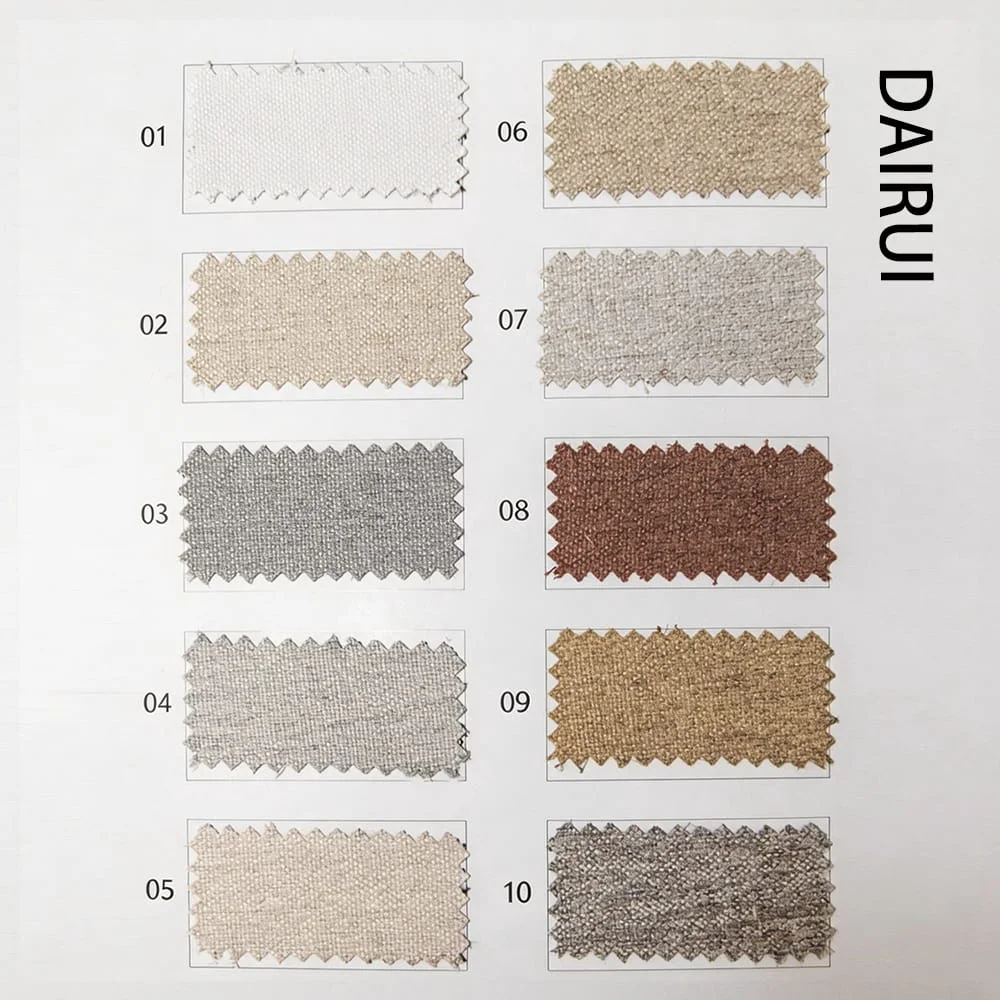
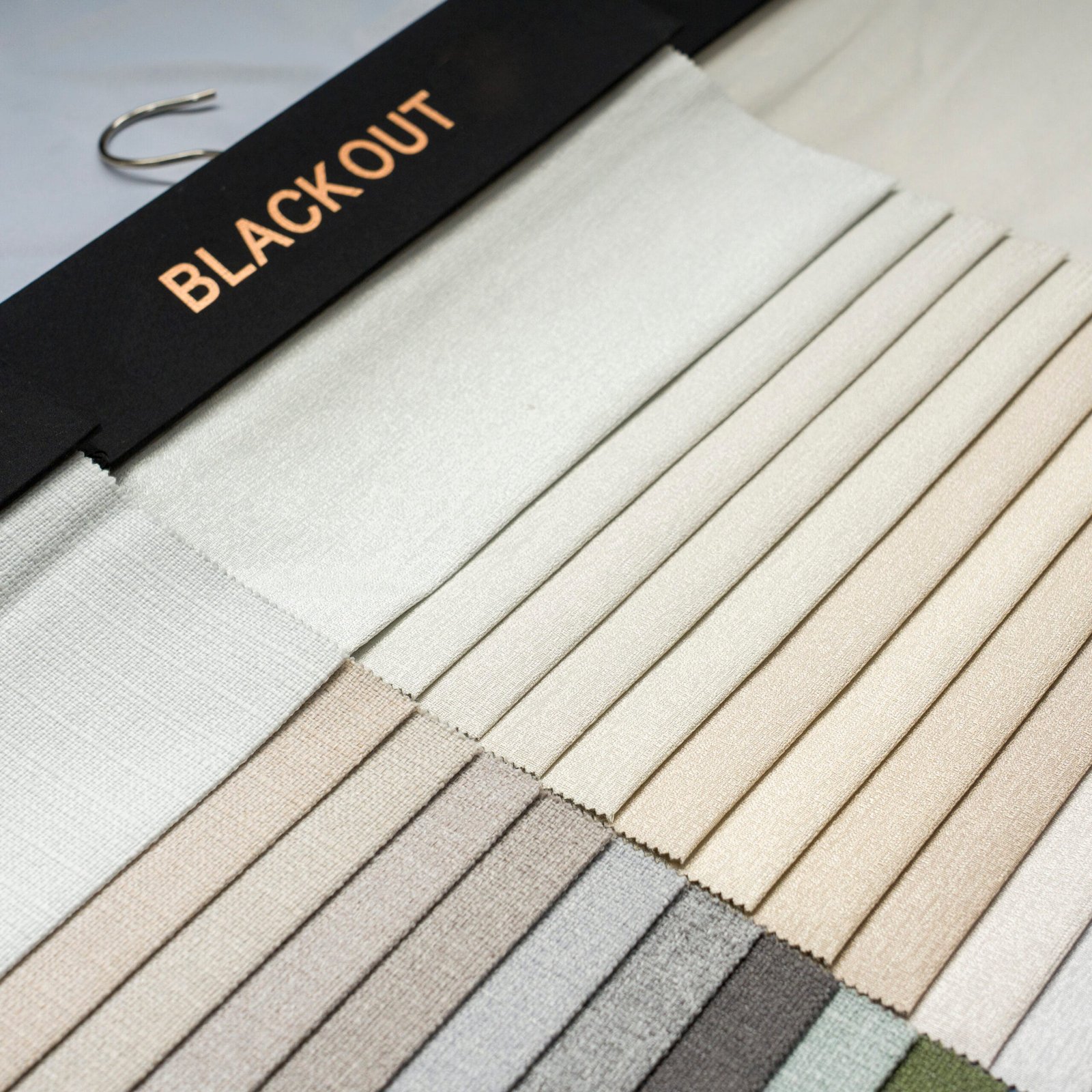
A line sheet is the working B2B document: a structured list of every style with its specifications, minimum order quantity, and price tiers. A catalog or lookbook is a marketing piece — styled photos, room scenes, and mood shots designed to inspire, not to quote from. A sample book (or swatch card) is the physical set of fabric pieces you hold, stretch, and hold up to a window to judge true color and opacity.
When you are sourcing for resale, what you need first is the line sheet. A factory that only sends a glossy lookbook with no GSM, no MOQ, and no price has not actually given you anything you can build an order on. If you keep that distinction clear in your first message, you will get a far more useful reply.
What a Proper Curtain Line Sheet Must Contain
Use this as a checklist. If a line sheet is missing more than two or three of these fields, it is either incomplete or coming from a middleman who does not control production. A genuine manufacturer can fill every row because it owns the specs.
| Field | What it tells you |
|---|---|
| SKU / style code | A stable reference for re-orders and quotes |
| Fabric composition | e.g. 100% polyester, poly-linen blend, triple-weave blackout |
| Weight (GSM) | Hand-feel and drape; sheers ~60–120, blackout ~200–350 |
| Width & drop | Standard sizes or “made to size” for projects |
| Colorways | Stock colors available now vs custom dye |
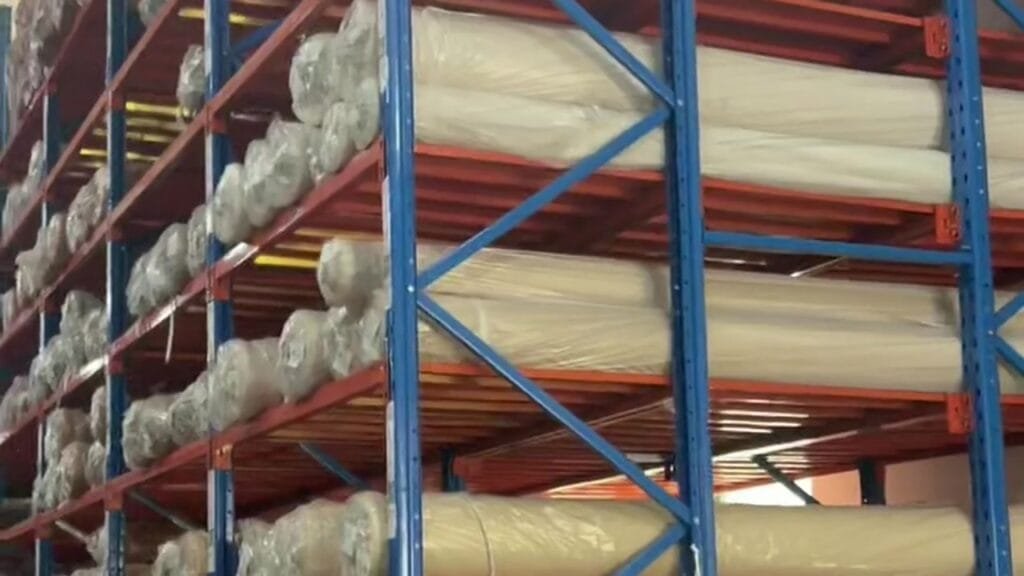
| MOQ per color | Finished panels (often ~200–500 pcs/color) or fabric by the meter (~800 m/color) |
| Price tiers | Break points at roughly 500 / 1,000 / 5,000 units |
| Lead time | Bulk production ~25–30 days after sample approval |
| Certifications | FR standards met; OEKO-TEX via supplier authorization |
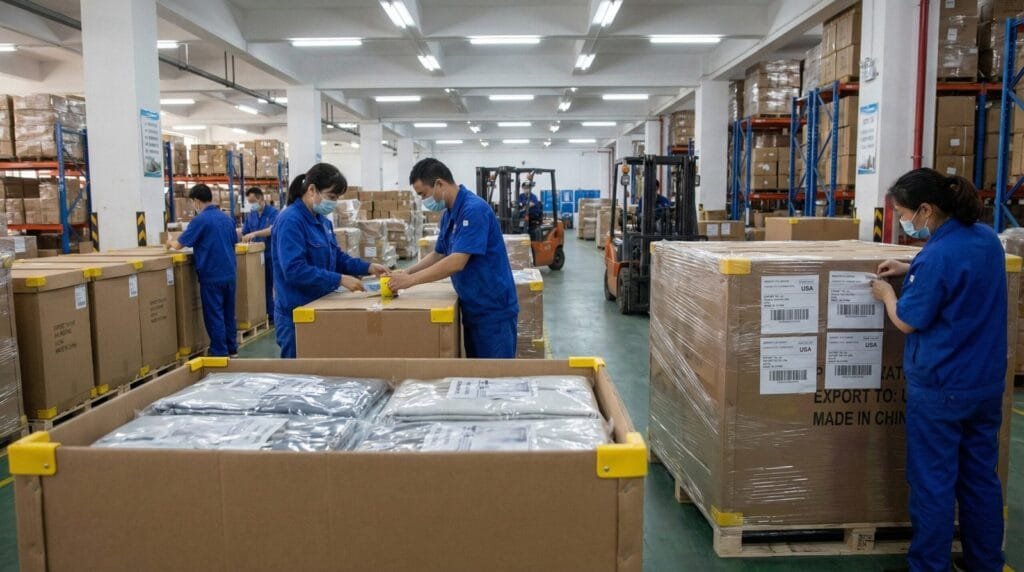
| Packaging | Polybag, carton spec, pcs/carton, CBM |
The numbers above are indicative ranges; confirm exact MOQ, tiers, and lead time against a written quote for your specific styles. The point is that every field should have a concrete answer. Vague is a red flag.
How to Request a Line Sheet That Actually Gets a Useful Reply
A serious factory receives dozens of cold “send me your full catalog and FOB price list” messages every day. Many come from competitors and price-scrapers with no real order behind them, so those messages get deprioritized or answered with a generic PDF. If you want a tailored line sheet, give the factory enough to take you seriously:
- Your market / country — certification and size norms differ by region
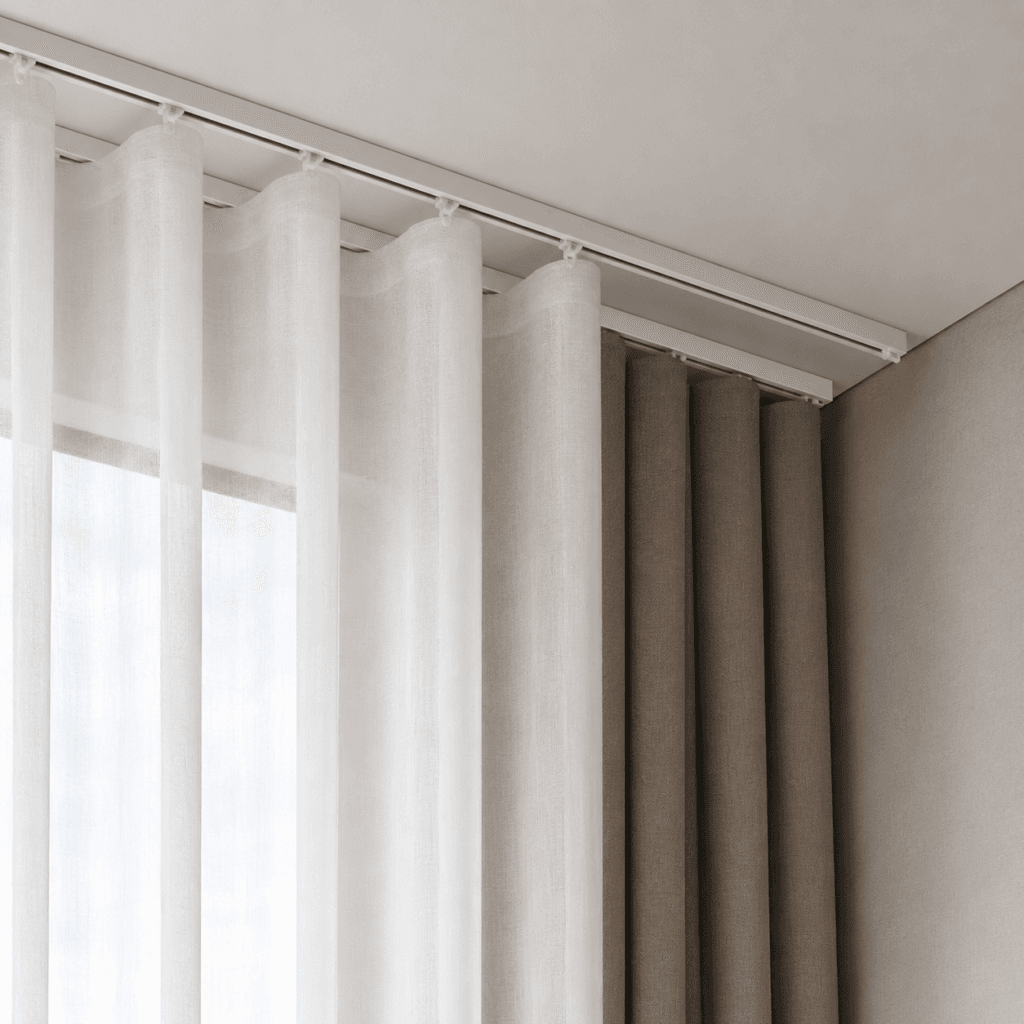
- Product focus — blackout, sheer, hotel/contract, or a specific heading style
- Order range — a rough first-order quantity or annual volume
- Label needs — factory label, white label, or your private label
- Stock or custom — whether you want existing styles or developed ones
You do not have to reveal sensitive numbers — even a band like “first order around 1,000–2,000 panels, then quarterly” changes how the supplier responds. This is also why a factory may share a public catalog freely but hold back a detailed FOB price list until it sees a real product and quantity: pricing is the last thing a careful supplier gives a stranger, and that caution is usually a good sign, not a brush-off.
For a full walk-through of the sourcing journey around this step, see our guide on how to source curtains from China.
Digital Catalog vs Physical Sample Book — and What Each Costs
A digital line sheet or catalog is free and arrives fast. Use it to shortlist styles, compare specs, and rule out anything off-spec before you spend money. It is the screening tool.
A physical sample book or swatch card is what you order once a supplier is on your shortlist. Photos cannot show true hand-feel, exact color, or real opacity — you need the cloth in your hands and against a window. Factories commonly charge a small deposit plus courier for a sample book, and reputable ones credit that cost back against your first bulk order. Allow a few days to prepare the book plus courier transit.
Note that a sample book is not the same as a pre-production sample. Swatches prove material and color; they do not prove your finished panel. The made-to-spec sample, lab dips, and strike-offs come later — see how curtain sampling works for that stage and its costs.
Private-Label and Custom Catalogs
If you want a catalog or line sheet branded for your own store — your logo, your style names, a curated selection of SKUs — that is a private-label line sheet. A capable manufacturer can build one, but it is usually tied to a volume commitment because curating, re-shooting, and maintaining a branded range is work the factory only takes on for committed partners.
If you are weighing how branding affects minimums and cost, our breakdown of mixing SKUs and colors to reach wholesale MOQ shows how assortment choices interact with per-color minimums — the same logic decides how wide a branded catalog you can realistically order.
How to Tell a Factory Line Sheet From a Trader Sheet
The catalog stage is one of the cheapest ways to filter real manufacturers from traders before you risk any money. Watch for these signals:
- Spec consistency — a factory gives the same field set across every SKU; a trader pads with stock photos and gaps
- Per-color MOQ and lab dips — a maker can quote minimums by color and offer dye matching; a reseller often cannot
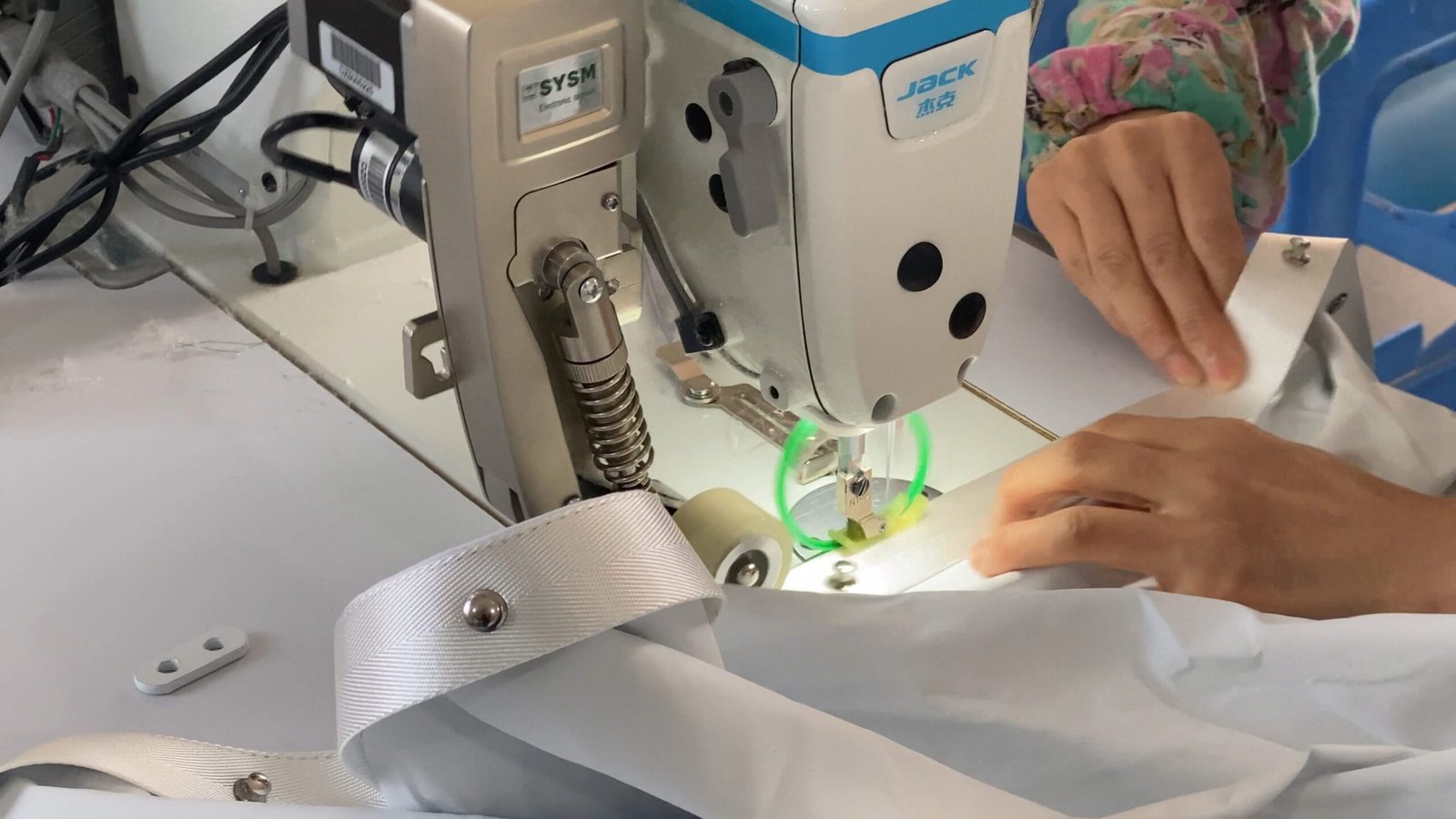
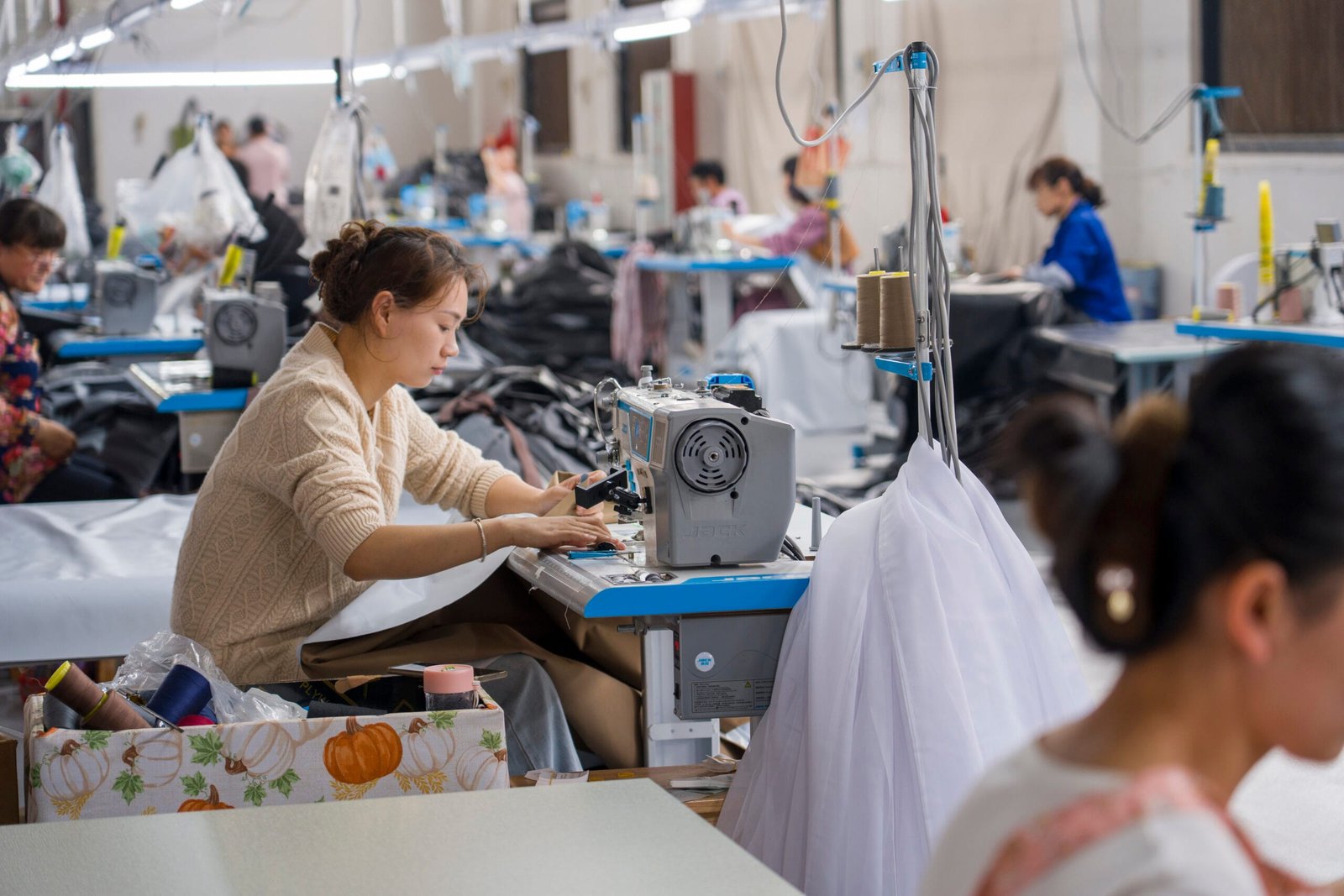
- Own photography — products shot in their facility beat generic catalog images lifted from elsewhere
- Tiered pricing on request — a factory quotes price breaks by quantity; a flat “one FOB list for everyone” with no questions is a flag
- Specific answers — ask one detailed spec question; a real manufacturer answers precisely, a trader deflects
If you are comparing several suppliers from their line sheets, cross-check claims against our guide to a China curtain fabric manufacturer vs trader, and when you are ready to commit, follow the steps in how to place a wholesale curtain order from China.
What a Line Sheet Will Not Tell You
A line sheet is the right tool to shortlist suppliers, but treat it as a starting point, not proof. It cannot confirm the things that actually decide whether a shipment is good, so do not let a polished catalog lull you into skipping the later checks. Our guide to sourcing quality wholesale curtains covers the verification steps that come after the line-sheet stage.
It will not show true color and hand-feel — screen photos shift, so you confirm those on a physical sample book. It will not prove batch consistency — a swatch tells you the material, not that 2,000 panels will match it, which is what the pre-production sample and dye-lot control are for. And it will not verify build quality on the actual run; that is the job of a pre-shipment inspection before you release the balance payment. In short, the line sheet gets you to a credible supplier; samples and inspection get you a correct order.
Frequently Asked Questions
What is the difference between a line sheet and a catalog?
A line sheet is a working B2B document listing each SKU with fabric, GSM, sizes, colors, MOQ, price tiers, and lead time — everything you need to quote and order. A catalog or lookbook is a marketing piece of styled photos meant to inspire. For sourcing decisions, ask for the line sheet first.
How long should it take to get a line sheet from a curtain factory?
A serious manufacturer usually returns a relevant line sheet within 1–3 business days once you have stated your market, product focus, and rough order range. A slow or generic reply often means your enquiry looked like a cold price-scrape rather than a real buyer.
Do curtain factories charge for a sample book?
Most factories charge a small deposit plus courier for a physical sample book or swatch card, and reputable suppliers credit that amount back against your first bulk order. Digital catalogs and line sheets are normally free.
What information should I give to get a useful line sheet?
Share your market or country, the product types you sell, a rough first-order or annual volume, your labeling needs (factory, white, or private label), and whether you want stock or custom styles. Even an approximate volume band changes how seriously a supplier responds.
Can I get a catalog branded with my own label?
Yes — a private-label line sheet with your logo, style names, and curated SKUs is possible from a capable manufacturer, but it is usually tied to a volume commitment because building and maintaining a branded range is dedicated work.
How can I tell if a line sheet is from a real factory or a trader?
Look for consistent specs across all SKUs, per-color MOQs and lab-dip capability, own-facility photography, tiered pricing on request, and precise answers to a detailed spec question. Stock photos, spec gaps, and a single flat price list for everyone point to a middleman.
Bottom Line
The catalog stage is a two-way filter. A complete line sheet — specs, MOQ per color, price tiers, and lead time — tells you the supplier controls production, while a vague stock-photo PDF tells you it probably does not. Ask the right way, screen on the digital sheet, confirm on a physical sample book, and you will reach the sampling and order stages already working with a manufacturer worth your time.
DAIRUI Sourcing Desk
Last reviewed: 2026-06