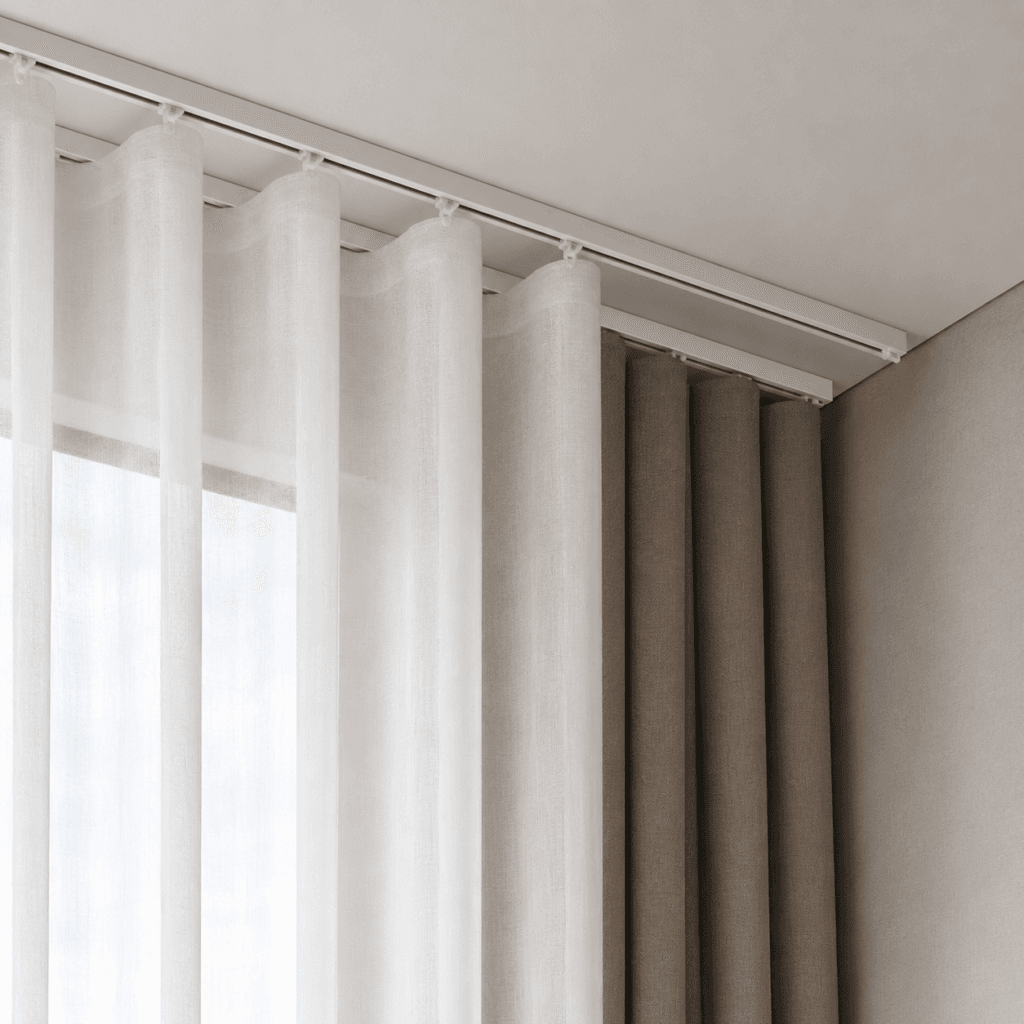
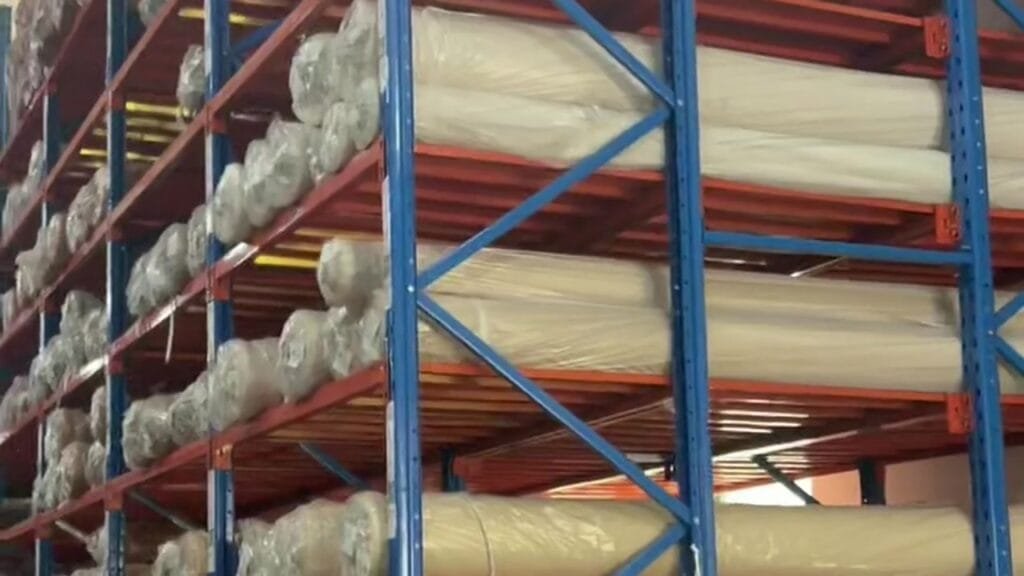
Bottom line: A curtain can be flame-retardant two ways. FR-treated fabric has a topical chemical finish – cheaper (about $0.40-0.80 per panel) but the protection is finite and can wash out, so it needs re-testing or re-treatment over time. Inherently FR fabric has the flame resistance built into the fiber – it costs more but is permanent for the life of the curtain and survives repeated commercial laundering. For hotels and contract projects that launder curtains, inherent (or a durable FR finish) is the safer spec; for short-term or one-off installs, a treated finish can be enough.
Two Ways a Curtain Becomes Flame-Retardant
Both routes can pass the same fire test on day one. The difference is what happens after months of sunlight, cleaning, and laundering – and that difference decides which one belongs in your project.
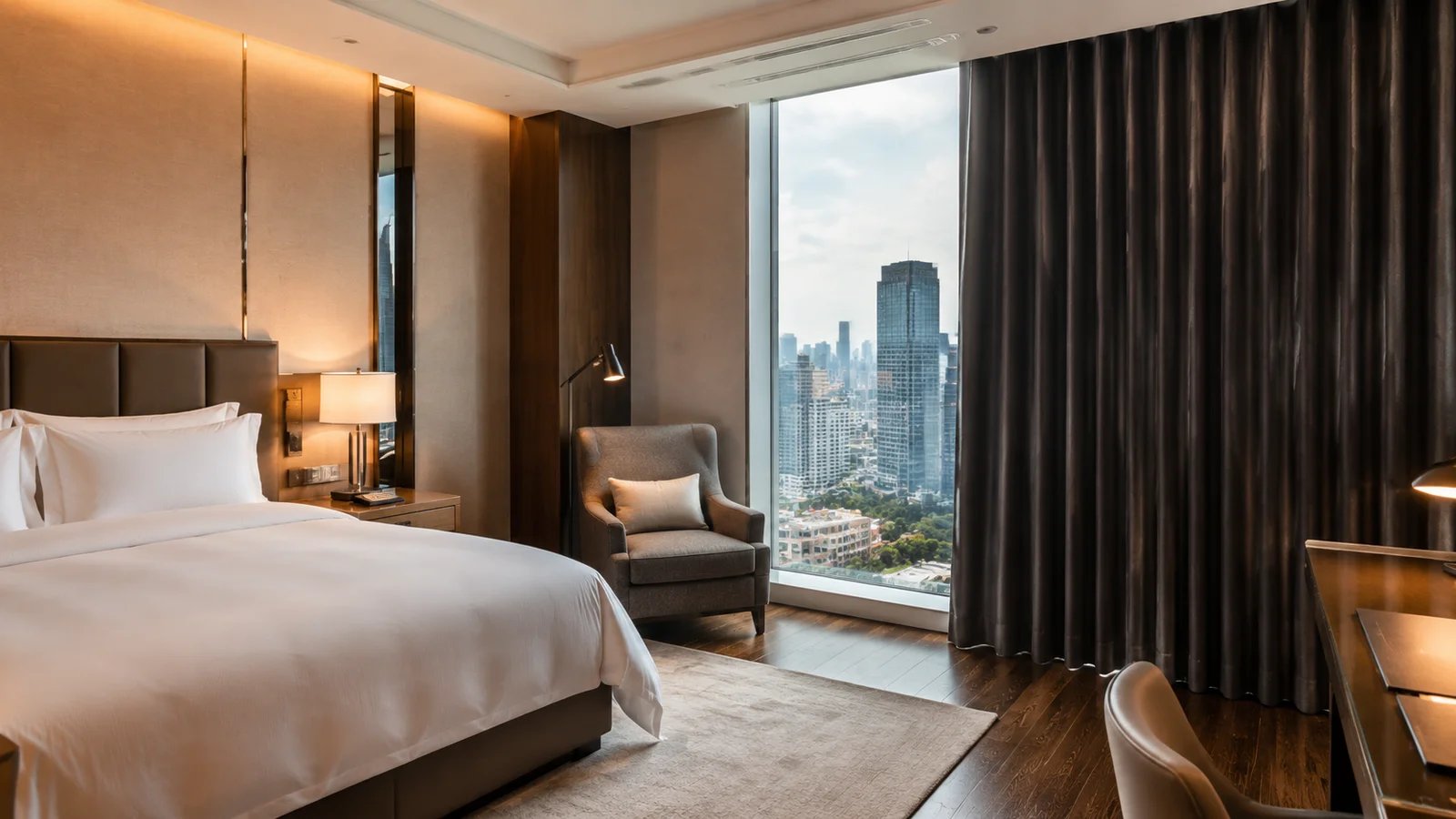
- FR-treated (topical): a standard fabric is dipped or coated with a flame-retardant chemical after weaving. The fiber itself is not fire-resistant; the finish is. Lower cost, applied to almost any fabric.
- Inherently FR: the flame resistance is engineered into the polymer before the yarn is spun (for example FR polyester or modacrylic blends). The fiber cannot stop being flame-retardant, because the property is part of the material.
That single distinction – finish versus fiber – drives every practical difference in cost, lifespan, washing, and re-certification below.
FR-Treated (Topical) Curtains: Lower Cost, Finite Life
Topical FR is the budget-friendly route. A flame-retardant finish adds roughly $0.40-0.80 per panel and can be applied to fabrics that are not available as inherent FR – which is often the only way to make a specific decorative or blackout fabric pass a fire standard.
The catch is durability. A topical finish sits on the surface, so UV, abrasion, humidity, and especially washing degrade it over time. Basic finishes can lose effectiveness after a handful of washes; durable FR finishes are formulated to survive more – on the order of dozens of commercial launderings – but none last forever. Once the finish wears down, the fabric must be re-tested and, if it fails, re-treated to stay compliant. Treat a topical FR rating as a maintenance item, not a permanent property.
Inherently FR Curtains: Permanent, Higher Cost

Inherent FR builds the flame resistance into the fiber, so it cannot wash out, wear off, or fade with UV. The fabric stays compliant for its entire service life through repeated laundering – which is exactly what a hotel housekeeping cycle demands. It is the reason hospitality and contract specifications so often call for inherently FR drapery.
The trade-offs are cost and selection. Inherent FR fabric costs more per meter, and you are limited to fibers and constructions that are manufactured as inherent FR – the palette is narrower than the universe of fabrics a topical finish can be applied to. For high-turnover environments, though, the higher upfront cost is usually offset by never having to re-treat or re-certify.
The Washing Question: Where FR-Treated Falls Down
Laundering is the single biggest reason projects choose inherent over treated. Here is the practical difference:
- Treated FR: each wash strips some of the topical finish. After enough cycles the fabric may no longer pass its fire standard, even though it looks identical. Compliance has a shelf life tied to wash count.
- Inherent FR: washing changes nothing about the flame resistance, because it lives in the fiber. The fabric passes the same test after 5 washes or 500.
So the right question to ask a supplier is not just “does it pass NFPA 701?” but “does it still pass after laundering, and how many cycles?” For any curtain that will be washed on a schedule – hotels, healthcare, student housing – that follow-up question is the one that protects you.
Side-by-Side: Cost, Lifespan, Washing and Certification
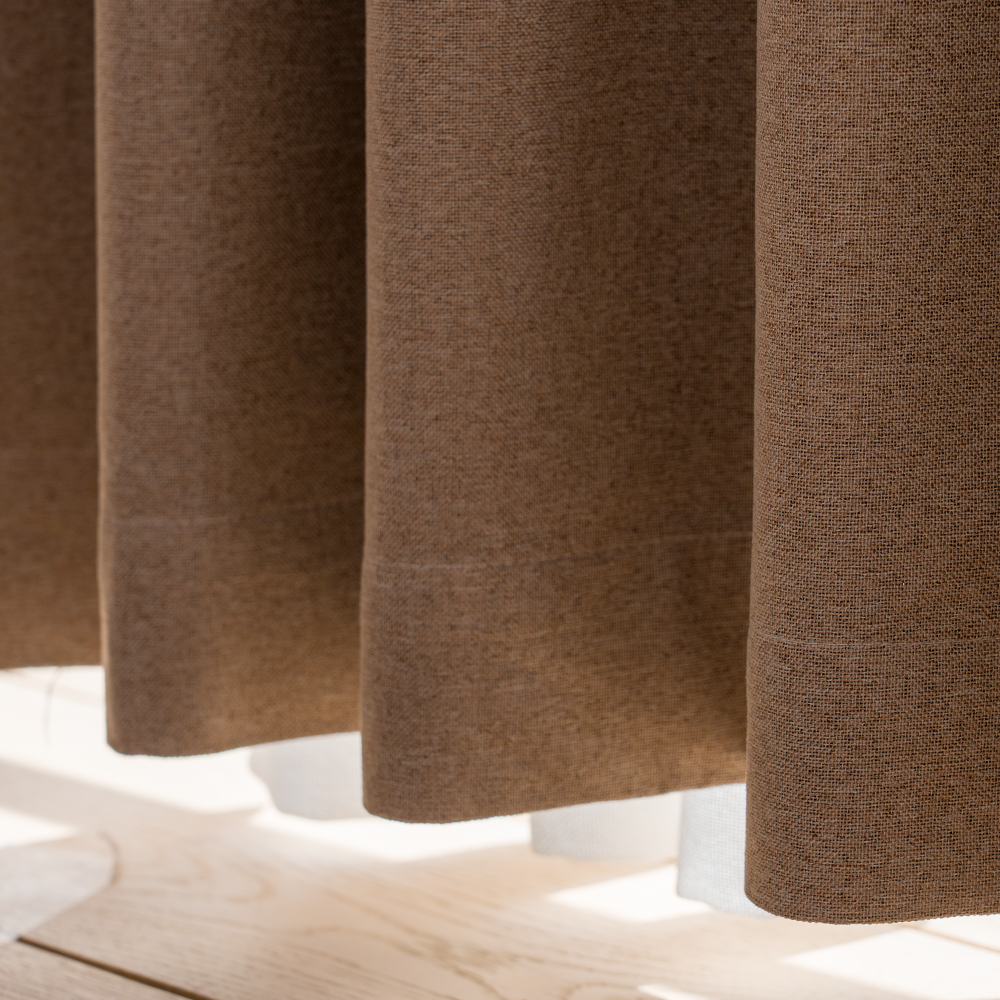
| Factor | FR-Treated (topical) | Inherently FR |
|---|---|---|
| Where FR lives | Surface finish | Inside the fiber |
| Added cost | ~$0.40-0.80 / panel | Higher fabric cost per meter |
| Lifespan of FR | Finite – degrades over time | Permanent for the curtain’s life |
| Survives washing | Loses effect over washes | Unaffected by laundering |
| Re-treatment | Needed once it wears down | Never needed |
| Fabric choice | Almost any fabric | Limited to inherent-FR fibers |
| Best for | Short-term, one-off, rarely washed | Hotels, contract, frequently washed |
Read the table as a maintenance decision, not just a price decision. A treated finish looks cheaper on the quote, but if the curtains are laundered the re-testing and re-treatment cost – and the compliance risk in between – can erase the saving over a few years.
Which to Spec for Your Project – and the Standards That Apply
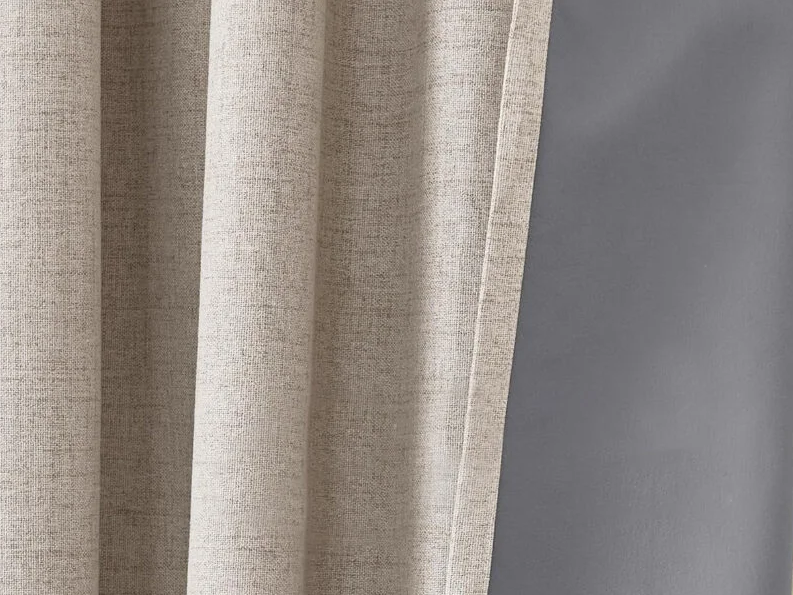
Match the FR route to how the curtain will live:
- Hotels, healthcare, contract, frequently laundered: specify inherently FR, or at minimum a durable FR finish with a stated wash-cycle rating. Permanence is worth the premium.
- Short-term, events, decorative-only, rarely washed: a topical FR finish can be the sensible, lower-cost choice.
- Confirm the exact standard in writing. The common drapery standards are NFPA 701 (US), EN 13773 (EU fabric classification), BS 5867 Part 2 Type B/C (UK), and DIN 4102 B1 (Germany). A project brief – especially a hotel brand standard – will name the one you must meet.
On certification, be precise about which document you need. Dairui holds SGS test reports to NFPA 701 and CAN/ULC S109 for applicable fabrics; for EN 13773, BS 5867 or DIN 4102, fabric is tested to your project requirements on request. For the full certification picture, see which curtain certifications matter and our guide to choosing fireproof curtains for hotels and public spaces.
Frequently Asked Questions
What is the difference between FR-treated and inherently FR curtains?
FR-treated curtains have a topical flame-retardant chemical applied after weaving, so the finish sits on the surface and can wear off. Inherently FR curtains have the flame resistance built into the fiber, so it is permanent. Both can pass the same fire test new; only inherent FR keeps passing after repeated washing.
Does flame-retardant treatment wash out?
Topical FR treatment degrades with washing. Basic finishes can lose effectiveness after a handful of washes; durable FR finishes survive more – on the order of dozens of commercial launderings – but none are permanent. Inherent FR does not wash out because the flame resistance is part of the fiber.
How much does FR treatment add to the cost of a curtain?
A topical FR finish typically adds about $0.40-0.80 per panel, which is why it is the budget route. Inherently FR fabric instead costs more per meter but never needs re-treatment, so compare total cost over the curtain’s service life, not just the upfront finish cost.
Which FR type do hotels need?
Hotels usually specify inherently FR or a durable FR finish with a stated wash-cycle rating, because guestroom and public-area curtains are laundered on a schedule and must stay compliant. Confirm the brand standard, which will name the required test – often NFPA 701, EN 13773, or BS 5867.
What flame-retardant standards apply to curtains?
The common drapery standards are NFPA 701 (US), EN 13773 (EU fabric classification), BS 5867 Part 2 Type B/C (UK), and DIN 4102 B1 (Germany). The required standard depends on the country and project type; a hotel or contract brief will specify which one the fabric must meet.
Can a manufacturer in China provide FR certificates?
Yes, for tested fabrics. Dairui holds SGS test reports to NFPA 701 and CAN/ULC S109 on applicable fabrics. For EN 13773, BS 5867 or DIN 4102, fabric is tested to your project requirements on request. Tell us which standard your project names before fabric is selected.
Bottom Line
FR-treated and inherently FR curtains can pass the same fire test on day one, but they diverge the moment a curtain is washed. Treated finishes are cheaper and can go on almost any fabric, yet the protection is finite and tied to wash count. Inherent FR costs more and limits fabric choice, but stays compliant for the life of the curtain with no re-treatment. For any project that launders its curtains – hotels above all – inherent or a rated durable finish is the spec that protects you. Name the exact standard, ask how many wash cycles the rating survives, and require the test report that matches your fabric before you order.
Last reviewed: 2026-06. Author: DAIRUI Sourcing Desk.
Sourcing for a live hospitality or commercial project? Explore Dairui’s flame retardant curtain manufacturing and supply options.