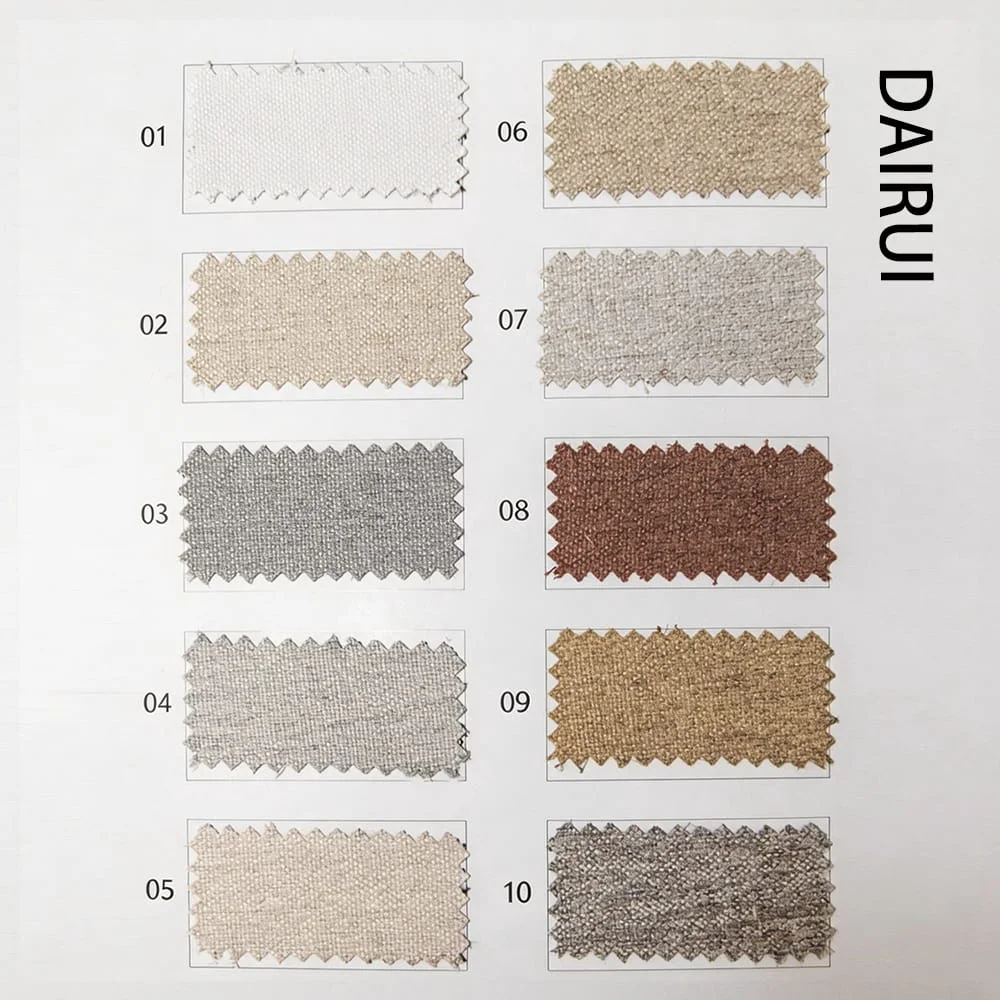
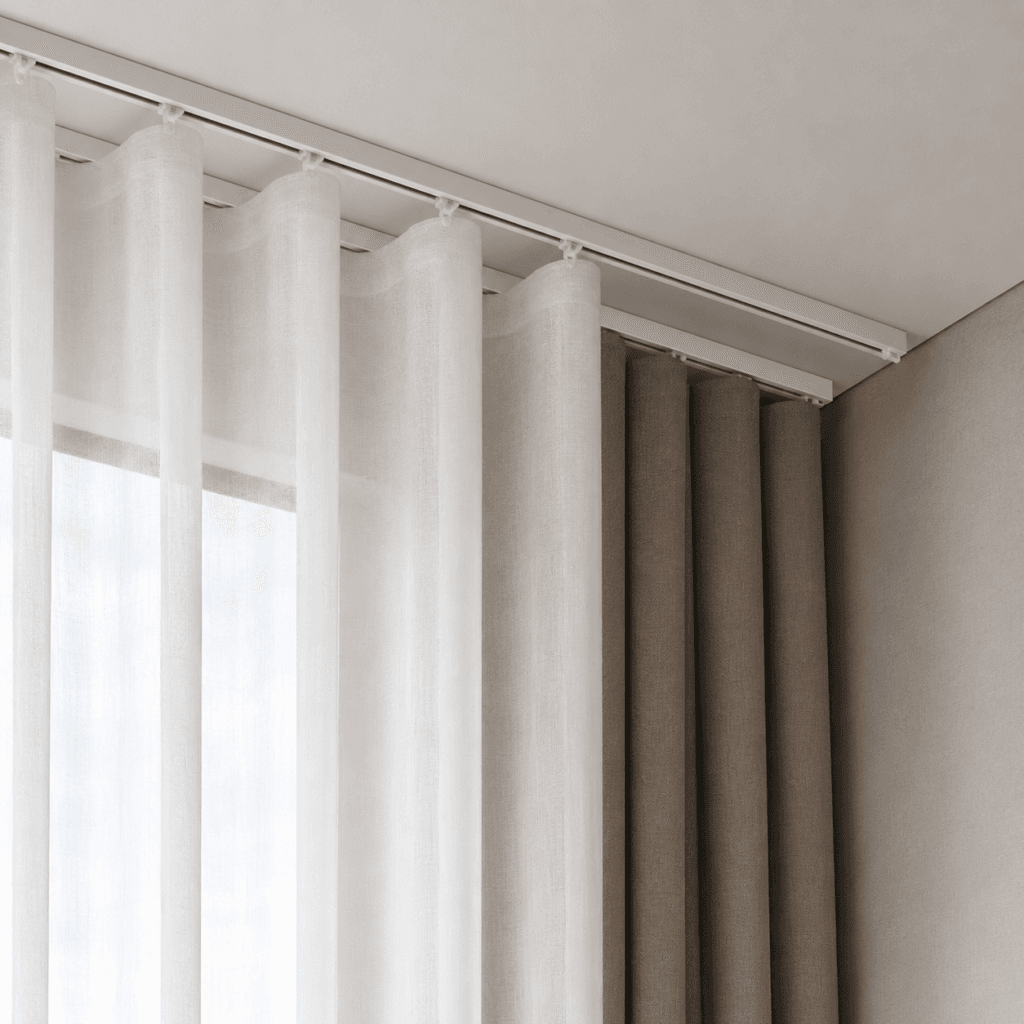
Bottom line: buyers should not approve decorative sheer fabric from artwork or a face photo alone. Embroidery, cutwork, printing, flocking and foil change different parts of the base cloth, so each route needs its own visible approval points for appearance, placement, reverse condition, handfeel, dimensions and aftercare behavior. Quantitative acceptance limits and test methods must be agreed for the specific material and process.
The first decision is still the base sheer. Its composition, weave, GSM, width, handfeel and transparency affect how a decorative process looks and behaves. A finish that works on one base should not be assumed to transfer unchanged to another.
Approve the common foundation first
Before comparing decorative effects, lock the base-cloth identity and color. Record the usable width, face direction, intended finished orientation and any relevant pattern repeat. View the sheer both flat and hanging, because transmitted light can reveal density changes, puckering, registration differences or open areas that are less visible on a table.
Then define the end use. A wholesaler reviewing a retail colorway may focus on repeatable shelf appearance and care labeling. A project buyer may need motif placement coordinated with finished dimensions. An importer may need clear references that can be used for subsequent approvals across several SKUs.
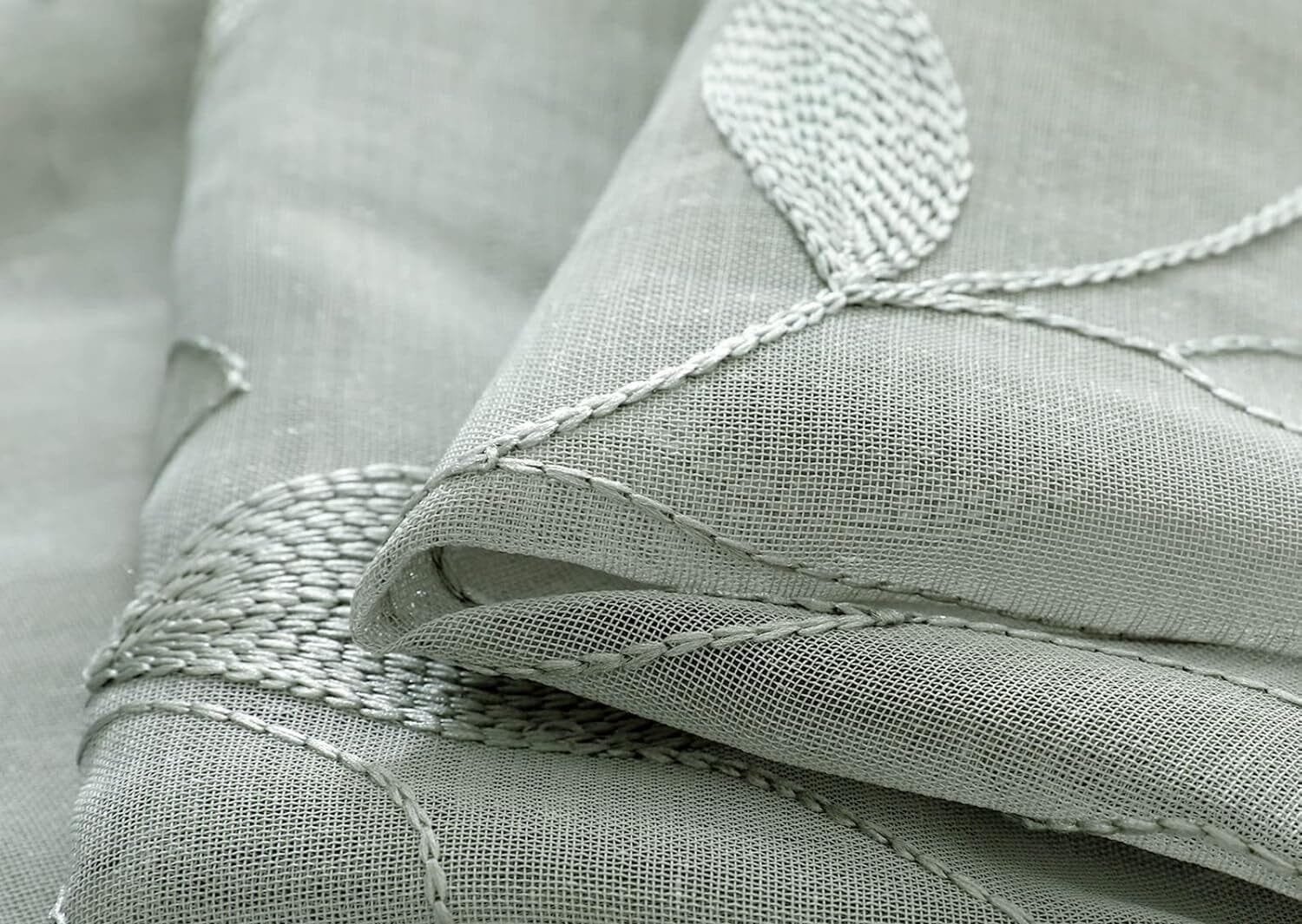
Embroidery: approve stitch appearance and fabric response
For embroidery, compare the motif, thread color, placement and repeat against the approved artwork or physical reference. Inspect both face and reverse. The sample should show whether the base remains visually acceptable around the stitched areas and whether the motif sits correctly in the intended panel orientation.
Useful approval points include:
- motif scale, direction, placement and repeat;
- thread color and visible texture under front and transmitted light;
- appearance around dense and open stitch areas;
- reverse-side condition where it may be visible;
- handfeel and drape after embroidery; and
- the finished-panel position of the motif relative to heading, sides and hem.
Cutwork: approve the open structure, not only the pattern
Cutwork removes or opens parts of the fabric, so the buyer must review the shape and placement of the openings together with the surrounding edge finish. View the sample against light and at hanging scale. Confirm that the decorative open areas match the approved design and do not conflict with planned seam, heading or hem positions.
The approval record should identify which features are intentional design openings and which would be unacceptable damage. Because the required acceptance method depends on the exact construction, define it with the supplier or QC team rather than applying an invented universal threshold.
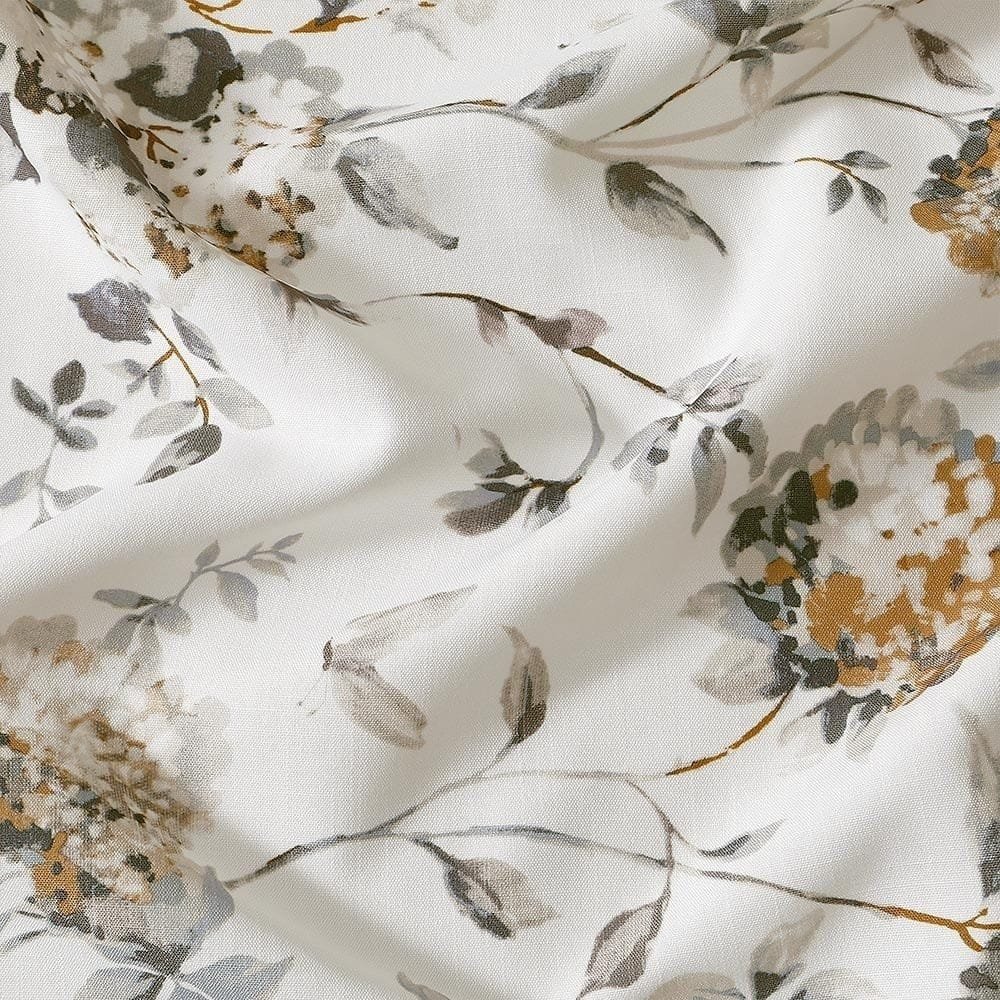
Printing: approve color, registration and base-cloth interaction
A print approval should connect the artwork version to the chosen base and process. Check motif scale, direction, repeat, registration and the relationship between printed and unprinted areas. Compare the color under agreed viewing conditions and note whether the buyer is approving a lab color reference, a strike-off or a finished panel.
Also evaluate how the print changes the hand and appearance of the sheer. Printing outcomes depend on the base fabric, color system and finishing route. Buyers should agree the relevant sample and post-processing checks for the exact construction instead of relying on a generic test claim or transferring an acceptance threshold from another material.
Flocking or plastisol-type effects: approve surface and attachment
Raised or deposited surface effects should be checked for coverage, edge definition, texture and the way the added material changes transparency and drape. Compare the sample flat, flexed naturally and hanging. Buyers should specify the intended handling and care context, then agree an attachment or durability evaluation appropriate to the exact process.
Do not assume that a visually similar effect uses the same chemistry or test method. The purchase specification should name the approved sample and process description supplied for that item.
Foil: approve coverage and post-process behavior
Foil can create a reflective surface that looks different as the viewing angle changes. Approve color, gloss, coverage, motif edge and placement under more than one viewing direction. Inspect how the foil sits on the chosen sheer base and whether the reverse appearance matters.
Foil adhesion and post-processing performance require attention. Because the appropriate evaluation depends on the selected base, foil and finishing route, the buyer and production/QC team should define the sample conditioning, handling or care check for the selected material, then record the agreed result.
Use the right sample stage
| Approval need | Useful stage | What it should answer |
|---|---|---|
| Base cloth shortlist | Swatch | Composition/spec reference, color, transparency, handfeel, GSM and width |
| Color development | Lab dip where applicable | Color direction on the relevant material/process basis |
| Decorative process | Strike-off or process sample | Artwork, placement, scale, color, surface effect and base interaction |
| Panel appearance | Finished sample | Motif position, seams, heading, hem, drape and transmitted-light appearance |
| Production reference | PPS | Final approved combination of fabric, decoration and construction before bulk cutting |
Buyer approval checklist
- Base fabric identity, composition, color, GSM, width and orientation
- Artwork file/version, motif scale, repeat, direction and placement
- Face and reverse appearance under front and transmitted light
- Process-specific surface, edge, registration or stitch details
- Handfeel, transparency and drape after decoration
- Finished-panel relationship to heading, side seams and hem
- Agreed care or post-process evaluation for the exact construction
- Sample code, revision, comments, approver and next approval gate
Two practical FAQs
Can one strike-off approve every sheer base?
No. The base cloth can change color appearance, transparency, handfeel and process response. Approval should remain tied to the specified base and process.
Is a face photo enough to approve decorative sheer?
No. Sheer should also be viewed hanging and against light, with the reverse, dimensions, placement and surface condition included in the decision.
Build the approval around the exact sheer
Use the Sheer Curtain category to define the base direction, then request the appropriate swatch, strike-off, finished sample or PPS through Sample Support. For programs that combine fabric, construction and project requirements, see Solutions Support.
DAIRUI Sourcing Desk
Last reviewed: 2026-08