Bottom line: each approval stage should close a different risk. A swatch shortlists the material; a lab dip approves a color direction; a strike-off proves a decorative process or artwork on the intended base; a finished sample proves the assembled curtain; and a PPS becomes the production-ready reference before bulk cutting. One stage should not be asked to prove what only a later stage can show.
The names can vary between suppliers and programs, so the purchase specification should define the deliverable—not rely only on the label. The key question is always: “What decision is this sample authorized to close?”
The approval-stage matrix
| Stage | Primary job | What it can prove | What it cannot prove alone |
|---|---|---|---|
| Swatch | Material shortlist | Face/back direction, color impression, texture, handfeel, construction reference, GSM and width for the named item | Finished size, sewing, heading, motif placement, full-panel drape or bulk consistency |
| Lab dip | Color development | An agreed color direction on the stated material/process basis under defined viewing conditions | Pattern reproduction, finished-panel construction or performance of a different base |
| Strike-off | Artwork/process approval | Scale, repeat, direction, registration, color and surface effect for print, foil or another relevant decorative process | Full curtain dimensions, heading, seams, packaging or the behavior of an unrepresented base |
| Finished sample | Product construction approval | Fabric combination, dimensions, heading, sewing, lining, motif position, drape, labels and agreed packaging details where included | Automatic proof of an unidentified future production lot |
| PPS | Production-release reference | The final approved combination of material, color, construction and controlled details before bulk cutting | A universal guarantee outside the approved order scope or evidence not included in the PPS record |
Swatch: decide whether the material belongs on the shortlist
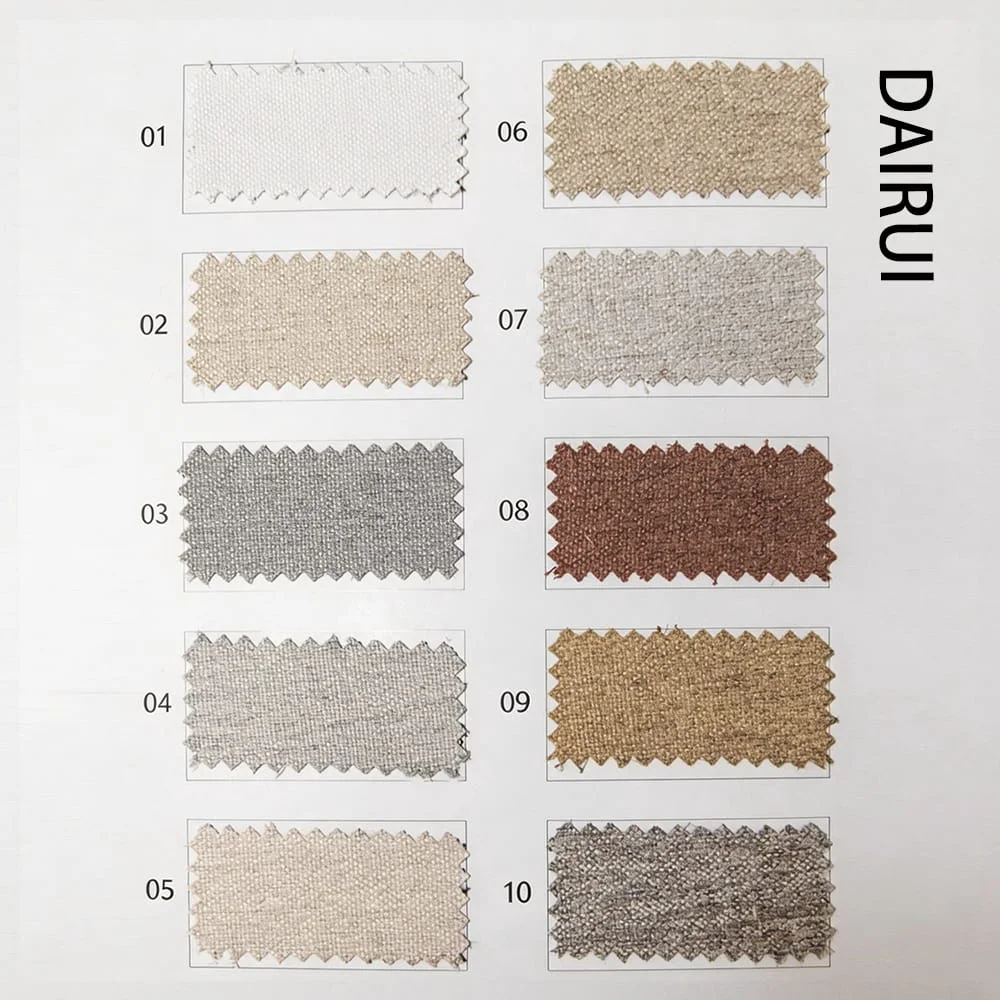
Use a swatch to compare candidate fabrics efficiently. Record the exact item, color, face, backing and direction. Review handfeel, texture, opacity, GSM and specified width. For blackout, include the construction route and reverse. For velvet, mark pile direction. For linen and linen-look, keep the composition language attached to the sample.
Do not release finished-panel details from a small cutting. A swatch usually cannot show full drape, pattern placement, heading behavior or the combined result of multiple layers.
Lab dip: approve color on a defined basis
A lab dip is a color-development approval, not a complete fabric or curtain approval. Identify the color reference, substrate/process basis, viewing conditions, revision and comments. If the final effect depends on pile direction, sheen, transparency or a decorative layer, those factors still need the appropriate material or process sample.
The approved color direction must remain traceable into the next stage. A vague “approved” message without sample identity, date or revision makes it difficult to know which submission should guide production.
Strike-off: prove the artwork and process
Use a strike-off when the buyer needs to approve how a print, foil, flocking or another decorative process appears on the relevant base. Check artwork version, motif scale, repeat, direction, registration, color, coverage and the effect on handfeel or transparency.
A strike-off is strongest when the base and process represent the intended order. If either changes, record whether a new approval is required. It still does not replace a finished sample where motif placement relative to heading, seams and hem matters.
Finished sample: approve the assembled curtain
The finished sample brings together the material and product construction. Check dimensions, heading, side treatment, hem, seams, lining or backing, pattern placement, drape and visual orientation. For velvet, confirm nap direction. For blackout, distinguish fabric transmission from gaps that only the installed system can reveal.
Where labels or packaging are part of the sample scope, approve the exact copy, location and version. If those components are not included, list them as separate unresolved gates rather than assuming they are covered.
PPS: create the production-ready reference
The pre-production sample should reflect the final approved choices that production is expected to follow before bulk cutting. It should carry forward the accepted material, color, orientation, construction, dimensions and applicable labels or packaging details. Any open comment should be visible; silence should not be treated as approval.
The PPS is most useful when the buyer’s approval record states which elements are approved, which are conditional and which remain pending. This staged responsibility does not require one universal approval form, inspection frequency or bulk guarantee; the applicable record should be defined for the order.
How to maintain one approval chain
- Give every submission a sample ID, date and revision.
- State the decision the stage is intended to close.
- List the exact material, color, construction and orientation represented.
- Record comments as approved, approved with conditions, revise or rejected.
- Carry accepted references and unresolved points into the next stage.
- Identify the approver and the date without overwriting earlier decisions.
- Release bulk cutting only after the required gates for that order are closed.
When can a stage be skipped?
Only when the buyer and supplier agree that its decision is already covered by suitable evidence for the specific order. A plain stock fabric may not need a strike-off. A custom printed sheer may need one. A face-fabric order may not need a finished curtain sample, while a private-label finished-panel program usually has construction details that a swatch cannot prove.
Skipping should be a documented scope decision, not an assumption based on speed or familiarity.
Approval-stage FAQs
Is a PPS the same as a finished sample?
Not always. A finished sample proves the assembled product, while a PPS is specifically the production-ready approved reference. One physical sample can sometimes serve both roles if its scope and status are clearly recorded.
Can a lab dip approve printed artwork?
No. A lab dip addresses color direction on a defined basis. Artwork scale, repeat, registration and process appearance belong in a strike-off or equivalent process sample.
Does an approved swatch guarantee bulk consistency?
No. It establishes an approved material reference within its scope. Bulk controls and any required inspection evidence must be defined separately for the order.
Ask for the sample that closes the next risk
Use Sample Support to define the correct approval route. For a wider custom program, connect the approval gates to the project brief through Solutions Support or review finished-program options from a China curtain supplier.
DAIRUI Sourcing Desk
Last reviewed: 2026-08