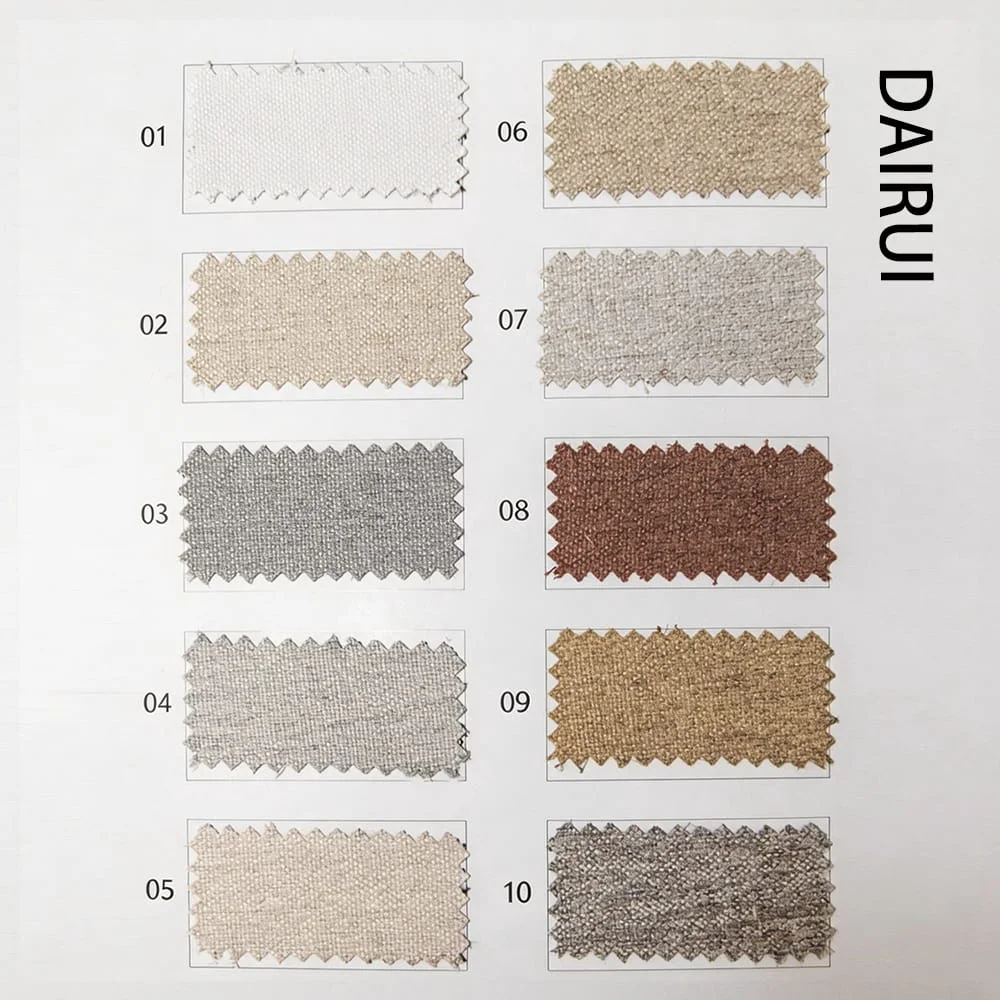
Bottom line: bulk fabric should be booked only after the buyer and supplier have closed the approvals that define what will be made, how it will look, and which sample becomes the reference. The exact gates vary by order, but an open color, construction, finish, width, or packaging decision can turn a fabric booking into an expensive assumption.
This is not a guide to what each sample stage means; it is a release-control checklist for deciding whether the material commitment is ready to proceed.
For an OEM or ODM curtain program, the useful question is not whether “a sample” has been approved. It is whether every decision that affects the bulk fabric has an identified approver, an approved reference, and a recorded status before material commitment.
Use a gate sequence, not one blanket sample approval
Different approval tools answer different questions. A catalog selection may establish a direction. A swatch can show an available construction and handfeel. A lab dip can resolve a developed color. A strike-off can address a printed or decorative execution. A finished sample can show how fabric, heading and workmanship behave together. A pre-production sample can become a more complete reference for the finished curtain.
These stages are not interchangeable. A color approval does not automatically approve usable width, backing, handfeel or finished-panel behavior. Buyers should therefore name the gate being approved and the decisions that remain open.
| Approval gate | What it should close | What it should not be assumed to close |
|---|---|---|
| Material and construction | Fiber description, fabric construction, face and backing or other layer arrangement | Final color or finished-panel appearance |
| Color and surface | Color reference, finish, texture direction and any decorative treatment relevant to the order | Performance outside the approved material and finish |
| Width and quantity basis | Usable fabric width, orientation, repeat information and the calculation assumptions that affect booking | Finished dimensions unless those are separately confirmed |
| Finished construction | Heading, lining arrangement, seams, hem, side treatment and key hardware interfaces | Packaging artwork or barcode operation |
| Reference control | The physical or documented reference, version, date and approver used for bulk comparison | Unrecorded verbal preferences |
Gate 1: freeze the material identity
Before booking, the purchase specification should identify the fabric clearly enough that the approved item cannot be confused with a similar-looking alternative. Relevant fields may include item or quality reference, composition description, construction, face and reverse, selected finish, color reference, nominal and usable width, and any order-specific layer or backing.
If a performance requirement applies, record it as a project requirement and link it to the exact selected material and finish. Do not treat a general family statement or an unrelated report as approval for every variant.
Gate 2: close color and finish on the right approval tool
A stock-color swatch may be sufficient when the order uses an established item and shade. A developed shade may require a lab dip. Printing, foil, flocking or another surface process may require a strike-off or process-specific sample. The buyer should state whether the approval covers color only, color plus surface effect, or the full fabric execution.
Record the approved sample code or image reference, approval date, approver and any written reservations. “Approved with comments” should list the comments and identify whether another submission is required before booking.
Gate 3: validate the quantity assumptions
Fabric booking depends on more than finished panel width. Usable fabric width, fabric orientation, fullness, seams, pattern repeat, matching direction, panel count and allowances can all change the requirement. The quantity basis should be checked against the approved curtain specification before fabric is committed.
If a repeat, usable width or construction detail is still provisional, the booking decision is also provisional. Buyers should either close the missing input or explicitly accept the resulting quantity risk.
Gate 4: confirm finished-product interfaces
Some fabric decisions cannot be separated from the finished curtain. Heading style can affect fullness and panel width. A lining, coating or film can change drape, thickness and sewing behavior. A decorative face may require a defined orientation. Track or hardware compatibility may affect the heading and weight distribution.
A finished sample is useful when these interactions could change the approved appearance or construction. It should be evaluated for the decisions it can actually demonstrate, rather than used as a substitute for missing written specifications.
Gate 5: establish the controlled bulk reference
Before the booking instruction is released, create a short approval register. Each row should show the specification point, reference, owner, status and date. The final record should make clear which physical sample, file or signed document governs the order and how later changes will be handled.
Buyer release checklist
- Fabric item, construction, face/reverse and selected finish are identified.
- Color or surface-process approval is linked to the correct reference.
- Usable width, orientation and repeat inputs are confirmed for quantity planning.
- Finished construction points that affect the fabric are closed.
- Any project performance requirement is tied to the exact selected variant.
- The approved reference, approver, date and remaining exceptions are recorded.
- The person authorized to release bulk fabric booking is named.
Dairui’s solutions and project support page outlines the broader specification workflow, while sample support explains how swatches, color references and finished samples can support different approval decisions.
Frequently asked questions
Does approving a fabric swatch authorize bulk booking?
Not automatically. A swatch may approve an available quality, color direction or handfeel, but the order may still have open decisions about usable width, finish, backing, repeat, finished construction or the controlled reference. The approval note should state its scope.
Should every order use a lab dip and a strike-off?
No. The appropriate stage depends on the product. A lab dip is relevant to developed color; a strike-off is relevant to a print or other process that needs a representative execution. Adding stages that do not answer a real approval question creates paperwork without reducing risk.
Who should release the bulk fabric booking?
The buyer and supplier should agree on an authorized owner. The important control is that the release follows recorded closure of the required gates, rather than an ambiguous email or verbal instruction.