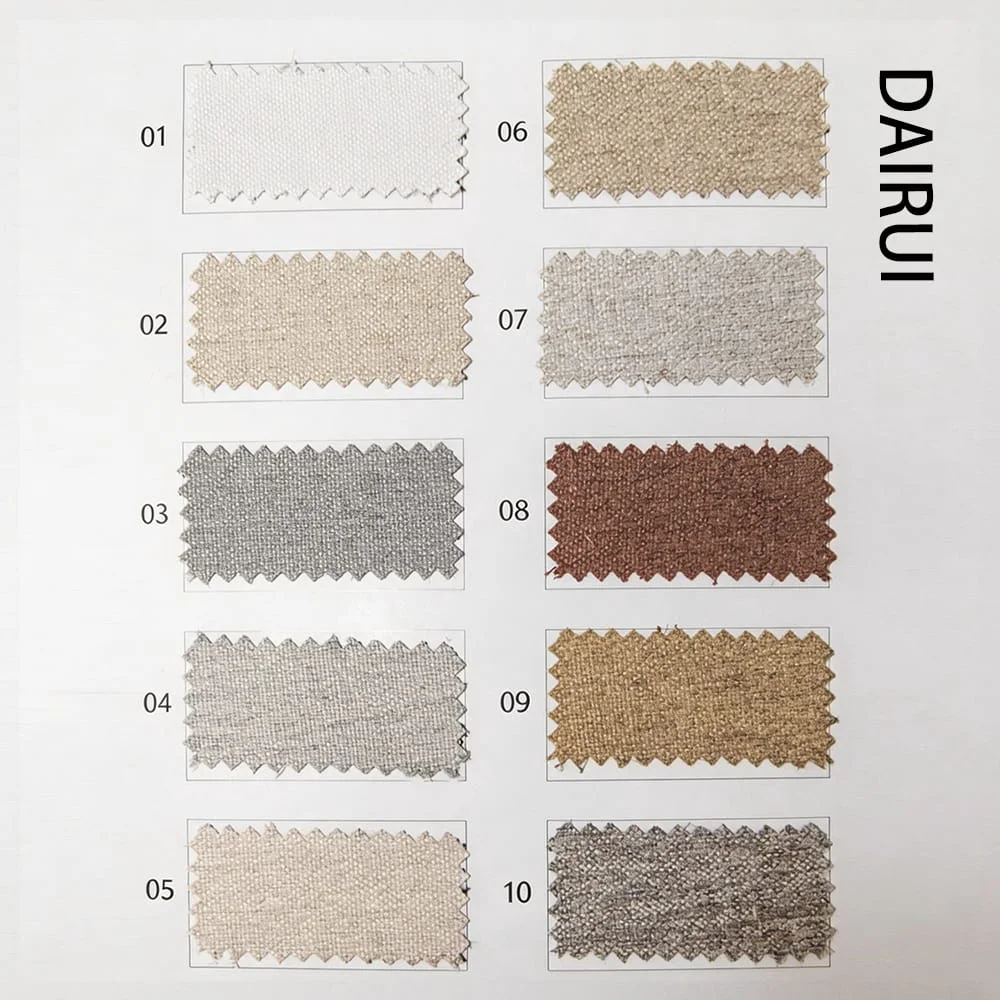
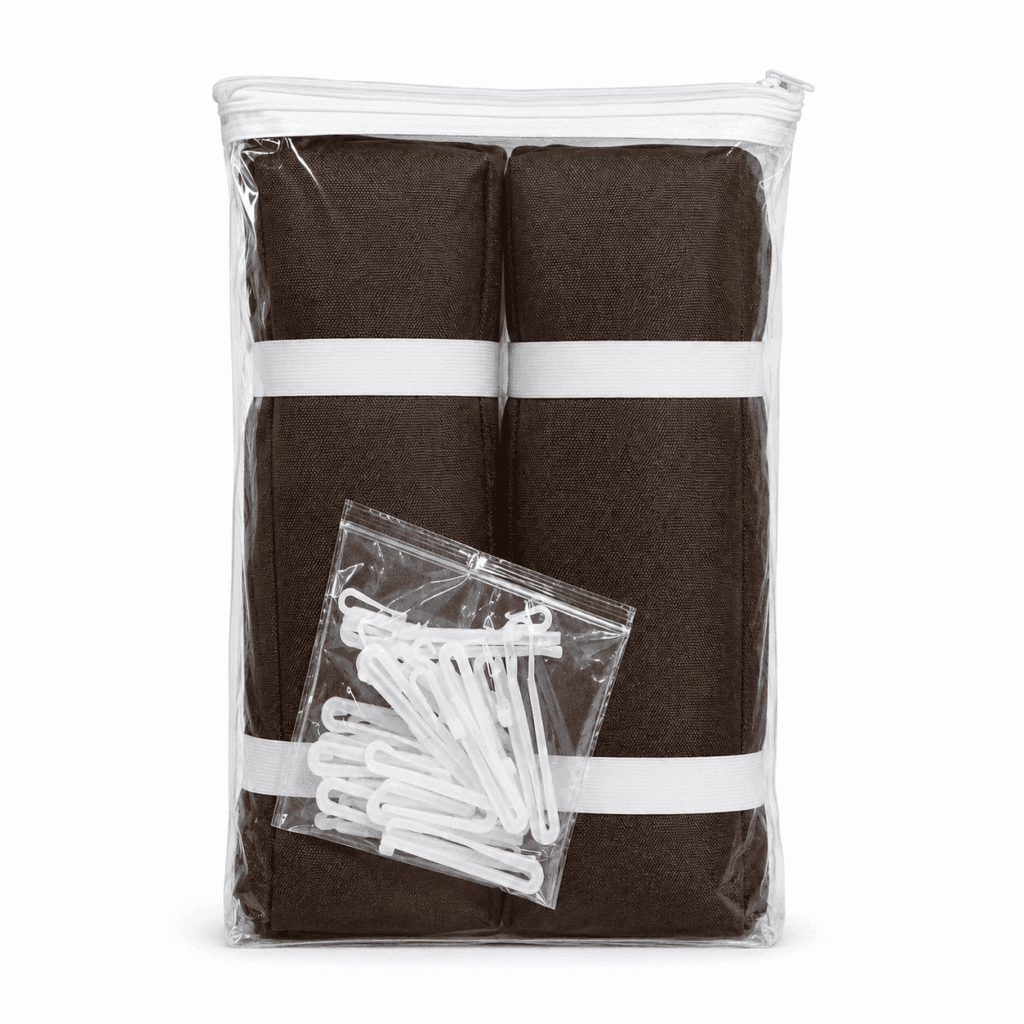
Bottom line: a curtain export packaging checklist should connect the finished curtain, individual retail pack, master carton, shipping marks and approval records. It should confirm that the correct product is protected, identifiable, scannable where required, packed in the agreed quantity and traceable to the approved artwork and pack sample.
The checklist should be adapted to the buyer’s route to market and shipment method. It is a specification and approval tool, not a universal claim that every curtain order uses the same materials or inspection frequency.
Build the checklist in packaging levels
| Level | Main approval questions | Typical evidence |
|---|---|---|
| Finished curtain | Is the correct style, color, size, heading and included accessory going into the pack? | Approved finished sample and pack bill of materials |
| Individual pack | Are folding, protection, insert, hanger or board, bag, closure, label and barcode correct? | Real packed sample, artwork files and photographs |
| Master carton | Are carton dimensions, assortment, quantity, protection and closure defined? | Carton specification and packed-carton review |
| Shipping identification | Do carton marks and item references match the purchase and logistics documents? | Approved mark layout and shipment packing information |
| Control record | Which version was approved, by whom, and what remains conditional? | Approval matrix with references and dates |
1. Confirm what belongs inside the pack
Start with the product identity: purchase order reference, style or SKU, color, finished size, panel quantity, heading, lining or backing arrangement, and any included hooks, tiebacks or other approved components. The checklist should distinguish items packed with the curtain from items supplied separately.
Confirm the folding method and presentation face. Decorative surfaces, coated backs, pile fabrics or attached accessories may need an agreed orientation or protective arrangement. Requirements should follow the exact product rather than a generic packing instruction.
2. Approve the individual retail pack
List every component: inner protection where applicable, polybag or other pack, insert, board, hanger, closure, adhesive label and barcode label. For each component, record its dimensions, material or approved reference, artwork version, placement and owner.
A real packed sample is particularly important where the fabric, insert and transparent film interact. It shows whether the pack is neat, whether printed information remains visible, whether edges or components create pressure points, and whether the label sits on a practical surface.
3. Verify labels and barcodes against the packed SKU
Human-readable information should match the product inside the pack. Check style, color, size, quantity and any market-required text against the approved item matrix. Where a barcode is required, use barcode approval on the actual packed curtain to confirm the encoded number, printed digits, label placement and scan behavior using the buyer’s required method.
A PDF artwork approval alone does not close physical placement, adhesion, glare or deformation. Keep the barcode data approval and physical pack approval linked but distinct.
4. Define master-carton configuration
The carton specification should identify carton style or approved reference, dimensions, packed quantity, assortment rule, orientation of individual packs, internal protection where required and closure method. The checklist should also show whether the carton contains one SKU or a defined assortment.
Carton quantity and product dimensions should agree with the packing list basis. If weight or dimensions are needed for logistics, use the values from the actual approved configuration rather than an unrelated product.
5. Approve shipping marks and document alignment
Carton marks may include buyer reference, destination, purchase order, item, color, size, carton number and handling information according to the order. The buyer should provide or approve the exact mark content and layout.
Cross-check the same identifiers across the product label, carton mark and shipment documents. A correctly packed curtain can still be delayed or misallocated when external identification does not match the commercial records.
6. Confirm freight-booking release information
Before freight booking, align the current packed-order and logistics data. These are release fields, not fixed Dairui commitments; every value must come from the actual order configuration and current shipment plan.
Total shipping cartons for the current packing-list revision.
Packed length, width and height using the agreed unit.
Current packed-order net and gross weight with the unit stated.
Shipment volume calculated from the approved packed-carton data.
The current date confirmed for the order release and logistics plan.
Collection address, contact, loading window and handling details where applicable.
The controlled revision that matches the carton count, assortment and shipment data.
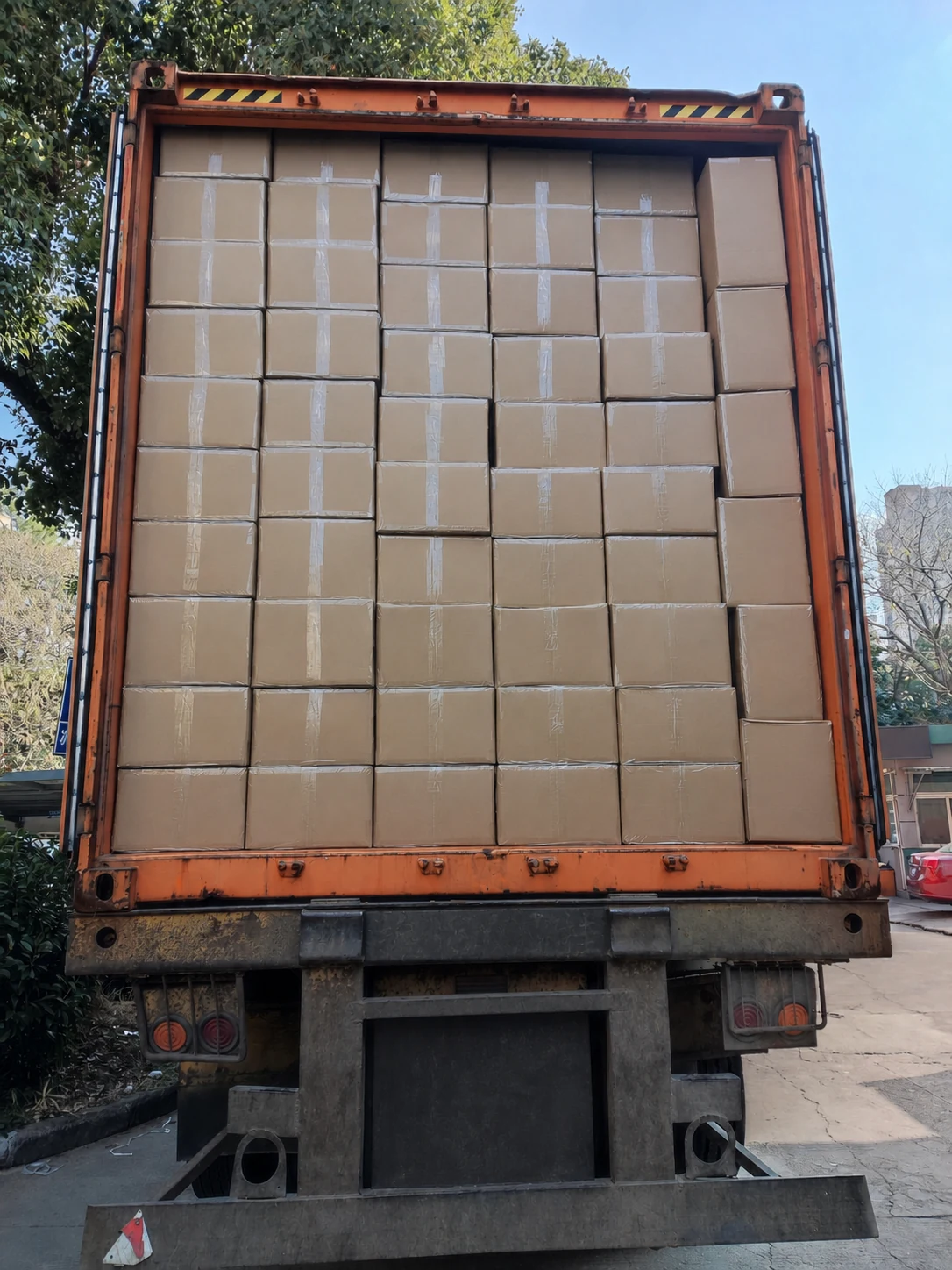
Real Shipment Example
7. Record the evidence and release status
Use one packaging approval matrix with a row for each component. Record the submitted reference, approval date, approver, status and comments. “Approved with comments” should state whether the supplier may proceed or must submit a revised pack.
Photographs are useful when they show all pack faces, label close-ups, internal arrangement and carton marks. Where a retained physical sample is used, identify it with the same version as the approved files.
Export packaging release checklist
- Product inside the pack matches the approved SKU, color, size and construction.
- Pack contents and included accessories match the approved bill of materials.
- Folding, presentation face and protection are defined.
- Bag, insert, board or hanger, closure and labels match approved references.
- Barcode data, print and physical placement are approved where required.
- Master-carton dimensions, quantity, assortment and closure are specified.
- Carton marks match the order and shipment identification.
- Artwork, photographs and physical sample share a controlled version.
- Open issues and the authorized release owner are recorded.
For branded inserts, labels and retail-pack options, see private-label curtain manufacturing. For the wider B2B order route, visit curtain wholesale.
Frequently asked questions
Is an artwork approval enough for export packaging?
No. Artwork can approve content and layout, but the physical pack is needed to review folding, component fit, label placement, visibility, adhesion and presentation.
Should every order use the same carton specification?
No. Product dimensions, pack configuration, quantity, destination and buyer requirements can differ. Approve the carton against the exact order configuration.
What should happen when packaging changes after approval?
The changed component should receive a new version and an impact review. If it affects fit, label placement, barcode behavior, carton quantity or presentation, the relevant physical approval should be repeated before release.