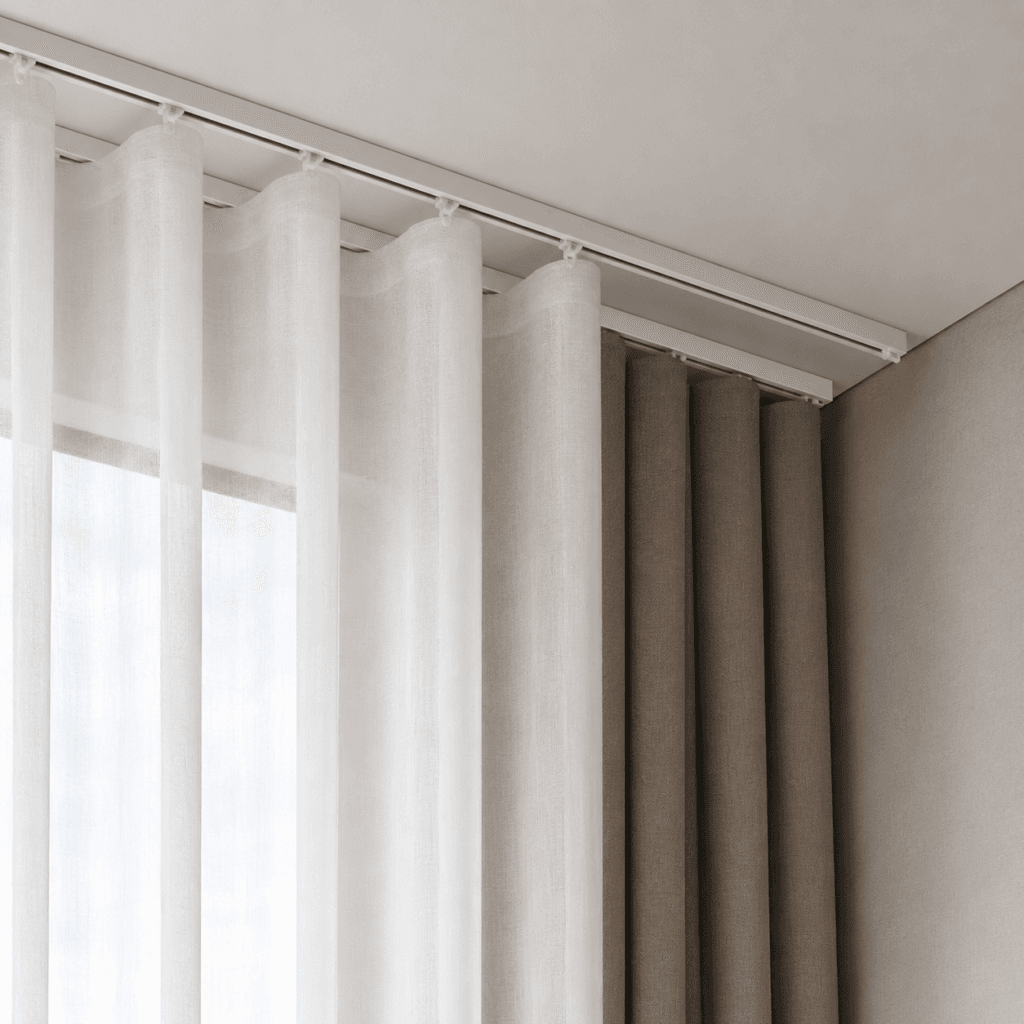
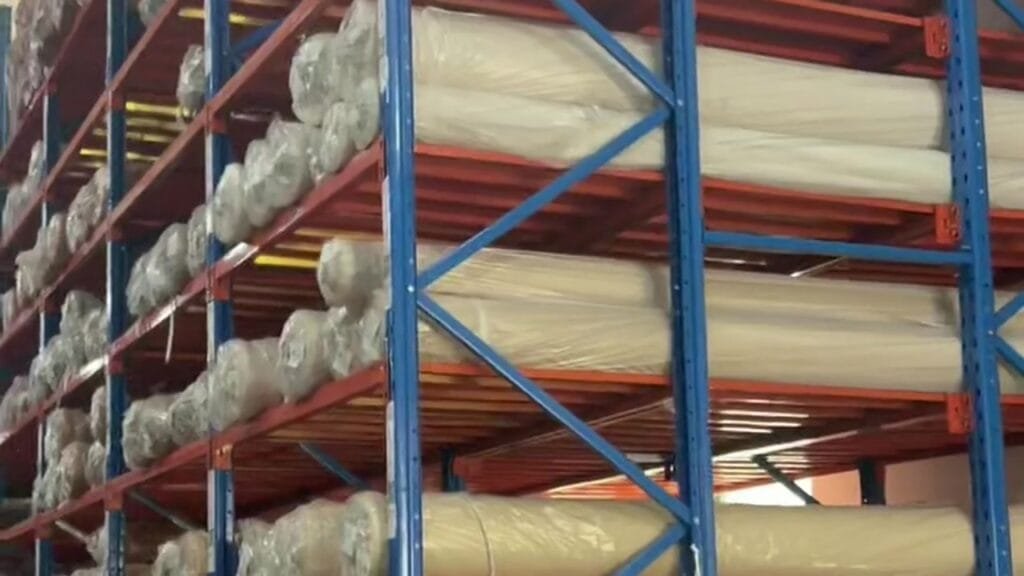
Bottom line: This is a B2B sourcing guide — it covers supplier evaluation, product selection, MOQ, samples, quality control, pricing factors, customization and shipping. Expect trial MOQs from roughly 50-200 pieces, samples in 3-5 days, and bulk production around 25-30 days.
Looking for a curtain supplier or ready to request a bulk quote? Go straight to our curtain wholesale page — this guide is the sourcing reference that helps you prepare the order.
Wholesale curtain sourcing for e-commerce is not the same conversation as wholesale sourcing for retail chains or hospitality projects. Amazon and Shopify sellers run on container math, listing economics, and 30-day reorder cycles. A blackout panel that wins on a Walmart shelf can flop in a Shopify product detail page because the photograph reads flat. A grommet design that ships beautifully on a 40HQ container loses margin on a 20ft because the count drops by a third.
This guide is built around the operational realities that decide whether an e-commerce curtain line is profitable. MOQ tiers and what they actually mean for first orders. Container loading economics by heading style. Sample timelines that work backward from a Q4 launch. Pricing signals you should expect from real factories versus trading companies. And the production decisions that quietly determine your return rate.
What Wholesale Curtain Sourcing Actually Involves
Wholesale curtain sourcing means buying curtain panels in bulk from a manufacturer or distributor for resale. For e-commerce retailers, this typically runs through one of three channels: a Chinese curtain factory (direct), a trading company (a middleman who places orders with factories), or a domestic distributor (a U.S. or EU wholesaler reselling imported stock). Each channel has a different cost structure, lead time, and customization ceiling.
For Amazon, Shopify, and independent e-commerce sellers, direct factory sourcing usually wins on margin once order volume passes roughly 500 pieces per design. Below that threshold, the cost of sampling, sea freight, and customs paperwork can eat the savings. Above it, factory-direct pricing typically runs 10–20% below trading company markup, and customization options expand significantly.
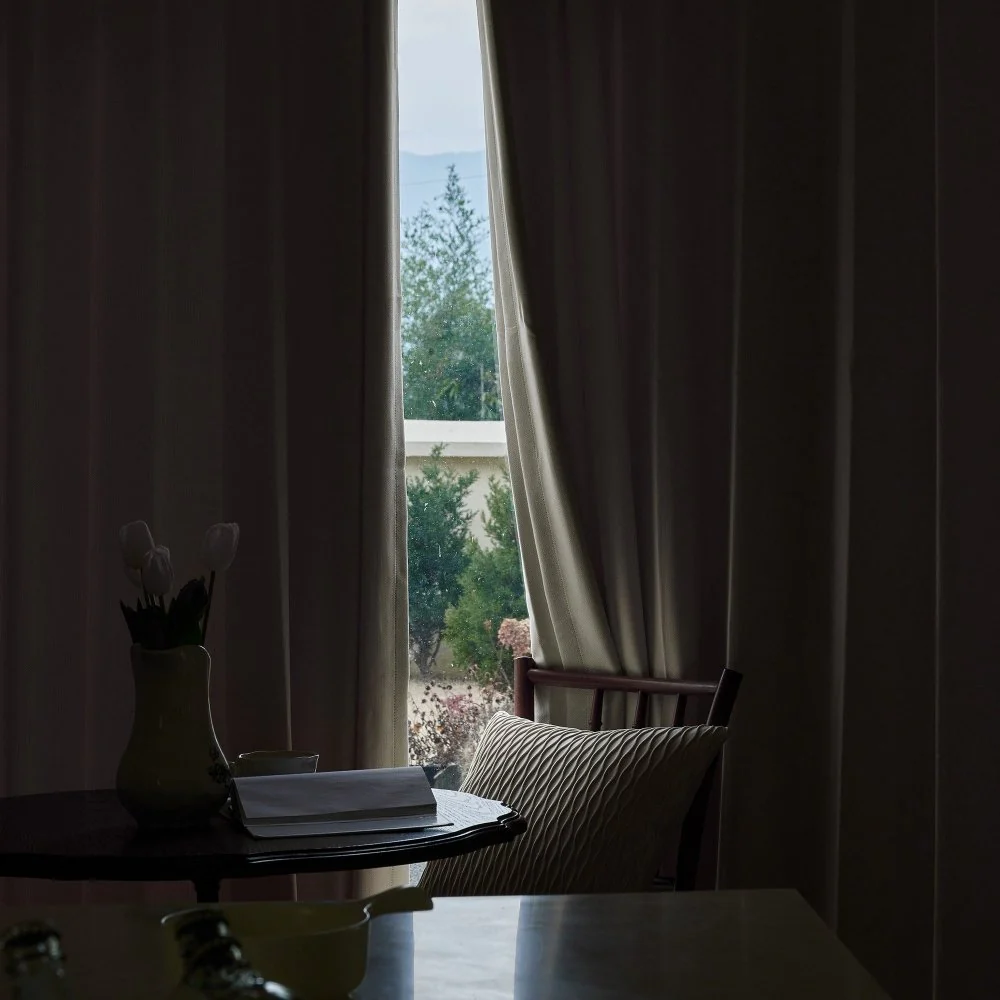
Where to Find Wholesale Curtain Suppliers: 5 Source Types
Before comparing MOQs and pricing, decide what kind of supplier fits your order. Each route trades cost, customization and risk differently.
| Source type | Best for | Main trade-off |
|---|---|---|
| China OEM/ODM factories | Customization, factory-direct pricing, full mixed programs | Must vet a real factory vs a trading company |
| Alibaba / B2B platforms | Supplier discovery and first-order safety (Trade Assurance) | Many listings are traders, not factories |
| Regional distributors (UK/EU) | Buying locally without import logistics | Higher price, little customization |
| India & Turkey manufacturers | Cotton, natural-fiber, embroidered and artisan ranges | Narrower synthetic and blackout capability |
| Trading companies vs factory-direct | Convenience and order consolidation | An added markup layer; confirm who actually makes the goods |
For most e-commerce and wholesale buyers, sourcing direct from a verified Chinese OEM/ODM factory delivers the best balance of price, customization and scale. For a full country-by-country comparison see our guide to the best country to wholesale curtains, and learn how to tell a real maker apart in fabric manufacturer vs trading company.
Top-Performing Curtain Categories for E-Commerce
Not every curtain category sells equally well online. The categories that move volume on Amazon and Shopify share three traits: clear functional value that photographs well, a price point under $80 retail for standard sizes, and packaging that survives last-mile shipping. Five categories consistently lead reorder data across our DTC and online retail clients: For the wider market data behind these category calls, see our 2026 curtain industry statistics.
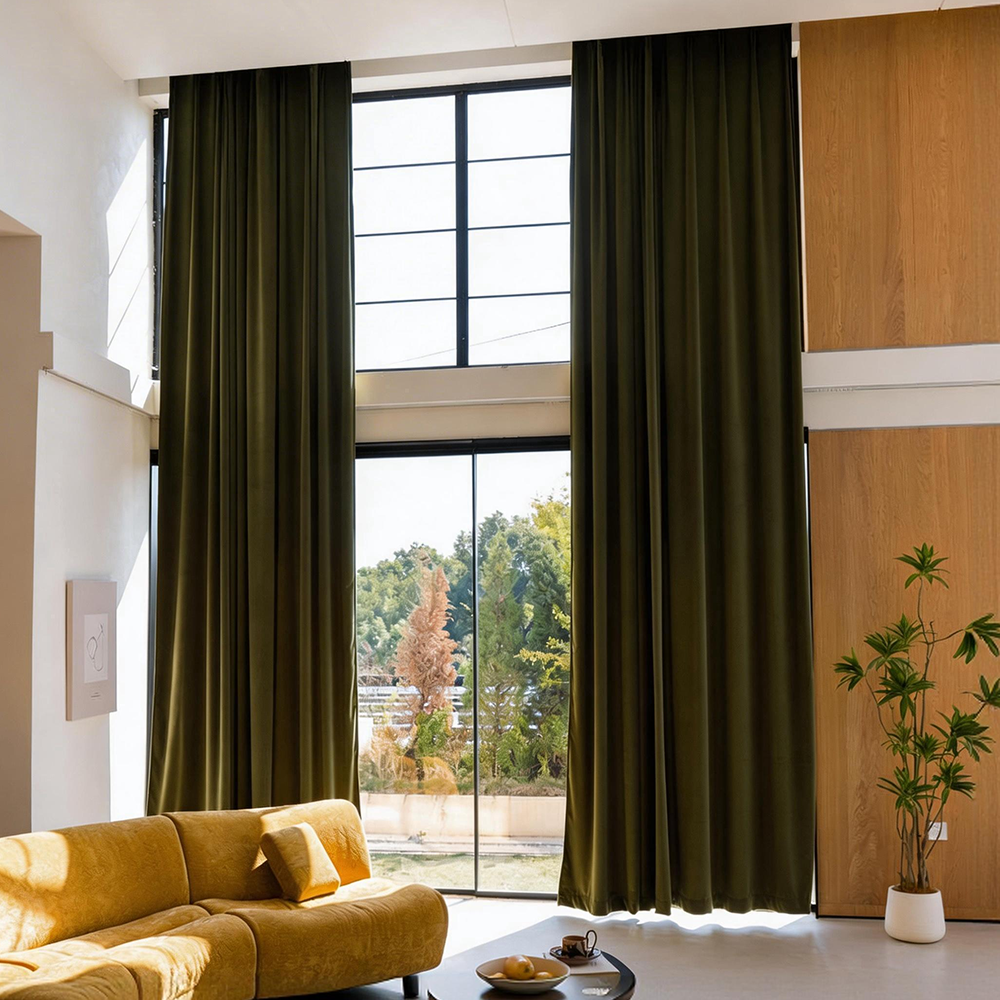
- Blackout curtains — the largest e-commerce category by units shipped. 240–320 gsm coated polyester is the volume range. Bedroom, nursery, and home theater listings drive most demand. Blackout claims at 100% require careful product photography to avoid return spikes.
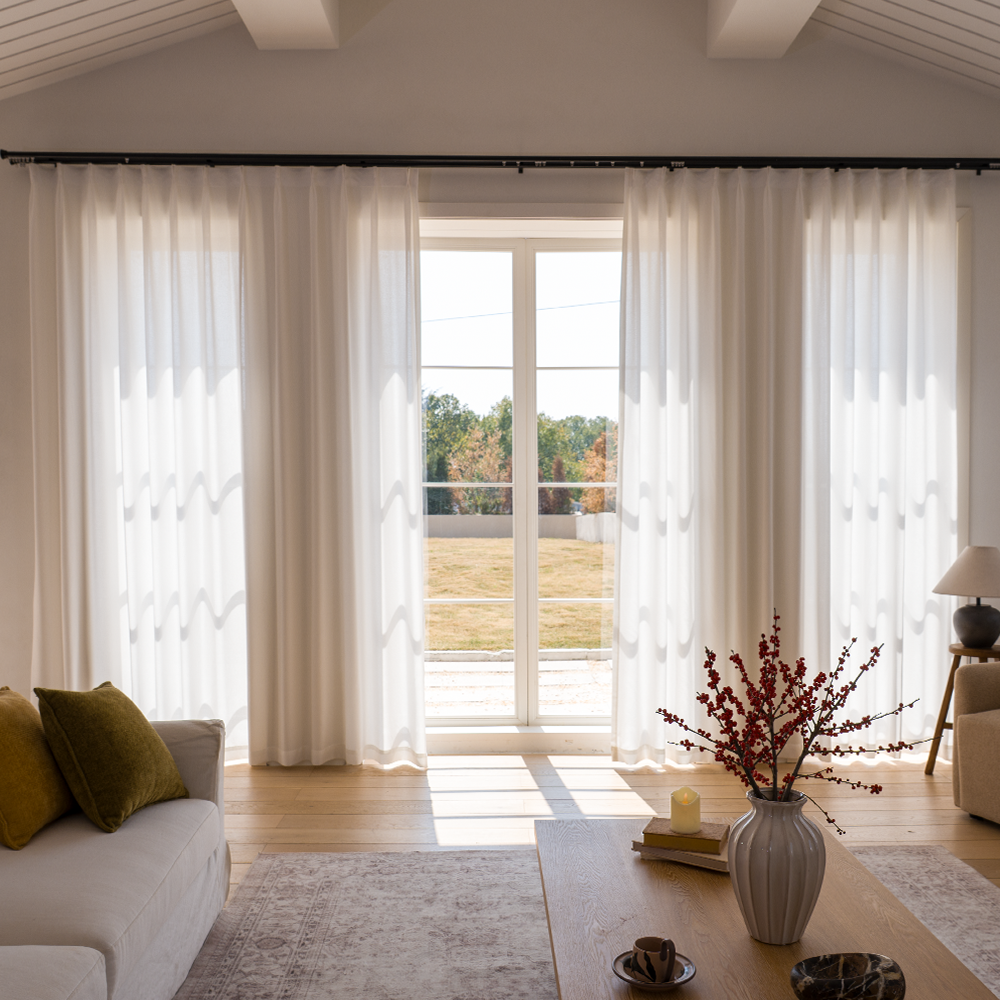
- Sheer and linen-look panels — the second-largest category, driven by living room and dining room listings. 90–140 gsm range. Linen-look polyester blends carry the texture of pure linen at roughly half the wholesale cost.
- Layered sheer + blackout sets — fastest-growing category in 2026. Bundle as one SKU. Production cost runs ~1.6x a single panel, not 2x, because cutting and packaging combine.
- Velvet curtains — premium-tier category. 250–380 gsm. Higher unit price ($25–45 retail) but lower volume. Strong for boutique brands and seasonal collections.
- Cafe curtains and partial-window styles — smaller category but high container yield. Kitchen and bathroom listings.
A starting e-commerce line typically covers 60–70% blackout (the volume driver), 20–30% sheer or linen-look (the design-led tier), and 10% accent categories. This mix lets a Shopify store run profitable ads on the blackout SKUs while the sheer line builds brand identity.
MOQ Tiers That Actually Match E-Commerce Sourcing
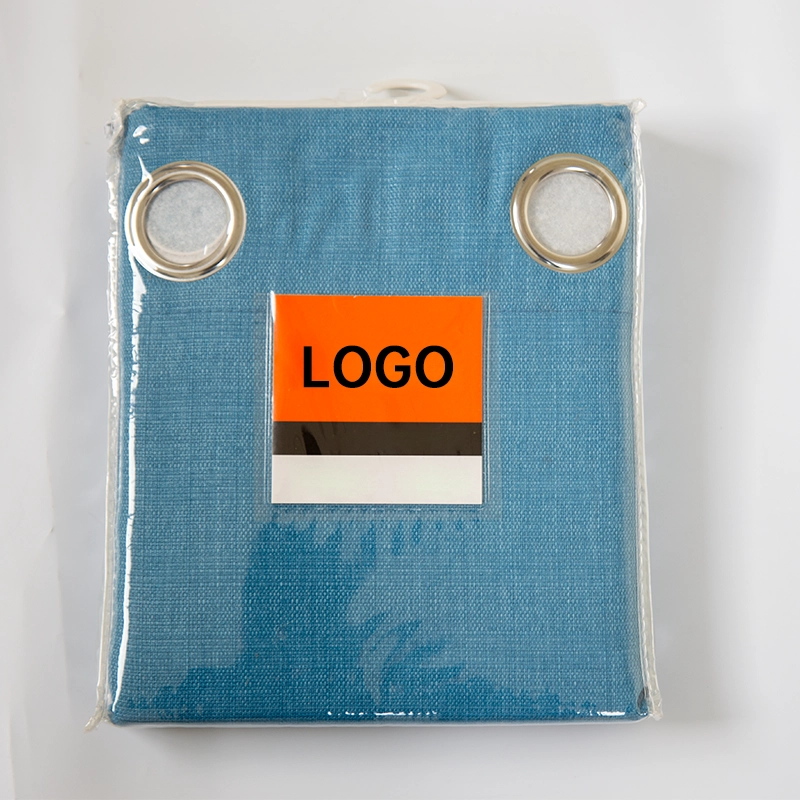
MOQ is the most misunderstood number in wholesale curtain sourcing. A blanket “MOQ 500 pieces” line in a supplier email usually means MOQ 500 per fabric run, not per finished SKU. A factory that quotes 200 pieces standard MOQ can typically accept 50–100 piece trial orders from a first-time buyer if the fabric is in stock and the heading style matches existing production lines.
At Dairui, our standard MOQ structure runs across four tiers: 200 pieces per style and per color for in-stock fabrics, 50–100 piece trial orders subject to discussion for first-time customers, 800–1,000 meters minimum for custom-woven fabrics, and per-order dropshipping for stores with existing sales. The trial order tier is the one e-commerce sellers should ask about specifically — it lets you validate a new SKU on Amazon or Shopify before committing to a full container.
| Order Type | MOQ | Best For | Typical Use Case |
|---|---|---|---|
| Trial Order | 50–100 pieces | New SKU validation | First Amazon listing test, design pilot |
| Standard In-Stock | 200 pieces per style/color | Recurring inventory | Shopify store, established Amazon listings |
| Custom Fabric | 800–1,000 meters | Brand-exclusive material | Private label, signature collection |
| Dropshipping | Per order, for stores with existing sales | No inventory model | Independent stores already selling |
Sourcing fabric by the roll instead of finished curtains? Stock fabric ships from just 50 m — see our curtain fabric wholesale page for price ranges and MOQ tiers.
Sample Lead Time and the Calendar That Works Backward From Launch
Sample lead time at most Chinese curtain factories runs 3–5 working days excluding shipping. International shipping adds 5–10 days depending on destination and carrier. For an Amazon launch planned in November, fabric and color approvals should close by mid-September at the latest. This builds in two sample rounds plus 30+ days bulk production from deposit confirmation.
The compressed timeline that trips up most first-time e-commerce sellers: trying to finalize a 6-SKU collection in late August for an October launch. Each custom color lab dip adds 3–5 working days. Six SKUs with two color iterations each means 12 sample rounds — close to two months of sequential approval if done one at a time. Batch all color approvals in a single sample round to compress this from 8 weeks to 2.
Container Loading: Where Heading Style Decides Your Margin
Container loading is the math most first-time curtain importers underestimate. The heading style — grommet versus pinch pleat versus pencil pleat — quietly changes how many panels fit per container, and by extension changes per-unit freight cost by 25–40%.
A 40HQ container packed with grommet panels at 132×213 cm (the most common Amazon size, 52″ × 84″) carries roughly 16,000 panels. The same container packed with pinch pleat panels at the same dimensions carries only about 12,000 — a 25% drop because pinch pleat fabric multipliers and folded thickness eat space. A 20ft FCL carries 6,000–8,000 standard grommet panels. Cafe-length panels at 132×91 cm can push 28,000–32,000 per 40HQ.
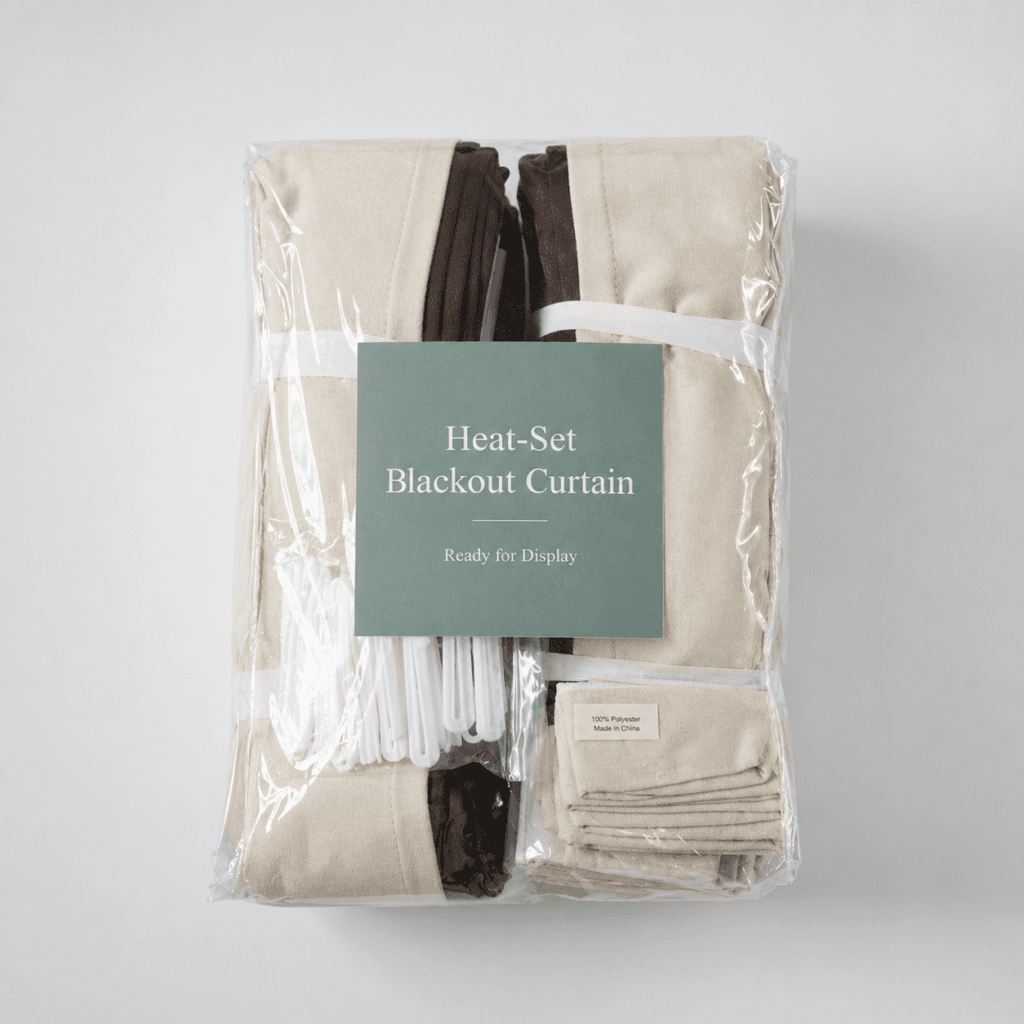
For 2026 Ningbo-to-US-West sea freight, a 40HQ runs $2,800–4,200 depending on route and season. Distributed across 16,000 grommet panels, that lands at $0.18–0.26 per piece freight. Across 12,000 pinch pleat panels, it lands at $0.23–0.35. The difference looks small per unit but compounds across the year — for a Shopify store running 50,000 panels annually, that is $2,000–5,000 in freight margin.
Sourcing your next curtain range?
Samples ship in 3-5 days, average first reply under 2 hours, and MOQ starts at just 50 pcs to test a SKU before you commit to a full container. Q4 restock slots fill fast, so lock yours in early.
Get a wholesale quotePricing Signals From Real Factories vs Trading Companies
| Signal | Real factory | Trading company |
|---|---|---|
| Sample lead time | 3-5 days (own production line) | 7-14 days (sourced out) |
| Custom-dye MOQ | 300-500 m per colour | “no MOQ” (sells warehouse stock) |
| Reorder price | Stable, with tier breaks at 500/1,000/5,000 | Fluctuates with each sourcing round |
| Quality control | Per-batch SGS / Intertek inspection in-house | Relies on third-party or none |
| How to verify | Live factory-floor video or on-site visit | Office or showroom only |
The wholesale curtain market has a well-documented pricing structure that most e-commerce sourcing emails do not surface clearly. Knowing the bands lets you spot a trading company markup quickly:
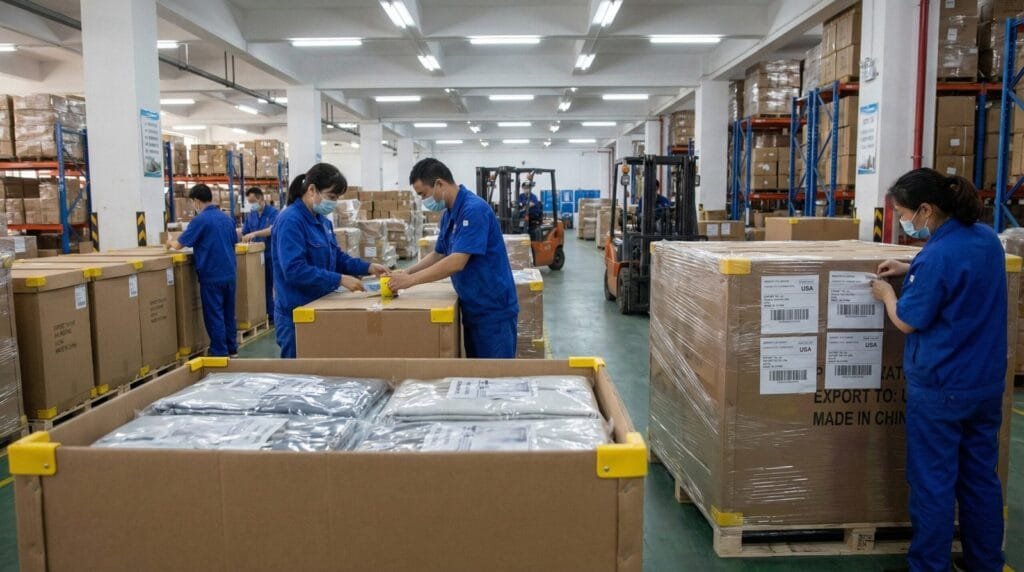
See the difference for yourself — inside our Shaoxing production floor:
- Standard polyester blackout panel, FOB Ningbo: $4.50–14 per panel depending on size, GSM, and heading style. Below $4.50 usually means thinner fabric or shortcuts in stitching that show up in customer reviews.
- NFPA 701 fire retardant treatment (post-processing): +$0.40–0.80 per panel. Flame resistance declines with repeated washing. Use for short-term hospitality or pop-up retail, not long-term project work.
- Inherently FR (IFR) polyester: +$1.20–2.50 per panel. Permanent. Required for serious hospitality projects.
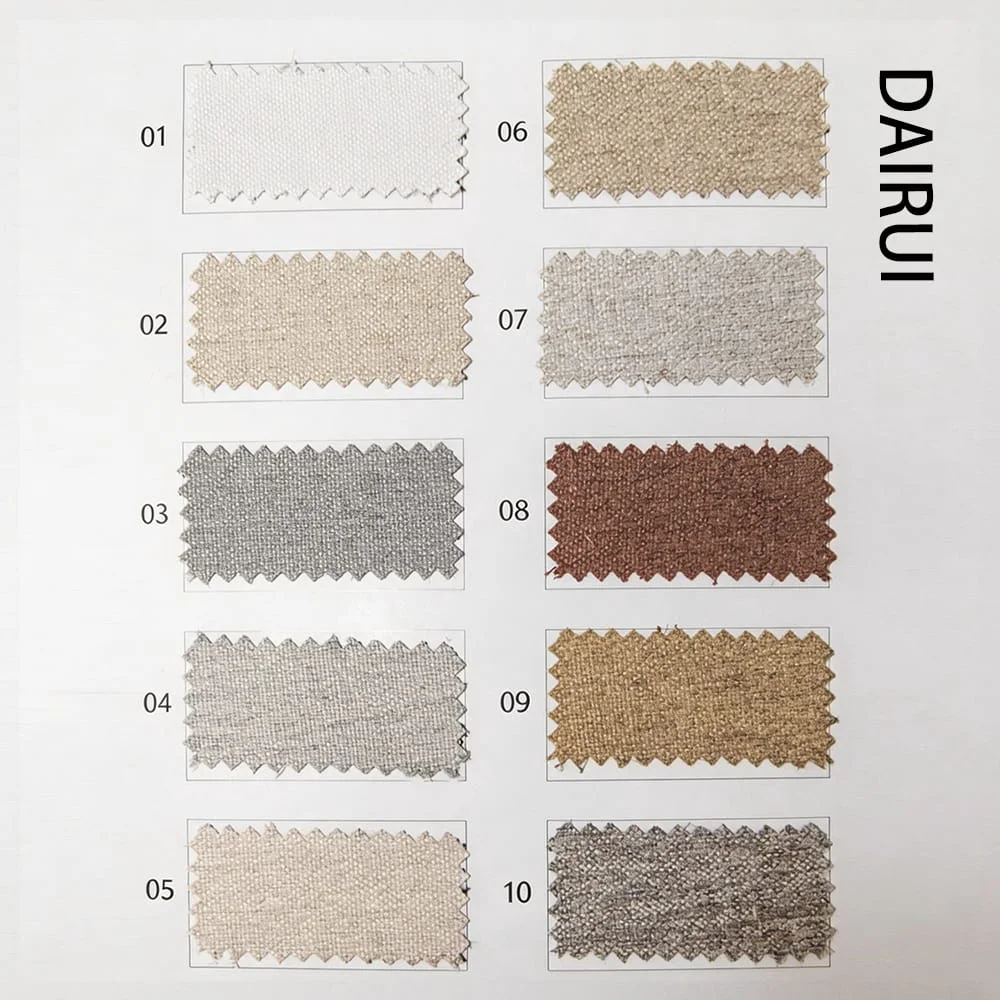
- Custom color matching: lab dip matched to our color card or your reference swatch, charged per color and credited against the bulk order.
- Trading company markup vs factory direct: +10–20% across the same product spec. Worth paying for first-time small orders below MOQ; not worth it for recurring volume.
If a supplier quotes outside these bands without explaining why, ask. A $3.20 blackout panel is either a clearance fabric run, an unusually thin construction, or a missing detail in the spec sheet. A $22 standard panel typically means trading company markup or a premium fabric the listing did not flag.
Wholesale Price Breaks at 500, 1,000, and 5,000 Units
Unit price on curtains is not fixed; it steps down as volume rises, because fabric is bought by the loom run, setup and lab-dip costs amortize over more pieces, and a fuller container cuts freight per unit. The bands below show typical movement off a standard polyester blackout panel. Your actual numbers depend on size, GSM, heading style, and finish, and are confirmed on a formal quote.
| Order Volume | Typical Unit-Price Movement | What the Tier Unlocks |
|---|---|---|
| 50-200 pcs (trial / standard) | Baseline list price | In-stock fabric and colors; sample-validated SKUs |
| 500-1,000 pcs | ~5-10% below baseline | Better fabric allocation, stock-color customization, retail packaging |
| 1,000-5,000 pcs | ~10-18% below baseline | Custom dye lots become viable, a dedicated production slot, color matching amortized |
| 5,000-10,000+ pcs | ~18-25%+ below baseline | Full custom-weave/print economics, priority scheduling, container consolidation |
Two thresholds matter more than the rest. The first is the custom-fabric line around 800-1,000 meters (roughly 1,000+ finished panels), where dyeing or weaving your own material stops carrying a heavy surcharge. The second is the container threshold: pricing a 5,000-piece order against a full 40HC often beats two part-loads, because ocean freight per unit drops sharply when the box is full. Ask the factory to quote your top two volumes side by side so you can see the real break, not a rounded “bulk discount.”
One caution: a price that keeps falling with no floor is a warning sign, not a win. Below the standard fabric band, savings usually come from thinner GSM, looser stitching, or a lighter coating that surfaces later as customer returns. Lock the spec first, then negotiate the volume break against that fixed spec. Final pricing and MOQ are confirmed on your actual quote.
How your payment stays protected
Ordering from an overseas factory for the first time shouldn’t feel like a leap of faith. Here”s how we keep it safe.
Staged payment, not all upfront
Start with a deposit and settle the balance before shipment (T/T). Exact terms are agreed per order.
Independent pre-shipment inspection
Every production run can ship with an SGS or Intertek report — third-party proof of quality before goods leave the factory.
A registered factory, not a trader
Shaoxing, China since 2014 · 10,000 m² of in-house production · 80% of clients reorder.
Ready to lock in volume pricing?
Share your target SKUs and quantities and we’ll map them to the right price break — trial runs from 50 pcs, swatches in 3-5 days, and an average first reply under 2 hours. Q4 container slots book out early, so start your quote before the deposit window closes.
Request a volume quoteSample Inspection: The Five Checks That Catch 90% of Quality Issues
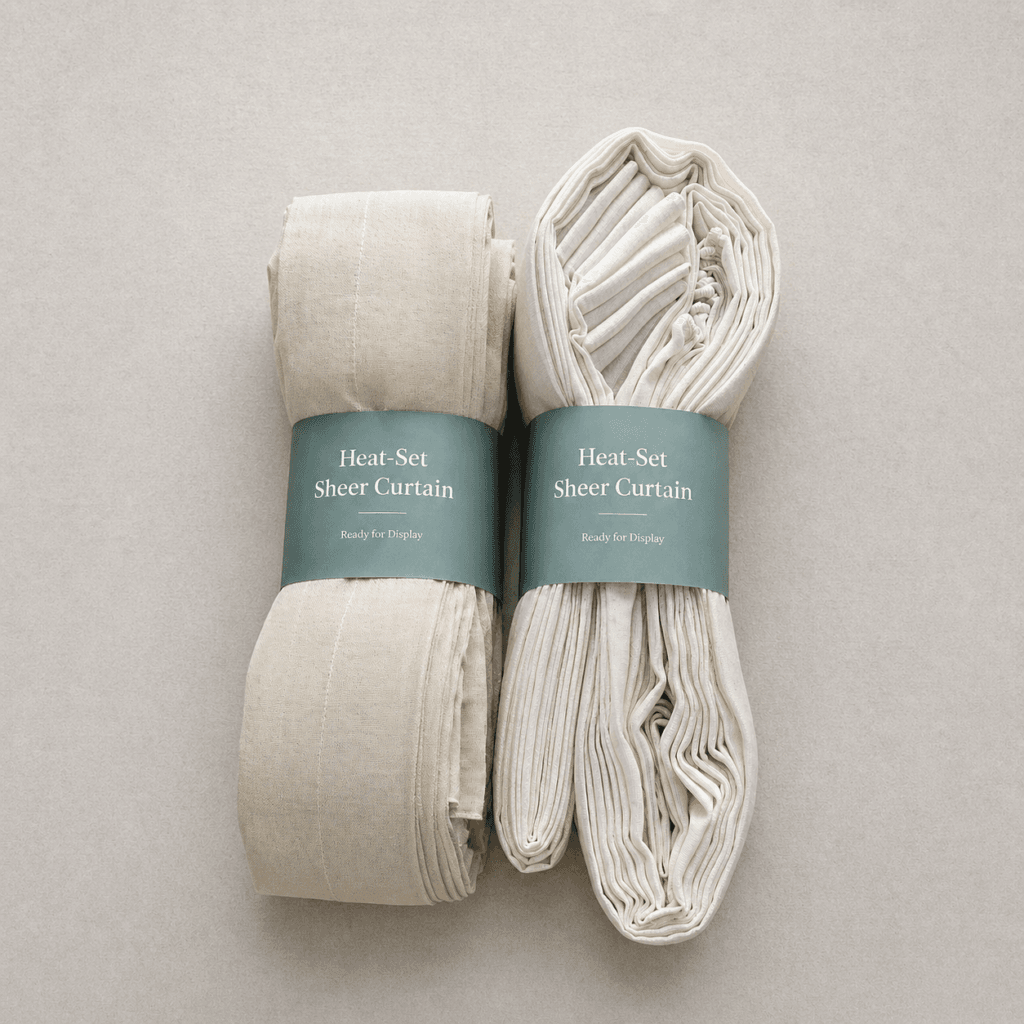
Before a deposit ships out, the sample on your desk should pass five quick checks. These catch the issues that drive Amazon and Shopify return rates — and they take roughly 15 minutes per sample, not the half-day most checklists imply.
Fabric weight. Use a kitchen scale. A 52″ × 84″ panel claiming 250 gsm should weigh roughly 730 grams. Lighter means the GSM claim is overstated. Light transmission. Hold the panel against a window in daylight. A 100% blackout panel should not show your hand silhouette through the fabric. Stitch consistency. Look at hem stitches under a phone light at angle. Gaps, skipped stitches, or thread color mismatch will appear in retail customer photos. Heading accuracy. Measure grommet inner diameter and spacing. Standard is 4 cm inner diameter, ~15 cm spacing. Off-spec grommets cause rod fit complaints. Color in two light sources. Check the panel under daylight and incandescent. Color-matched fabrics that look right outdoors can shift visibly under home lighting.
Private Label and Custom Packaging for E-Commerce Differentiation
Private label is what separates a Shopify store with healthy margins from one competing purely on Amazon price. The packaging, the wash care label, the insert card, and the branded polybag are where a $14 wholesale panel becomes a $39 retail listing without changing the curtain itself. Our Australian retailer case study shows how a made-to-measure business scaled exactly this way.
Most curtain factories support full custom packaging at modest incremental cost. Branded retail polybag with full-color print runs roughly $0.30–0.60 per panel above standard packaging. Custom hangtag with washing instructions and brand story: $0.10–0.20. Insert card or QR code linking to setup video: $0.05–0.15. Total typical incremental cost for full private label packaging is under $1 per panel — meaningfully less than the retail premium it supports.
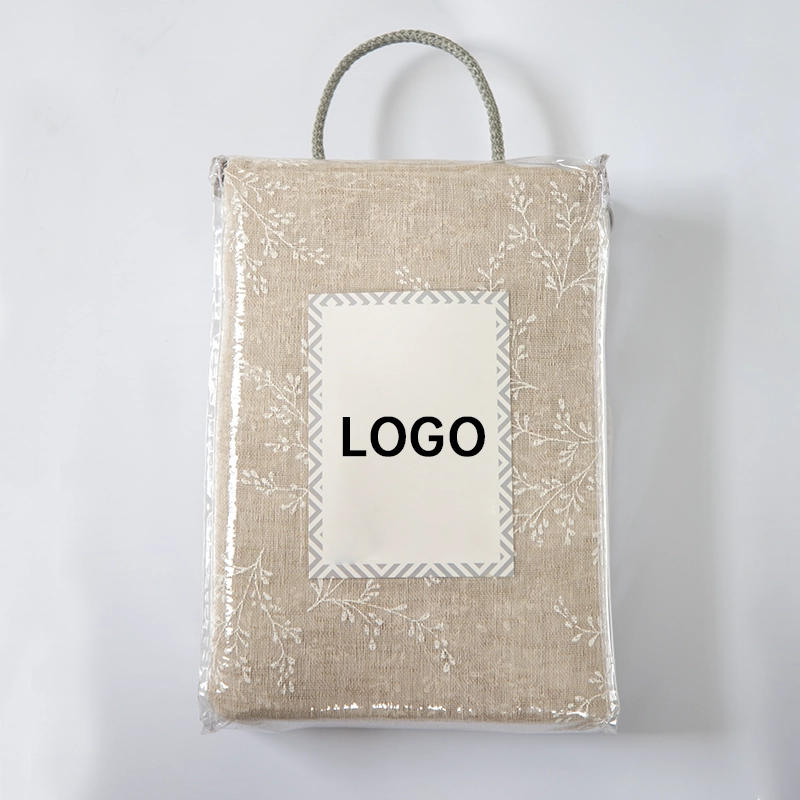
For Amazon FBA specifically, packaging needs to survive both bulk inbound shipping and customer last-mile delivery. Polybag with internal tissue wrap is the standard. For Shopify sellers running their own 3PL or fulfilling from home, retail-ready boxes with brand printing become viable at lower MOQs since they do not go through Amazon’s automated inbound systems.
For the full production-side picture – sampling, labeling, packaging and MOQs – see how private label curtain manufacturing works at the factory level.
Frequently Asked Questions
What is the lowest MOQ I can negotiate for a first wholesale curtain order?
For in-stock fabrics in standard sizes, most Chinese curtain factories accept 50–100 piece trial orders from first-time buyers. This is below the typical 200-piece standard MOQ but is treated as a one-time pilot — recurring orders move up to standard tiers. Custom-woven fabrics require 800–1,000 meters minimum regardless of buyer history because the fabric run itself has fixed setup costs.
How do I know if a curtain supplier is a real factory or a trading company?
Three signals separate factories from trading companies. First, factories can provide specific fabric specs (GSM, weave type, fiber content) without consulting a third party. Second, factory pricing on the same spec runs 10–20% below trading company quotes. Third, factories can support live video tours of cutting rooms, sewing lines, and fabric warehouses on short notice. Trading companies typically delay or decline these requests.
What is the typical lead time for a wholesale curtain order shipped to a U.S. warehouse?
Bulk production runs 30+ days from deposit confirmation. Sea freight from Ningbo to U.S. West Coast adds 14–18 days. Inland transit and customs clearance add 5–10 days. Total door-to-door timeline for a U.S. East Coast Amazon FBA warehouse typically lands at 55–70 days from deposit. For Q4 holiday inventory, place deposits no later than early September.
Should I source through Alibaba or contact factories directly?
Alibaba is useful for first contact and supplier discovery but rarely the best route for ongoing orders. After identifying a factory, move communication to direct email or video calls to negotiate spec, pricing, and lead time. Alibaba’s Trade Assurance is helpful for first orders as a payment safety net, but transaction fees compound on recurring volume. For trial orders under $5,000, the Trade Assurance fee is worth paying; for larger orders, direct T/T is standard.
Can I mix multiple curtain styles in one container to test the market?
Yes. Most factories support mixed-SKU containers as long as each SKU meets its individual MOQ. A 40HQ can hold 3–5 different SKUs with 2,000–3,000 pieces each. This is the standard approach for first-year e-commerce launches: spread risk across product lines while sharing freight cost. The trade-off is that mixed-SKU containers carry slightly higher per-unit production cost because cutting changeovers reduce throughput.
What payment terms should I expect from a wholesale curtain factory?
Payment terms and pricing are confirmed during inquiry based on order volume, destination, and product specification. For first orders, expect a deposit at order confirmation with balance due before shipment. Established recurring partners often negotiate net terms after several successful orders. Avoid suppliers who demand 100% upfront on first orders or refuse to use neutral payment safety mechanisms.
How do I handle Amazon FBA packaging requirements with a Chinese curtain factory?
Provide your factory with Amazon’s current FBA prep requirements (suffocation warning, FNSKU barcode placement, polybag spec) at sample stage. Most experienced curtain manufacturers handle FBA-ready packaging routinely and charge $0.20–0.50 per panel for the additional prep. Direct shipment to Amazon’s inbound warehouses is supported by factories with U.S. logistics partnerships; otherwise the standard route is factory to your 3PL, then 3PL to Amazon.
What is the difference between OEM and ODM in wholesale curtain sourcing?
OEM means you provide the design, spec sheet, and branding, and the factory produces to your specifications. ODM means the factory offers ready-made designs that you customize with your colors, sizes, and packaging. OEM is the right model for differentiated private label collections. ODM is faster and lower-cost for sellers entering a category and wanting proven designs with their branding applied.
What This Means for Your E-Commerce Curtain Sourcing
The wholesale curtain sourcing decisions that move the most margin are not the ones most first-time buyers focus on. Negotiating $0.50 off the per-panel price matters less than getting the heading style right for your container math. Compressing sample lead time by batching color approvals matters more than racing to lower MOQ. Five-minute sample checks catch the issues that drive return rate, not 40-page QC manuals.
At Dairui Textile, we run 500,000 pieces annually out of a 10,000 m² facility in Shaoxing, supporting e-commerce retailers from 50-piece trial orders through container-volume recurring partnerships. Our Private Label service handles full custom collections with branded packaging. Our Dropshipping program serves stores with existing sales, with 7–10 day delivery to U.S., Canada, U.K., EU, and Australia. For larger wholesale and project orders, see our OEM/ODM and wholesale program. To understand how heading style and fabric weight affect container loading, our heading styles guide covers the production specs.
Ready to move from sourcing plan to order? Request a wholesale curtain quote on our curtain wholesale page, which covers categories, customization, MOQ and the procurement process.
Contact us to request fabric samples, get a quote on a specific SKU, or discuss your e-commerce curtain line.
Last reviewed: 2026-05 · DAIRUI Sourcing Desk
Related reading: custom kitchen curtains for wholesale buyers and curtains for small windows.