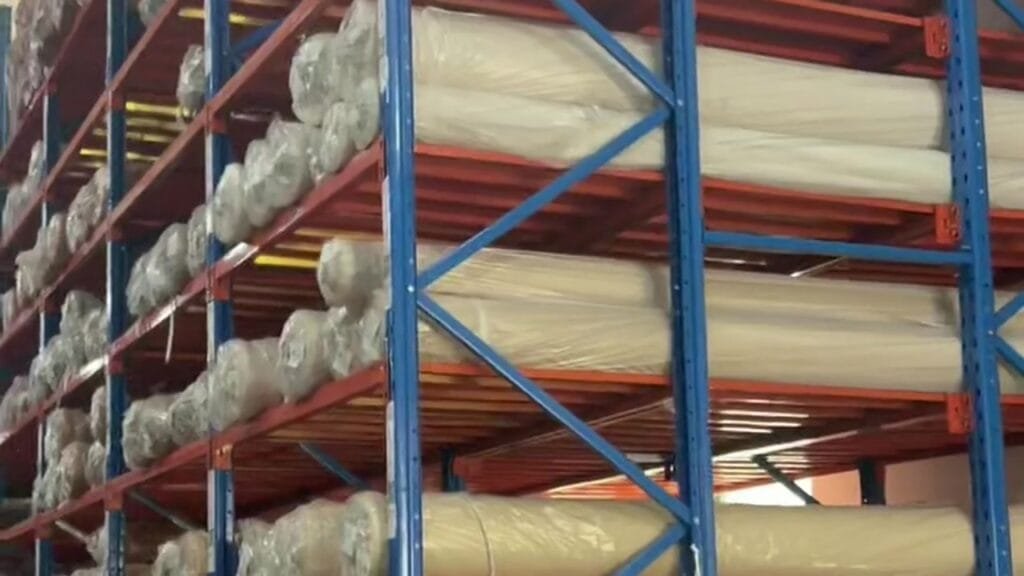
Bottom line: Only a 3-pass coated or composite blackout fabric reaches a true 100% light block. A triple-weave (woven black-yarn) blackout blocks roughly 95-99% with no coating, a softer hand, and better breathability. Single-layer woven black-yarn and most blackout velvets sit at 80-90% – that is room-darkening (dim-out), not blackout. Coating is the cheapest route to total darkness; woven black-yarn is the most durable and washable. Choose by how dark the room must be, not by the marketing label. Deciding how much light to block? Compare the tiers in our guide to dimout vs blackout curtains.
Three Constructions, Three Levels of Darkness
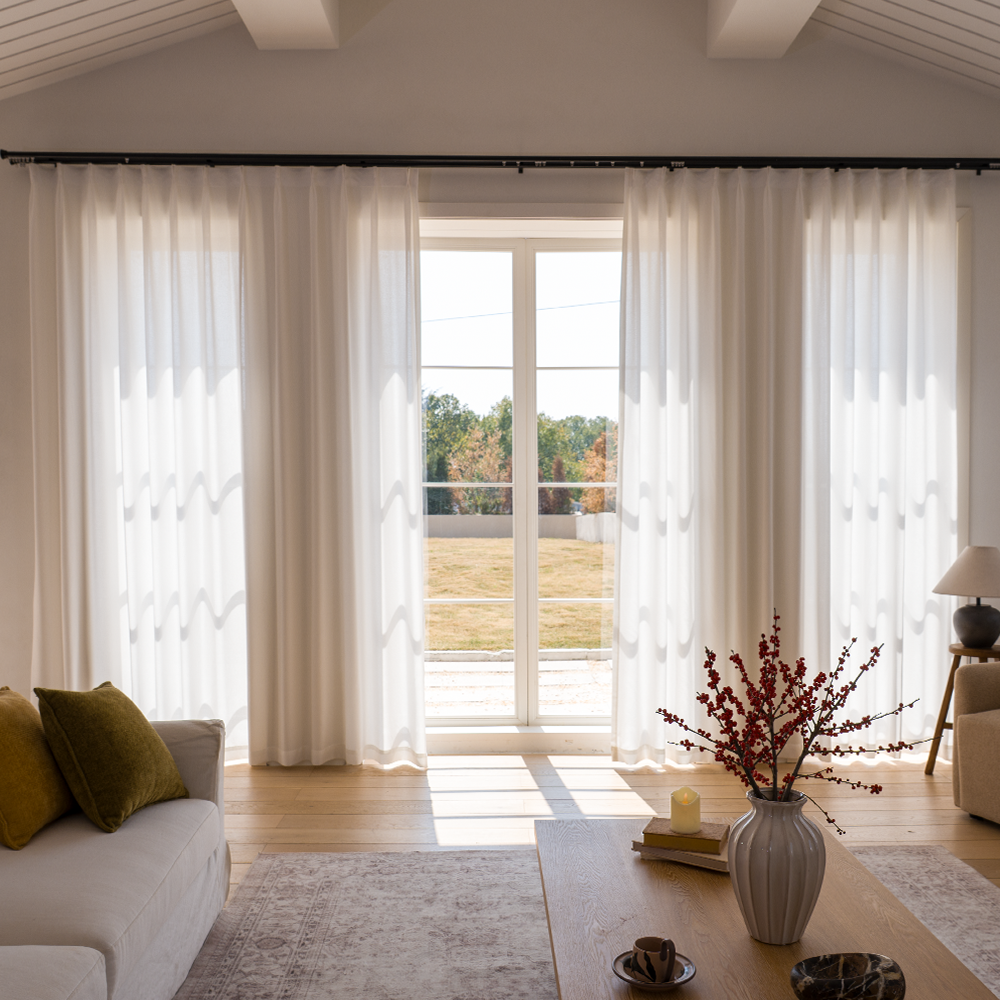
Buyers ask one question – “does it block 100% of the light?” – and get the same “yes” from every supplier. The honest answer depends entirely on how the fabric is built. There are three mainstream ways to stop light passing through a curtain, and each lands at a different point on the darkness scale. Understanding the construction is the only reliable way to match a fabric to a spec, whether you are sourcing for a hotel guestroom, a private-label DTC blackout line, or a wholesale program. For pale palettes that still block fully, see white blackout curtains.
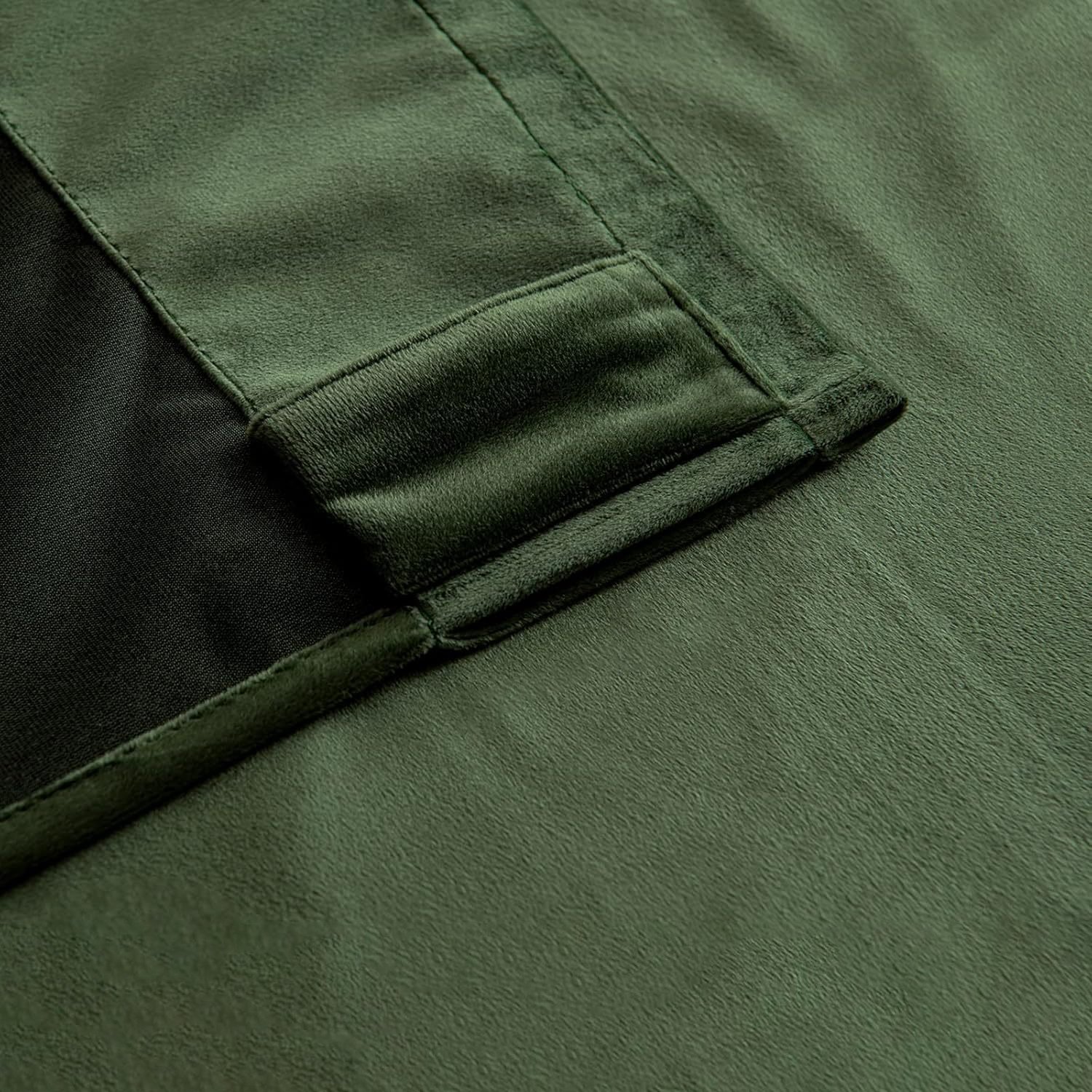
The table below maps the three constructions to the light-block level they actually deliver. Keep it next to any supplier quote: if a vendor claims “100% blackout” on a single-layer woven fabric, the number does not match the construction. For energy-saving commercial spec, see thermal blackout curtains.
| Construction | Light block | How it works | Hand-feel | Typical GSM |
|---|---|---|---|---|
| Coated / composite | 99-100% | Acrylic or foam coating in 1-3 passes on a base cloth | Stiffer, coated back | 200-350 |
| Triple-weave (woven black-yarn) | 95-99% | Three yarn layers, black yarn woven in the core | Soft, drapey, same both sides | 200-300 |
| Single-layer woven / velvet | 80-90% | One dense layer with black-tinted yarn | Soft to plush | 180-260 |
Coated and Composite Blackout: The Only Construction That Hits a True 100%
Coated blackout starts with a woven base fabric – usually polyester – and adds an opaque coating on the back. The coating is applied in passes, and the number of passes is the single biggest driver of how much light gets through:
- 1-pass (often sold as “dim-out”): blocks ~50-70%. Softens daylight, does not eliminate it.
- 2-pass: blocks ~85-95%. The most common “blackout” at retail – fine for bedrooms, but light still leaks at the edges.
- 3-pass: blocks 99-100%. A black coating layer is sandwiched between two outer coats, so no light passes through the body of the cloth. This is the only construction that earns a literal “100%.”
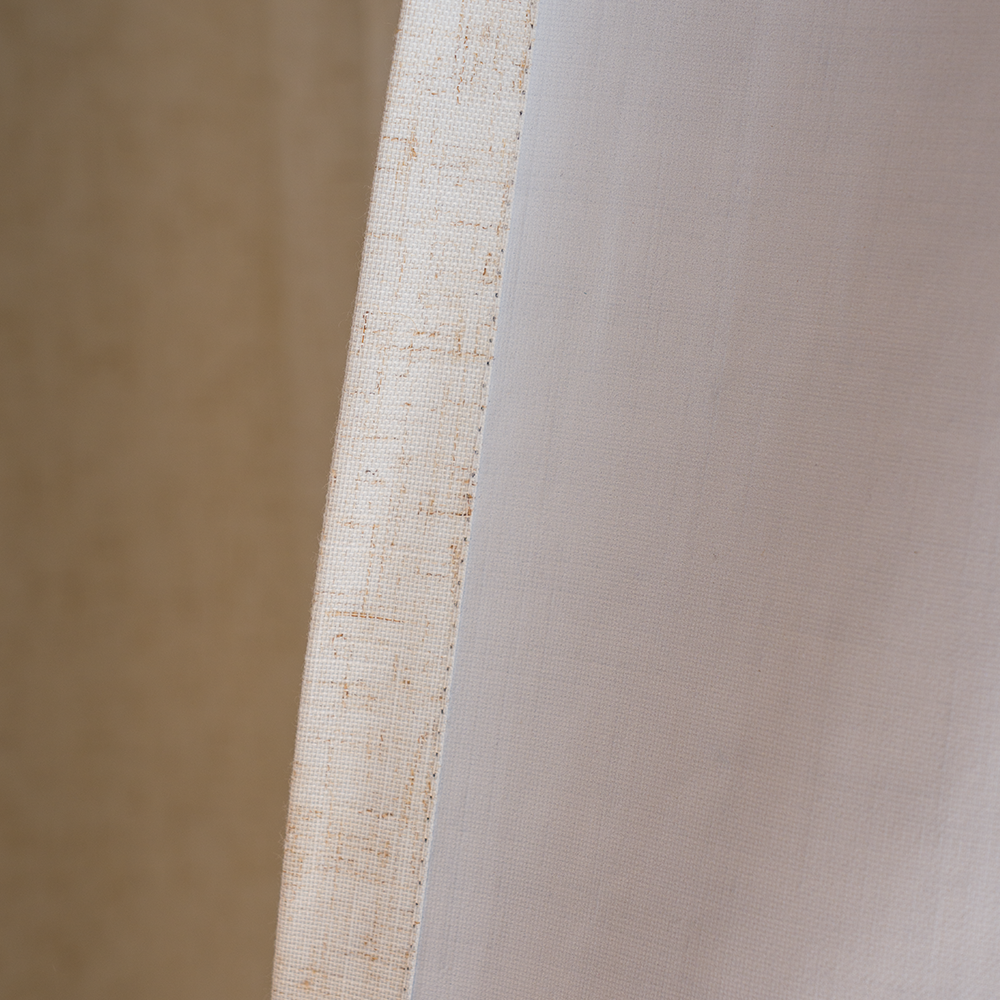
Composite blackout takes this further by laminating a separate blackout film or foam layer to a decorative face fabric, reaching up to 350 GSM. It is the route most hotels and home-theater projects choose when total darkness is non-negotiable.
The trade-offs are real. Coated fabric has a stiffer hand and a visible coated back, it is less breathable, and over years of folding a cheap single-coat job can crack or peel (a properly done 3-pass acrylic is far more durable than a thin 1-pass). Coating is also the lowest-cost way to reach total darkness per panel, which is why it dominates volume blackout programs.
Triple-Weave (Woven Black-Yarn) Blackout: 95-99% With No Coating
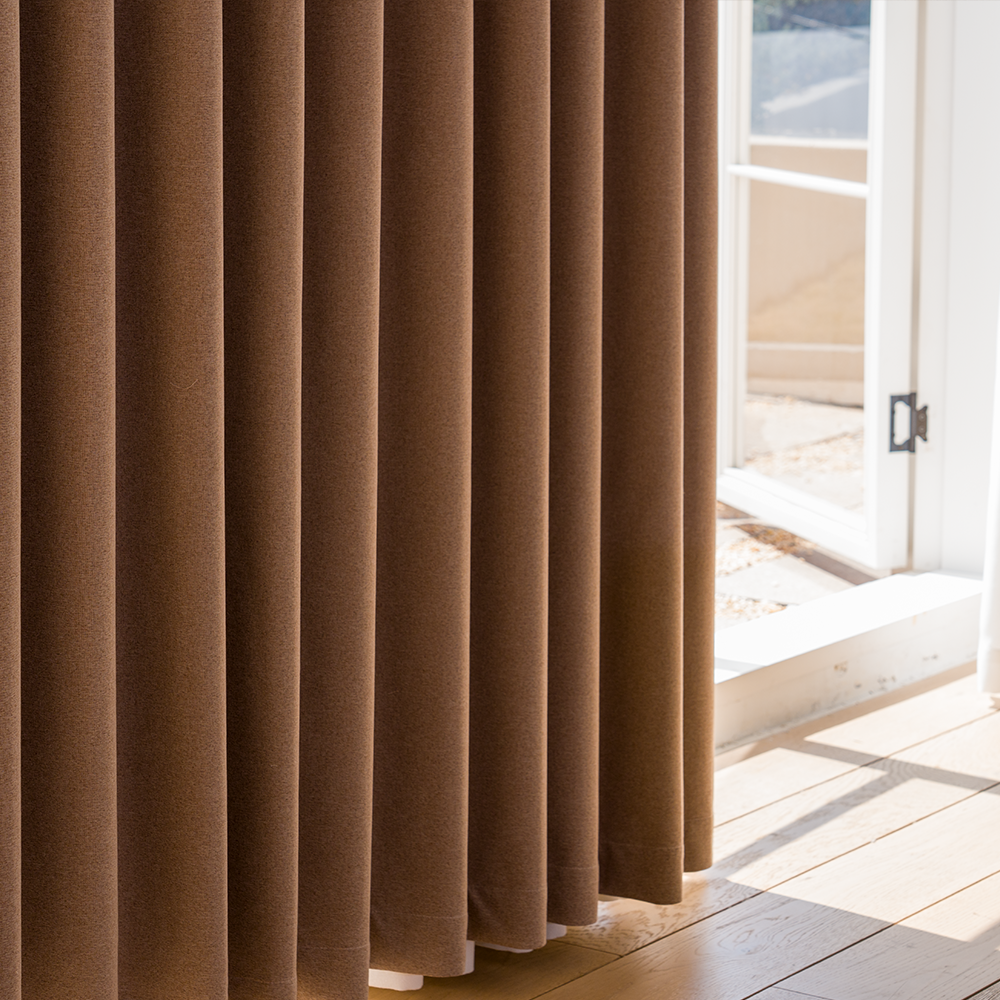
A triple-weave blackout – also sold as “woven blackout” or “3-pass woven” – blocks light with yarn, not coating. Three layers of yarn are woven together on the loom: a colored face yarn, a colored back yarn, and a black yarn hidden in the middle. The black core absorbs the light the outer layers let through, so the fabric reaches roughly 95-99% blockout while looking and feeling like an ordinary decorative textile on both sides.
Why buyers pay more for it:
- Soft hand and natural drape – no stiff coated back, so it folds and hangs like a premium drapery.
- Breathable and machine-washable – no coating to crack, peel, or trap moisture, which matters for hospitality laundering cycles.
- Same color both sides – no white or grey coated back facing the street.
- Longer service life – the blackout effect is woven in, so it cannot wear off.
The catch is cost and the last 1-5%. Triple-weave uses more yarn and a denser construction, so it sits above coated fabric on price, and it rarely hits a perfect 100% – a sliver of light can pass at very bright exposures. For most bedrooms, premium DTC blackout lines, and hotels that launder curtains frequently, 95-99% with a luxury hand is the better spec than a stiff coated 100%.
Single-Layer Woven Black-Yarn and Velvet: 80-90% Dim-Out
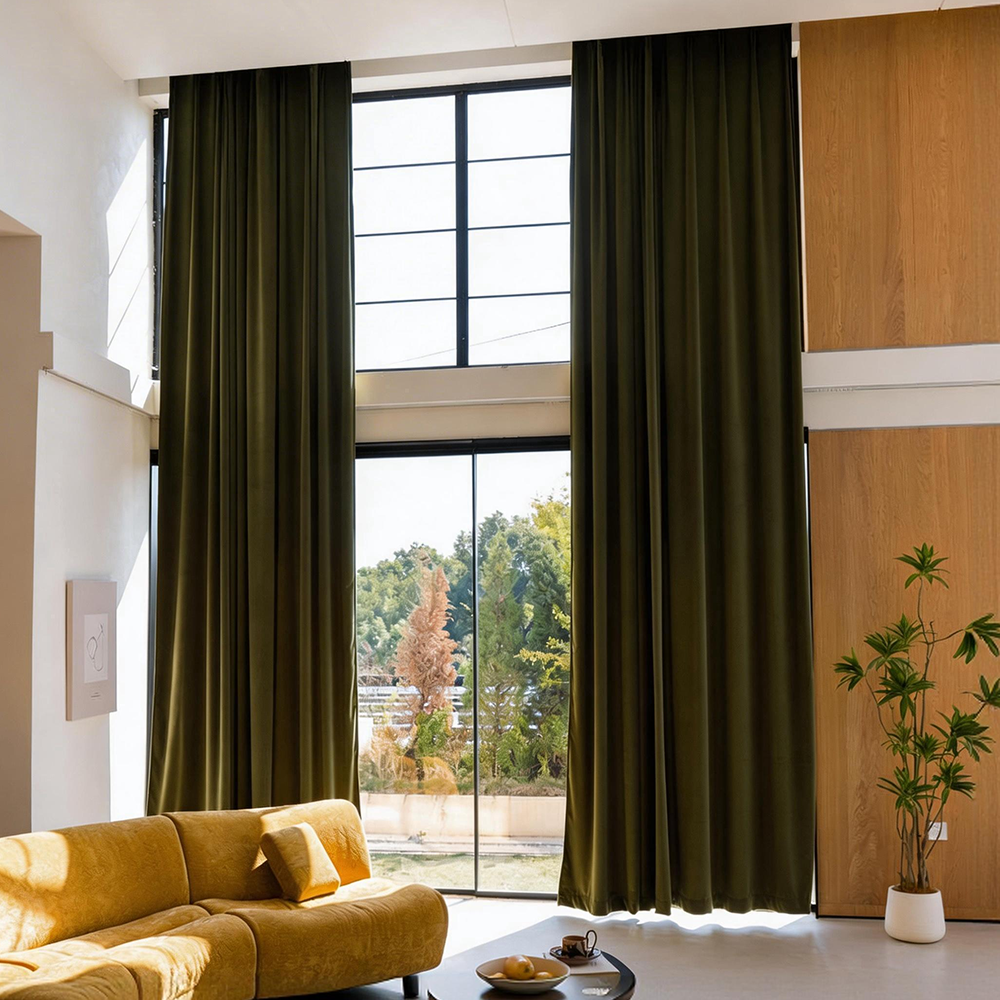
The third tier is a single dense layer woven with black-tinted yarn, including most “blackout” velvets. A single-layer woven black-yarn velvet blocks about 80-90% of light – enough to darken a room noticeably, but not enough to call true blackout. Coated or composite velvet, by contrast, can be backed to reach 100% (up to 400 GSM), so the label “blackout velvet” covers a wide range depending on whether a backing is added.
This tier is about look and feel first, darkness second. The heavy, plush drape of velvet or the matte body of a dense weave is the selling point, with room-darkening as a bonus. It suits living rooms, hospitality public areas, and decorative installations where ambiance matters more than eliminating every photon. If a client wants both the velvet look and total darkness, the answer is a coated or composite velvet, or a velvet-face triple-weave – not a single-layer fabric.
Side-by-Side: Light Block, Hand-Feel, Weight, Cost and Care
| Spec | Coated / composite | Triple-weave woven | Single-layer / velvet |
|---|---|---|---|
| Light block | 99-100% (3-pass) | 95-99% | 80-90% |
| Construction | Coating on base cloth | Black yarn between layers | One dense black-yarn layer |
| Hand-feel | Stiffer, coated back | Soft, same both sides | Soft to plush |
| Weight (GSM) | 200-350 | 200-300 | 180-260 |
| Breathable | Low | High | Medium-high |
| Care | Gentle wash; coating ages | Machine-washable | Often dry-clean (velvet) |
| Relative cost | Lowest per blackout % | Higher (more yarn) | Mid (decorative premium) |
| Best for | Hotels, home theater, volume | Premium DTC, laundered rooms | Living rooms, public areas |
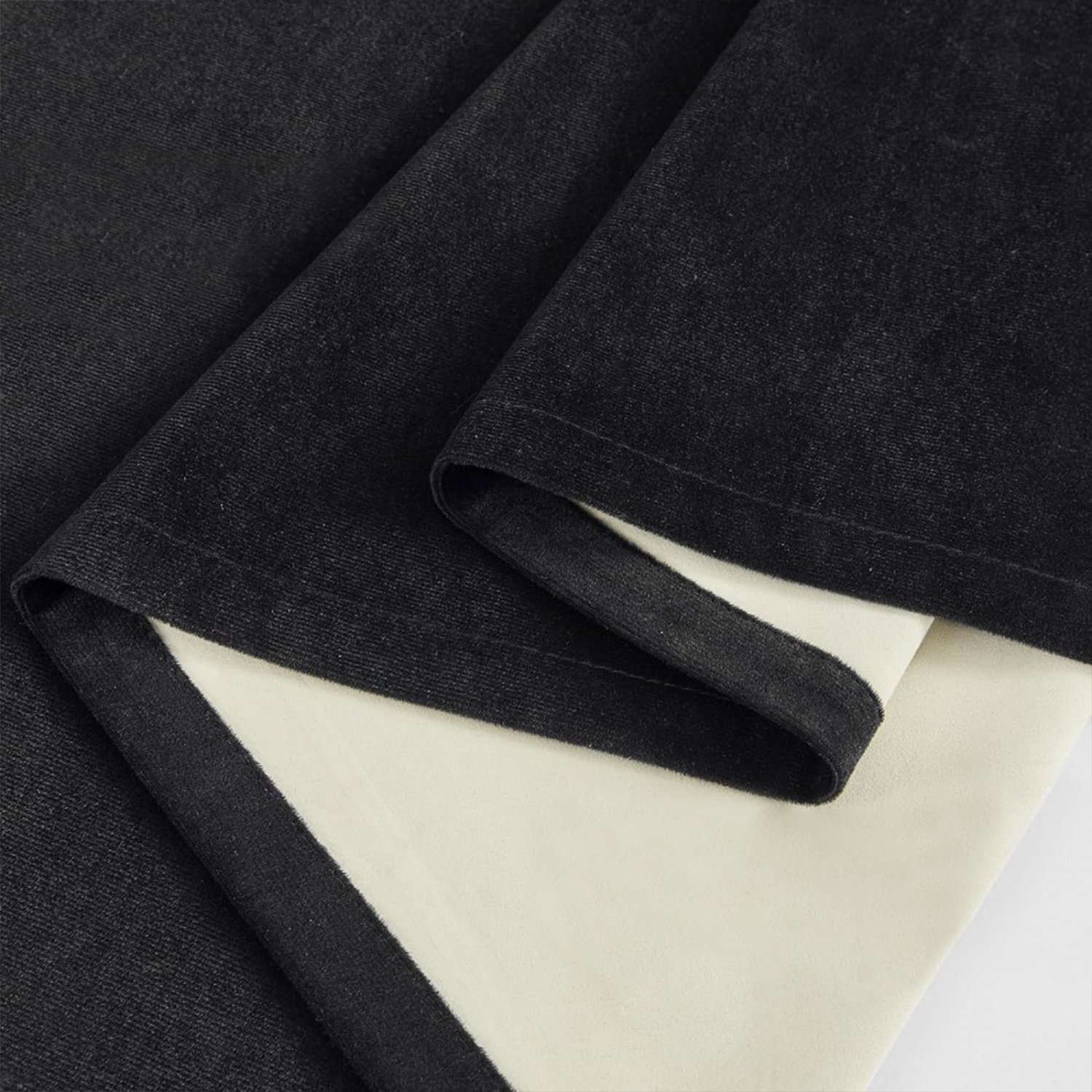
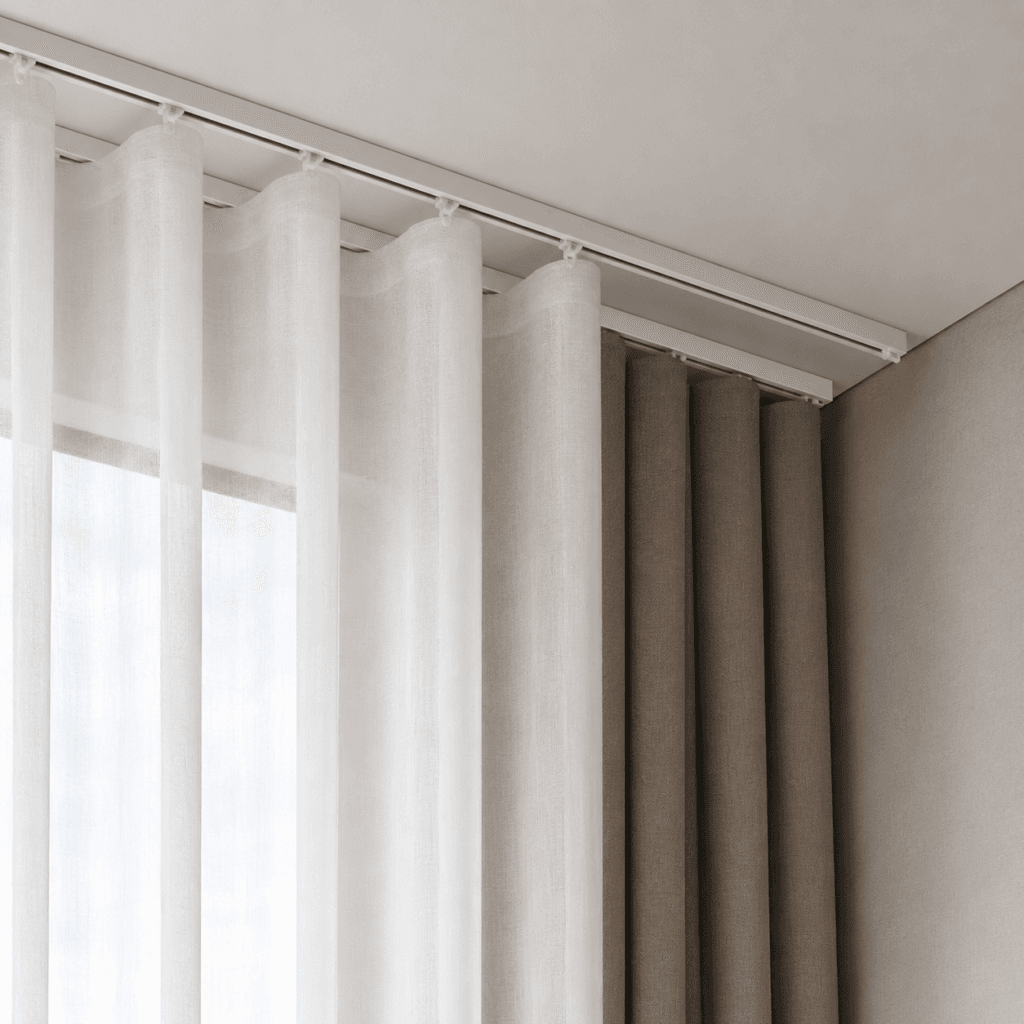
A note on “blackout lining”: a blackout lining – a separate coated backing sewn behind a decorative face fabric – is not standard on most curtains. It has to be specified at order. It is the flexible route when a client loves a non-blackout face fabric but needs darkness: you keep the look and add a 2-pass or 3-pass coated lining behind it. Always confirm whether your quote includes a blackout lining, because the same face fabric can ship as a light drape or a true blackout depending on that one line in the spec.
If you are speccing a blackout lining behind a decorative face fabric, our guide to curtain lining types breaks down blackout, thermal, and interlining options and how each affects cost and lead time.
How to Specify the Right Blackout Construction for Your Order
Match the construction to the room, not to the marketing word “blackout”:
- Define the darkness target in plain terms. “Can read a clock but not see furniture” is ~85-90% (2-pass coated or single woven). “Pitch black for a night-shift sleeper or a hotel guestroom” is 99-100% (3-pass coated or composite). “Cinema dark” is composite blackout.
- Decide whether hand-feel or cost wins. If the curtain is laundered often or sold as a premium product, triple-weave earns its price. If it is a volume program where cost-per-panel rules, 3-pass coated is the efficient 100%.
- Set the GSM with end use, not guesswork. Heavier is not automatically darker – a 220 GSM 3-pass coated outperforms a 300 GSM single-layer weave. Use GSM to dial in drape and durability once construction has set the light block. See our guide on choosing drapery weight.
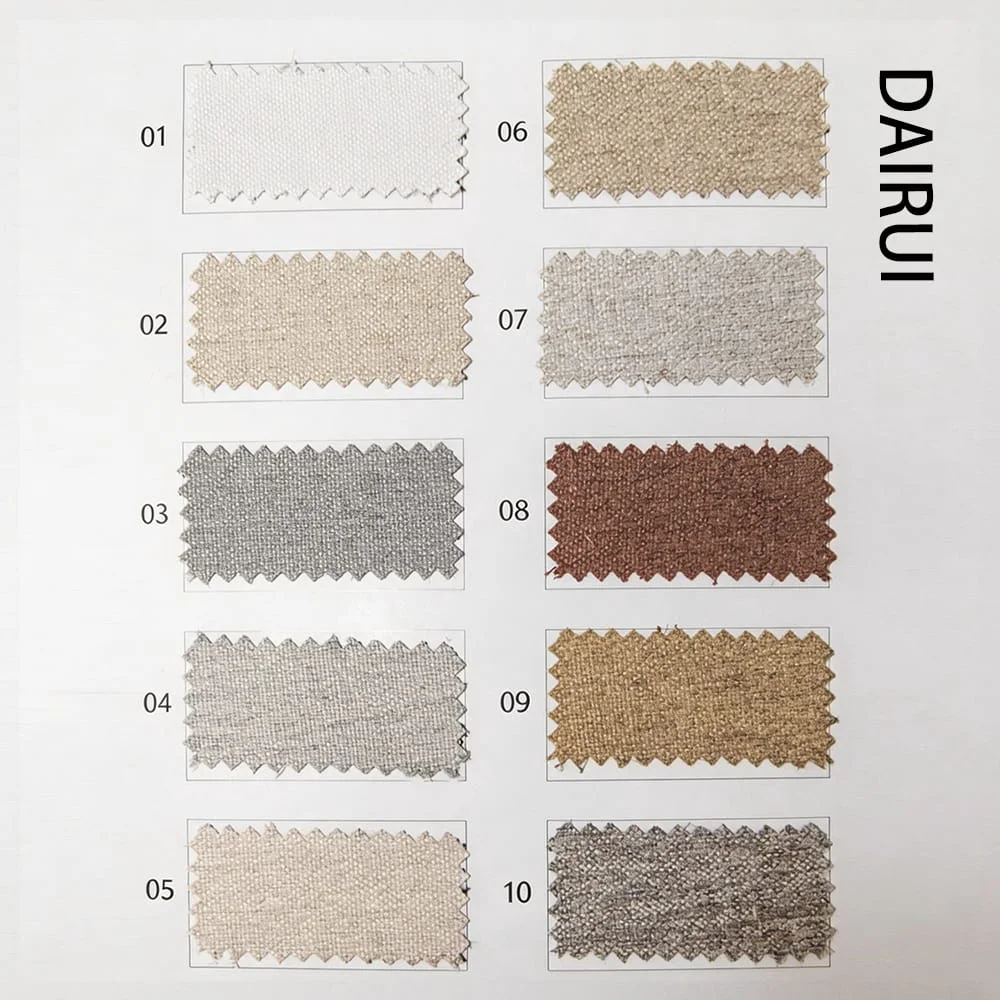
- Confirm lining and certifications in writing. State whether a blackout lining is included, and for hospitality, confirm the FR standard the fabric must meet. Dairui holds SGS test reports to NFPA 701 and CAN/ULC S109 for applicable fabrics; other standards are tested to project requirements on request – confirm the exact requirement on your project. See fire-retardant curtain certifications.
For sourcing the fabric itself – by the roll or as finished OEM panels – see our guide on buying curtain fabric from China. For finished blackout programs and product specs, browse the blackout curtain category, or compare options in our blackout curtain buying guide.
Frequently Asked Questions
Which blackout fabric truly blocks 100% of light?
Only a 3-pass coated or a composite (laminated) blackout fabric reaches a true 100%. A black coating layer sits between two outer coats so no light passes through the body of the cloth. Triple-weave woven blackout reaches about 95-99%, and single-layer woven or velvet fabrics block 80-90%.
What does 1-pass, 2-pass, 3-pass mean on a blackout curtain?
It is the number of coating layers applied to the back of the fabric. 1-pass blocks ~50-70% (dim-out), 2-pass ~85-95% (typical retail blackout), and 3-pass 99-100% (true blackout, with a black layer between two coats). More passes mean more light blocked and a slightly stiffer hand.
Is triple-weave blackout better than coated blackout?
It depends on the priority. Triple-weave (woven black-yarn) has a softer hand, is breathable and machine-washable, looks the same on both sides, and cannot wear off – but it costs more and tops out around 95-99%. Coated blackout is the lowest-cost route to a literal 100% but has a stiffer coated back. Choose woven for premium or frequently-laundered curtains, coated for volume total-darkness programs.
Are blackout velvet curtains really 100% blackout?
Not by default. A single-layer woven black-yarn velvet blocks about 80-90% – room-darkening, not blackout. To reach 100%, the velvet needs a coated or composite backing (up to 400 GSM). Always confirm whether a blackout backing is included, because “blackout velvet” covers both.
Does a higher GSM mean a darker curtain?
No. Light block is set by construction, not weight. A 220 GSM 3-pass coated fabric blocks more light than a 300 GSM single-layer weave. GSM controls drape, body, and durability; use it to fine-tune feel once the construction has set the darkness level.
What is a blackout lining and do I need one?
A blackout lining is a separate coated backing sewn behind a decorative face fabric to add darkness without changing the look. It is not standard – it must be specified at order. Choose it when a client loves a non-blackout face fabric but needs the room dark; you keep the face and add a 2-pass or 3-pass coated lining behind it.
Bottom Line
“Blackout” is a construction, not a guarantee. Coated and composite fabrics are the only ones that hit a true 100%, and 3-pass is the spec to ask for. Triple-weave woven black-yarn trades the last few percent for a soft, washable, both-sides-clean fabric that premium and hospitality buyers prefer. Single-layer woven and velvet sit in dim-out territory unless a backing is added. Specify the construction, the pass count, the GSM, and whether a lining is included – those four lines decide whether your curtains arrive pitch-black or merely dark. For projects with fire-safety requirements, pair the blackout spec with the right FR standard before you order.
Last reviewed: 2026-06. Author: DAIRUI Sourcing Desk.