Bottom line: jacquard describes how a pattern is woven; it does not by itself define blackout performance. Light control depends on the exact weave, yarn arrangement, GSM and added structure. A lining, coating or film can each change the result, but also changes the handfeel, drape, weight, backing and finished-panel construction that the buyer must approve.
For a B2B program, begin with the jacquard face as a design decision and treat light control as a separate engineering decision. This prevents a decorative weave from being sold with an unsupported fixed blackout percentage.
First approve the base jacquard
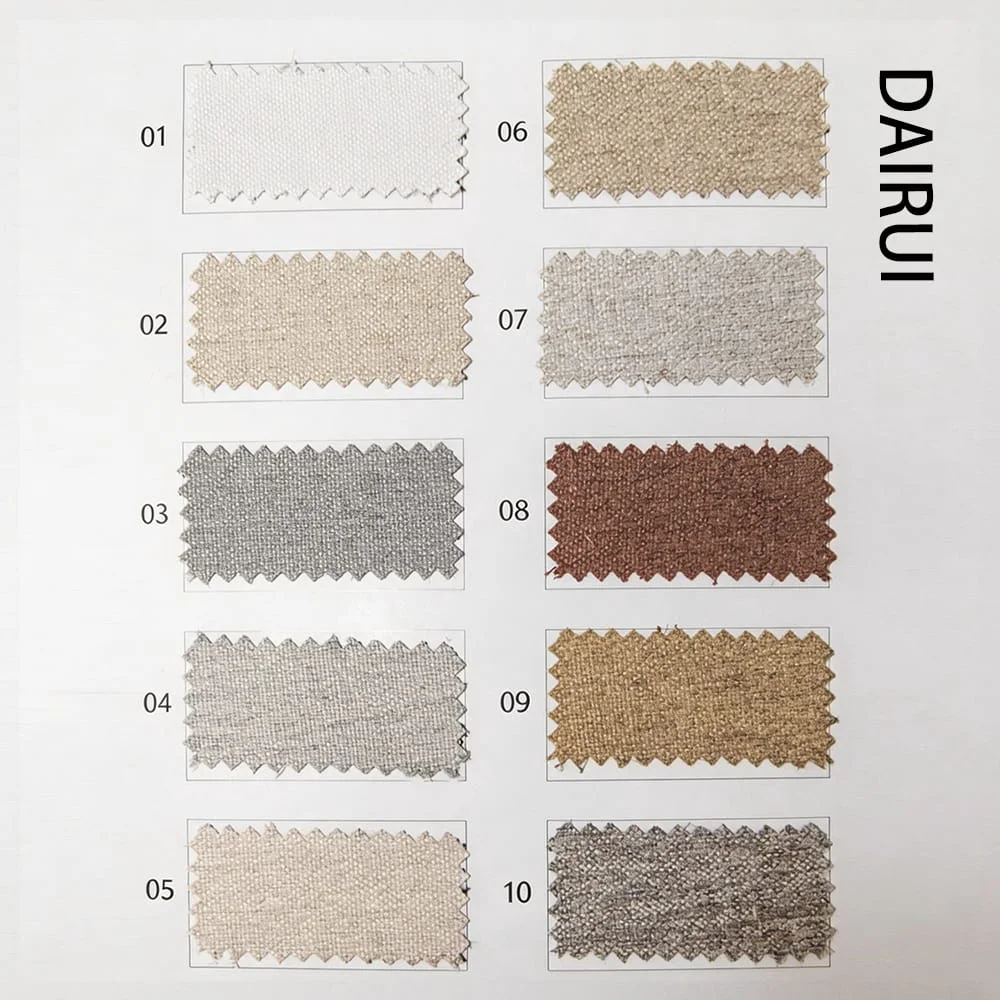
Record the exact pattern, repeat, direction, yarn shade, weave integrity, GSM, width and intended face. View the fabric both flat and hanging. Pattern complexity and construction can affect drape and perceived quality, while different parts of the motif may transmit light differently.
If the unmodified jacquard meets the intended light-control target on the agreed sample, an added back layer may be unnecessary. If it does not, choose an upgrade route based on the full finished product rather than only on the darkest sample.
Option 1: add a separate lining
A separate lining keeps the jacquard face and light-control component as distinct layers. This is useful when the decorative face should remain visually and tactilely independent from the back layer. It also lets the buyer specify the lining color and construction separately.
The approval must move beyond a face swatch. Check the combined weight, drape, heading, attachment method, side treatment, seams and reverse appearance on a finished sample. The installed system must still manage side, top, center and bottom leakage if whole-room darkness is the goal.
Option 2: apply a coating
A coating adds a functional layer to the back of the jacquard. It can change the backing surface, flexibility, handfeel and the way the fabric hangs. Buyers should inspect the exact coated construction from both sides and compare it with the original jacquard face.
Approval should identify the coating route and backing color, then connect the sample to an agreed light-control evaluation. Do not transfer a result from another jacquard pattern, color or base construction.
Option 3: use a film or composite layer
A film/composite route combines a barrier layer with the jacquard. This can provide a different balance of opacity and body from a coating or separate lining. The buyer should evaluate layer appearance, bonding condition, thickness, handfeel, drape and compatibility with the finished construction.
Because the result belongs to the complete composite, the approval record should name all relevant layers. A jacquard face sample alone cannot stand in for the composite sample.
Compare the routes as finished products
| Decision factor | Separate lining | Coating | Film/composite |
|---|---|---|---|
| Face independence | Face and functional layer remain separate | Back treatment becomes part of the face fabric | Barrier is integrated as a combined construction |
| Backing appearance | Defined by lining color and attachment | Defined by coating color/surface | Defined by composite reverse/layer |
| Handfeel and body | Evaluate the two-layer panel | Evaluate the coated fabric | Evaluate the complete laminate/composite |
| Construction approval | Attachment, heading, sides and seams are central | Coated fabric plus sewing details | Composite integrity plus sewing details |
| Light-control proof | Test the intended layer combination | Test the exact coated item | Test the exact composite item |
Do not let light control erase the jacquard design task
The face still needs its own approval. Check pattern repeat and direction, yarn shade, weave integrity and how seams or panel joins interact with the motif. If a full repeat is important, the sample must be large enough to show it. A back treatment that improves light control does not correct an unapproved pattern scale or alignment.
Likewise, GSM is not a shortcut for blackout. It helps describe the item, but the actual weave and added layers determine the observed result. A fixed percentage should not be assigned across all jacquard curtains; verify the exact construction under the agreed conditions.
Jacquard light-control approval checklist
- Exact jacquard face, pattern, repeat, direction and color recorded
- Weave, yarn and GSM identified for the approved item
- Chosen route named: unmodified, lined, coated, film/composite or stated combination
- Backing color and visible reverse appearance approved
- Handfeel, body and drape reviewed after the light-control layer is added
- Finished sample covers heading, seams, sides, dimensions and pattern placement
- Light-control target and evaluation conditions attached to the exact sample
- Installed overlap and perimeter coverage specified separately where required
Questions buyers should ask
Is every jacquard curtain naturally blackout?
No. Jacquard identifies a woven pattern construction. The exact weave, GSM, yarn and any lining, coating or film determine the light-control result.
Can a lining be approved from a small face swatch?
No. A swatch can support material selection, but the combined weight, drape, attachment and edge construction need a finished sample or equivalent full-construction evidence.
Should buyers specify a fixed blackout percentage for all jacquards?
No. Set the project target, then verify it on the exact construction and color under an agreed method.
Build from the face to the light-control system
Shortlist decorative constructions in the Jacquard Curtain category, compare functional routes in the Blackout Curtain category, and use Sample Support to approve the complete layered sample.
DAIRUI Sourcing Desk
Last reviewed: 2026-08