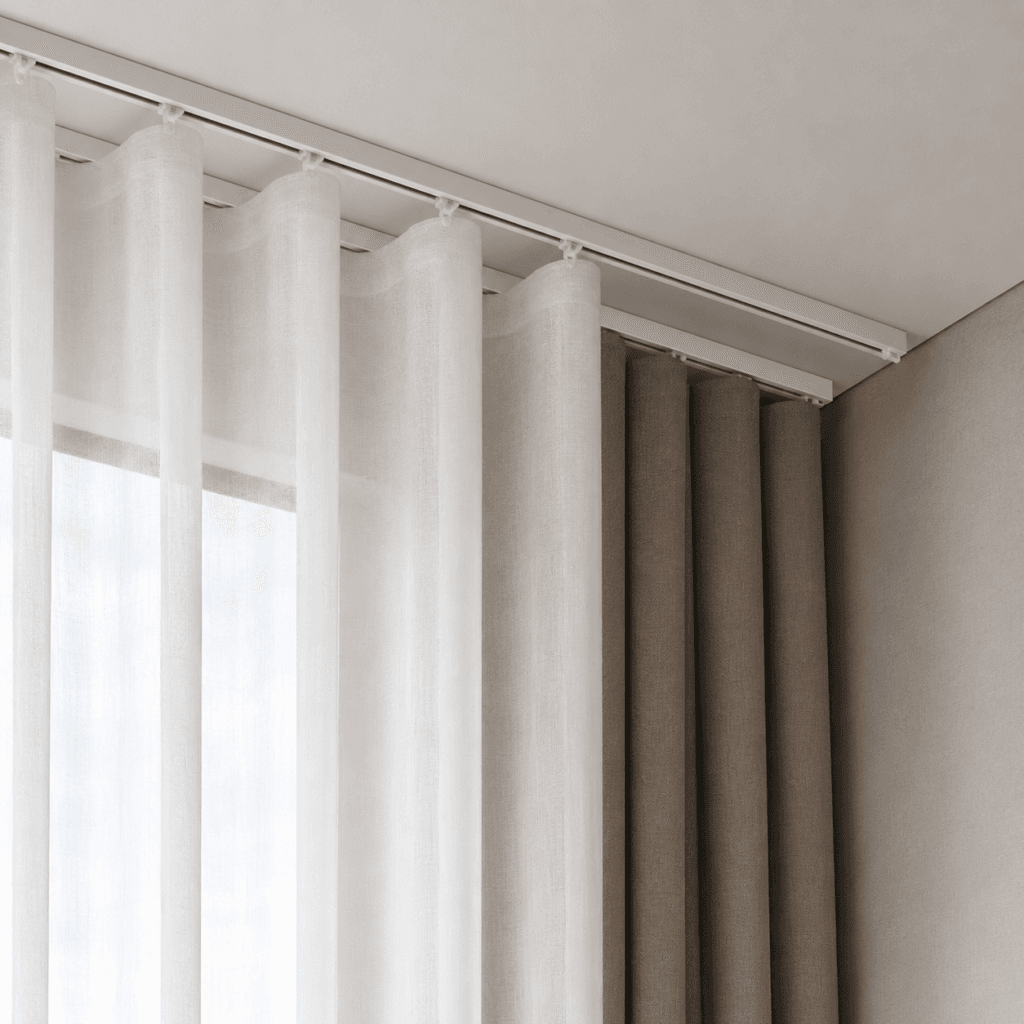
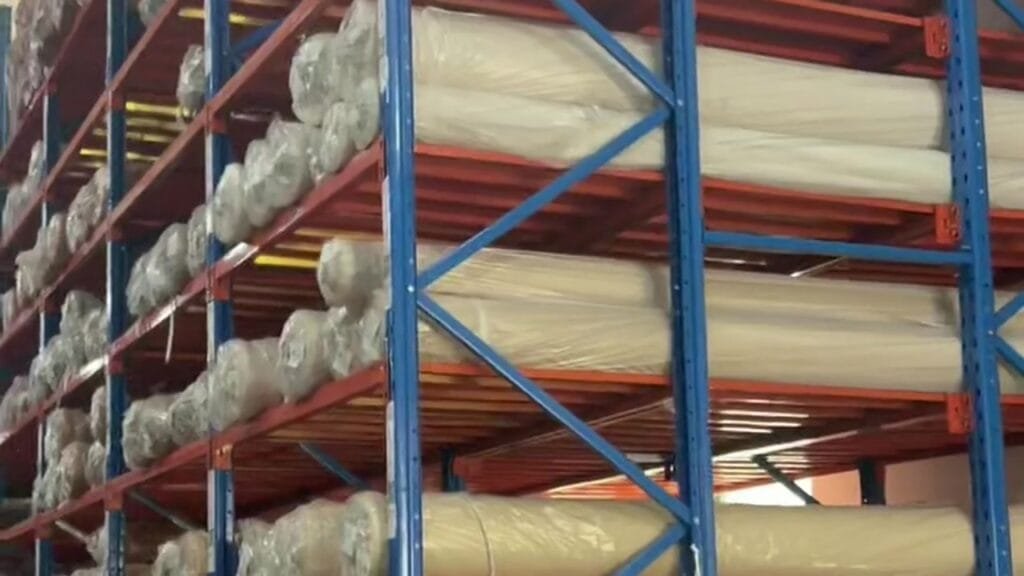
Bottom line: Once your sample is confirmed, a standard curtain order runs around 30 days in production from deposit to packed goods – fabric and dyeing (5-8 days), cutting and sewing (12-16 days), and QC plus packing (4-7 days). Custom dye colors, large or complex orders, and peak season can push past 30 days, which is normal. Sampling happens before this window and ocean freight after it – production time is not delivery time.
How Long Does a Curtain Order Actually Take?
“Lead time” causes more disputes than almost any other term, because buyers and suppliers often mean different things by it. The around 30-day figure is the standard production window, measured from a confirmed sample and deposit to goods packed and ready to ship. It does not include the sampling you approve beforehand, and it does not include the weeks the container then spends at sea. Separating those three blocks – sampling, production, freight – is the key to a realistic delivery date.
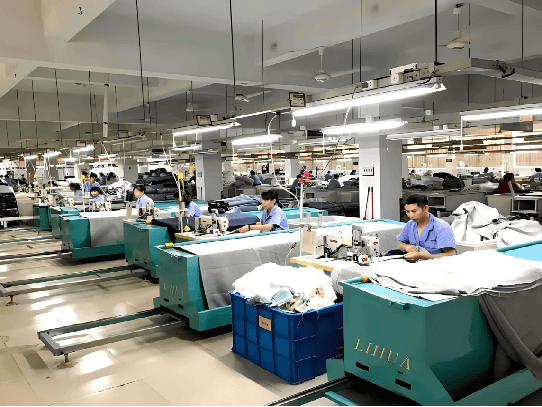
Seen as a sum of stages rather than a single quoted number, the figure stops feeling arbitrary and you can see exactly which stages you control. It also makes clear why a tricky custom order can run beyond 30 days – that is not a red flag, it is specific stages taking longer.
The Full Timeline, Stage by Stage
Here is where a standard around 30-day production window goes. Sampling sits before it; freight sits after it.
| Stage | Typical time | What happens |
|---|---|---|
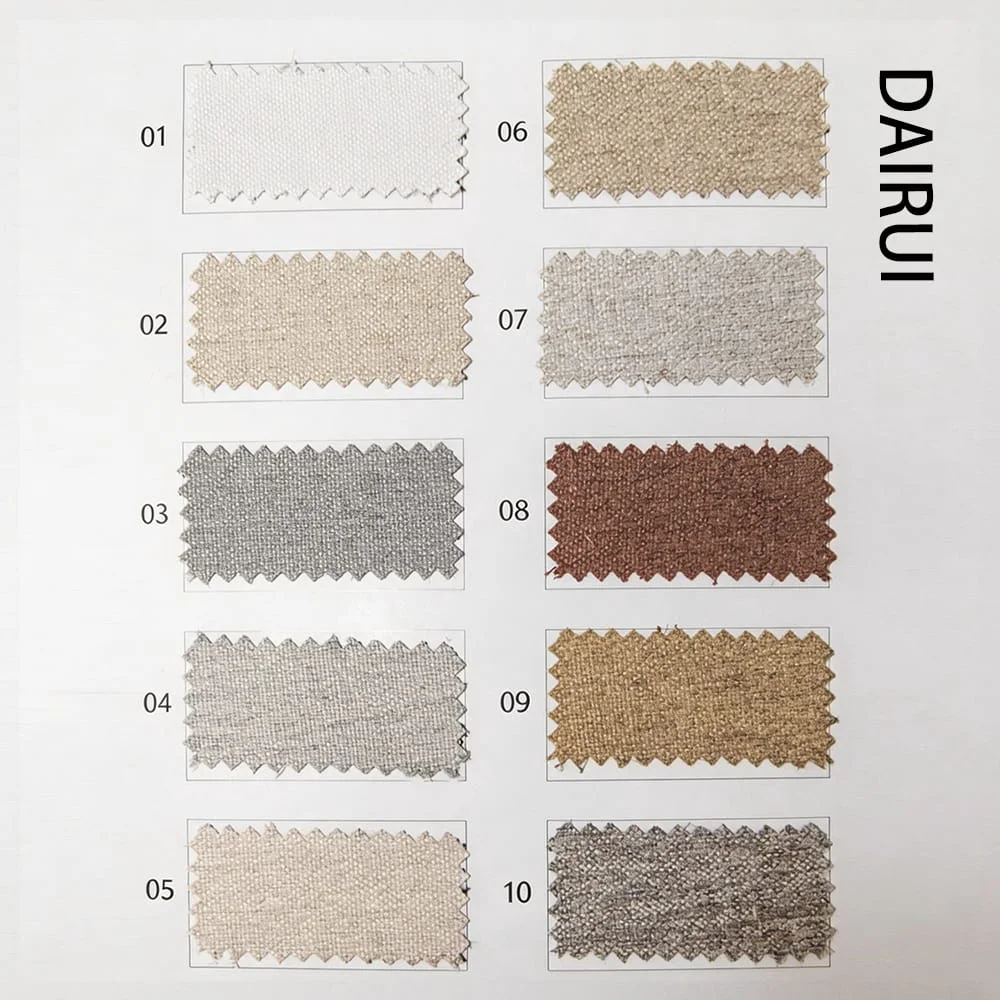
| Sampling / lab dip (pre-order) | Usually 3-5 days for a standard curtain sample | Approve color and quality before the clock starts – extra fabric, color, or structure confirmation depends on the specific requirement; lab dips from $50-80 per color |
| Order confirm & deposit | 1-3 days | PI signed, 30% deposit clears, slot booked |
| Fabric prep & dyeing | 5-8 days | Source or weave base fabric, dye to your color |
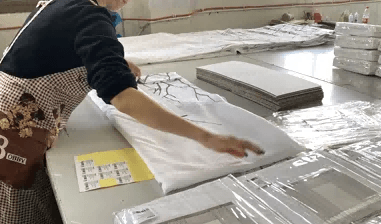
| Cutting & sewing | 12-16 days | The main production block – headers, hems, hardware |
| QC & pre-shipment inspection | 2-4 days | AQL check against your approved standard |
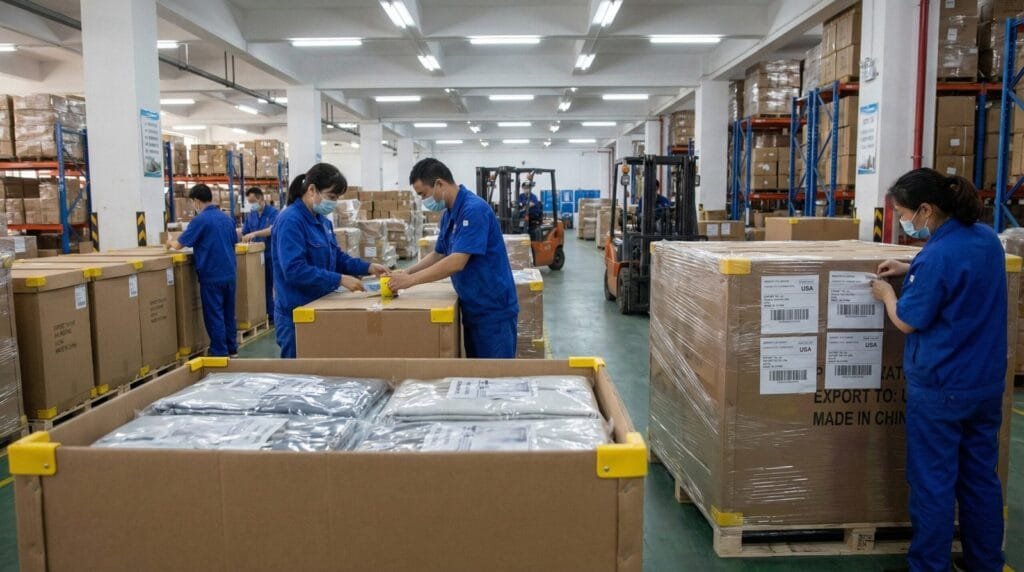
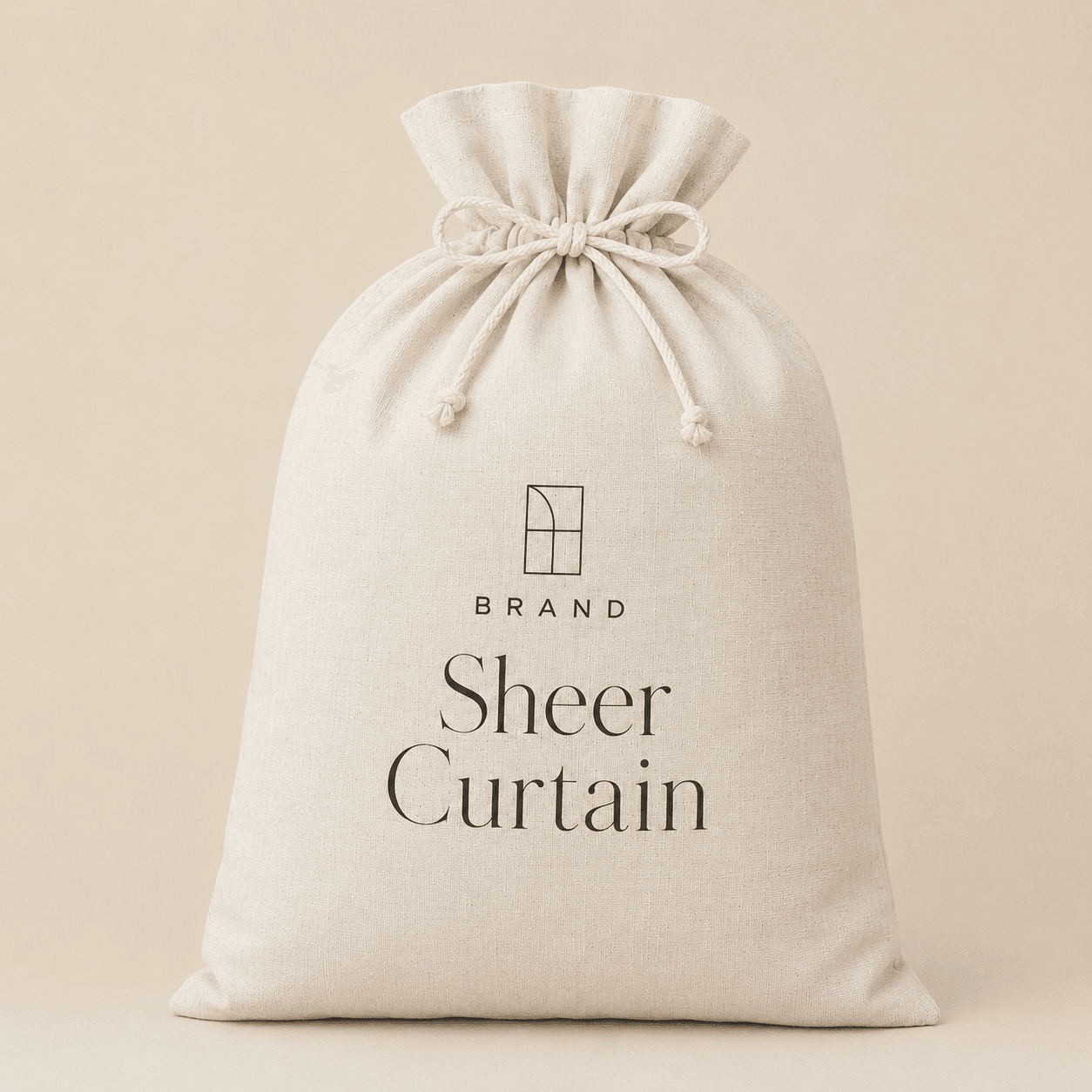
| Packing | 2-3 days | Polybag, carton, label, load plan |
| = Production window | Around 30 days | From confirmed sample / deposit to packed |
| Custom / complex orders | 30+ days | Custom dye or special make-up – normal, not a delay |
| Ocean freight (separate) | 15-40 days | Depends on lane – not part of production |
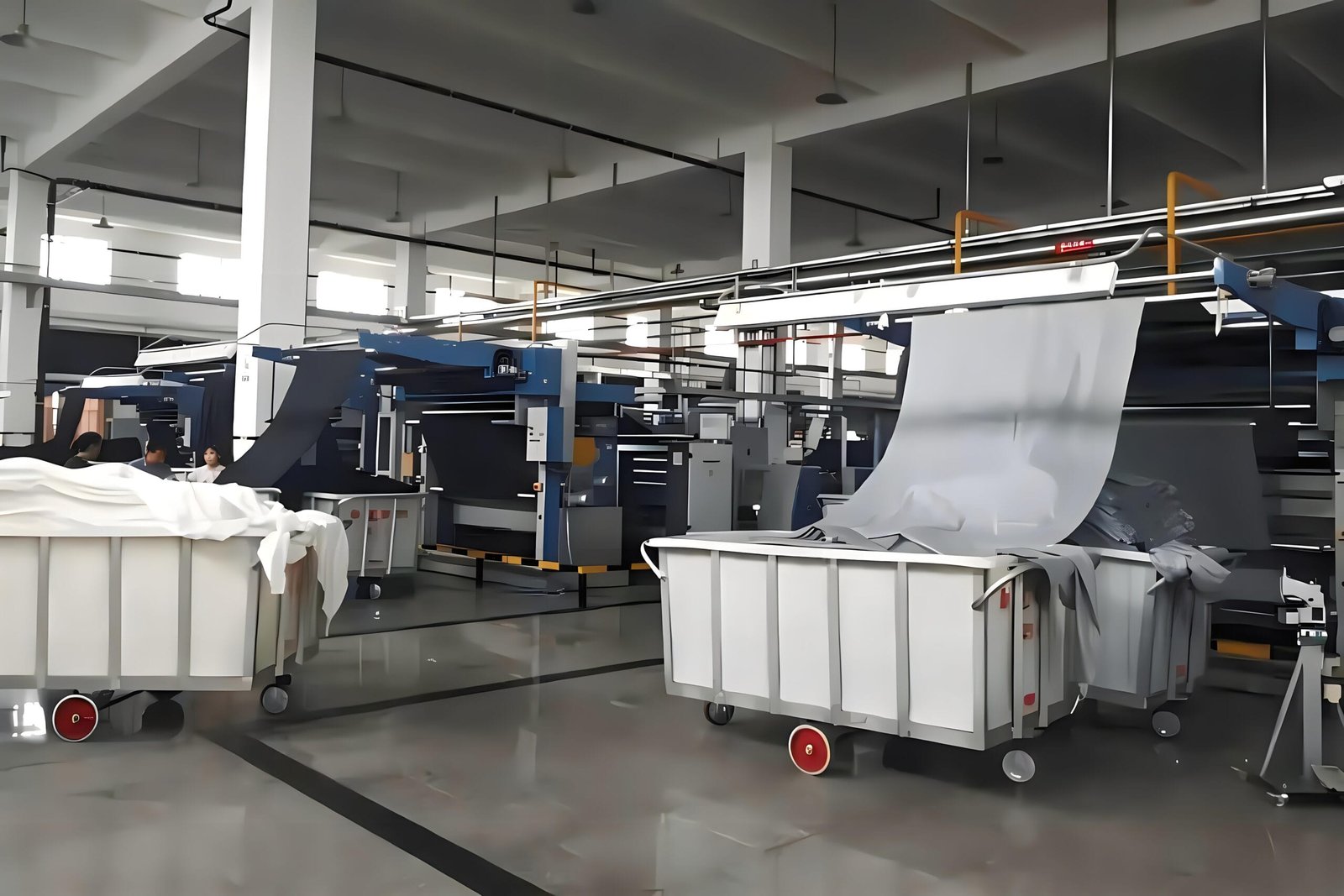
Two stages dominate the variance. Dyeing swings the most when you specify custom colors, because each needs its own run and lab-dip approval; the sampling step that precedes it (covered in how curtain sampling works) is time well spent, since a rushed approval causes far longer delays later. Cutting and sewing is the longest single block and scales with order size and customization.
Why Some Orders Run Past 30 Days
A standard order typically lands at around 30 days, but a more involved one legitimately runs longer. The levers: Custom colors add dyeing time and carry a reorder consideration too — our dye lot consistency guide explains how to keep repeat orders matching.
- Custom dye colors: the biggest single variable – each custom color adds a dye run and approval cycle. Stock colors skip most of it.
- Order size: more pieces means more cutting and sewing hours.
- Customization: special headers, linings, FR treatment, labeling, and packaging each add steps.
- Fabric availability: in-stock base fabric is fast; a woven-to-order or specialty fabric adds weaving time.
- Peak season: the weeks before Chinese New Year and major holidays compress factory capacity and stretch every stage.
So a custom or private-label run going beyond 30 days is normal – see the timeline in our private label MOQ, lead time and cost breakdown.
How to Hold the Timeline at Around 30 Days
- Lead with stock fabric and stock colors. Skipping custom dye is the fastest way to keep the front end short.
- Approve samples quickly. A lab dip waiting on your sign-off is dead time on your side of the line – turn it around fast so the production clock can start.
- Order ahead of peak season. Place orders well before Chinese New Year and Q4 holidays, when capacity tightens.
- Freeze the spec. Mid-production changes reset stages – lock the design, color, and packaging before the deposit.
- Plan with a small buffer plus freight. Build in a few days of slack and the ocean leg, so a normal swing does not break your launch date.
The inspection step is not the place to cut corners – a failed QC near the end is the one delay that costs you both time and money. Sequence it properly within the order, as covered in what a pre-shipment inspection covers.
Do Not Forget Shipping
Production ends when the goods are packed – delivery happens weeks later. Ocean freight from Ningbo typically runs about 15-25 days to the US West Coast and Australia, and 30-40 days to the US East Coast and Europe, before customs clearance and inland delivery. A 28-day production run plus a 35-day ocean leg is a two-month door-to-door reality, so always quote your customers on delivered time, not the factory’s production window. For how shipping consolidates into a container, see our container loading and CBM guide.
Frequently Asked Questions
How long does it take to manufacture curtains in China?
Once the sample is confirmed, bulk production is typically around 30 days from the deposit to packed goods – fabric prep and dyeing (5-8 days), cutting and sewing (12-16 days), and QC plus packing (4-7 days). Custom or complex orders can run beyond 30 days, which is normal. Sampling happens before this window and ocean freight is added after it.
Is lead time the same as delivery time?
No. Lead time usually means the production window – deposit to goods packed – while delivery time also includes ocean freight, customs, and inland transport. Ocean freight alone adds 15-40 days depending on the lane, so always confirm whether a quoted time is production or delivered.
Why do some curtain orders take longer than 30 days?
A standard order typically lands at around 30 days, but custom dye colors, large quantities, special construction, labeling, and peak season each add time and can push it past 30 days. That is normal, not a delay – an order built on stock fabric and stock colors stays toward the shorter end.
What is the longest stage of a curtain order?
Cutting and sewing is the longest single block, typically 12-16 days, and it scales with order size and customization. Dyeing is the most variable stage, swinging when custom colors are involved. Together these two stages drive most of the difference between a fast and a slow order.
How can I shorten my curtain lead time?
Use stock fabric and stock colors, approve samples quickly, order ahead of peak season, and freeze the spec before the deposit so no mid-production changes reset stages. These steps target the front-end and approval delays you actually control, without cutting the QC step that protects quality.
Does peak season affect curtain lead times?
Yes. The weeks before Chinese New Year and major Q4 holidays compress factory capacity and stretch every stage. Placing orders well ahead of these periods is the simplest way to avoid the longest lead times and shipping bottlenecks.
Bottom Line
A standard curtain lead time of around 30 days is not a guess – it is fabric and dyeing, cutting and sewing, and QC and packing added together, measured from a confirmed sample, with sampling before and freight after. Custom dye, large or highly customized orders, and peak season can push it past 30 days, and that is normal. Lead with stock where you can, approve samples fast, order ahead of the rush, and always quote your customers on delivered time, not the factory’s production window.
Last reviewed: 2026-06. Author: DAIRUI Sourcing Desk.