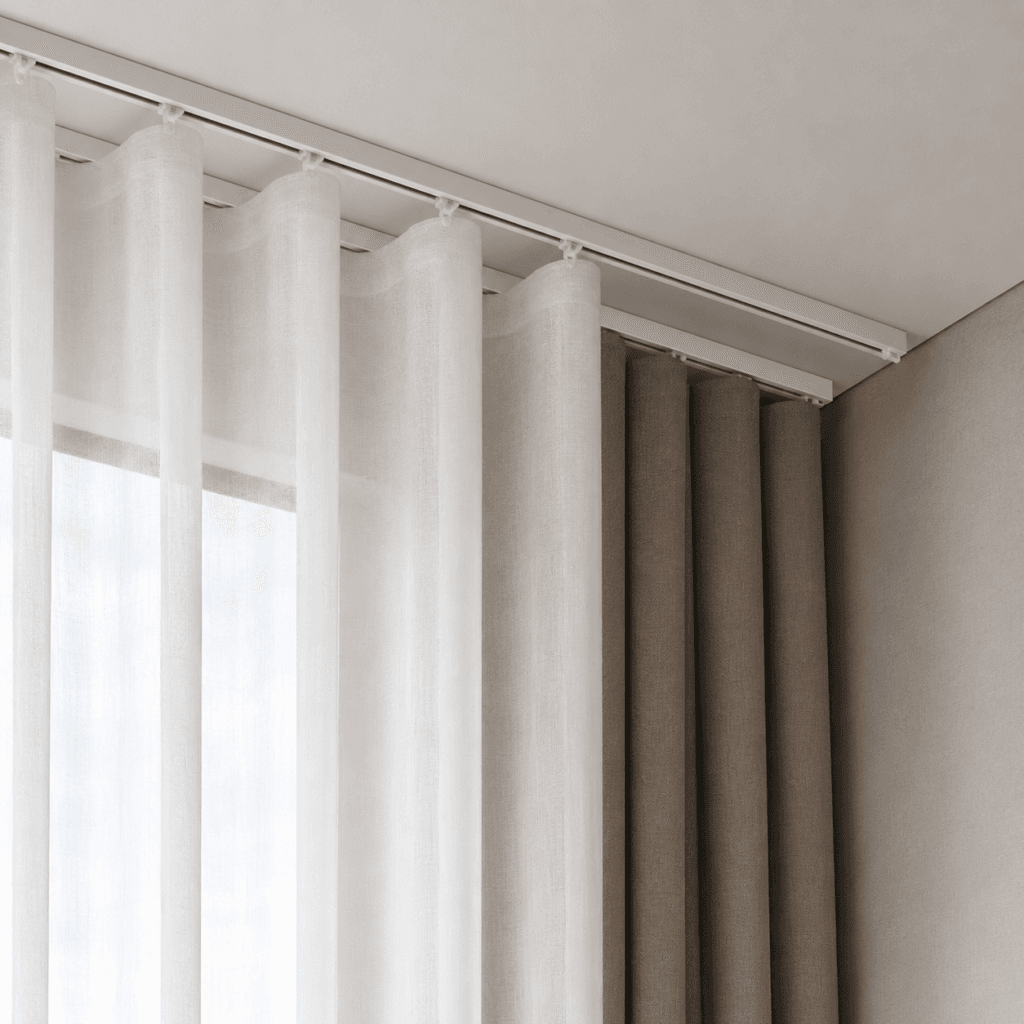
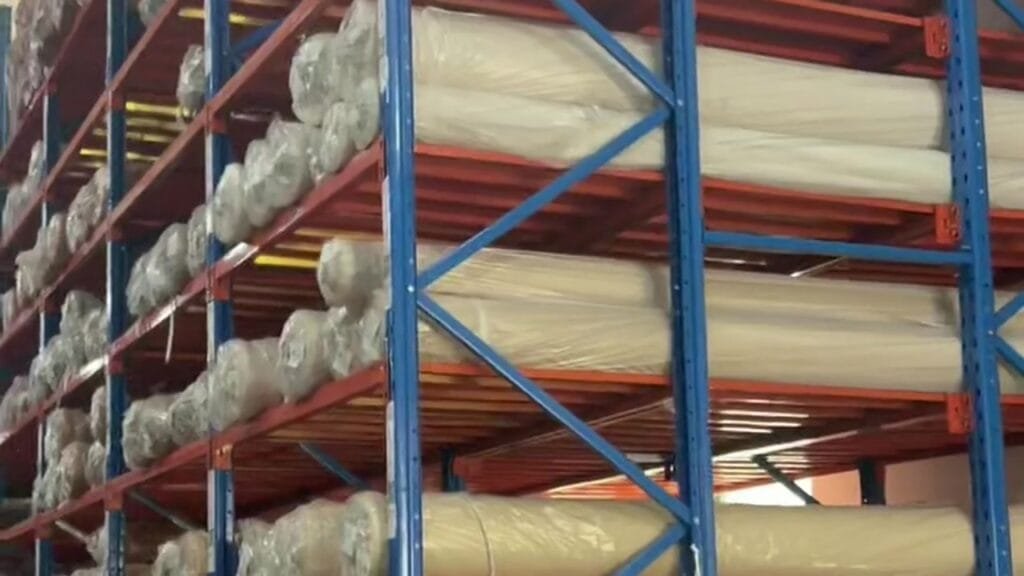
Bottom line: GSM (grams per square meter) tells you how heavy a curtain fabric is, not how good or how dark it is. Use roughly 60-90 GSM for airy sheers, 90-150 GSM for linen and linen-look day curtains, and 200-400 GSM for blackout and velvet. Higher GSM means more drape, body, and durability – and more shipping weight – but light block is set by construction, not weight. Match GSM to the end use, then confirm the tolerance on your quote.
What GSM Means – and What It Does Not Tell You
GSM is the weight of one square meter of fabric in grams. It is the single most useful spec for predicting how a curtain will hang, feel, and wear – which is why it appears on almost every fabric quote. But it is widely misread, so be clear on what GSM does and does not control:
- GSM controls: drape and fall, body and structure, opacity to a degree, durability, and shipping weight.
- GSM does NOT control: light block (that is construction – a 220 GSM 3-pass coated fabric out-darkens a 300 GSM single weave), or quality (a well-woven 90 GSM voile beats a poorly finished 200 GSM fabric).
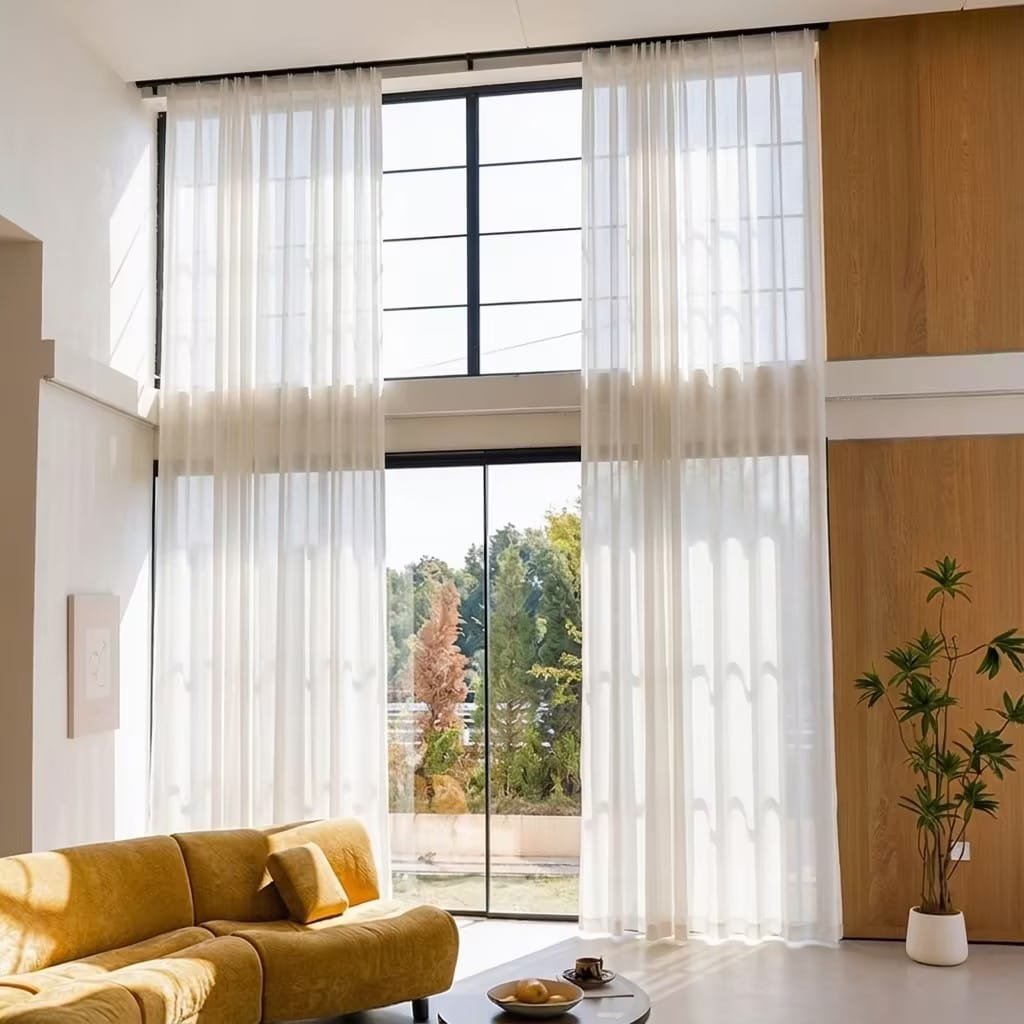
Treat GSM as the dial for feel and performance, not a quality score. The right number is entirely a function of end use: a luxury hotel sheer and a volume-retail sheer can both be correct at very different weights. The rest of this guide maps GSM bands to the fabrics and end uses that fit them.
For the construction side of the story – the part GSM does not cover – see our breakdown of coated vs woven vs triple-weave blackout.
Curtain Fabric Weight by GSM: The Full Range
This is the reference table to keep next to any fabric quote. It maps each GSM band to the fabrics that live there, the hand-feel you can expect, and the end use it suits:
| GSM band | Typical fabrics | Hand / drape | Best end use |
|---|---|---|---|
| 60-90 | Plain polyester voile, light sheer | Airy, translucent, soft | Volume retail sheers, layering |
| 90-110 | Linen-look polyester, embroidered sheer | Light with gentle body | Mid-market DTC sheers |
| 110-150 | Linen-blend, 100% linen, heavy voile | Natural drape, more body | Premium DTC, ANZ linen |
| 150-200 | Jacquard, cotton-feel, textured woven | Structured, semi-opaque | Decorative day curtains |
| 200-300 | Blackout (coated/triple-weave), velvet | Heavy, full drape | Bedrooms, hotels, blackout |
| 300-400 | Composite blackout, coated velvet | Very heavy, plush | 100% blackout, home theater |
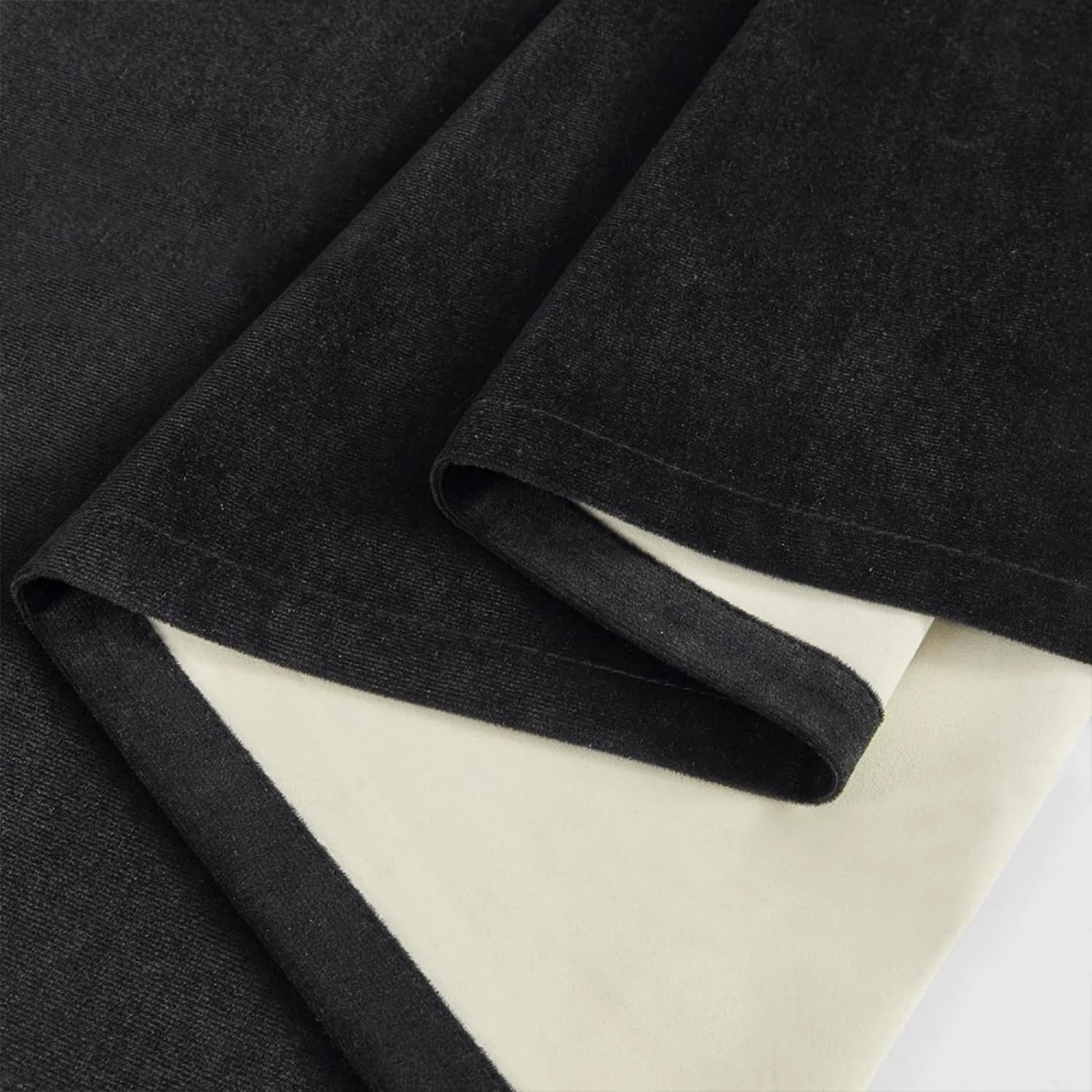
Three things to read from the table. First, the same product category spans several bands – “sheer” runs 60-150 GSM and “velvet” runs 180-400 GSM depending on construction. Second, the bands overlap on purpose: a 150 GSM fabric can be a heavy sheer or a light decorative, depending on weave. Third, weight climbs with light-blocking and decorative function, which is why blackout and velvet sit at the top – but, again, the darkness comes from how they are built, not the GSM alone.
Light Fabrics (60-110 GSM): Sheers, Voiles, Linen-Look
Light fabrics are about diffusing daylight and softening a window, not blocking light. They split into three working tiers:
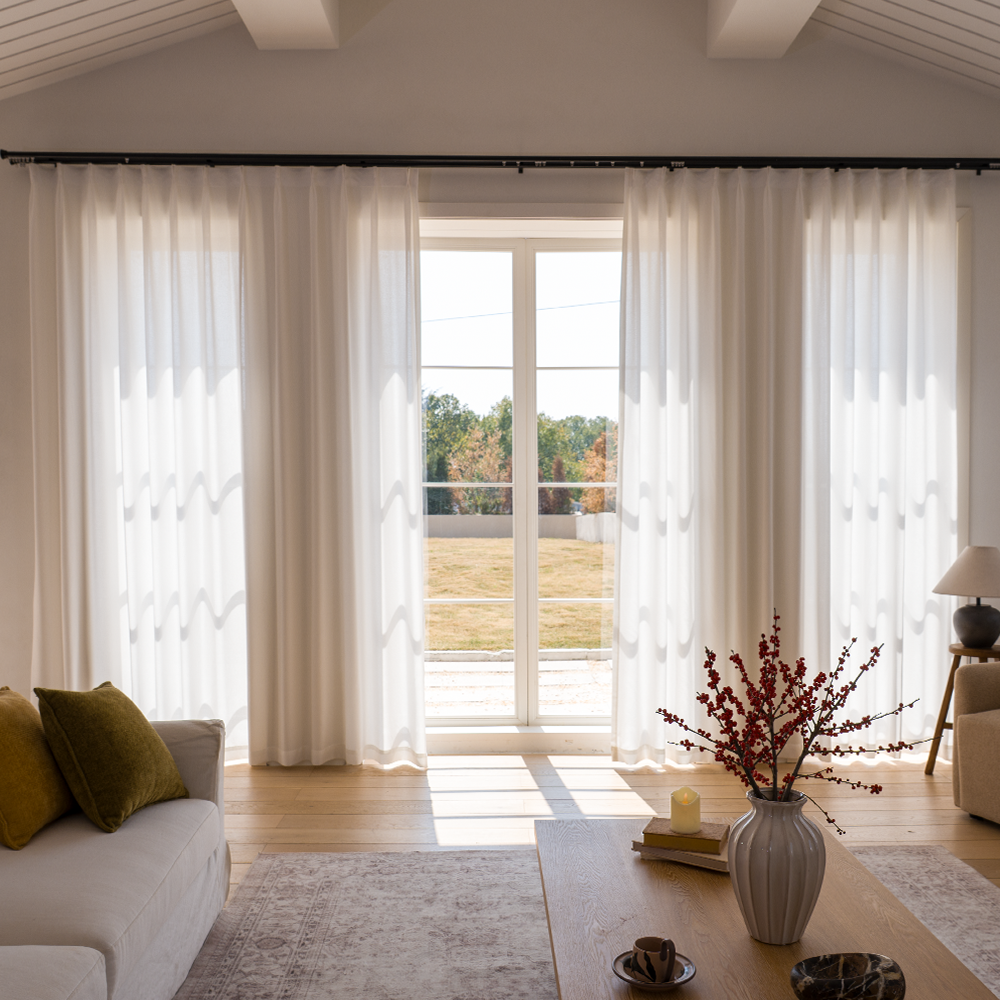
- 60-90 GSM plain polyester voile: the high-volume sheer for supermarkets and platform retail. Airy, inexpensive, translucent.
- 90-110 GSM linen-look polyester: a touch more body and a linen hand, washable and durable – the mid-market DTC workhorse.
- Embroidered and patterned sheers add visual weight without much GSM, so they still hang light.
At this weight, fullness matters more than ever: a 2.0-2.5x fullness ratio is what makes a light sheer look rich rather than skimpy. If you are sourcing sheers, our curtain fabric manufacturer guide covers the roll widths and MOQs that apply.
Mid-Weight (110-200 GSM): Linen, Linen-Blend, Jacquard
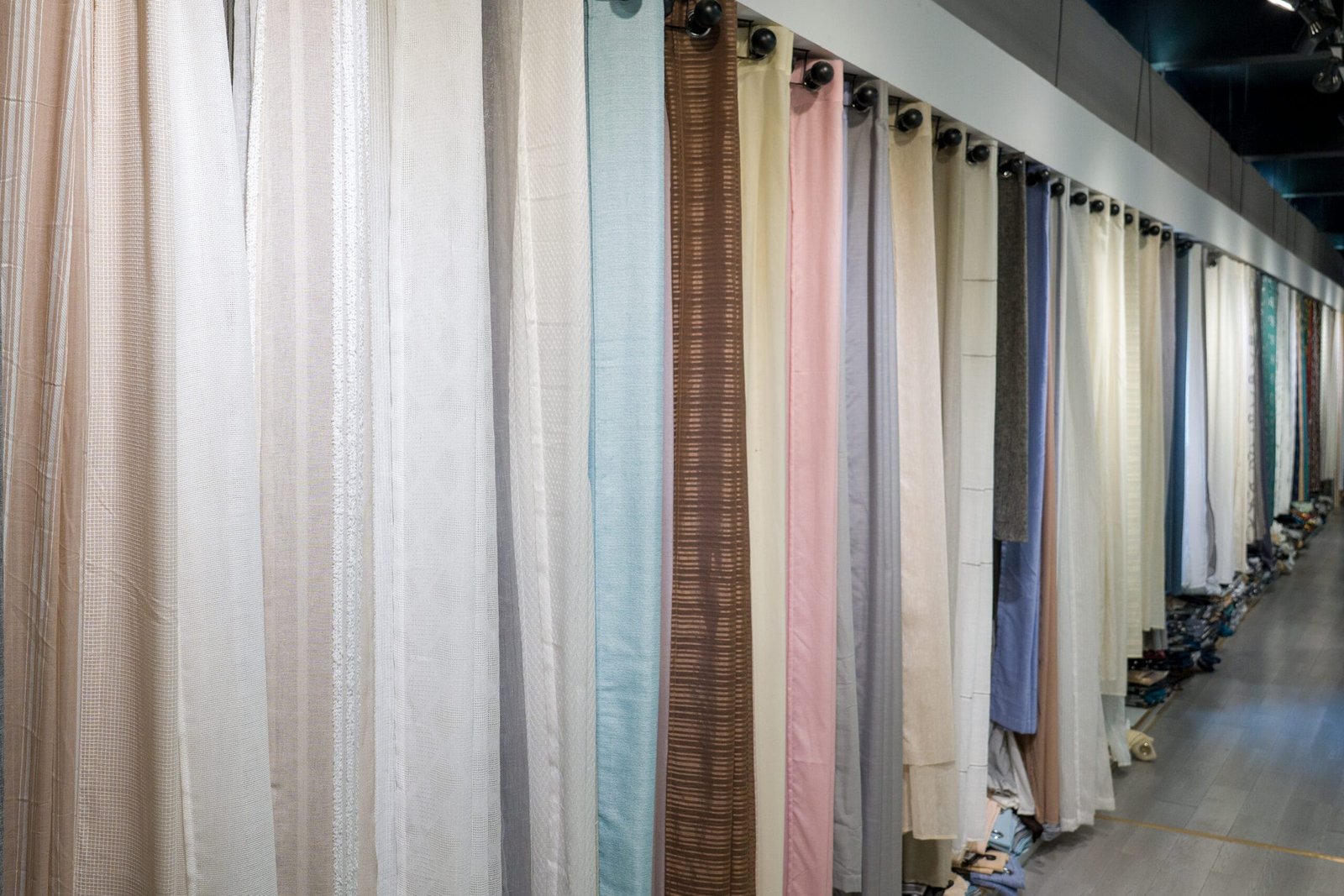
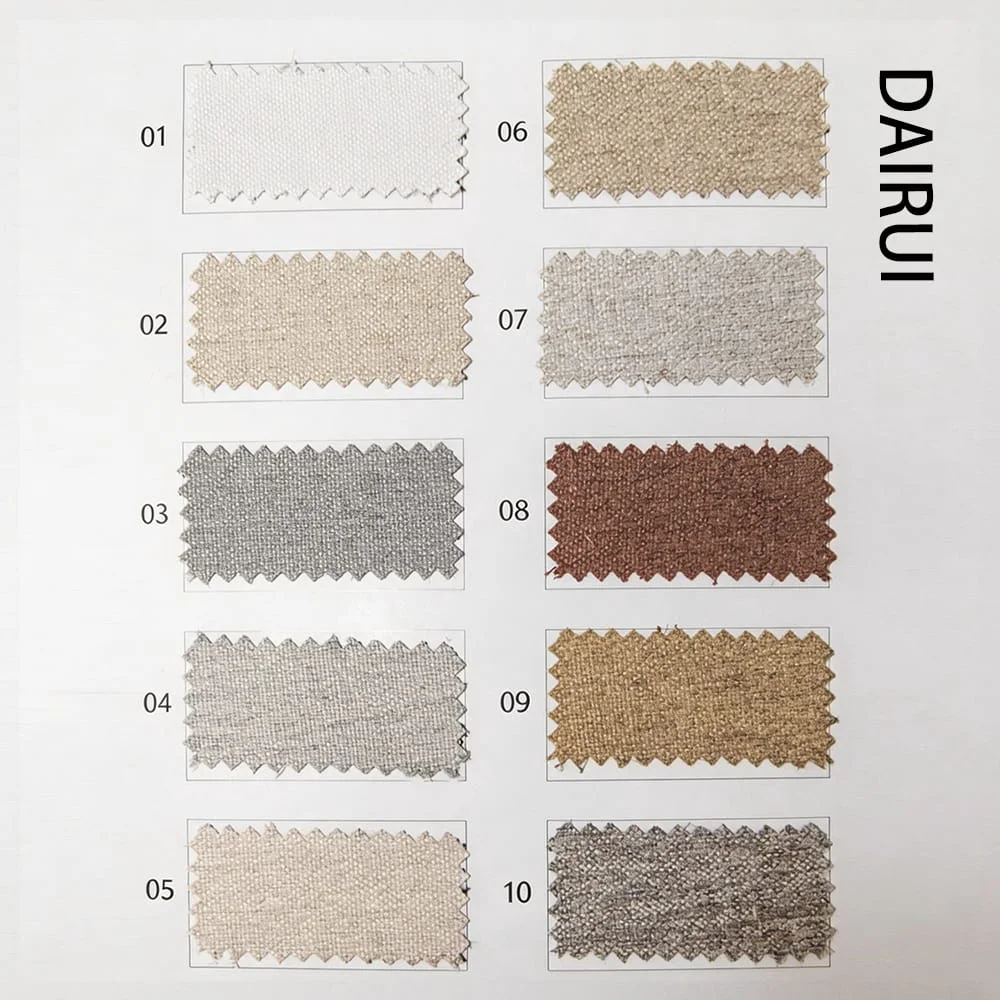
Mid-weight fabrics are the day-curtain sweet spot: enough body to hang in clean folds and filter light, without the heft and freight cost of blackout. Linen-blend and 100% linen at 110-150 GSM give the natural, slightly textured drape premium DTC and ANZ markets pay for. Jacquard and cotton-feel wovens at 150-200 GSM add pattern and structure for decorative programs.
This band is where hand-feel sells. Buyers in Canada and Australia in particular favor the heavier linen weights for their fall and opacity in daylight. Because these fabrics are not blackout, pair them with a separate blackout lining when a room needs darkening – the lining is specified separately and does not change the face fabric’s GSM or look.
Heavy Fabrics (200-400 GSM): Blackout and Velvet
Heavy fabrics deliver darkness, insulation, and a luxury fall – and carry the most weight per meter, which affects your freight. Two families dominate: For cold-climate ranges, read sourcing thermal curtains.
- Blackout 200-300 GSM: coated (99-100% light block) or triple-weave woven black-yarn (95-99%). Construction, not GSM, decides the exact darkness.
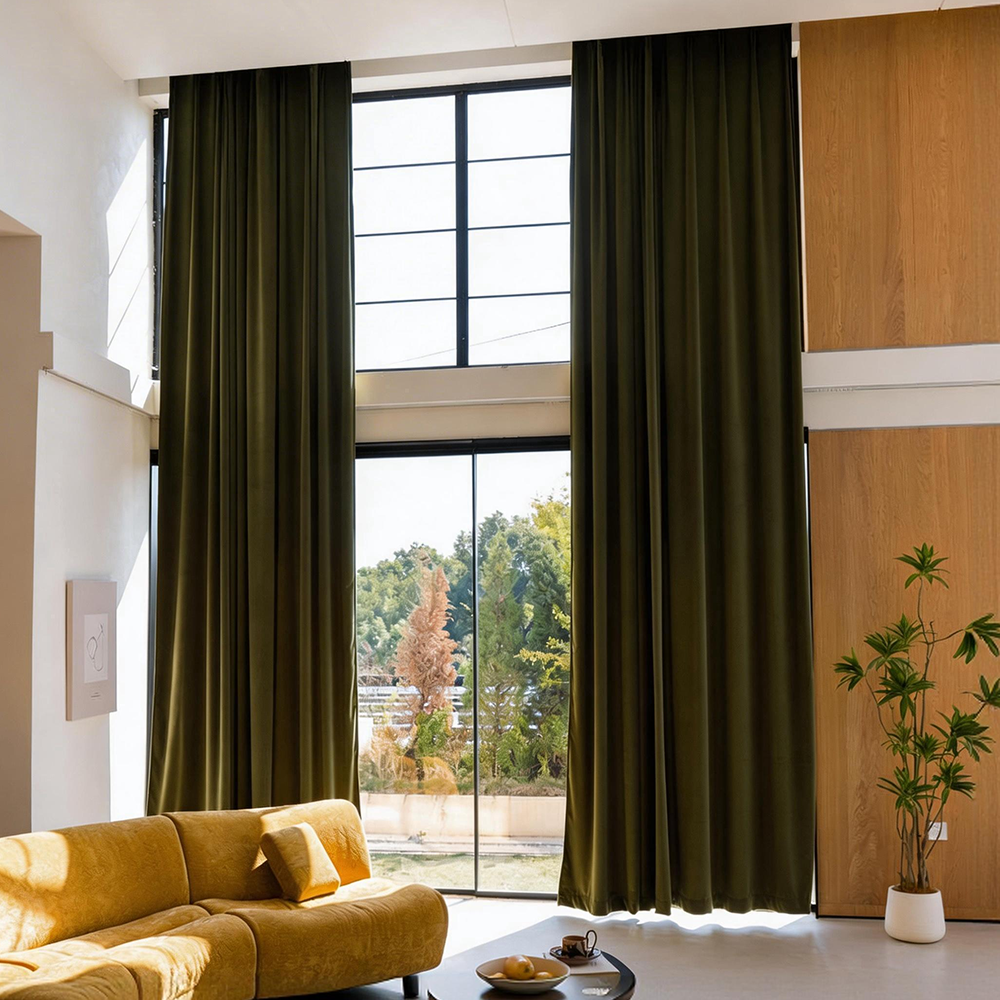
- Velvet 180-400 GSM: single-layer (50-60% block, decorative) up to coated/composite velvet (100% block, up to 400 GSM).
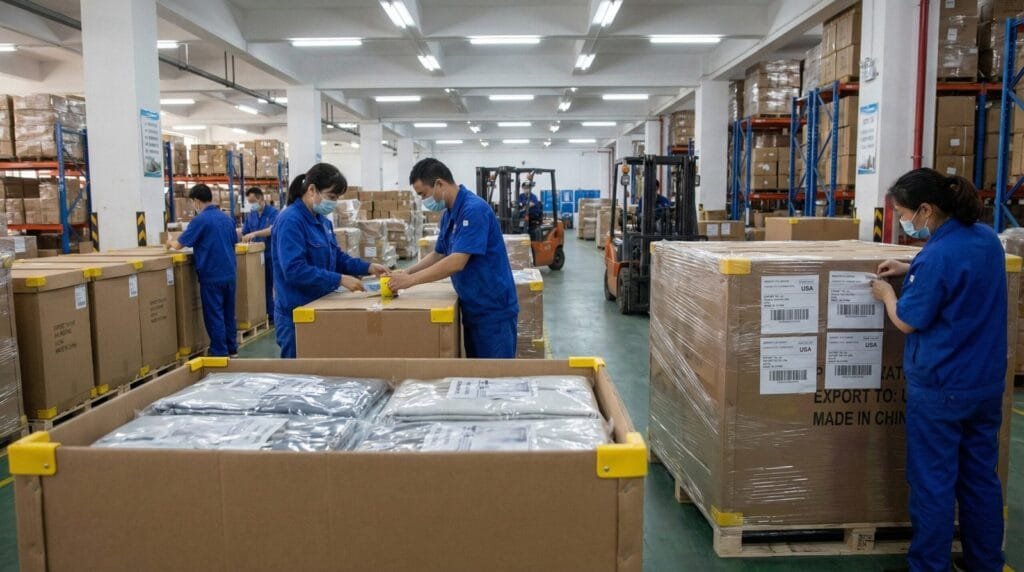
At 300-400 GSM you reach composite blackout and coated velvet – the home-theater and premium-hotel tier where total darkness and a heavy, insulating drape are the point. Just remember the freight trade-off: heavier fabric means fewer meters per container and a higher landed cost, so confirm the loading quantity (see our container loading and CBM guide) before you commit to the heaviest option when a mid-weight would serve.
How to Spec GSM for Your Market and End Use
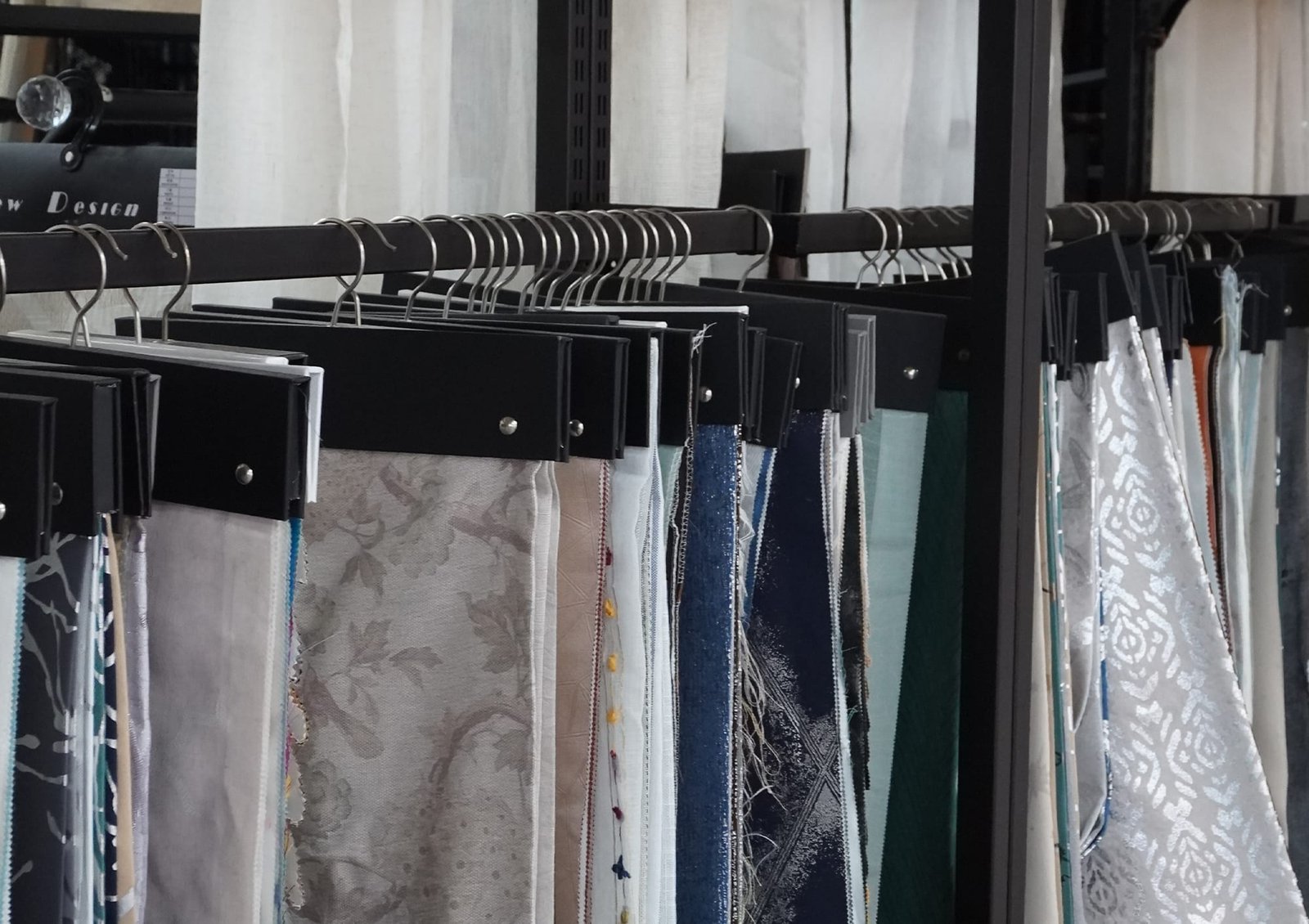
Turn the bands into a decision in four steps:
- Start with the job, not a number. Diffuse daylight -> 60-110 GSM. Decorative day curtain -> 110-200 GSM. Darken or insulate -> 200-400 GSM.
- Match GSM to your market. Volume retail rewards lighter, cheaper voile; premium DTC and ANZ buyers pay for heavier linen; hotels and home theater need the top band for blackout and durability.
- Separate weight from darkness. Never spec a heavier fabric hoping for more light block. Set the construction for the darkness you need (coated, triple-weave, lined), then use GSM to tune drape and durability.
- Confirm the tolerance and freight. Ask for the GSM tolerance (typically a few percent either way) and the per-container loading, because heavier fabric raises your landed cost per panel.
Buying the fabric itself by the roll or as finished panels is a separate decision – our guide on curtain fabric from China: roll supply or OEM finished covers that path.
Frequently Asked Questions
What does GSM mean for curtains?
GSM is grams per square meter – the weight of one square meter of the fabric. It predicts drape, body, durability, and shipping weight. Lower GSM is lighter and airier; higher GSM is heavier with more fall. It does not, by itself, determine light block or quality.
What is a good GSM for curtains?
It depends on the job. Sheers sit at 60-150 GSM, linen and linen-look day curtains at 90-150 GSM, decorative wovens at 150-200 GSM, and blackout or velvet at 200-400 GSM. There is no single best number – match the GSM to the end use and market.
Does a higher GSM mean better quality?
No. Higher GSM means heavier, not better. A well-woven, well-finished 90 GSM voile can outperform a poorly made 200 GSM fabric. Quality comes from the weave, fiber, and finishing; GSM only tells you the weight class.
What GSM is best for blackout curtains?
Blackout fabrics are typically 200-350 GSM, but the weight does not set the darkness – construction does. A 220 GSM 3-pass coated fabric blocks more light than a 300 GSM single-layer weave. Choose the construction for the light block you need, then use GSM for drape and durability.
What GSM should sheer curtains be?
Sheers run 60-150 GSM across three tiers: 60-90 GSM plain polyester voile for volume retail, 90-110 GSM linen-look for mid-market DTC, and 110-150 GSM linen-blend or linen for premium markets. Pair a light GSM with a 2.0-2.5x fullness ratio for a rich look.
Does fabric GSM affect shipping cost?
Yes. Heavier fabric weighs more and takes more volume per meter, so a high-GSM order fits fewer meters in a container and raises the landed cost per panel. When a mid-weight fabric serves the purpose, it can lower freight versus the heaviest option – confirm the per-container loading on your quote.
Bottom Line
GSM is the dial for how a curtain feels and performs, not a grade for how good or how dark it is. Sheers belong at 60-150 GSM, day curtains at 90-200 GSM, and blackout or velvet at 200-400 GSM – but always set construction for light block first and use GSM to tune drape, body, durability, and freight. Spec the band that fits the end use and market, confirm the GSM tolerance and container loading, and you will price and ship fabric with no surprises.
Last reviewed: 2026-06. Author: DAIRUI Sourcing Desk.
Related reading: silk curtains.
Explore Our Curtain Fabric Guides
- How to Choose Curtain Fabrics for Different Market Segments
- Cotton Curtains: Wholesale Buying Guide for Retailers
- Linen Curtains Wholesale: A B2B Sourcing Guide for Faux & Real Linen
- Sheer Curtains Wholesale: A B2B Sourcing Guide (Types, GSM, MOQ & Customization)
- How to Choose Sheer Curtains: Trends and Custom Options
- Velvet Curtains Wholesale: A B2B Sourcing Guide (Types, GSM, Pile & MOQ)
- What Are Net Curtains? Key Features and Difference with Voile
- Jacquard vs Printed vs Embroidered Curtains: Buyer Guide
- Curtain Lining Types: Blackout, Thermal & Interlining Sourcing Guide