Bottom line: Pinch pleat costs 15–20% more at the factory than grommet (uses 2.5–3.0× window width vs 2.0×), runs 3.5 vs 2 days per 200-piece batch, and loads 12,000 vs 16,000 panels per 40HQ container. E-commerce return rates run 3–5% on grommet, 8–12% on pinch pleat. Grommet wins Amazon/Shopify mass retail ($25–60/panel); pinch pleat wins hotel and premium projects ($45–120/panel).
For curtain wholesalers, retailers, and DTC brands, the choice between grommet and pinch pleat header styles isn’t a design preference — it’s a commercial decision that affects your unit cost, freight cost, return rate, and which retail channels you can actually sell into.
This guide compares the two from a factory perspective. We’re a curtain manufacturer in Shaoxing, Zhejiang, and we produce both styles across DTC private-label, hotel project, and wholesale orders. The numbers below are real production data — not retail marketing claims. If you want the full picture of all 8 heading styles, see our complete guide to curtain heading styles.
The 8 Differences That Actually Matter
Most articles compare grommet vs pinch pleat on “look and feel.” For B2B buyers, those aren’t the differences that determine your margin. These are.
| Dimension | Grommet | Pinch Pleat |
|---|---|---|
| Factory unit cost | Base | +15–20% |
| Fabric usage (per panel) | 2.0× window width | 2.5–3.0× window width |
| Production time (200-pc batch) | ~2 days | ~3.5 days |
| Container loading (40HQ) | ~16,000 panels | ~12,000 panels (-25%) |
| Retail price range (US) | $25–60 / panel | $45–120 / panel |
| Return rate (e-commerce) | 3–5% | 8–12% |
| Track / rod required | Standard curtain rod | Specialty pleat track + hooks |
| Best-fit channel | Amazon, Shopify, mass retail | Hotel projects, interior design, premium retail |
Grommet: Built for Volume Retail

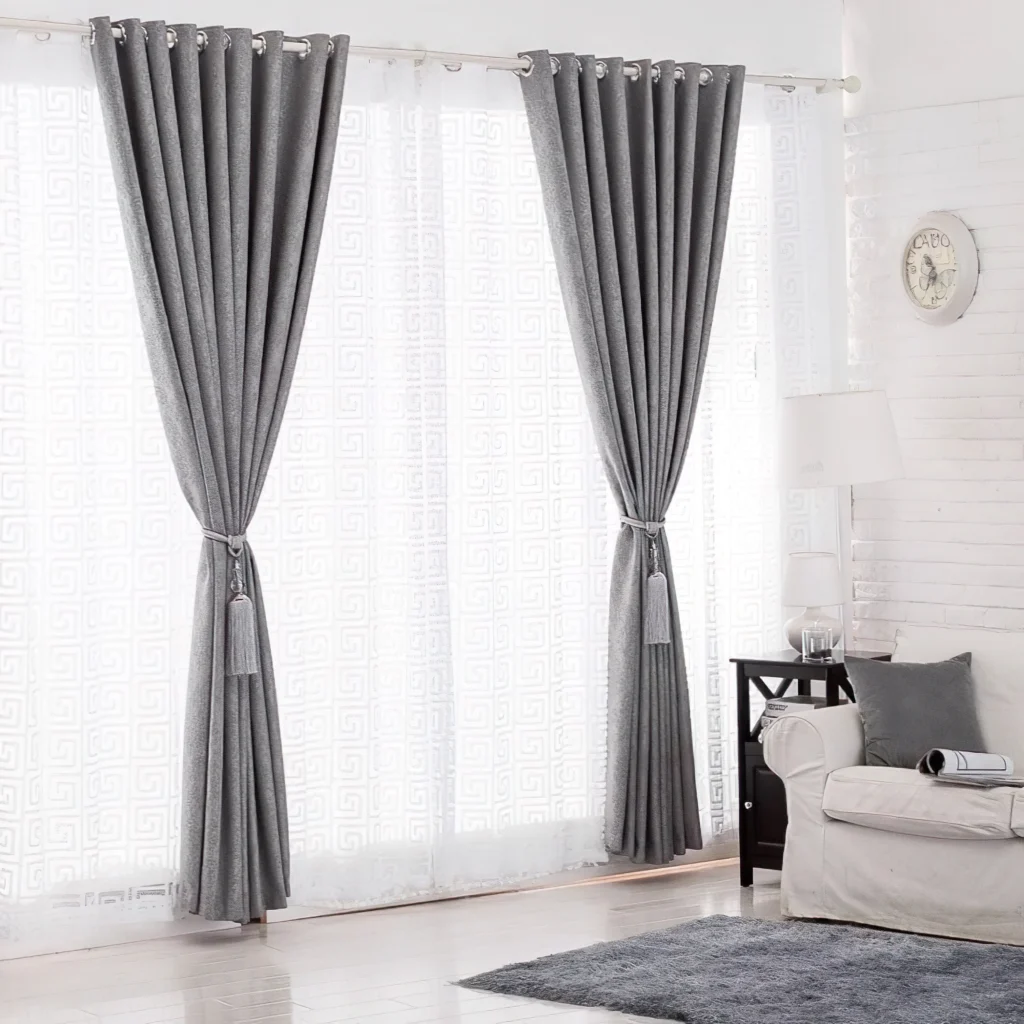
Grommet curtains (also called eyelet) feature metal rings punched directly into the curtain header. Our standard spec: 4 cm inner diameter rings, 15 cm spacing, 8–10 rings per 132 cm wide panel. Rings are typically brushed nickel, matte black, antique brass, or color-matched on request.
Production-wise, grommet panels run faster than any other heading style. A 200-piece batch at our factory takes about 2 days from cut fabric to packed cartons — versus 3.5 days for the same volume in pinch pleat. That difference compounds at scale.
Why grommet wins for B2C e-commerce
- Photographs cleanly. The straight top edge and uniform ring pattern look consistent across product photography, which matters on Amazon listings and Shopify category pages.
- Returns are 3–5% in our experience. Customers know exactly how they’ll hang. Few surprises after unboxing.
- Standardized sizing works. Our DTC half-custom menu covers 52″×84″, 52″×96″, 52″×108″, 52″×120″ — and grommet is the default. Polybag packaging with FNSKU label fits Amazon FBA receiving requirements directly.
- Fits lightweight to medium fabric (200–280 gsm). Sheers, faux linen, blackout-coated polyester — all work. Velvet at 280+ gsm and above benefits from pleat structure instead.
Where grommet doesn’t fit
- Hotel projects. NFPA 701-compliant hotel installations almost universally specify pinch pleat with track systems. Grommet rod-and-ring setups are rare in hospitality FF&E specs.
- Heavy velvet (300+ gsm). The fabric weight pulls grommets out of true over time. Pinch pleat distributes load through hooks and pleat structure.
- Bay windows and curved tracks. Grommets need straight rods. Pinch pleat with carrier hooks handles curves smoothly.
Pinch Pleat: Built for Premium Projects

Pinch pleat curtains are hand-sewn with gathered pleats at the top — single (1.5×), double (2.0×), or triple (2.5×) fullness. Each pleat group is reinforced with buckram interlining and bartack stitching. Drape hooks (4-prong or 8-prong) attach to a specialty pleat track, not a rod.
This is where the 15–20% cost premium comes from: more fabric (2.5–3.0× window width vs grommet’s 2.0×), more sewing time per panel, buckram material, and quality-check time to ensure pleat geometry is consistent.
Why pinch pleat wins for hospitality and premium retail
- Hotel FF&E specs default to pinch pleat. Our largest hospitality project to date — a 600-room installation in North America — specified triple-pleat blackout with FR-treated polyester on ceiling-mounted track. Standard procurement language in this category assumes pleat construction.
- Higher retail price tolerance. US retail prices for pinch pleat panels run $45–120 versus grommet’s $25–60. The pleat construction signals premium positioning without changing the underlying fabric.
- Handles heavy fabric. Velvet (280+ gsm), jacquard, double-layer composite blackout, and lined drapes all drape better in pleated form. The pleat structure carries the weight; the rod doesn’t.
- Custom dimensions are standard. Pinch pleat is sewn-to-order, so non-standard widths and drops are routine. Grommet’s standardized sizing is an advantage for retail volume but a constraint for project work.
The hidden cost: returns in e-commerce
Pinch pleat return rates on Amazon and Shopify typically run 8–12% — versus 3–5% for grommet. The reason: pleats need to be hand-arranged after unpacking, and consumer photography expectations don’t always match reality. Customers expect the panel to look like the studio shot, but actual results depend on humidity, ironing, and pleat-arranging skill.
For DTC brands, this means pinch pleat works best when (a) your AOV is $80+, (b) your product photography shows real installed conditions, and (c) your customer service team is prepared to walk new buyers through pleat arrangement.
Freight Math: 25% Fewer Panels Per Container
This is the number most B2B buyers miss when comparing quotes.
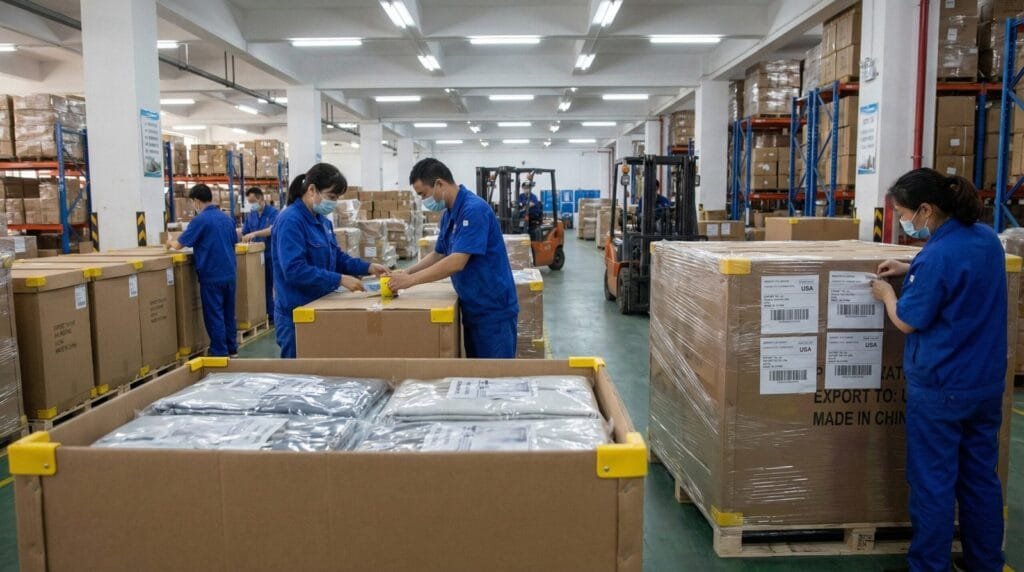
A 40HQ container holds roughly 16,000 grommet panels in standard 132 cm × 213 cm size, packed in polybags inside reinforced master cartons. The same container holds about 12,000 pinch pleat panels — a 25% reduction. The reason: pleated headers don’t compress flat. They keep their fold geometry even when stacked, which adds volume.
At current ocean freight rates ($2,800–4,200 per 40HQ Ningbo to US West Coast), that 25% difference translates to roughly $0.20–0.35 per panel in extra freight cost for pinch pleat orders. On a 5,000-piece bulk order, that’s $1,000–1,750 in landed cost that won’t show up on the factory quote.
Regional Demand Patterns
From 12 years of order data, the regional split is consistent enough to plan around:
- North America (US/Canada DTC): ~70% grommet, ~20% pinch pleat, ~10% other (tab top, back tab). Amazon and Wayfair sell grommet heavily; pinch pleat sells through Pottery Barn, RH, and design-led independent stores.
- Australia and New Zealand: Pinch pleat (often single or double) holds 50%+ share, especially in residential. Track systems are common; rod-based grommet is a smaller share than in the US.
- UK and EU: Pencil pleat dominates traditional retail, but grommet is growing share in modern retail and IKEA-style mass market. Pinch pleat sits in the premium/curated middle.
- Middle East hospitality: Almost exclusively pinch pleat or wave/ripplefold for hotel projects, with FR-treated or inherently FR (IFR) polyester.
Buyer Decision Framework

Choose grommet if:
- You’re selling on Amazon, Shopify, or mass retail under $60/panel
- You need standardized sizing for FBA / 3PL fulfillment
- Your fabric is sheer, faux linen, or coated blackout under 280 gsm
- Your customer base prioritizes easy install over premium drape
Choose pinch pleat if:
- You’re supplying hotels, design firms, or premium retail above $60/panel
- Your fabric is velvet, jacquard, or heavy lined drapery
- Your project specifies tracks or non-standard window widths
- You can absorb a 25% lower container yield in your freight planning
Or do both:
Most of our mid-to-large DTC partners carry both. Grommet handles their entry-tier and Amazon listings; pinch pleat positions their premium SKUs on their own Shopify store at higher AOV. The fabric library stays the same — only the heading style and packaging differ. This is the operational logic behind our private label service: shared fabric inventory, multiple finished SKU variants per fabric. A third route for premium track-based lines is the wave heading — see our guide to wave top curtains.
Production at Dairui
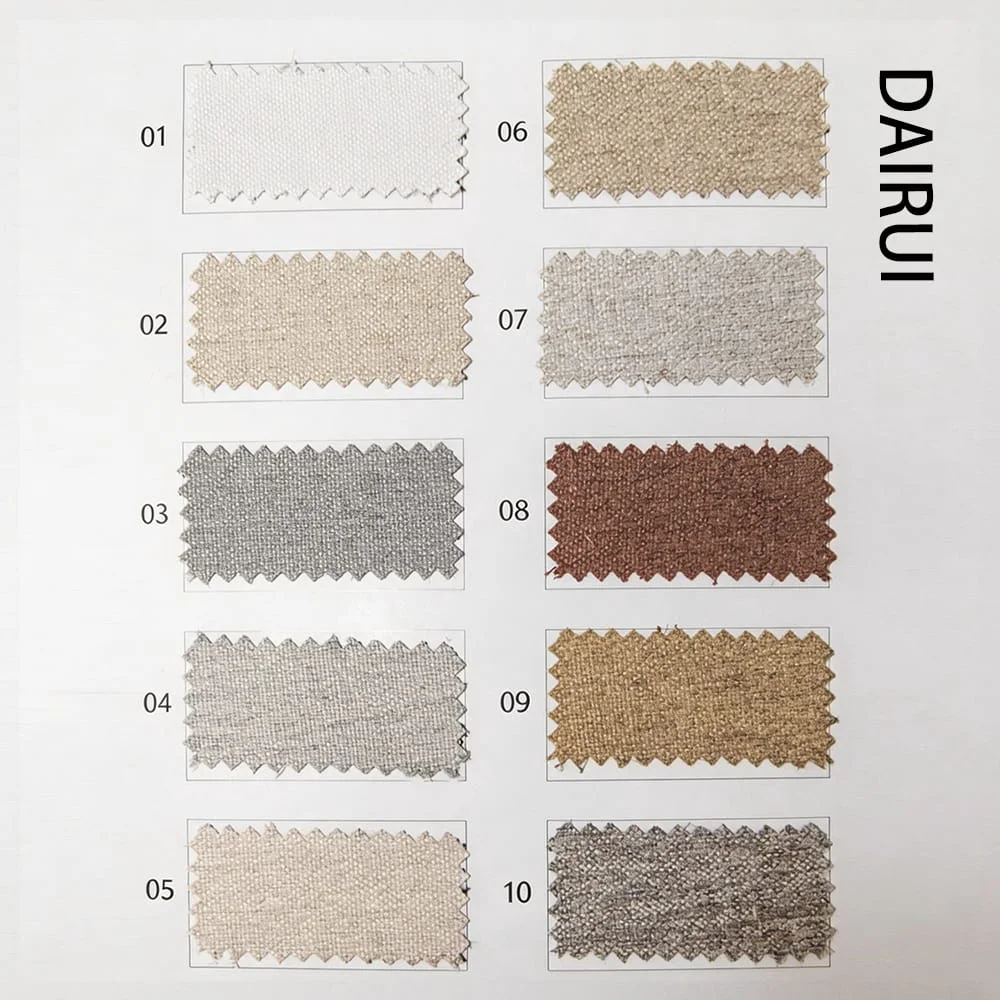
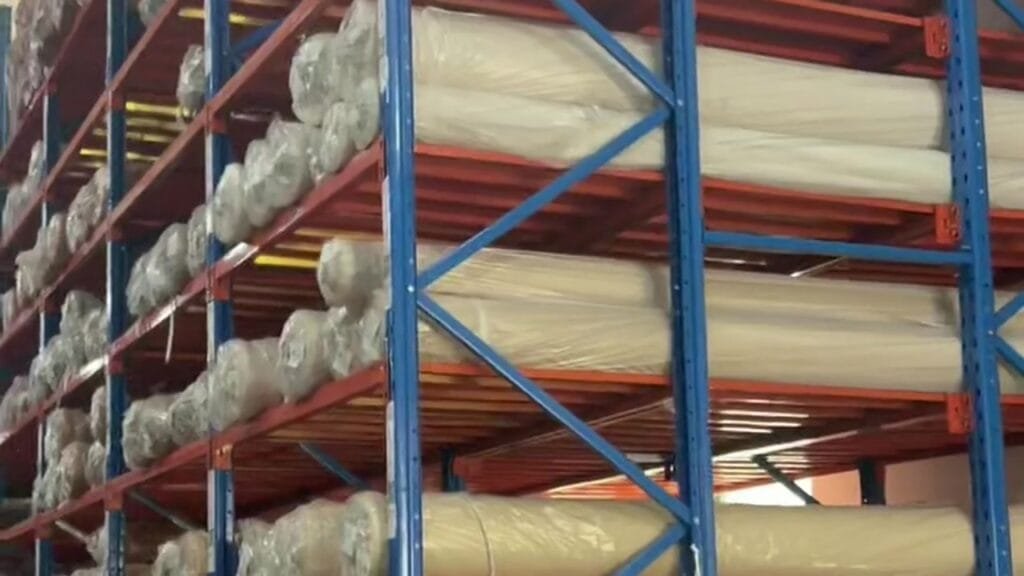
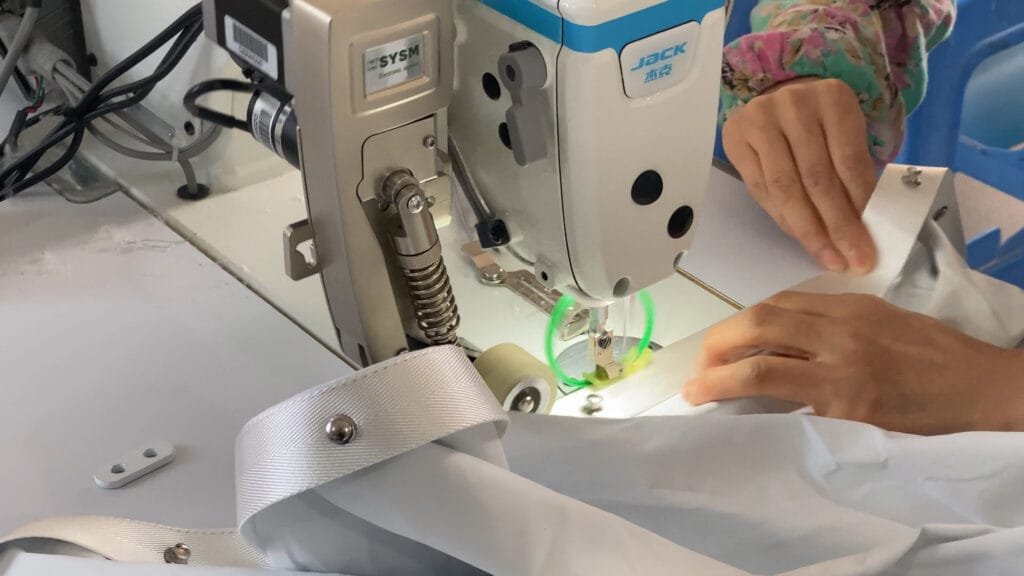
We manufacture both heading styles in our 10,000 m² Shaoxing facility, operating since 2014 with 100+ in-house staff. Our fabric library covers polyester, velvet, faux linen, blackout, sheer, and FR-treated and IFR polyester — meaning the same fabric can be cut and sewn into either grommet or pinch pleat depending on your channel.
MOQ for in-stock fabrics: 50–100 pieces trial, 200 pieces standard per style and color. For custom-woven fabrics, 800–1,000 meters minimum. Sample turnaround: 3–5 working days. Bulk lead time: 30+ days from deposit confirmation. On-time delivery over the past 12 months: 98%.
If you’re planning your next curtain order and want to evaluate both heading styles side-by-side, request samples — we’ll send fabric swatches with both grommet and pinch pleat finishing so you can feel the construction difference before committing. For OEM/ODM and wholesale inquiries, see our manufacturing service page or contact us directly.
Last reviewed: May 2026 · DAIRUI Editorial Team · Production data from a Shaoxing curtain factory, Yuecheng District, Zhejiang Province.
Related heading styles: compare tab top curtain construction, ripplefold vs S-fold heading.
Related reading: curtain heading types and curtain width guide.