Bottom line: You can switch curtain suppliers without losing spec or quality if you treat it as a controlled migration, not a clean break. Build a full spec handover pack, re-approve a pre-production sample with the new factory, overlap your orders so you never run dry, and bridge dye lots to keep reorder color consistent. Expect to re-pay for sampling and sometimes re-testing — budget 3 to 6 weeks of transition before the first clean bulk run.
First, count the real cost of switching
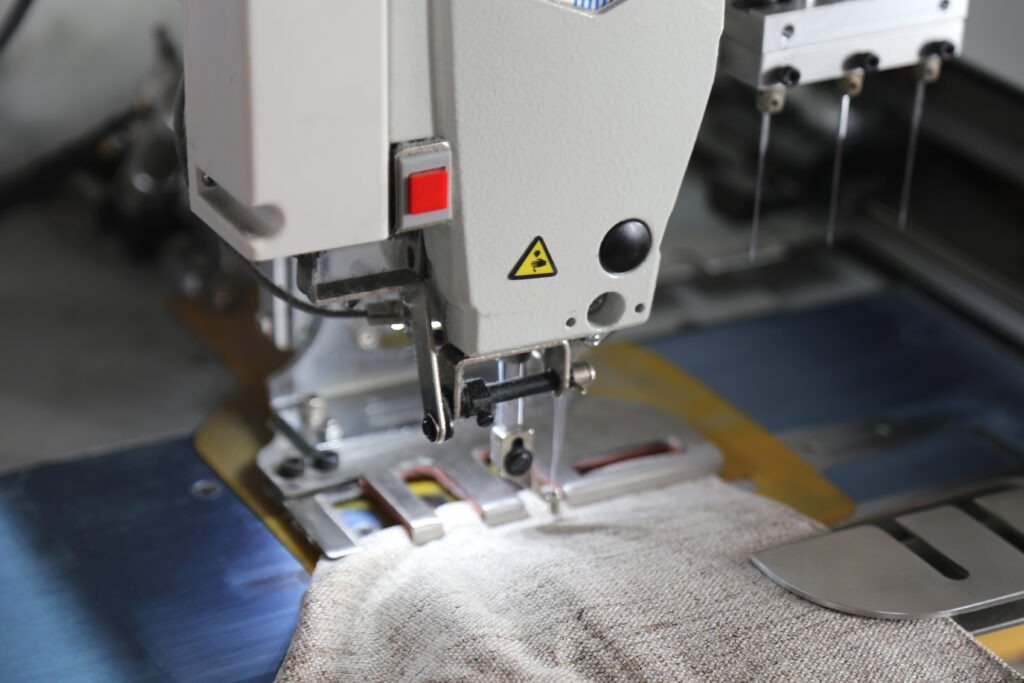
Changing factory is rarely free, and pretending it is will sink the transition. A new supplier resets the parts of the relationship you already paid to build: you re-sample, you may re-test for certifications under the new mill’s fabric, and you often reset to that factory’s minimum order quantity instead of the volume pricing you’d earned over time.
None of that means you should stay with a supplier who keeps slipping lead times, letting quality drift, or creeping the price. It means you go in with eyes open. The buyers who switch badly are the ones who cut the old factory loose first and scramble to qualify a new one under deadline pressure. The buyers who switch well run the two in parallel and only cut over once the new line has proven itself.
If you are still at the stage of comparing candidates rather than migrating, start with our guide on how to find an actual curtain manufacturer and the difference between a supplier and a factory. This guide picks up where those leave off — when you already have a supplier and need to move off them cleanly.
Step 1 — Build a spec handover pack before you talk price
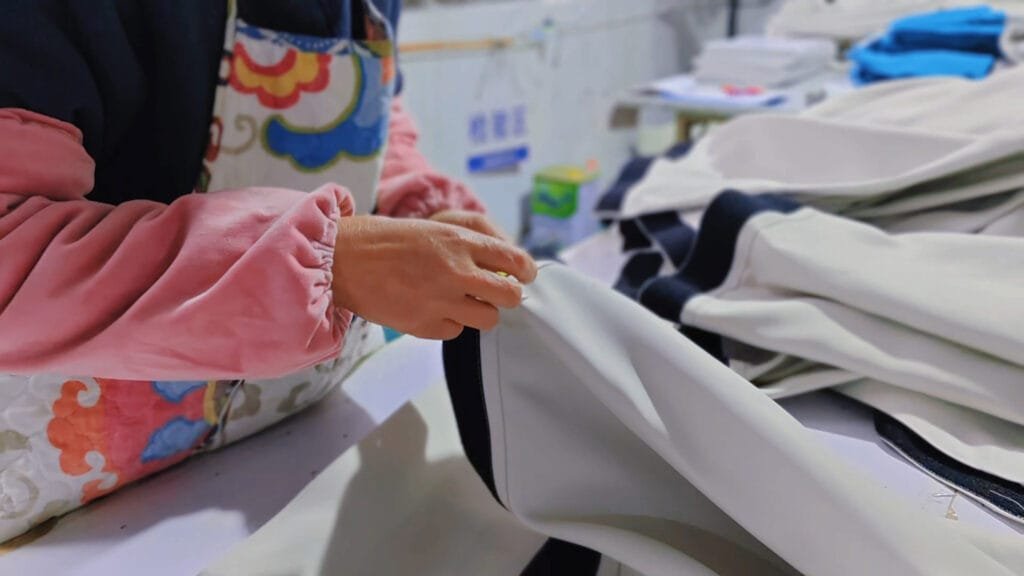
The single biggest cause of quality loss in a switch is an incomplete brief. Your old supplier holds knowledge that never made it onto paper — the exact header tape, the hem weight, the wash recipe, the dye target. Before you approach anyone new, assemble a spec handover pack that captures all of it.
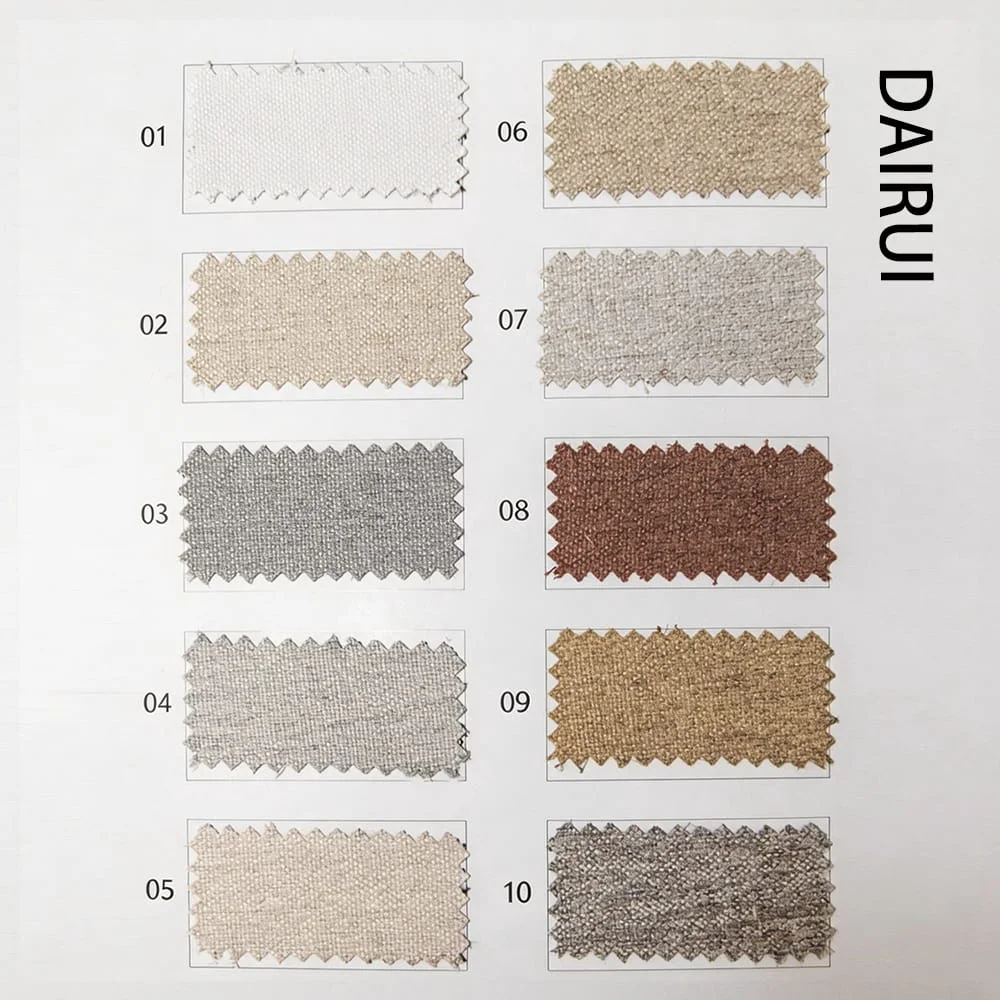
At minimum it should contain: a full tech pack (fabric, GSM, width, drop, header style, hem, lining, finishing); a physical approved sample or pre-production sample from the current supplier; your color targets as Pantone references plus a physical dye-lot swatch; and copies of any test certificates so the new factory knows what standard the fabric must meet.
A physical sample matters more than any document. Specs on paper leave room for interpretation; a sewn panel does not. Send the new supplier the actual curtain you want matched, not just a spec sheet, and ask them to quote against it.
Step 2 — Qualify the new supplier in parallel
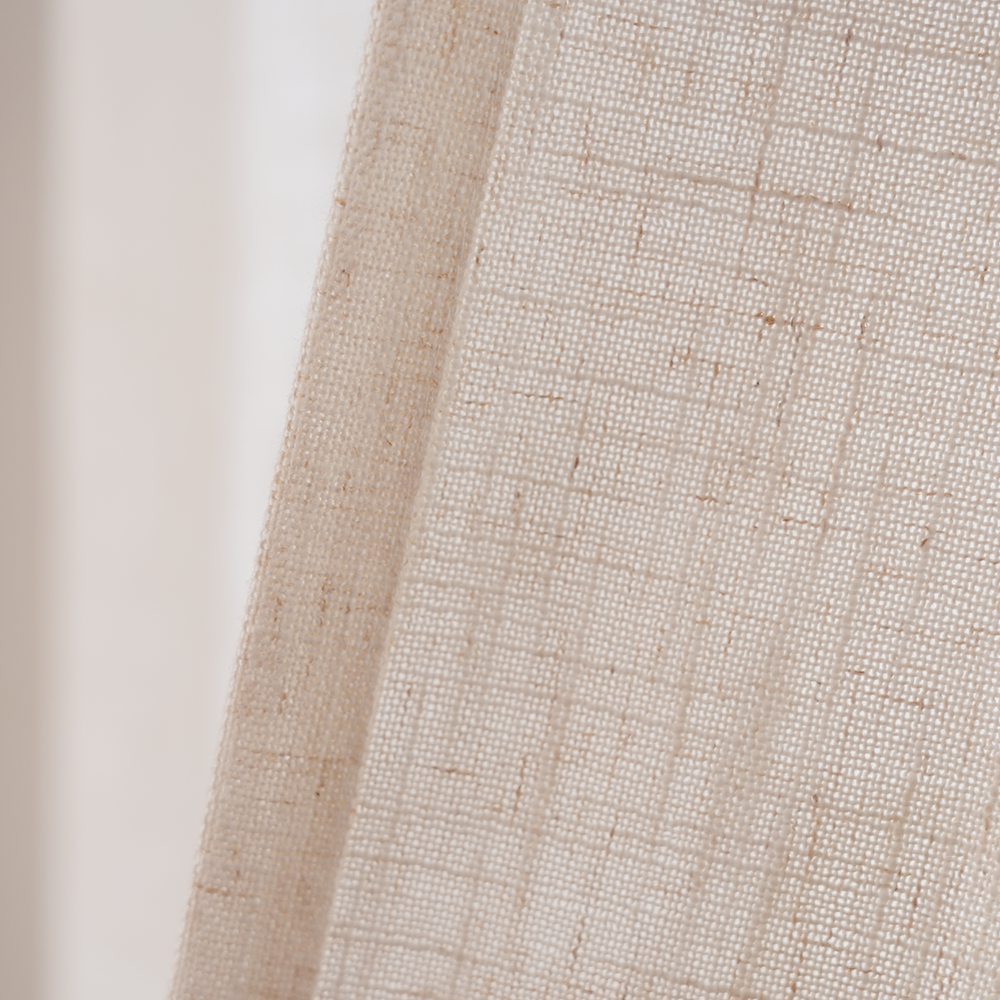
Run the qualification while your current supplier is still shipping. This is what removes the deadline pressure that causes bad switches. Keep ordering from the old factory on your normal cadence, and treat the new one as a candidate that has to earn the business.
Qualify on the same fundamentals you’d use for a first sourcing: a factory walkthrough video, two recent buyer references in your market, a verifiable business license, and a clear answer on which fabric mill they use. The mill matters — if the new factory sources the same base fabric your old one did, your color and hand-feel match gets far easier. For the full checklist, see our guide on how to source curtains from China.
Be direct that you are switching, not starting from zero. A serious factory will treat a buyer with an existing program and a clear spec pack as a high-value prospect and put their better engineers on your sample.
Step 3 — Re-approve a PPS before any bulk

Never let a new supplier’s first run be your production order. Have them produce a pre-production sample (PPS) to your handover pack, then compare it side by side with the approved sample from your old factory under daylight and store lighting. Check color, GSM, header construction, hem, stitching, and blackout or sheer performance.
Only when the PPS matches in writing does it become the contractual reference for bulk. This is the same discipline that protects any new order, covered in our breakdown of how curtain sampling works. Skipping it is how buyers discover a mismatch after 2,000 panels are already sewn.
Step 4 — Overlap orders so you never run out
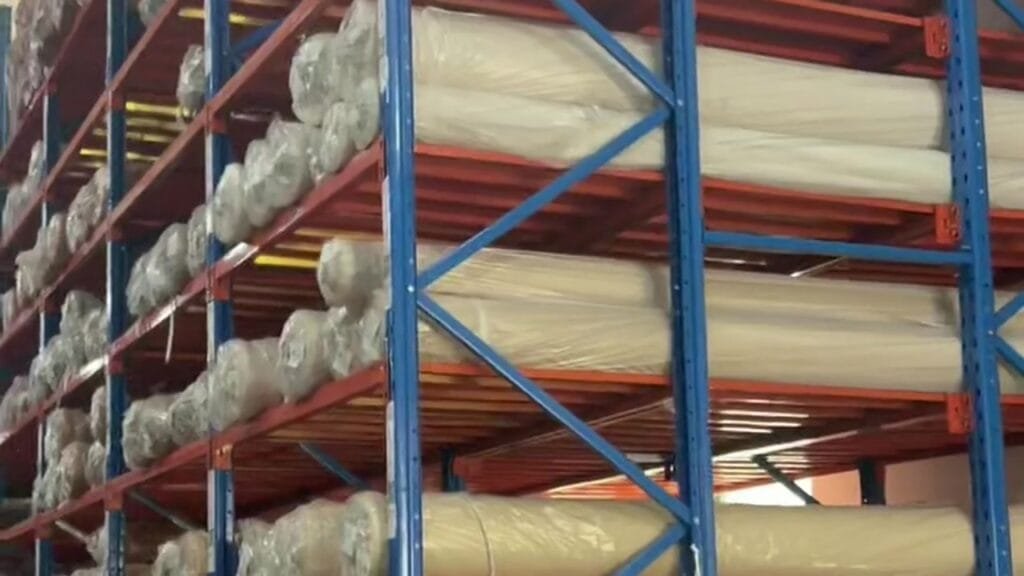
The most expensive switching mistake is a stock gap. To avoid it, place one last buffer order with your old supplier sized to cover the transition window, and time the new factory’s first bulk to land before that buffer runs out. You are paying to hold a little extra inventory; you are buying insurance against an empty shelf during cutover.
Map it backwards from the date you need clean stock. A new supplier’s first bulk realistically takes 25 to 30 days of production plus shipping, and the PPS cycle adds time at the front. Build that whole runway into your buffer order so you are never choosing between an empty warehouse and an unproven run.
Step 5 — Bridge dye lots for reorder consistency
A new factory means a new dye lot, and that is where customers notice a switch — two panels of the same SKU that don’t quite match on the wall. Bridge it deliberately. Give the new supplier a physical swatch from your current production as the dye target, not just a Pantone code, and ask them to hold an approved dye reference for future reorders.
For SKUs sold as sets or used in projects where panels hang together, plan the cutover at a natural break — a new collection drop, a new season, or a project boundary — so the lot change doesn’t land in the middle of a single installation. Managing color across batches is a discipline in itself; the same logic applies whether you switch suppliers or simply reorder.
Step 6 — Exit the old supplier cleanly
Close the old relationship properly so it can’t come back to bite you. Settle the final balance, and make sure you recover anything that is yours: branded packaging dies, printing plates, custom tooling, and any consigned fabric or trims. Confirm in writing who owns custom artwork and prints — this is where a weak initial contract shows up.
If you private-label, check that your old supplier can’t continue running your design for other buyers. The leverage to enforce that is strongest while you still owe a final payment, so handle ownership and exclusivity before the last invoice clears. For the MOQ and cost realities you’ll face resetting with the new factory, see our private label MOQ and cost breakdown.
Frequently asked questions
How long does it take to switch curtain suppliers?
Budget 3 to 6 weeks of transition before your first clean bulk run, then 25 to 30 days of production plus shipping. The front end is sampling: a pre-production sample and approval cycle typically takes 1 to 3 weeks. Running qualification in parallel with your existing supplier keeps the switch from creating a stock gap.
Will my product quality drop if I change factory?
Only if you switch on an incomplete brief. Quality holds when you hand over a full spec pack plus a physical approved sample, require a matching pre-production sample before bulk, and inspect the first run against it. Most quality loss in a switch comes from undocumented details the old factory knew but never wrote down.
How do I keep colors consistent when switching suppliers?
Give the new factory a physical swatch from current production as the dye target, not just a Pantone reference, and have them hold an approved dye lot for future reorders. Time the cutover at a natural break such as a new collection or season so a dye-lot change doesn’t fall in the middle of one installation.
Should I tell my old supplier I’m leaving?
Place your final buffer order normally and keep the relationship professional until cutover is complete. Settle the balance and recover your tooling, dies, and artwork before you announce the exit. Burning the bridge early can cost you a buffer shipment or the return of property that is legally yours.
Do I have to re-do certifications with a new supplier?
Often yes, because certificates are tied to a specific fabric and mill. If the new factory sources the same base fabric, you may be able to reuse the mill’s certificate; if the fabric changes, plan to re-test for standards like flame retardancy. Confirm the certificate scope in writing before you commit to bulk.
Can I run two curtain suppliers at the same time?
Yes, and during a switch you should. Running both in parallel lets the new factory prove itself on a real order before you commit, and removes the deadline pressure that causes bad cutovers. Some buyers keep a dual-supplier setup permanently to protect against lead-time risk and price leverage.
Bottom line for your transition
Switching curtain suppliers is safe when it is staged. Document everything the old factory knew, qualify the new one while the old one still ships, prove a pre-production sample before bulk, overlap orders to cover the gap, bridge your dye lots, and exit cleanly with your tooling and artwork in hand. Do it in that order and you change factories without your customers ever noticing — except in the lead times, quality, or price that made you switch in the first place.
DAIRUI Sourcing Desk — curtain OEM and private-label manufacturing for importers and brands. Last reviewed: 2026-06.