Bottom line: a velvet PPS should release one controlled finished-panel direction before bulk cutting. It should identify the exact fabric and color, lock the nap and face orientation, show panel-to-panel consistency, and confirm that the approved heading, side treatment, dimensions and drape work together. Approval should refer to the physical PPS and its written specification, not to a generic velvet description.
What makes a velvet PPS a release decision
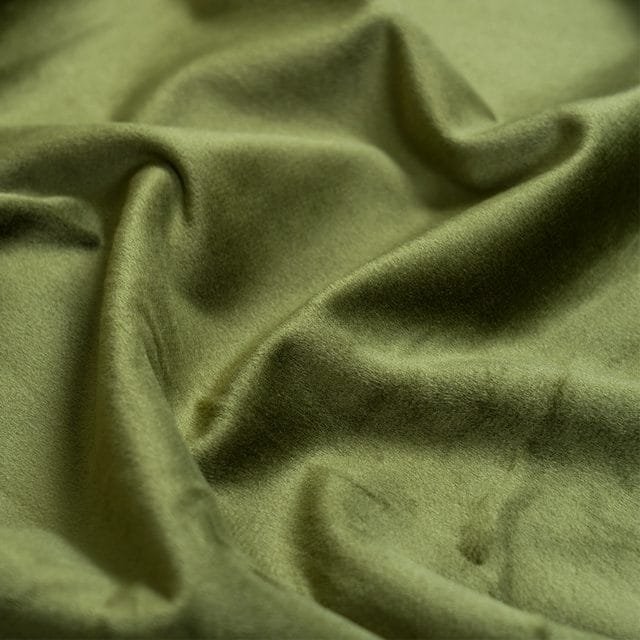
Velvet can look lighter or darker when the viewing direction or nap orientation changes. Cutting panels in opposite orientations can therefore create visible inconsistency even when they come from the same approved color. A PPS is the practical point at which the buyer confirms how the selected material will become the finished curtain before the cutting direction is repeated across the bulk order.
This page is not a general explanation of every sample stage. The sample approval stages guide explains what swatches, lab dips, strike-offs, finished samples and PPS are meant to prove. This checklist focuses only on the velvet-specific release decision before bulk cutting.
Lock the material identity and orientation first
| PPS control | What the buyer should verify | Release risk if unclear |
|---|---|---|
| Exact fabric | Article or controlled material reference matches the approved selection | A similar-looking velvet may behave or appear differently. |
| Exact color | Color reference and viewing comparison are identified | Color judgment can be confused with nap-direction effects. |
| Face side | The intended visible face is marked | Panels can be assembled with inconsistent face presentation. |
| Nap direction | Top and bottom are physically marked on the PPS | Opposite cutting orientation can create apparent shade changes. |
| Panel orientation | All pieces follow the same approved direction | Joined or paired panels may not look consistent. |
| Controlled reference | Sample ID, specification revision and approval record are linked | The factory and buyer may refer to different versions. |
Review the finished panel, not only the fabric
Compare the panel from more than one viewing direction
Review the PPS face-on and from relevant side angles, then view the hanging panel with the nap running in the intended top-to-bottom direction. The goal is not to eliminate velvet’s directional appearance. It is to make that appearance consistent and intentional across the finished set.
Check adjacent and paired panels together
Where the order uses pairs, widths or joined panels, place the relevant pieces in their intended relationship. Look for a consistent visual direction across seams and neighboring panels. The earlier guide on velvet nap direction and perceived color explains why this comparison matters; the PPS records the approved execution for the specific order.
Confirm construction details that can change the result
- Heading: confirm the approved heading type, its placement and how the top presents when hung.
- Side treatment: verify the specified side construction and its visual effect from the face.
- Bottom treatment: confirm the agreed finish and resulting hang without imposing a universal velvet hem rule.
- Dimensions: compare the finished PPS with the order specification using the agreed measurement method.
- Seams and joins: check alignment, orientation and appearance where the panel construction includes joins.
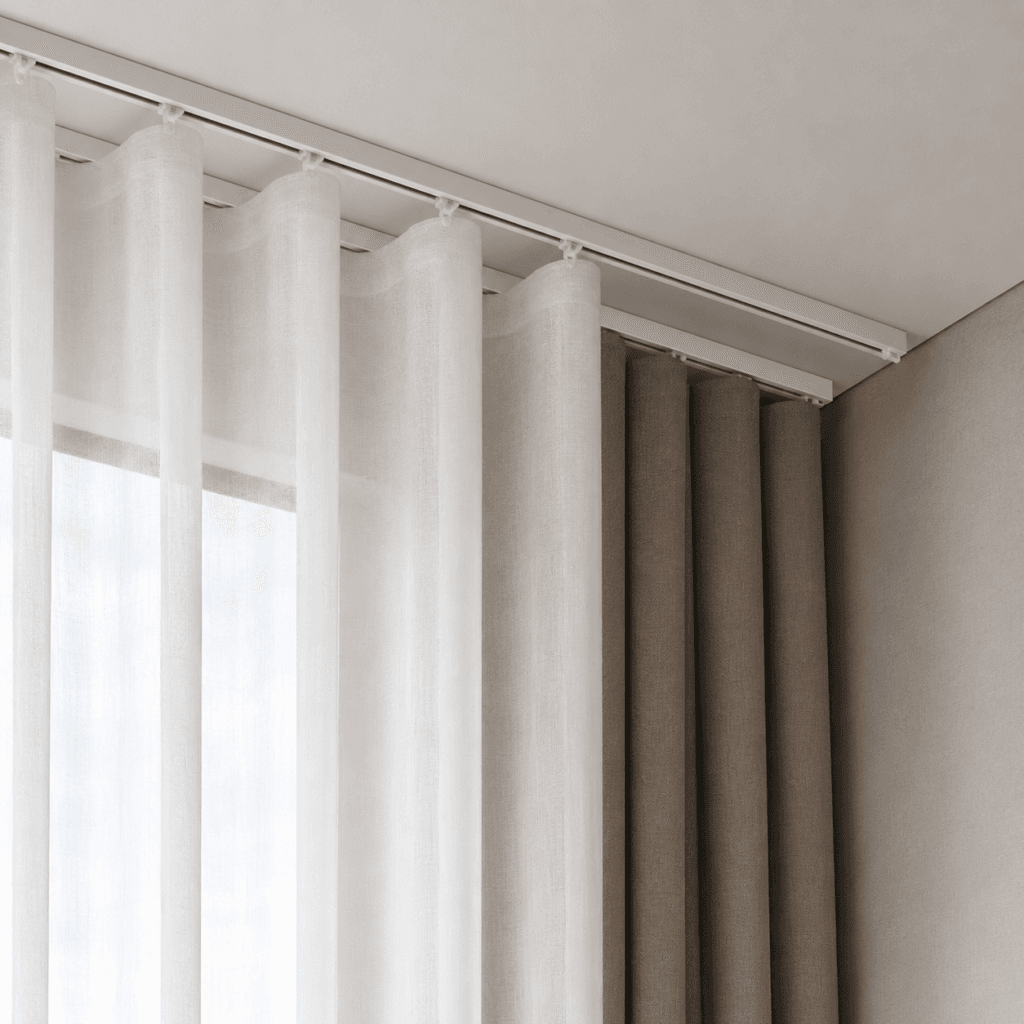
- Drape: hang the PPS so the buyer can assess fall, fold formation and overall balance.
- Stretch behavior, if relevant: note whether the selected construction changes during handling or hanging and agree how the PPS is to be measured. Do not assume one allowance applies to every velvet.
Use a release record that production can follow
The approval record should identify the physical PPS, the exact material and color, the marked nap direction, the approved face, the specification revision and any accepted comments. Photographs can support the record, but they should not replace the controlled physical reference when screen color and lighting may distort the velvet appearance.
Comments should be actionable. “Color looks wrong” does not distinguish a dye concern from a reversed nap or different viewing angle. Record what was compared, in which orientation and under which agreed viewing condition. If a change affects the cut direction, panel construction or dimensions, return the revised sample or instruction for approval before bulk cutting.
Velvet PPS release checklist
- Exact velvet article and color reference confirmed.
- Visible face, top and bottom clearly marked.
- Nap direction consistent across every component in the PPS.
- Paired, joined or adjacent panels reviewed together where applicable.
- Heading, side treatment, bottom treatment and seams match the approved specification.
- Finished dimensions checked by the agreed method.
- Drape and fold presentation reviewed while hung.
- Stretch behavior noted only where relevant to the selected material and construction.
- PPS ID, specification revision, approval date and buyer comments recorded.
- Any conditional approval is converted into a clear action and recheck point before cutting.
Where this approval sits in the velvet program
Use the velvet curtain category to define the product direction and sample support to organize the controlled approval reference. The PPS checklist then closes the order-specific gap between selected velvet and repeatable finished-panel execution.
FAQ
Can a fabric swatch replace a velvet PPS?
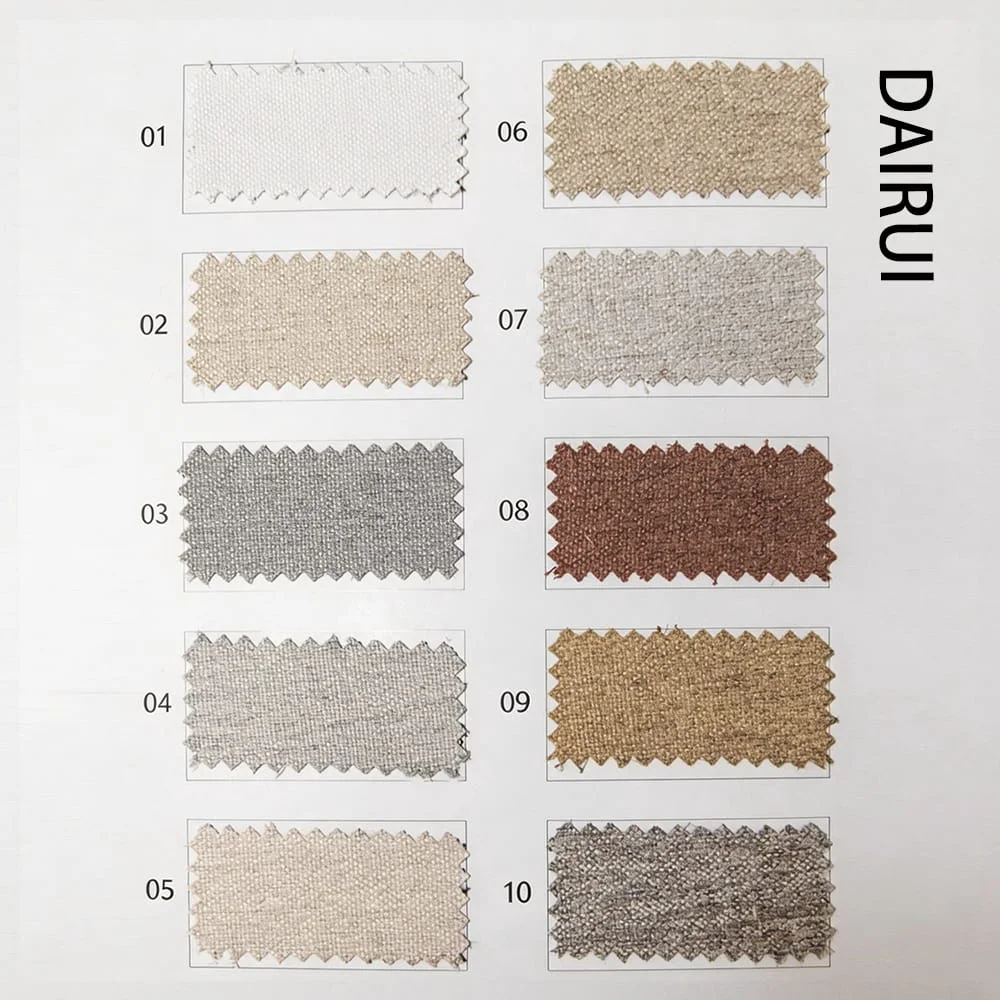
No. A swatch can confirm material direction and color reference, but it does not prove the finished heading, seams, dimensions, drape or consistent cutting orientation across a panel.
Does a PPS approval guarantee every velvet will behave the same way?
No. The approval applies to the exact material, color, construction and controlled reference stated for the order. A different velvet or revised construction may require a new review.
What should happen if apparent color changes when the PPS is turned?
First return the PPS to the marked approved orientation and compare it under the agreed viewing condition. If the concern remains, record the exact comparison rather than treating directional appearance as proof of an unrelated color problem.
Next step: send the exact velvet reference, color, panel specification and intended nap direction so the PPS release points can be tied to one controlled sample before bulk cutting.