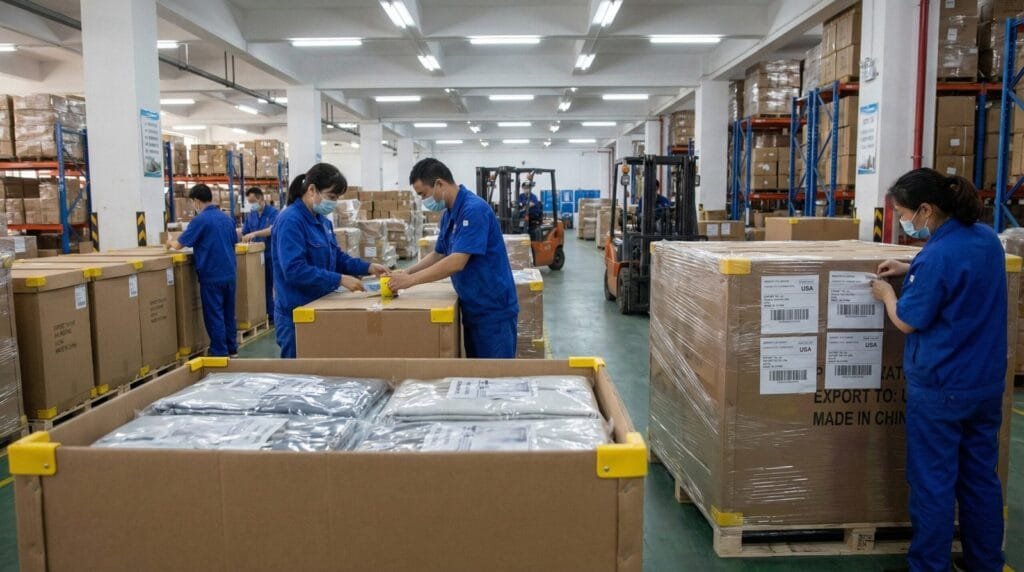
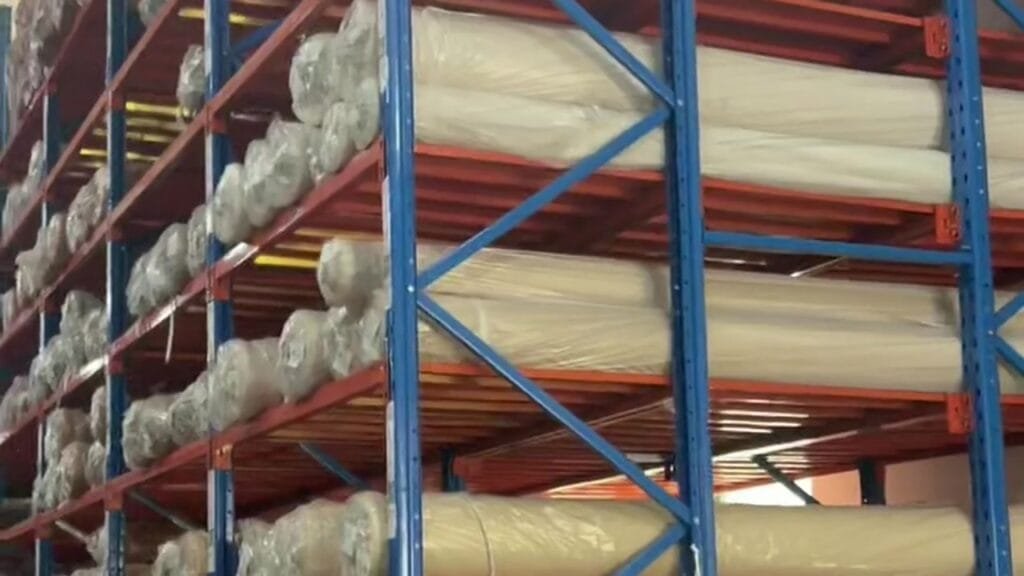
Bottom line: A finished curtain moves through about seven stages — fabric (weave, dye, print, coat), fabric inspection, cutting, sewing and hemming, heading construction, quality control, and packing. At a real factory these run as one line, and a bulk order takes roughly 25–30 days after sample approval. Knowing the stages shows you where curtain quality is actually won or lost — and which questions separate a true manufacturer from a trader. Take a look inside a curtain factory to see scale and QC firsthand.
The Curtain Manufacturing Process at a Glance
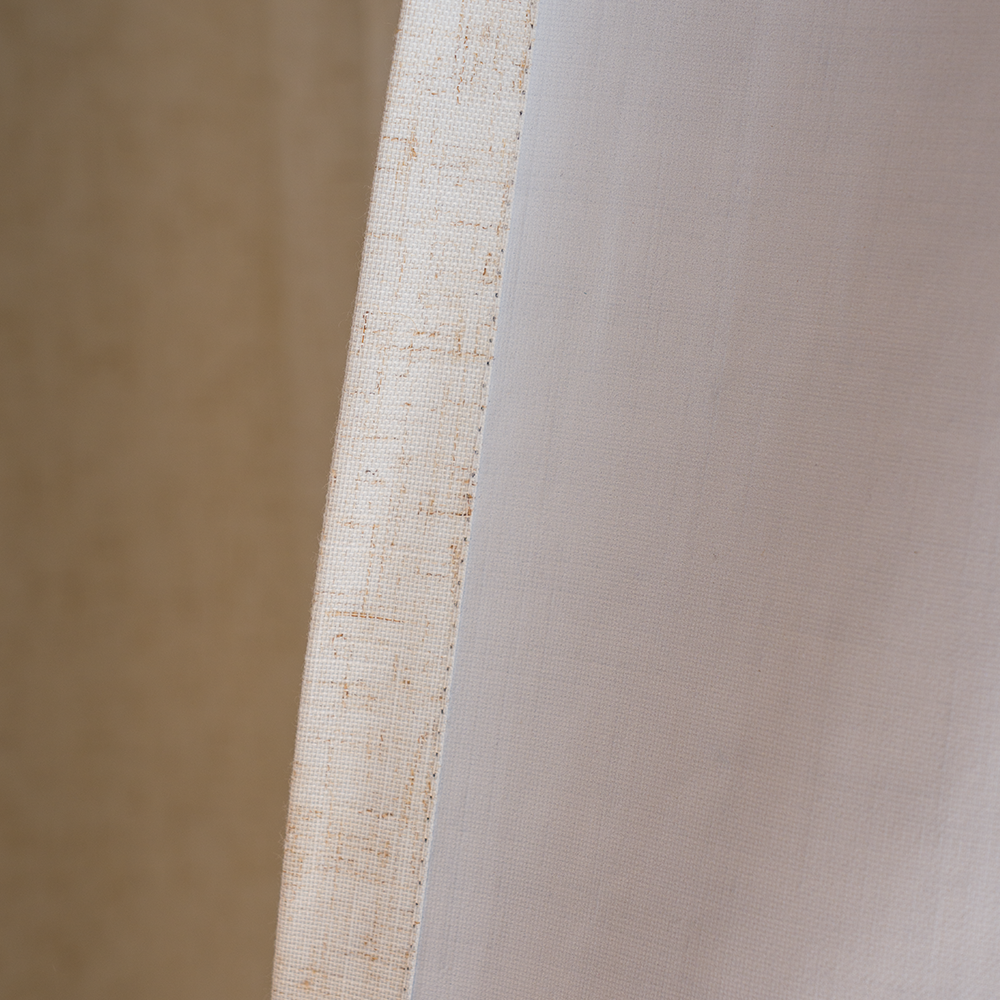
Most people picture “making a curtain” as sewing a hem. In a factory it is a sequence of controlled steps, and each one sets a property you cannot fix later. Here is the full flow before we break down each stage.
| Stage | What happens | What it sets |
|---|---|---|
| 1. Fabric | Weaving, dyeing, printing, coating | GSM, color, opacity/blackout |
| 2. Inspection | 4-point fabric grading, relaxing | Defect screening before cutting |
| 3. Cutting | Cut to width and drop with fullness | Size accuracy, pattern match |
| 4. Sewing | Hems, side seams, lining, weights | Drape, durability, finish |
| 5. Heading | Eyelet, pinch pleat, tape, wave | Hanging style, fit to track |
| 6. QC | Inline checks + final AQL audit | Consistency across the run |
| 7. Packing | Fold, polybag, carton, palletize | Transit protection, CBM |
Stage 1 — Fabric: Weave, Dye, Print, Coat
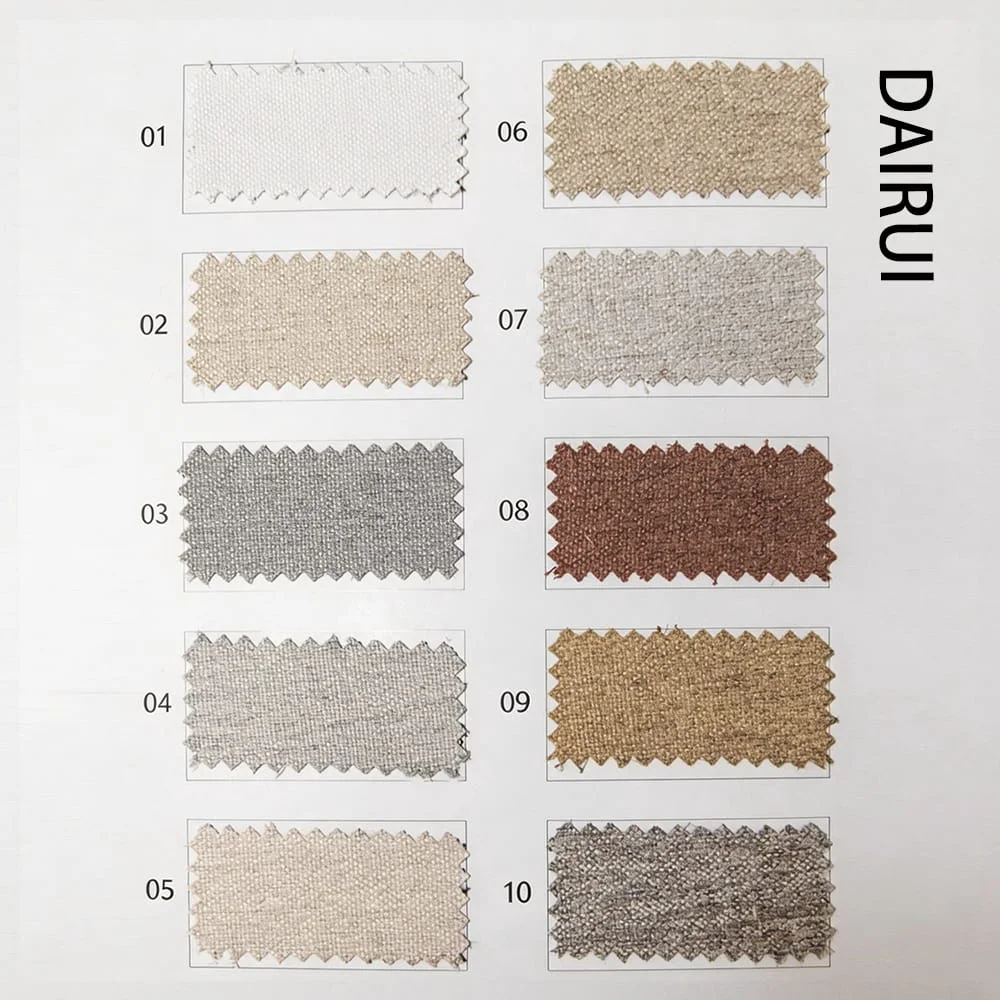
Everything starts with the cloth, and the cloth is where most of the curtain’s character is decided. Fabric is either woven in-house or sourced as greige (undyed base) and then dyed or printed to the buyer’s color. Weight is fixed here: sheers and voiles run light, while heavier drapery and blackout bases sit far higher on the GSM scale.
Opacity is also a fabric-stage decision. A blackout panel gets its light blocking from how the cloth is built or coated — foam coating, woven black yarn, or a triple weave — not from anything added during sewing. If blackout grade matters to your order, it must be specified now; see coated vs woven vs triple-weave blackout for how those routes differ.
Stage 2 — Fabric Inspection and Relaxing
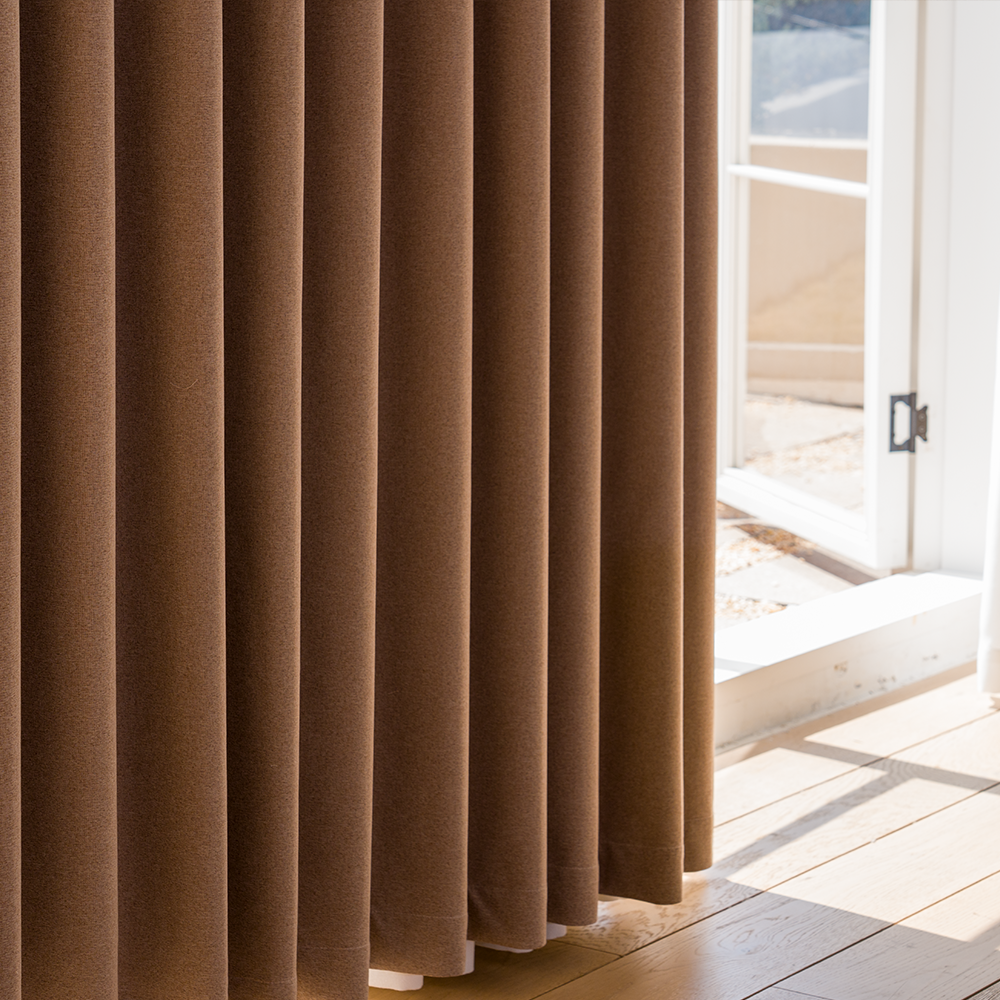
Before a single panel is cut, the fabric is graded — commonly on a 4-point system that scores defects per length of cloth. Catching a flaw, a color streak, or an off-shade roll at this stage costs a meter of fabric; catching it after sewing costs a finished panel. This is one of the quiet places where a serious factory protects your order.
Fabric is also left to relax so it settles to its true dimensions. Skipping this is how panels come out short or uneven after the first wash, so it is a step worth asking about when you vet a supplier.
Stage 3 — Cutting and Panel Make-Up
Cut width and drop are calculated from the finished size plus seam and hem allowances, and from the fullness ratio — how much wider than the window the flat fabric needs to be so the curtain gathers properly (commonly around 2.0–2.5x for a full look). Get fullness wrong and the curtain hangs flat or bunches.
Patterned and printed fabrics add a step: panels must be cut so the repeat lines up across every curtain in the order. Accurate, repeatable cutting is also what makes re-orders match your first run.
Stage 4 — Sewing, Hemming and Weights
This is the stage most people think of as “making the curtain,” and it covers more than a straight hem: side seams, doubled bottom hems for weight and a clean fall, optional lining or interlining, and chain or penny weights sewn into corners and seams so the curtain hangs straight instead of flaring at the floor.
Twelve seconds on our sewing line:
Construction quality here decides how the curtain reads in a room — even hems, square corners, and consistent stitch density across hundreds of panels are exactly what an inline check is watching for.
Stage 5 — Heading Construction
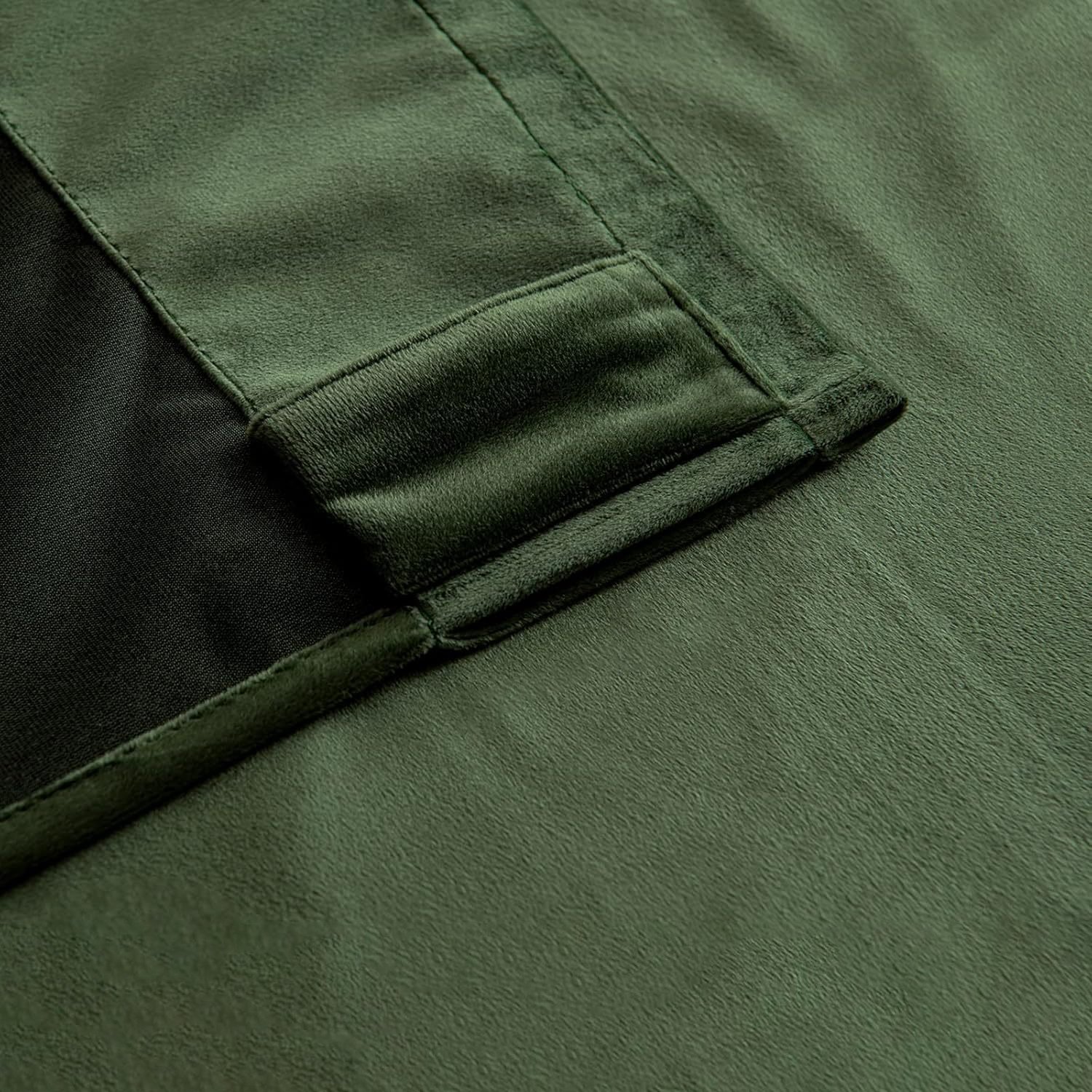
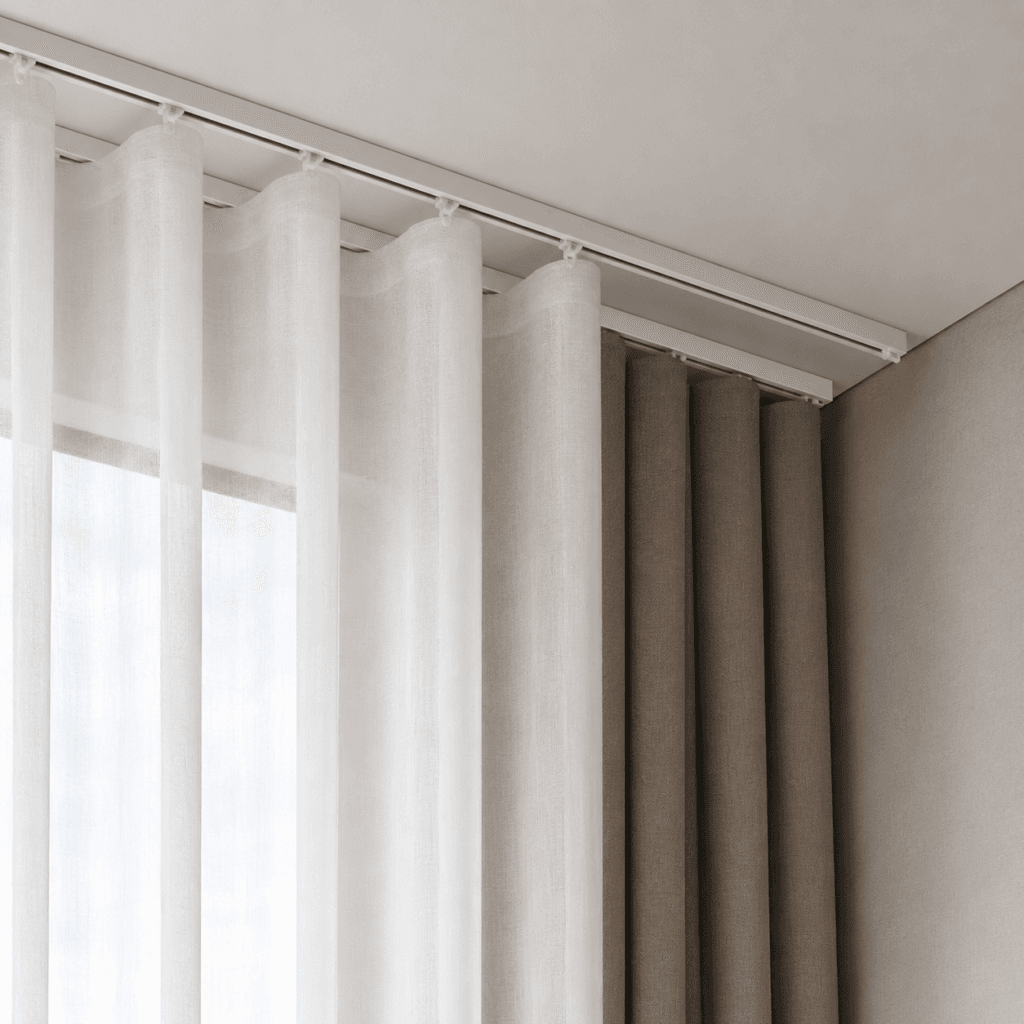
The heading is how the curtain attaches and hangs — eyelet/grommet, pinch pleat, pencil pleat, tab top, header tape, or a wave/ripplefold system. Each is built differently: eyelets are punched and ringed, pleats are folded and bar-tacked, tape is sewn on for the buyer to gather later. The choice affects look, the track or pole it needs, and cost.
Because heading drives both style and fit, it should be locked in your spec and sample. For a full comparison of options, see our guide to curtain heading styles.
Stage 6 — Quality Control
Good factories check in two places: inline, where operators catch defects as panels are sewn, and at the end, where a final audit samples the finished run against an agreed AQL (acceptance quality limit). Final QC covers measurements, stitching, color consistency across the batch, heading accuracy, and packing.
This is also where compliance is documented — for example flame-retardant performance to the relevant standard, with per-batch test reports available, and OEKO-TEX assurance through supplier authorization where required. As a buyer, the strongest control you keep is tying your balance payment to a passed pre-shipment inspection.
Stage 7 — Packing and Loading
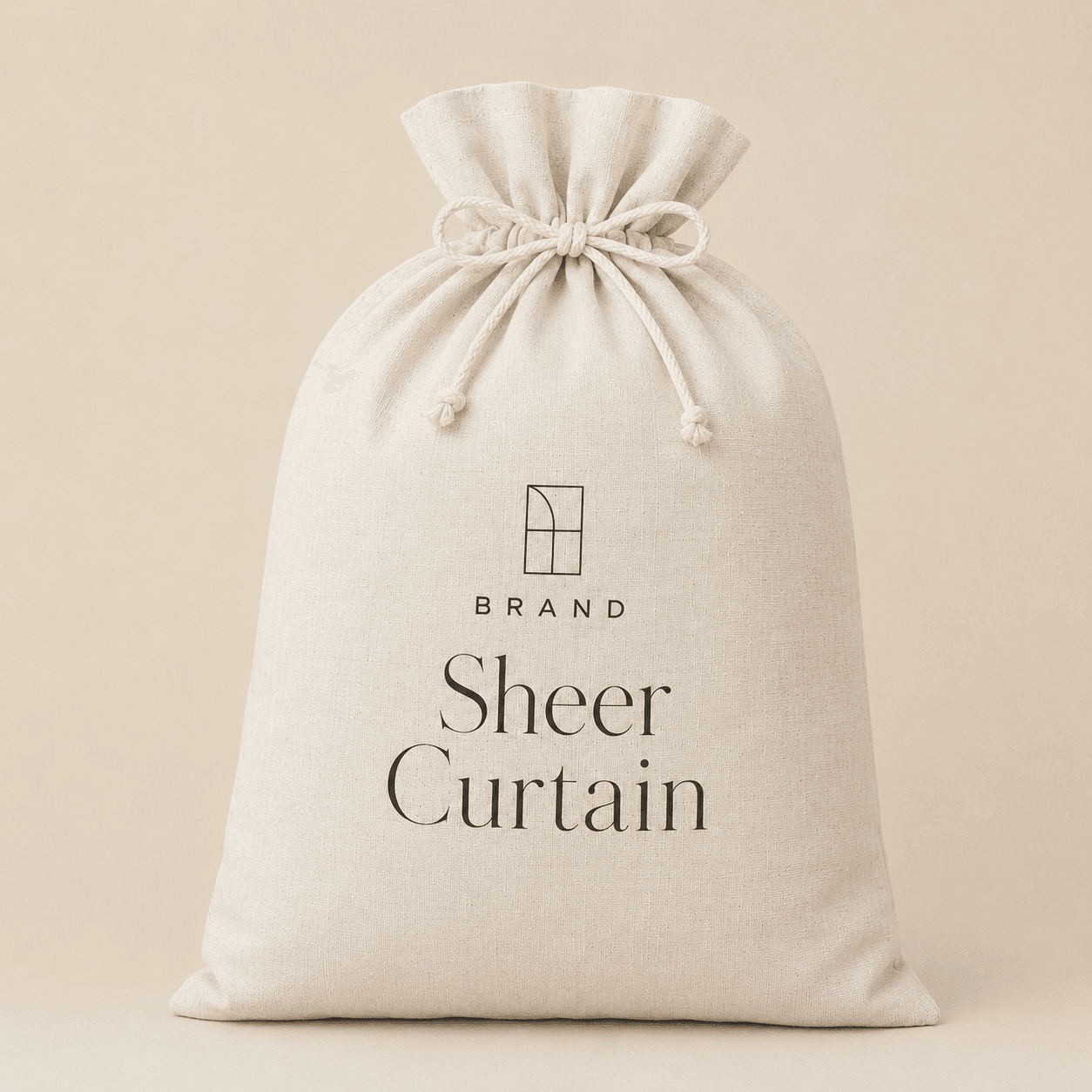
Finished curtains are folded or rolled, polybagged to protect against moisture and rubbing, then boxed into cartons and palletized. Packing is not an afterthought: carton size and how tightly panels pack determine your CBM and therefore how many fit in a container and what shipping costs.
A clear packing spec — pieces per polybag, pieces per carton, carton dimensions, and labeling — should appear on your order confirmation so the count that ships matches the count you ordered.
If you are planning an order around these stages, our wholesale curtain sourcing guide covers MOQs, sampling and quality checks from the buyer side.
How the Process Maps to Lead Time
Run end to end, these stages take roughly 25–30 days for a standard bulk order once the sample is approved — fabric and dyeing are usually the longest legs, with cutting, sewing, QC and packing filling out the rest. Highly customized or large orders can run longer, and sea freight is additional on top. The full breakdown is in our curtain lead time guide.
Understanding the sequence is also how you judge a supplier. A factory can speak precisely about each stage because it runs them; if you want help choosing one, see our guide to manufacturing curtains with a reliable supplier. Note that quantities, lead times, and prices here are indicative — confirm against a written quote for your specific order.
Frequently Asked Questions
What are the main stages of the curtain manufacturing process?
A curtain passes through roughly seven stages: fabric production (weaving, dyeing, printing, coating), fabric inspection, cutting, sewing and hemming, heading construction, quality control, and packing. Each stage sets a property — such as GSM, opacity, size, or finish — that cannot be corrected later.
How long does it take to manufacture a bulk curtain order?
A standard bulk order takes about 25–30 days in production once the sample is approved, with fabric and dyeing usually the longest steps. Heavily customized or very large orders can run longer, and sea freight is additional.
At which stage is blackout or opacity decided?
Opacity is set at the fabric stage through how the cloth is woven or coated — foam coating, woven black yarn, or a triple weave. It is not something added during sewing, so blackout grade must be specified before production begins.
Where is curtain quality actually controlled?
Quality is controlled at fabric inspection (4-point grading before cutting), inline during sewing, and at a final AQL audit before packing. The strongest control a buyer keeps is tying the balance payment to a passed pre-shipment inspection.
Why does packing matter in curtain manufacturing?
Packing determines transit protection and CBM — carton size and pack density set how many curtains fit in a container and what shipping costs. A clear packing spec (pieces per bag and carton, carton dimensions, labeling) also keeps the shipped count matching your order.
How can the process tell me if a supplier is a real factory?
A genuine manufacturer can describe each stage precisely and answer detailed questions about fabric grading, fullness, heading construction, and QC because it runs those steps. Vague answers, or routing everything through “our partner factory,” suggest a trader rather than the maker.
Bottom Line
Making a curtain is a controlled sequence, not a single sewing step. Fabric sets weight and opacity, inspection screens defects early, cutting and sewing set size and drape, heading sets fit and style, and QC plus packing protect consistency and your shipped count — all inside a roughly 25–30 day window. Understanding the stages helps you write a tighter spec, ask sharper questions, and tell a real factory from a middleman.
DAIRUI Sourcing Desk
Last reviewed: 2026-06