Bottom line: PEVA is a chlorine-free plastic film – fully waterproof, cheap, and wipeable, but plasticky and short-lived. Polyester is a woven fabric – water-repellent rather than fully waterproof on its own, yet washable, dyeable, and durable for years under hotel laundering. PEVA wins on unit price for budget retail and liners; coated polyester wins on cost-per-use for hotels and branded retail. Many projects run both: a polyester decorative curtain over a PEVA liner.
PEVA vs Polyester Shower Curtains at a Glance
If you are sourcing for a retail line, a hotel project, or your own brand, the choice usually comes down to a handful of trade-offs. Here is the short version before we dig into each one.
| Factor | PEVA | Polyester |
|---|---|---|
| Material | Polyethylene vinyl acetate (plastic film) | Woven textile (yarn) |
| Waterproofing | 100% waterproof by nature | Water-repellent; needs coating or a liner for full waterproofing |
| Look & feel | Translucent, plasticky, can crease | Fabric drape, dyeable and printable |
| Cleaning | Wipe down or replace | Machine washable |
| Typical lifespan | Months to ~1 year | 2-5+ years (survives hotel laundering) |
| Unit cost | Lowest | Higher, but lower cost per use |
| Eco angle | PVC-free, chlorine-free | Reusable; recycled-polyester options |
| Best for | Budget retail, liners, disposable use | Hotels, branded retail, long service life |
What a PEVA Shower Curtain Actually Is
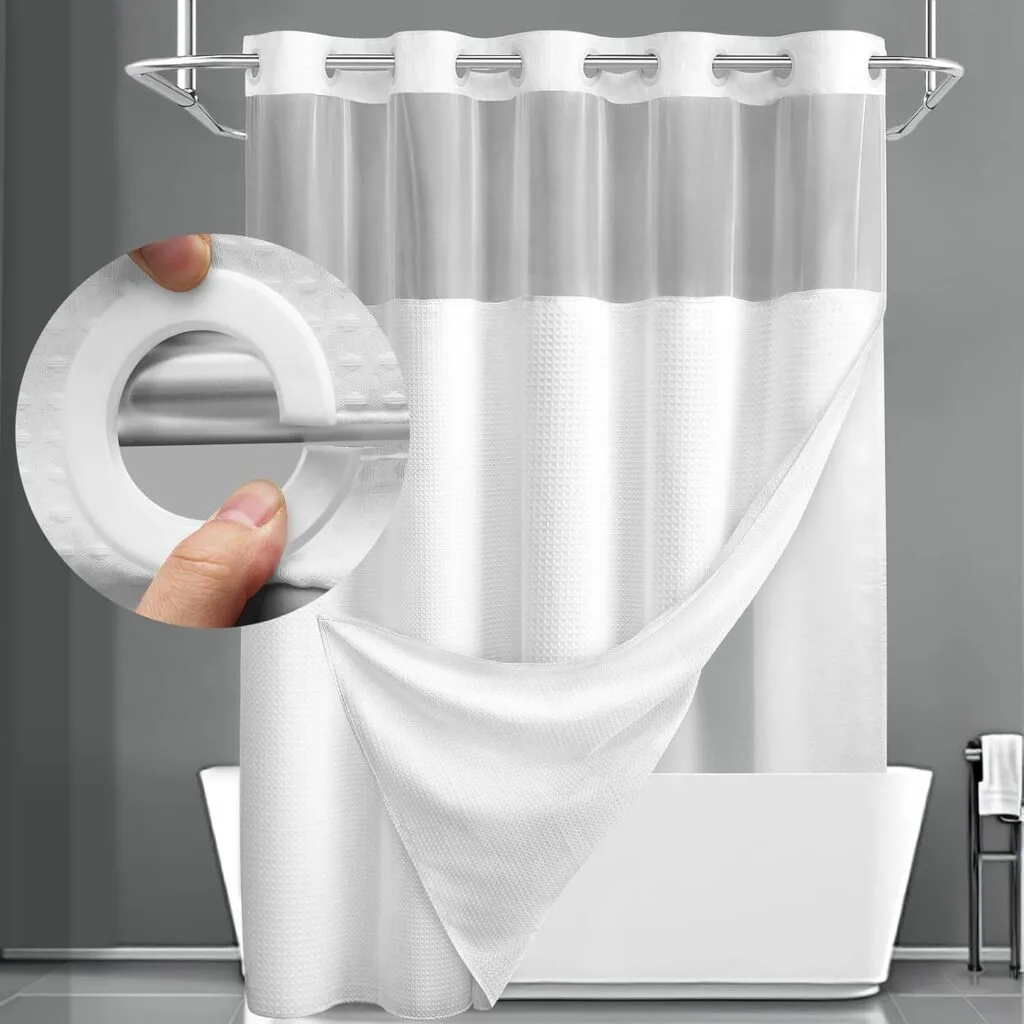
PEVA stands for polyethylene vinyl acetate – a plastic film that the industry adopted as the PVC-free, chlorine-free alternative to old-school vinyl. It is extruded into thin sheets, commonly around 8-gauge (about 0.08mm), with a usable range of roughly 3 to 10 gauge depending on how heavy a buyer wants it to feel.
Because it is a solid plastic sheet, PEVA is 100% waterproof from the start – no coating, no liner, no seams to wick water. That is its biggest selling point and the reason it dominates the liner and budget categories. It is also lightweight, low-odor compared with PVC, and the cheapest option on a per-unit basis.
The trade-offs are honest ones. PEVA has a plasticky hand-feel, holds creases and memory folds out of the package, tends to tear at the grommet holes, and can yellow over time. Most buyers treat it as semi-disposable – replaced within a few months to a year. For a dollar-store SKU or a hotel that keeps a stock of cheap liners, that is acceptable. For a premium bath line, it usually is not.
What a Polyester Shower Curtain Brings to the Table

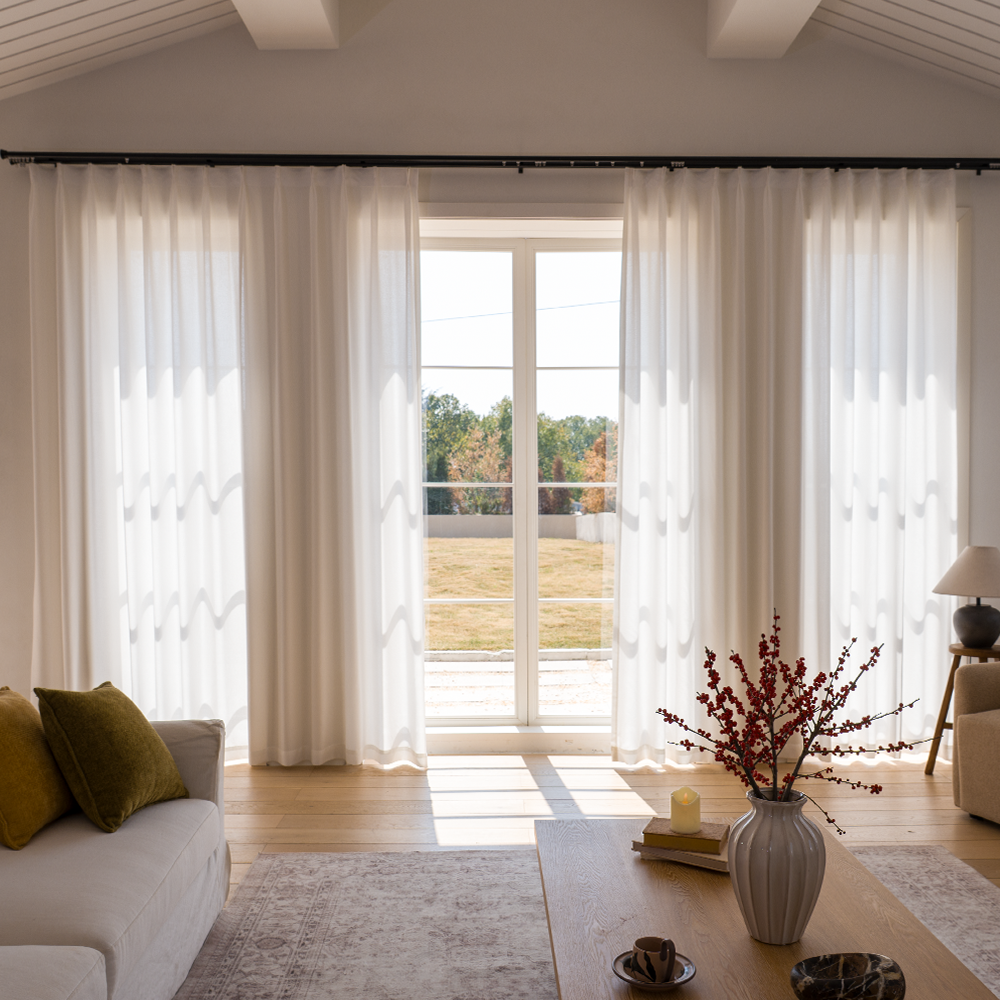
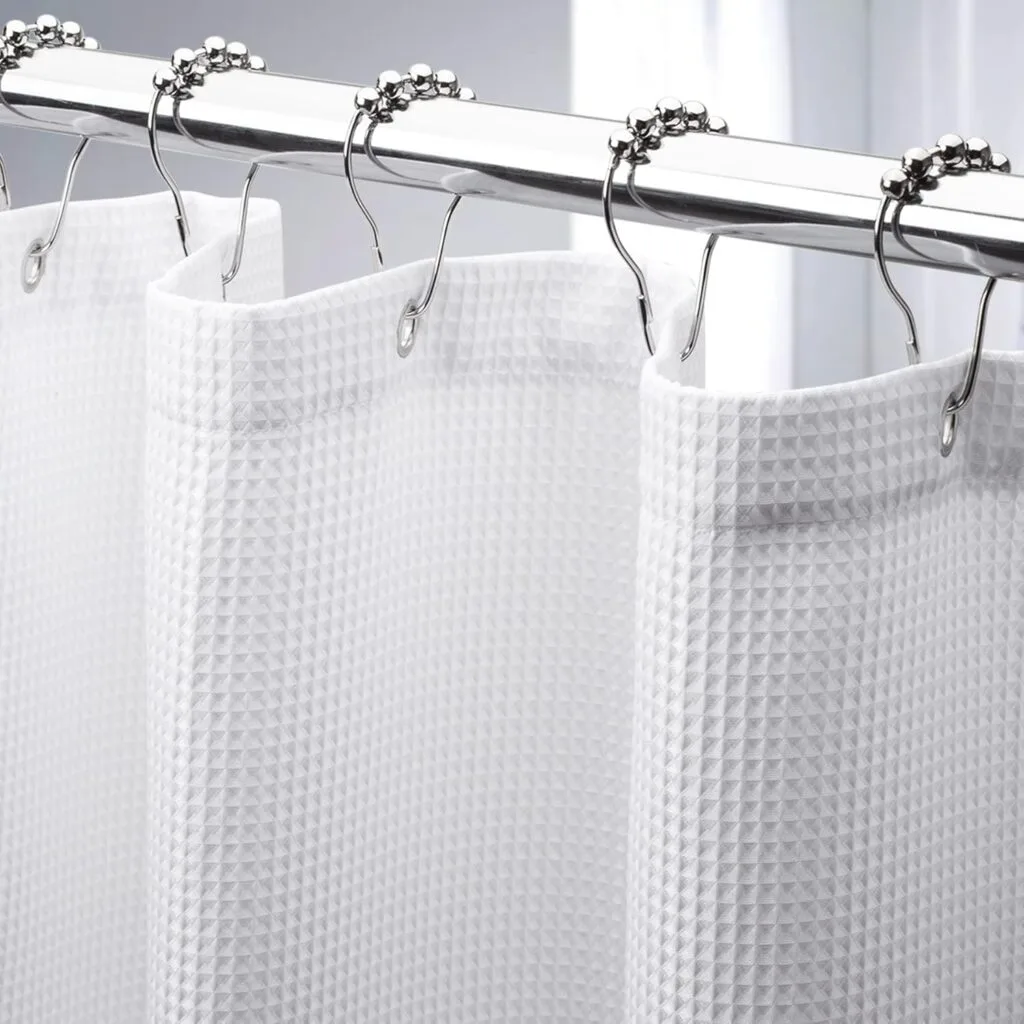
A polyester shower curtain is a woven textile, not a film. That single difference changes almost everything downstream. Polyester drapes like fabric, takes dye and print beautifully for branding, and can be engineered to a target weight – typically 75 to 200 GSM, with hotel-grade curtains landing around 100 to 140 GSM. See our tips on choosing quality shower curtains.
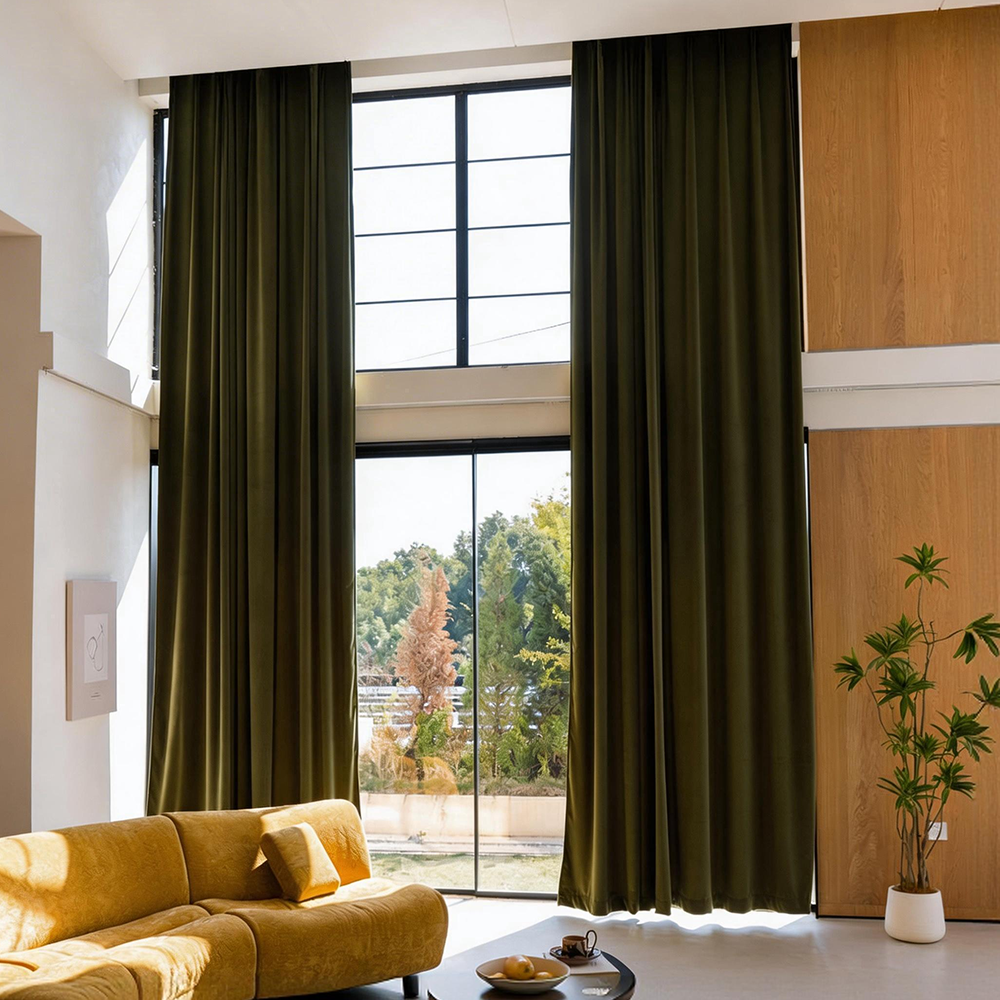
Hotel and hospitality versions add the details that survive heavy use: a weighted bottom hem to keep the curtain against the tub, a reinforced top header, and rust-proof metal grommets. The fabric is machine washable, can be FR-treated for fire codes, and can carry an antimicrobial or mildew-resistant finish. With proper laundering it lasts years rather than months.
The catch: woven polyester is not waterproof on its own. The yarn structure is water-repellent – water beads and runs off – but seams and needle holes can wick moisture through. To make polyester fully waterproof, it gets a PU or PEVA coating on the back, or it is paired with a separate liner. We will come back to that, because it is the single most misunderstood point in this comparison.
Waterproofing: The Real Difference
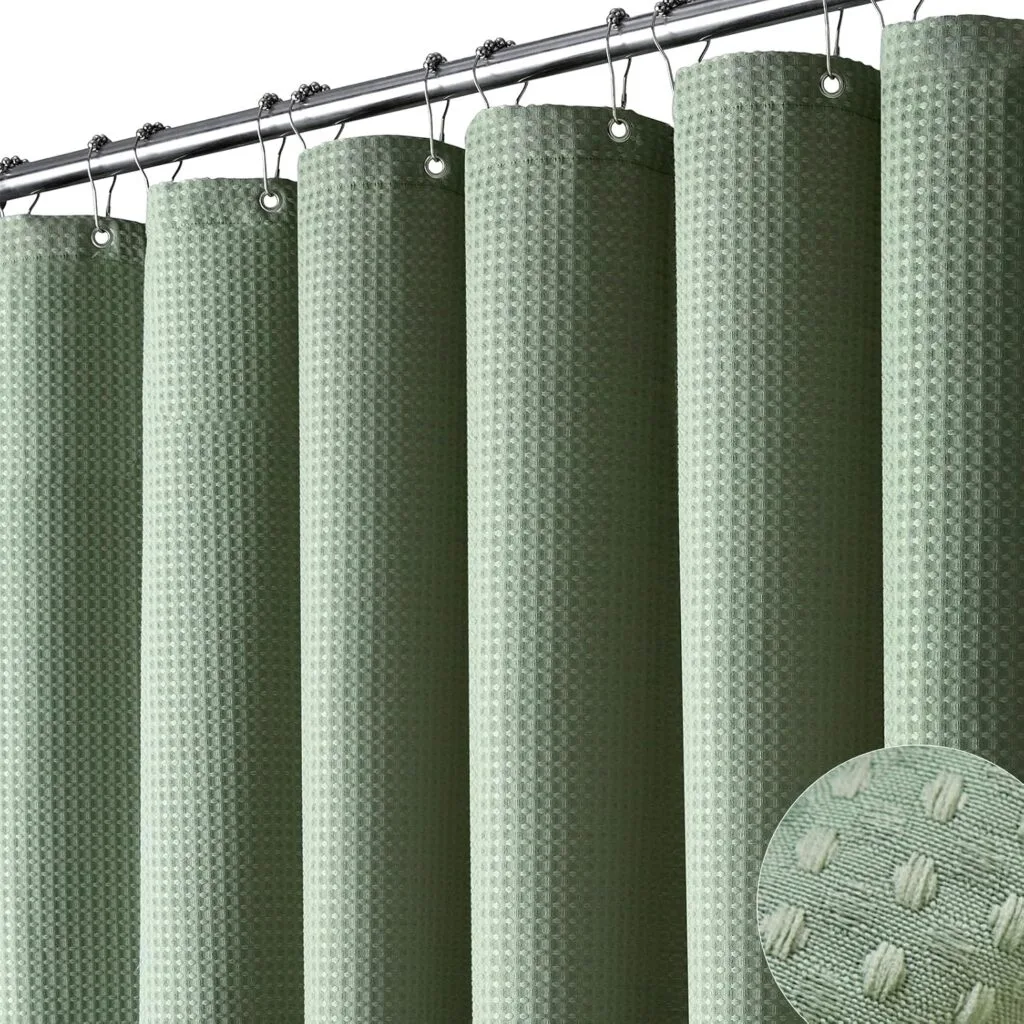
Here is where buyers most often get it wrong. PEVA is waterproof because it is plastic. Polyester is water-repellent because it is fabric – a different and weaker level of protection. If you buy an uncoated decorative polyester curtain expecting it to behave like a liner, water will eventually find its way through the seams.
There are two clean ways to solve this. The first is a coated polyester curtain: a PU or PEVA backing turns a single fabric curtain into a standalone waterproof unit – which is what most modern hotels now specify, since it removes the second liner and looks better. The second is the classic fabric-plus-liner combo: a printed polyester curtain on the outside for looks, a PEVA liner on the inside for the actual waterproofing.
For procurement, the decision is simple: if you need one curtain that does both jobs, spec coated polyester. If you want the cheapest waterproof barrier and do not care about looks, a bare PEVA sheet is unbeatable on price. Tell your supplier which one you mean – “polyester shower curtain” alone is ambiguous until you say coated or uncoated.
Durability and Cost Per Use
Unit price tells only half the story. A PEVA curtain or liner is cheapest to buy, but in a high-traffic setting it is replaced every few months to a year as it creases, tears, or builds mildew in the folds. A coated polyester curtain costs more up front but holds up for 2 to 5+ years, even through repeated industrial wash cycles.
Run the math the way a hotel housekeeping manager does. If a PEVA curtain is replaced three to four times a year and a polyester curtain lasts three years, the polyester option almost always wins on cost per use – and it saves the labor and waste of constant swapping. For a budget retailer selling to consumers who expect to replace a cheap curtain anyway, the calculation flips back toward PEVA. Exact figures depend on your order, so treat any per-unit price as subject to your actual quote.
Which One for Which Buyer?
There is no universally “better” material – only a better fit for your channel and price point. A quick routing guide:
- Budget / dollar retail, promotional, disposable, liners: PEVA. Lowest cost, fully waterproof, no one expects it to last.
- Mid to upscale retail and branded lines: coated polyester. Printable for your brand, fabric look, repeat-purchase quality.
- Hotels, hospitality, Airbnb, gyms, hospitals: polyester, almost always. FR-treatable, antimicrobial-finishable, and built to be laundered hundreds of times.
- Eco-positioned consumer brand: either works as a story – PEVA on the “PVC-free / chlorine-free” claim, or recycled-polyester on the “reusable, less waste” claim.
Sourcing Notes: MOQ, Lead Time and Compliance
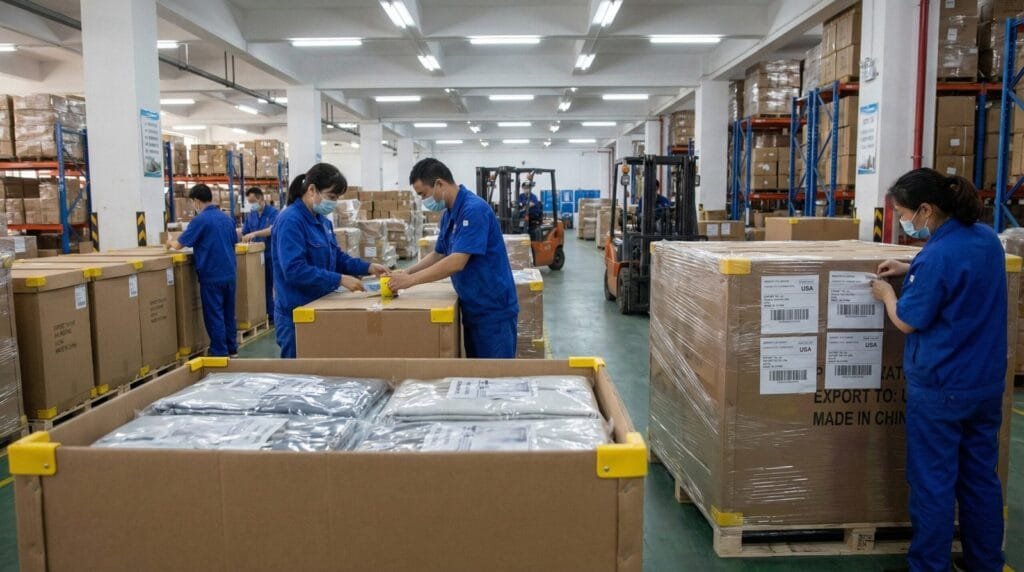
The two products come off very different lines. PEVA is film extrusion plus welding and grommet-setting; polyester is weaving, cut-and-sew, optional coating, then finishing. A factory strong in one is not automatically strong in the other, so confirm what your supplier actually runs in-house versus subcontracts.
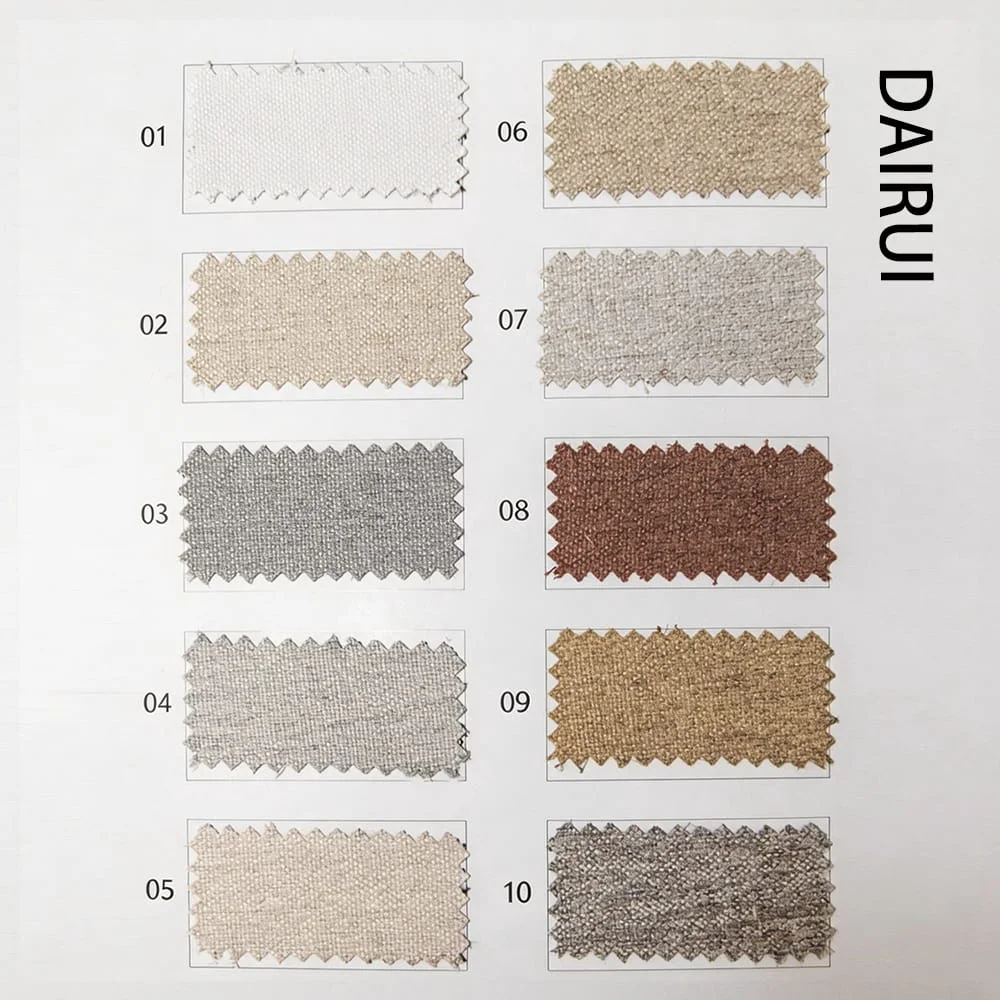
On the commercial side: trial runs are usually possible at a small quantity before a full color-based MOQ, which is the right way to check hand-feel, coating quality, and print registration before you commit. A typical standard production window is 25 to 30 days after sample approval, with shipping on top of that – heavily customized programs can run longer. MOQ and pricing vary by material, weight, print, and finish, so treat all numbers here as subject to your actual quote.
For hospitality buyers, compliance is the gate that decides the material for you. Hotel shower curtains often need a fire-retardant rating (NFPA 701 and equivalents) and an antimicrobial or mildew-resistant finish – both of which are far easier to deliver on polyester than on PEVA. Where certifications such as OEKO-TEX or BSCI matter, work with a supplier-authorized program rather than assuming self-held certificates; flame-retardant performance should be stated as meeting the relevant standard with compliance documentation available.
Frequently Asked Questions
Is PEVA or polyester better for a shower curtain?
Neither is universally better – it depends on the use case. PEVA is the better choice for the lowest cost, fully waterproof barrier and for disposable or liner use. Polyester is better when you need a durable, washable, brandable curtain that lasts years, which is why hotels and upscale retail favor it. For full waterproofing in a single curtain, choose coated polyester.
Is a polyester shower curtain waterproof?
Plain woven polyester is water-repellent, not fully waterproof – water beads off the surface, but seams and needle holes can wick moisture over time. To make it fully waterproof, it is given a PU or PEVA coating on the back, or paired with a separate waterproof liner. Most hotel curtains today use coated polyester so a single curtain handles both looks and waterproofing.
Is PEVA safe and non-toxic?
PEVA was adopted specifically as a PVC-free, chlorine-free alternative to vinyl, and it off-gasses far less than old PVC curtains. It is generally marketed as the safer plastic option for bathrooms. It is still a plastic film, so it is not a textile, but for buyers who want to avoid PVC while keeping costs low, PEVA is the standard answer.
How long does a PEVA shower curtain last compared with polyester?
A PEVA curtain or liner typically lasts a few months to about a year before creasing, tearing at the grommets, or building mildew in the folds. A coated polyester curtain commonly lasts 2 to 5+ years, and hotel-grade versions survive repeated industrial laundering. That gap is why polyester usually wins on cost per use in high-traffic settings despite a higher unit price.
Do hotels use PEVA or polyester shower curtains?
Most hotels specify polyester, usually a coated polyester curtain with a weighted hem, reinforced header, rust-proof grommets, and a fire-retardant plus antimicrobial finish. PEVA shows up mainly as a cheap disposable liner or in very budget properties. Polyester’s launderability and ability to meet fire-safety codes make it the default for hospitality.
Can I get a custom-printed shower curtain in PEVA or polyester?
Yes – both can be customized, but polyester is the stronger choice for branding because woven fabric takes dye and print far better than plastic film. Most suppliers offer a small trial run before the full color-based MOQ so you can check print registration and quality first. Request a sample to confirm hand-feel and coating before committing to a full order.
Bottom Line for Your Sourcing
PEVA and polyester are not really competitors – they serve different jobs. PEVA is the cheapest fully waterproof barrier, ideal for liners, disposable use, and budget retail. Polyester is the durable, brandable, launderable textile that wins on cost per use anywhere a curtain has to last – hotels, hospitality, and upscale retail above all. When in doubt, decide based on three questions: does it need to be waterproof on its own (spec coated polyester), does it need to last (polyester), and does the channel reward the lowest possible unit price (PEVA).
For a closer look at the polyester side, see our guide to polyester shower curtain features and wholesale options and our hotel shower curtain solutions. For compliance, check the curtain import certifications by country. To validate quality before you commit, read how curtain sampling works, and for the bigger picture see how to source curtains from China. For full B2B sourcing specs, see our shower curtains wholesale guide.
DAIRUI Sourcing Desk. Last reviewed: 2026-06.