Bottom line: The printing method decides your color range, durability and cost per panel. Digital printing suits short runs, photographic patterns and fast sampling with low minimums. Screen printing wins on cost per unit for large runs of solid, repeating designs. Sublimation gives the most vivid, wash-fast results but only on polyester. Sampling runs about 3-5 days and bulk production around 25-30 days. Choose the method to match your run size, fabric and artwork – not just the lowest quote. To compare decoration methods, see jacquard, printed and embroidered methods side by side.
Why the Printing Method Decides Cost, Color and Durability
When buyers ask for “custom printed curtains,” they are really asking three separate questions: how vivid and detailed can the design be, how well will it survive washing and sunlight, and what will it cost at my order size. The answer to all three depends on the printing method, because each technique handles ink, fabric and run length differently.
Getting the method right protects your margin and your brand. Pick a process suited to large runs for a 200-panel order and you overpay on setup; pick a low-durability process for a hospitality range and you get color fading complaints after a few washes. This guide walks through the three methods curtain factories actually use at wholesale scale, what each is best for, and the artwork and quality details that decide whether your printed curtains look like the sample. If you are still deciding between print and stitched decoration, our comparison of embroidery vs printed curtains covers that choice first.
The Three Printing Methods at a Glance
Use this table to shortlist a method, then read the notes below for the trade-offs behind each line.
| Method | Best for | Color & detail | Run size | Durability | Relative cost |
|---|---|---|---|---|---|
| Digital (inkjet) | Short runs, photo-real, many colors | Unlimited colors, fine detail | Low MOQ friendly | Good (ink dependent) | Low setup, higher per-meter |
| Screen (rotary/flat) | Large runs, solid repeating designs | Limited colors per design | Best at high volume | Very good | High setup, low per-unit at scale |
| Sublimation | Vivid all-over prints on polyester | Brightest, photographic | Flexible | Excellent, fade-resistant | Mid, polyester only |
MOQ, pricing and lead times vary by design, fabric and order size – treat the above as directional and request a quote for your exact artwork and volume.
Digital Printing: Flexibility and Low Minimums
Digital (inkjet) printing sprays the design directly onto fabric from a digital file, much like a large-format printer. Because there are no screens or engraved rollers to prepare, setup cost is low and you can print complex, multi-color or photographic artwork without paying per color. That makes it the natural choice for short runs, frequent design changes, and DTC brands testing patterns before committing to volume.
The trade-offs are speed and per-meter cost at scale: digital is slower than screen or rotary printing, so the unit price stays relatively flat as volume grows rather than dropping sharply. Durability is good but depends on the ink chemistry – reactive and disperse inks bond better and resist washing far more than basic pigment inks, so confirm which your supplier uses. Digital is ideal when variety and low minimums matter more than squeezing the last cent out of a large repeat order.
Screen Printing: Lowest Cost on Large, Simple Runs
Screen printing – flat-bed for small lots, rotary for big production – pushes ink through a stencil, one screen per color. Preparing those screens is the expensive part, so setup cost is high and rises with each additional color in the design. Once the screens exist, however, the per-unit cost on long runs is the lowest of any method, which is why screen printing dominates large wholesale orders of solid, repeating patterns.
The constraints are color count and artwork type. Screen printing handles a limited number of flat colors well but cannot reproduce photographic gradients or unlimited shades the way digital can. It is the right call when your design is a clean repeat in a few colors and your run is large enough to amortize the screen setup – exactly the profile of many retail and project programs. For solid bold colors at volume, nothing beats it on cost.
Sublimation Printing: The Most Vivid, Wash-Fast Option
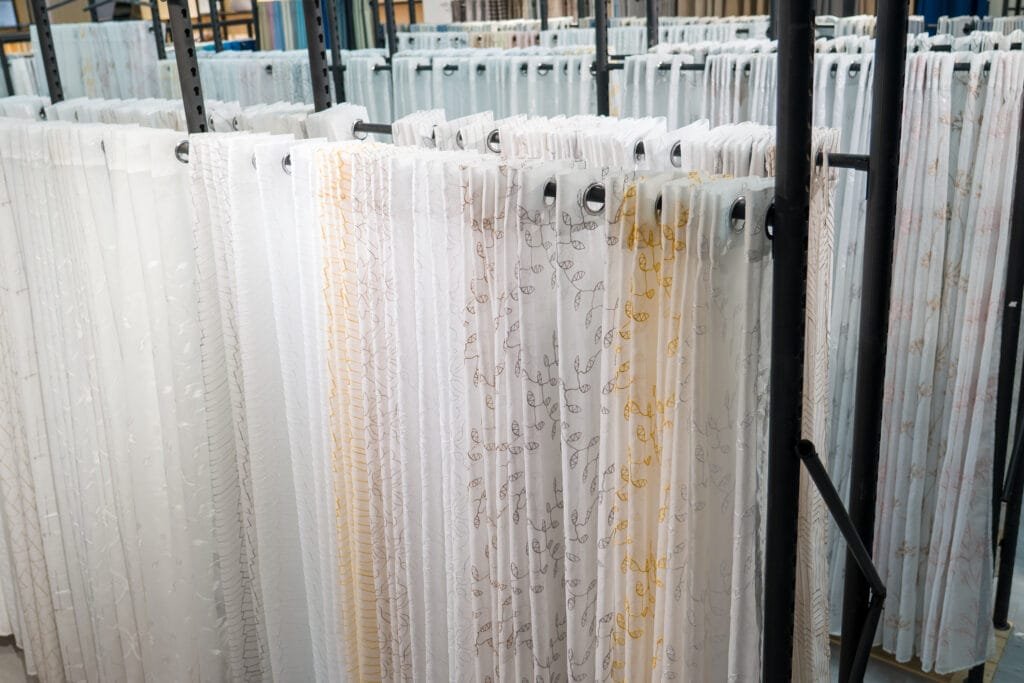
Dye sublimation prints the design onto transfer paper, then uses heat to turn the ink into gas that bonds permanently into polyester fibers. Because the color becomes part of the fiber rather than sitting on top, sublimated prints are the most vivid and the most resistant to washing, rubbing and fading – a real advantage for high-use environments and photographic, all-over designs.
The catch is fabric: sublimation only works on polyester or high-polyester blends, so it is not an option for cotton or linen ranges. Within polyester, though, it delivers the brightest results and excellent colorfastness at a mid-range cost. If your range is polyester and you want bold, durable, edge-to-edge prints, sublimation is usually the best fit; if you need natural fibers, digital or screen printing is the route.
Artwork and File Requirements That Make or Break the Print
Whatever method you choose, the print is only as good as the file and the color approval process behind it. Suppliers will ask for specific inputs, and getting them right up front prevents the most common reorder disputes:
- Vector or high-resolution files: logos and line art as vector (AI/EPS/PDF); photographic art at 300 dpi at final size so detail does not pixelate.
- Repeat layout: patterns must be set as a seamless repeat sized to the print width; a poorly built repeat shows visible seams across the panel.
- Pantone references: specify exact Pantone (TPX/TCX) codes rather than “navy” or “red” so color is measurable, not subjective.
- Strike-off / lab dip approval: always approve a printed strike-off before bulk – screen and monitor colors never match fabric exactly. This is the same discipline covered in our guide to how curtain sampling works.
Locking color with a physical strike-off and Pantone codes is the single best protection against “the bulk does not match the sample” – the most frequent complaint on custom printed orders.
MOQ, Sampling and Lead Time for Printed Curtains
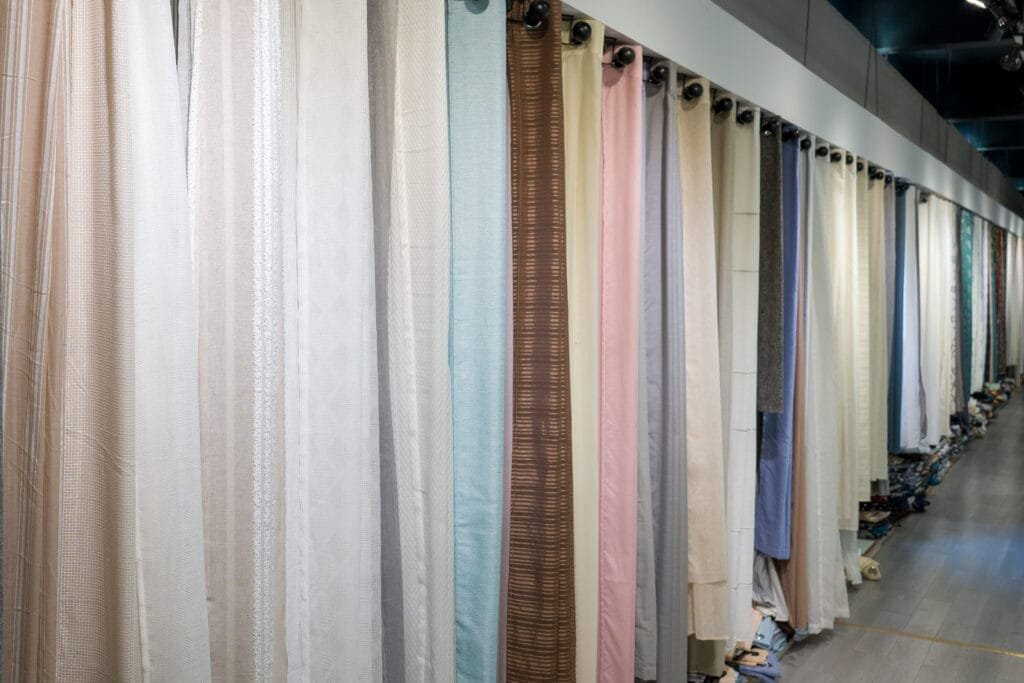
Minimums depend heavily on method. Digital printing supports the lowest MOQs because there is no setup to amortize, which is why it suits trial orders. Screen printing carries a higher minimum per design and color so the screen cost is justified, while sublimation sits in between. As a rule, the more colors and the larger the run, the more screen printing makes sense; the smaller and more varied the order, the more digital wins.
Sampling a printed design typically takes around 3-5 days for a strike-off, with bulk production of roughly 25-30 days after color approval, plus ocean freight. Exact MOQ, pricing and timelines depend on your artwork, fabric and volume, so treat these as planning figures and request a quote for your specification. For how printed SKUs fit into a full wholesale order and how to combine colorways toward a minimum, see mixing SKUs and colors to reach wholesale MOQ.
Colorfastness and Quality Checks to Specify
Printed curtains live in sunlight and get washed, so durability testing belongs in your spec, not just your hopes. Ask your supplier to confirm performance on the grades that matter:
- Light fastness: resistance to sun fading, critical for curtains; graded on a 1-8 scale (higher is better).
- Wash fastness: resistance to color loss and bleeding in laundering; graded 1-5.
- Rubbing (crocking) fastness: resistance to color transfer when rubbed, dry and wet; graded 1-5.
Reputable factories can provide test results and, where fabric is supplier-certified, references such as OEKO-TEX (note these are supplier-authorized, not self-held). Build the required grades into your purchase order and confirm them during pre-shipment inspection so a vivid sample does not turn into a faded delivery. To brand the finished printed range, pair this with custom labeling systems.
Print Layout and Ink Types: Two Details Buyers Forget
Two technical choices quietly shape how a printed curtain looks and lasts, and buyers often leave them to the factory by default. Deciding them yourself avoids surprises in the bulk run.
Print layout determines where the design sits on the panel. An all-over repeat covers the whole curtain edge to edge and is the most common and economical. A panel or border print places the design only along the leading edge or hem, which can lift a plain fabric at lower ink cost. An engineered placement positions a single motif at an exact spot – more striking, but it demands precise cutting and raises both cost and minimums. Tell your supplier which you want before sampling, because it changes pricing and the repeat file you need to supply.
Ink type decides durability, and the names matter. Reactive inks bond chemically with natural fibers (cotton, linen) for soft hand and strong wash fastness. Disperse inks are used for polyester and are what sublimation relies on, giving excellent light and wash resistance. Pigment inks print on almost any fabric and cost less, but sit on the surface and fade faster unless well fixed. When a quote looks unusually cheap, the ink is often the reason – confirm it, because it is the difference between curtains that hold color for years and ones that wash out in a season.
Frequently Asked Questions
What is the best printing method for custom curtains?
It depends on your order. Digital is best for short runs, photographic art and many colors with low minimums. Screen printing is cheapest per unit on large runs of simple repeating designs. Sublimation gives the most vivid, fade-resistant results but only on polyester. Match the method to run size, fabric and artwork.
Can you print on cotton and linen curtains?
Yes with digital or screen (reactive/pigment inks), but not with sublimation, which bonds only to polyester. For cotton and linen ranges, digital printing offers the most design flexibility, while screen printing is more economical on large, simple repeats.
How durable are printed curtains against sun fading?
Durability depends on method and ink. Sublimation on polyester is the most fade-resistant because the dye bonds into the fiber. Digital and screen prints vary by ink – reactive and disperse inks resist washing and light far better than basic pigment inks. Always specify a light-fastness grade (1-8 scale) in your order.
What is the minimum order quantity for custom printed curtains?
Digital printing supports the lowest minimums because there is no setup cost; screen printing requires a higher minimum per design and color to justify screen preparation; sublimation sits in between. Exact MOQ depends on the design and fabric, so request a quote for your specification.
Why does my bulk print not match the sample?
Usually because color was approved on a screen or monitor rather than a physical strike-off. Always approve a printed strike-off on the actual fabric and specify exact Pantone codes before bulk production. Screen, monitor and fabric never render color identically.
How long do custom printed curtains take to produce?
A printed strike-off sample typically takes about 3-5 days, with bulk production around 25-30 days after color approval, plus ocean freight. Timelines vary with artwork complexity, fabric and order size, so confirm against your exact specification.
Bottom Line for Your Printed Curtain Program
There is no single best way to print curtains – there is a best method for your run size, fabric and artwork. Use digital for short, varied or photographic runs; screen printing for large, simple, cost-driven repeats; and sublimation for the most vivid, durable prints on polyester. Whichever you choose, lock color with a physical strike-off and Pantone codes, and specify light, wash and rubbing fastness grades in your purchase order. MOQ, pricing and lead times are subject to your final artwork, fabric and confirmed sample, so request a quote on your exact design.
Author: DAIRUI Sourcing Desk | Last reviewed: 2026-06