Bottom line: Velvet is the premium, high-margin end of a wholesale curtain range – heavy fabric (typically 250-360 gsm), rich color, and a natural room-darkening and insulating effect that buyers will pay more for. The two things that make or break a velvet order are pile direction (all panels must run the same way) and crush/pressure marks in transit. Expect trial MOQs around 50-200 pieces per color, samples in 3-5 days, and bulk in 25-30 days. Velvet is heavy, so plan for fewer panels per container.
Why Velvet Is a Premium Wholesale Category

Velvet sits at the top of most curtain ranges. The fabric reads as luxury, photographs well, and commands a higher retail price than voile, polyester panels or basic blackout – which means stronger margins for retailers and brands. For a wholesale buyer, a tight velvet line is a way to lift average order value and brand perception without expanding the SKU count much.
It also does real work on the window. A heavy velvet naturally blocks a large share of light and adds insulation and sound absorption, so it doubles as a performance product, not just a decorative one. That dual story – looks premium, performs like a heavyweight – is what lets you price it above the rest of the range. Where you place velvet in your line depends on weight and weave, which we break down next; for the wider weight picture see our curtain fabric weight (GSM) guide.
Types of Velvet Curtains for Wholesale
Velvet is a construction, not one fabric. The base fiber and finish change the price, durability and feel. Use the table to shortlist.
| Type | Look & feel | Best for | Relative cost |
|---|---|---|---|
| Polyester velvet | Even pile, durable, color-stable | Mainstream retail and hospitality volume | Low-mid |
| Cotton / cotton-blend velvet | Matte, natural, soft hand | Premium and heritage ranges | Mid-high |
| Crushed velvet | Textured, light-catching, casual | Trend and budget-premium retail | Low-mid |
| Embossed / foiled velvet | Patterned or metallic surface | Differentiated, decorative lines | Mid-high |
Polyester velvet carries most wholesale volume because it is durable, colorfast and economical – the right call for hospitality and mainstream retail. Cotton-blend velvet feels more premium but costs more and needs careful care guidance. Crushed and embossed velvets are styling plays that differentiate a range. Many velvet orders also add a blackout backing; how that backing is built is covered in our guide to coated vs woven blackout.
Specs That Decide Velvet Quality and Cost

A few specifications matter far more on velvet than on flat fabrics:
- Weight (GSM): quality drapery velvet runs roughly 250-360 gsm. Too light and it looks thin and shiny; heavier velvet drapes with body and blocks more light, but adds shipping weight.
- Pile direction (nap): velvet has a direction – it looks darker one way and lighter the other. Every panel in an order must be cut and sewn with the pile running the same way, or matched curtains will look like different colors on the wall. This is the number-one velvet defect.
- Backing / lining: decide upfront whether you want self-lined, a separate blackout lining, or unlined. Lining changes weight, drape, light control and cost.
- Header and fullness: velvet is heavy, so pinch pleat, grommet and wave headers all need to be specced for the weight; plan around 2x fullness so it hangs in full folds.
Pile direction is the spec buyers forget and regret. Always state it on the PO and check it at inspection. For header choices suited to a heavy fabric, see the curtain heading styles guide.
MOQ, Customization and Pricing for Wholesale Velvet

Velvet minimums are usually moderate: trial MOQs of about 50-200 pieces per color, with stock colors at the lower end and custom colors or embossing higher. You can combine colorways to reach a price break rather than committing volume to a single shade.
Customization that sells in velvet: custom size and length, a wide custom color range (velvet takes deep, saturated dyes well), embossed or foiled patterns, trims such as pom-poms or banding, blackout backing, and private-label packaging. Pricing depends on fiber, weight, backing and customization, so treat figures as directional and request a quote for your exact spec. To assemble a mixed order toward MOQ, see mixing SKUs and colors to reach wholesale MOQ.
Velvet’s Performance Bonus: Light, Thermal and Sound
Velvet is worth merchandising on performance, not just looks. Because the fabric is dense and heavy, it naturally reduces incoming light (a self-lined or blackout-backed velvet can approach room-darkening levels), slows heat transfer at the window, and absorbs sound better than thin curtains.
For buyers in cold-climate or high-energy-cost markets, framing velvet as an insulating, cozy, quieter window treatment widens its appeal and supports the premium price. Keep the claims honest – “reduces noise” and “helps insulate,” not “soundproof” – and the performance angle turns a decorative purchase into a multi-benefit one.
Quality Checks to Specify on Velvet Orders
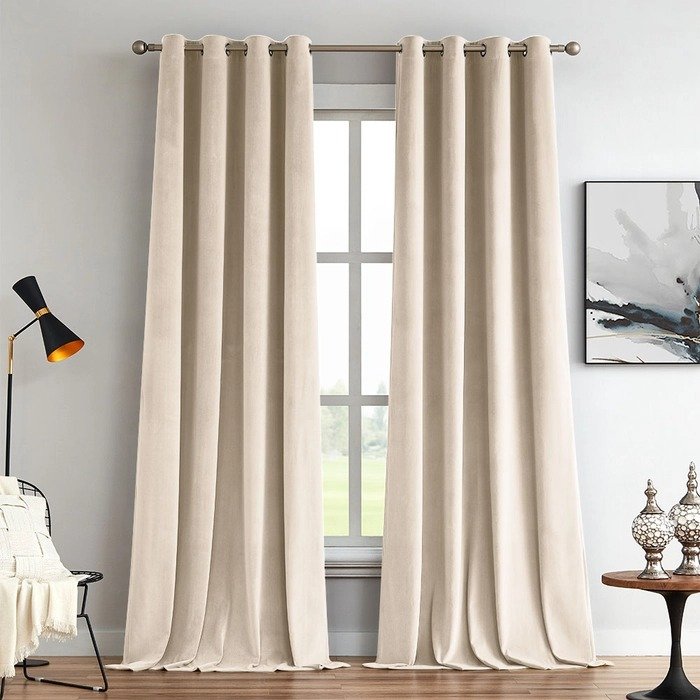
Velvet hides nothing under light and shows handling marks easily, so inspection is critical. Build these checks into your PO and pre-shipment inspection:
- Pile direction consistency: all panels in the order run the same nap direction – the single most important velvet check.
- Crush and pressure marks: velvet creases and flattens under pressure in transit; require correct rolling/packing (not tight folding) and inspect for permanent marks.
- Shading / color uniformity: no light/dark banding across or between panels from uneven pile or dye lot.
- Shedding and colorfastness: minimal pile shedding; specify light- and rub-fastness grades, as velvet sits in sun and is touched often.
Where fabric is supplier-certified, references such as OEKO-TEX may be available (supplier-authorized, not self-held). Always approve a production sample and confirm packing method before bulk – a velvet that arrives crushed or mismatched in nap is effectively unsellable.
Shipping Velvet: Plan for the Weight
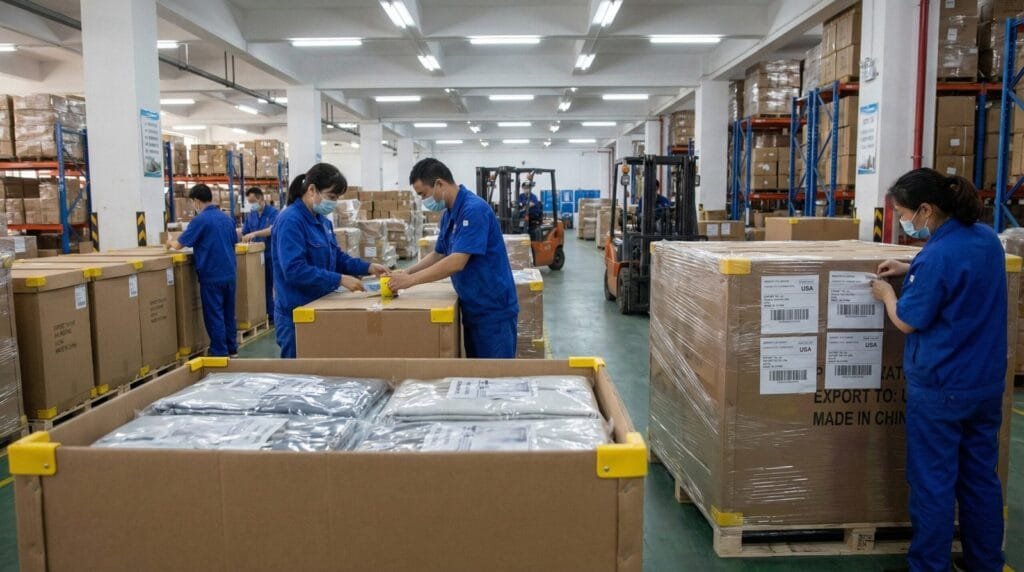
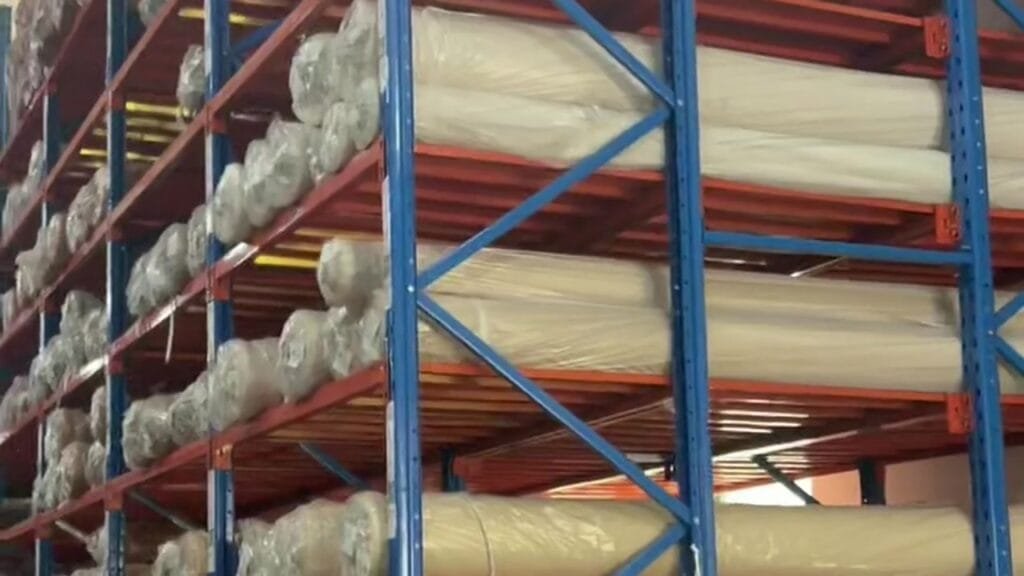
Velvet is one of the heaviest curtain types, which has two practical effects on a wholesale order. First, fewer panels fit in a container by weight and by the need to roll rather than tightly fold them, so your cost per panel for freight is higher than for sheers or light blackout. Second, packing method matters: velvet should be rolled or loosely packed to avoid permanent crush marks, which uses more volume.
Factor this into your landed-cost math and your reorder cadence. For how loading and packing affect margin across fabric types, see our container loading guide, and to compare where to source velvet and other curtains, our guide to the best country to wholesale curtains.
Frequently Asked Questions
What GSM should wholesale velvet curtains be?
Quality drapery velvet typically runs about 250-360 gsm. Lighter velvet looks thin and over-shiny; heavier velvet drapes with body and blocks more light but adds shipping weight. Use GSM as a positioning guide and confirm it against a physical sample.
Why do my velvet panels look like different colors?
Almost always pile direction. Velvet looks darker one way and lighter the other, so if panels are cut with the nap running different ways they appear to be different shades on the wall. Specify a single pile direction on the PO and check it at inspection – it is the top velvet defect.
What is the MOQ for wholesale velvet curtains?
Trial minimums of roughly 50-200 pieces per color are common, with stock colors lower and custom colors or embossing higher. You can combine colorways to reach a price break. Exact MOQ depends on fiber, weight and customization, so request a quote for your specification.
Are velvet curtains good for blocking light and heat?
Yes. Velvet is dense and heavy, so it naturally reduces light and slows heat transfer at the window, and a self-lined or blackout-backed velvet can approach room-darkening levels. It also absorbs sound better than thin curtains, which makes it a strong performance plus premium product.
Can velvet curtains be custom-colored and private-labeled?
Yes. Velvet takes deep, saturated dyes well and can be custom-colored, embossed or foiled, made to custom size and header, trimmed, blackout-backed and packaged for private label. Customization and MOQ depend on the spec, so request a quote for your colors and volume.
How should velvet curtains be packed for shipping?
Velvet should be rolled or loosely packed, not tightly folded, to avoid permanent crush and pressure marks. This uses more container volume and adds weight, so plan fewer panels per container and factor it into landed cost. Confirm the packing method before bulk production.
Bottom Line for Your Velvet Curtain Range
Velvet is the premium, performance-backed end of a wholesale curtain line – higher margin, higher perceived value, and a genuine light/thermal/acoustic story. Get the two velvet-critical specs right: a single pile direction across every panel, and a packing method that prevents crush marks. Match GSM to your positioning, decide on backing, and source factory-direct from a supplier who can also provide matching blackout and sheers. MOQ, pricing and lead times depend on your final specification and confirmed sample, so request a quote on your exact fiber, color and volume.
Author: DAIRUI Sourcing Desk | Last reviewed: 2026-06